

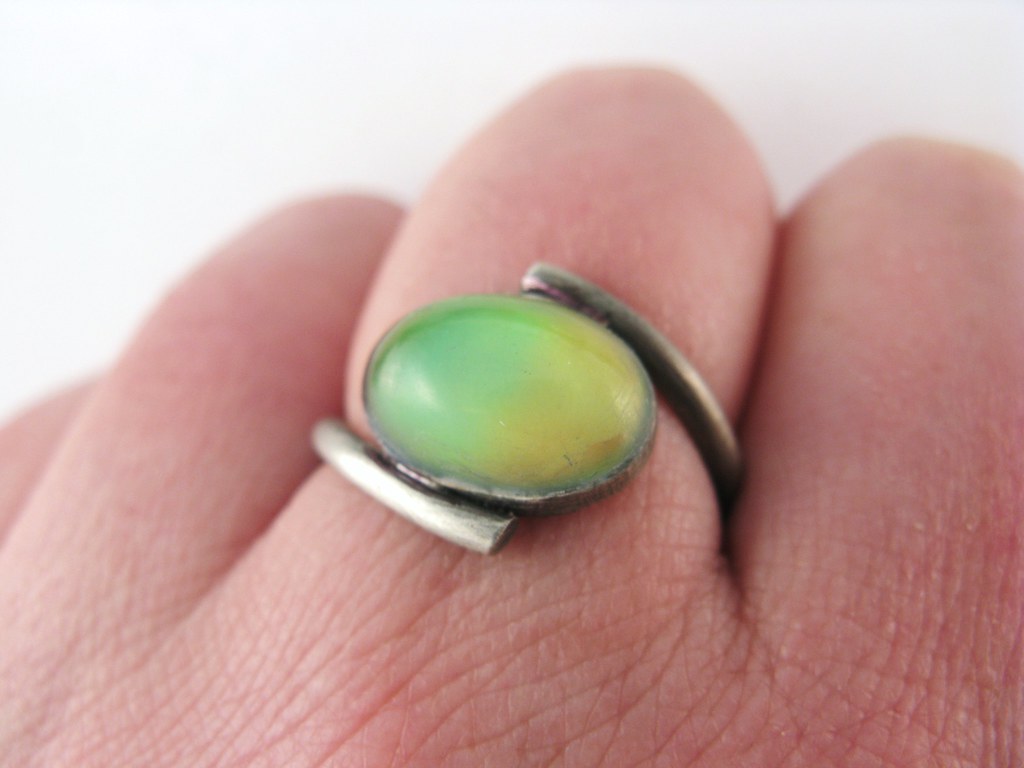
You’ve chosen to imagine clothes that change color along with your mood. You might want to learn more about responsive clothing that reacts to body signals. But be careful with your mood clothes; they make it a lot harder to hide your true feelings!
This scenario explores responsive clothing, which reacts to signals from our bodies. Some fabrics change with heat, while newer clothes sometimes use body sensors. These signals can give us clues about someone’s physical state, but they cannot read our minds. We should also choose when our clothes collect or share clues about our bodies. So be careful with your mood clothes; they make it a lot harder to hide your true feelings!
If clothes could collect and show clues about our feelings, how do we decide when others see them?
You can design your own mood-changing shirt with paper, markers, and colored sticky notes. Draw a shirt, then create removable color patches for different body clues, like feeling warm or having a fast heartbeat. Decide which clues your shirt shares and which ones stay private.
With an adult, ask ChatGPT:
“Design a shirt that can change colors using clues from my body.”
Then choose which signals your invention should notice. Draw your design and add a privacy button that lets you control what your clothes show.
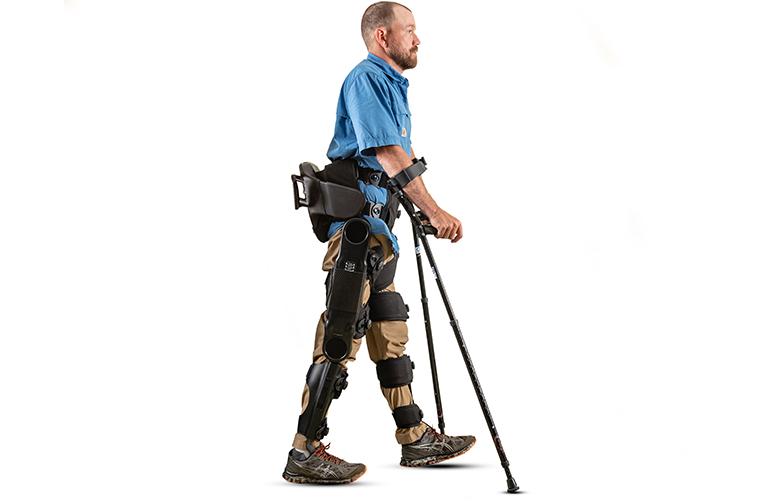
You’ve chosen to imagine shoes that give your legs an extra boost for giant jumps. You might want to learn more about wearable exoskeletons that help our bodies move. Just remember: super jumps belong on the playground, not over the lunch line!
This scenario explores wearable exoskeletons, gear that works alongside our muscles. Some use springs that store energy when our legs bend. Others use motors to give our ankles an extra push. Researchers study them for walking, running, hopping, and jumping. Future shoes might use similar ideas to give our jumps extra bounce. Just remember: super jumps belong on the playground, not over the lunch line!
If special gear could make us jump higher, when would using it be fair?
You can prototype super jump shoes without actually jumping in them. Trace a shoe on cardboard, then add springs, folded cardboard, rubber bands, or craft sticks underneath. Test different pretend spring shapes by pressing them gently with your hand. Which design squishes and springs back best?
With an adult, ask ChatGPT:
“Design safe future shoes that help people jump higher using spring-powered exoskeletons.”
Then choose your favorite feature and draw the shoes from the side. Label where they store energy, support your legs, and help you land safely.




.png)
.png)