

You’ve chosen to imagine a cap that records your dreams while you sleep. You might want to learn more about brain-computer interfaces, which read signals made by our brains—although today’s technology cannot record dreams like movies. But when the Dream Cap does exist, don’t forget to erase the embarrassing dreams after you wake up!
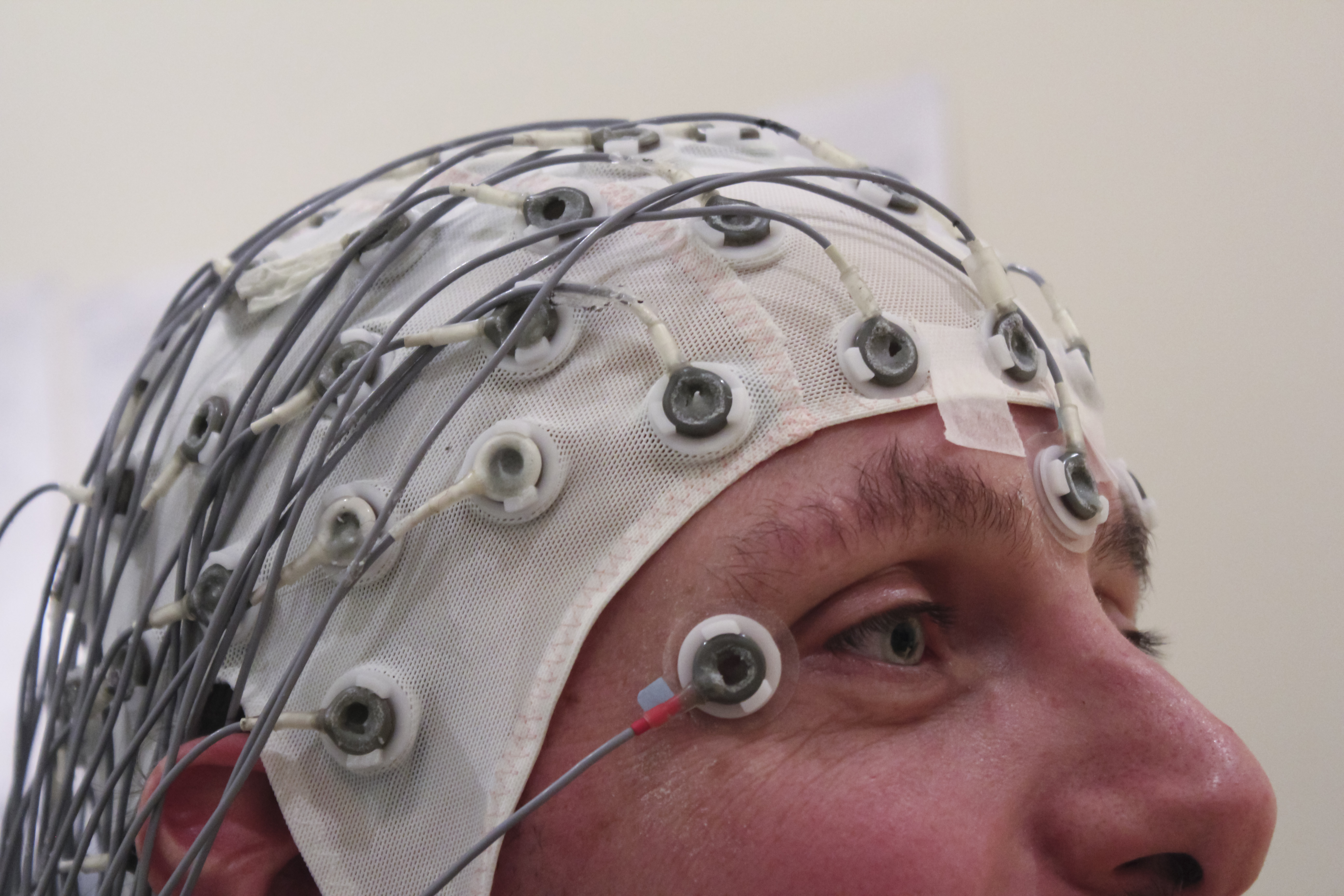
We’re exploring brain-computer interfaces, tools that connect brains with computers. Our brains make tiny electrical signals as we think and sleep, and special sensors can measure some of these signals from outside our heads. Scientists already use these sensors to study sleep and brain activity. Researchers have even found clues about images people see while sleeping, though current devices cannot record or replay dreams like movies. If a future Dream Cap could reveal more about dreams, we would need rules about sharing them. So don’t forget to erase the embarrassing dreams from your Dream Cap after you wake up!
If a machine could someday record our dreams, who should be allowed to see them?
Make your own Dream Cap prototype using a paper strip, cardboard, foil, yarn, and tape. Add pretend brain sensors around the cap, then draw a “dream screen” showing what you imagine they might detect. Decide which parts of your dream machine should stay private and which could be shared.
With an adult, ask ChatGPT:
“Invent three very different dreams a future Dream Cap might discover.”
Choose one dream and draw what the cap might record. Then design a privacy button that lets you decide whether to save, erase, or share it.
You’ve chosen to imagine a headband that gently plays lullabies as you fall asleep. You might want to learn more about bone conduction audio, which sends sound vibrations through the skull. Just make sure your headband knows bedtime is not drum-solo time!
We’ve decided to learn more about bone conduction audio, a different way for us to hear. Normal sounds usually travel through the air into our ears. Bone conduction sends tiny vibrations through bones in our skull instead. Those vibrations can reach the inner ear without blocking our ear canals. People already use this idea in hearing devices and special headphones. Future sleep headbands could use it to play gentle bedtime sounds. Designers would need to keep those sounds safe and comfortable for us. Just make sure your headband knows bedtime is not drum-solo time!
If a headband could play sounds without covering your ears, when might hearing the sounds around you still be important?
Make a Lullaby Headband model from a strip of cardboard, fabric scraps, tape, and two bottle caps. Place the caps near the sides of your head as pretend vibration pads. Draw controls for volume, music, and a timer, then invent a safety feature that keeps the sounds gentle.
With an adult, ask ChatGPT:
“Design a bedtime headband that uses gentle vibrations to play a peaceful lullaby.”
Use the description to draw your invention. Then add your own controls for sound, comfort, bedtime timing, and a quiet morning alarm.





.png)
.png)