

You’ve chosen to imagine gloves that can make objects feel smooth, bumpy, squishy, or rough under your fingers. You might want to learn more about haptic gloves, which use pressure, vibration, and movement to create touch sensations. Just don’t gross yourself out by making the cat feel like jello!
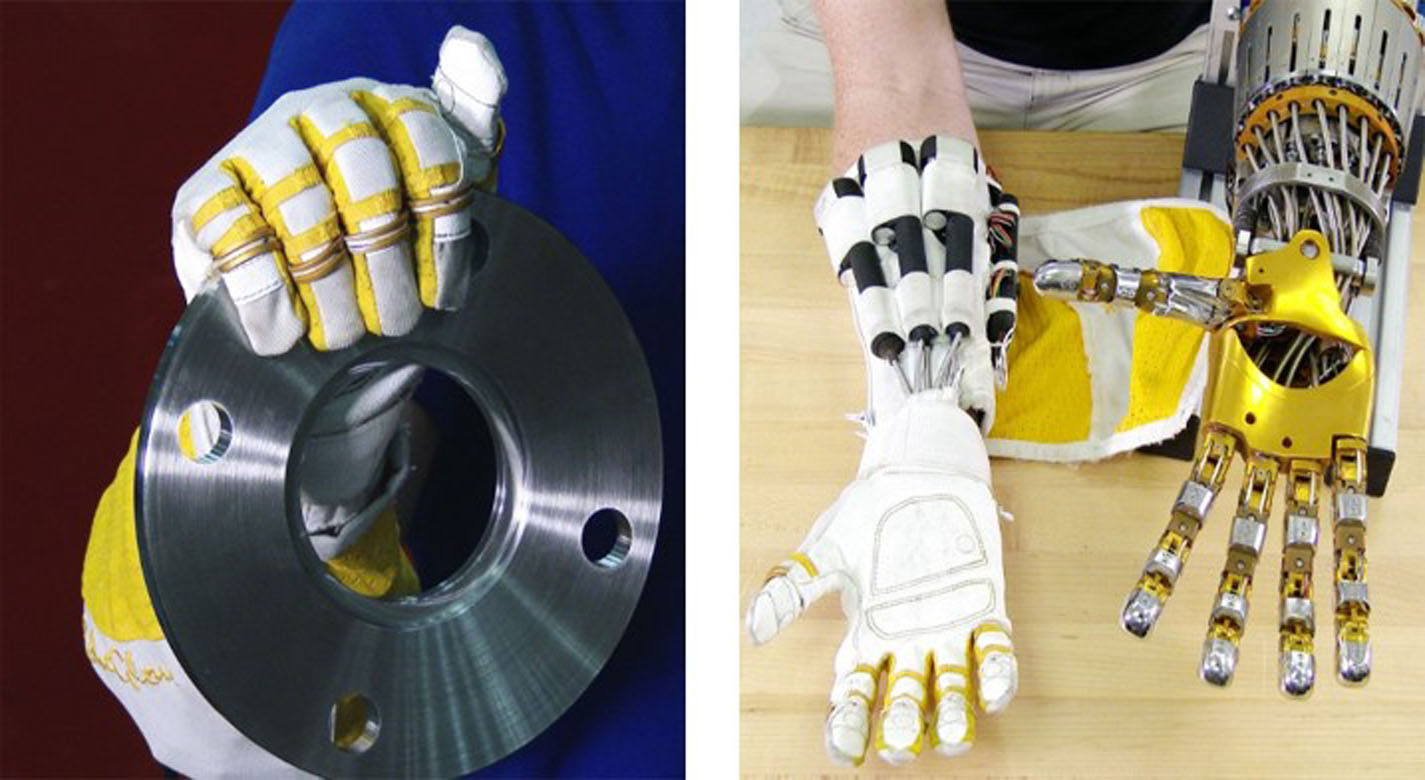
We’re exploring haptic gloves, which use touch signals to create artificial sensations. Tiny devices can press, vibrate, or resist our fingers as we move. Today, experimental gloves can record and reproduce patterns of touch, and some can even guide our fingers while learning a piano pattern. Future gloves could make one surface feel smooth, rough, soft, or firm; but we should still know when a sensation is real or computer-made. And don’t gross yourself out by making the cat feel like jello!
Who might find texture-changing gloves especially helpful, and what could they use them for?
You can prototype your own texture glove using a paper hand shape, tape, fabric scraps, foil, sponge, cotton, sandpaper, and other safe materials. Attach different texture patches to the fingers, then invent buttons that would let your future glove switch between sensations. Test several combinations and redesign your glove so each finger has a different job.
With an adult, ask ChatGPT:
“Invent six surprising textures a future haptic glove could make me feel.”
Pick your favorites, then draw a glove showing where each texture comes from. You can also build a model and invent your own sensation that was not on the list.
You’ve chosen to imagine gloves that can warn you whether something is hot or cold before you touch it. You might want to learn more about thermal imaging, which detects invisible infrared energy coming from warm objects. I know what you’re thinking…but no using your temperature gloves to find who stole the warm cookie!
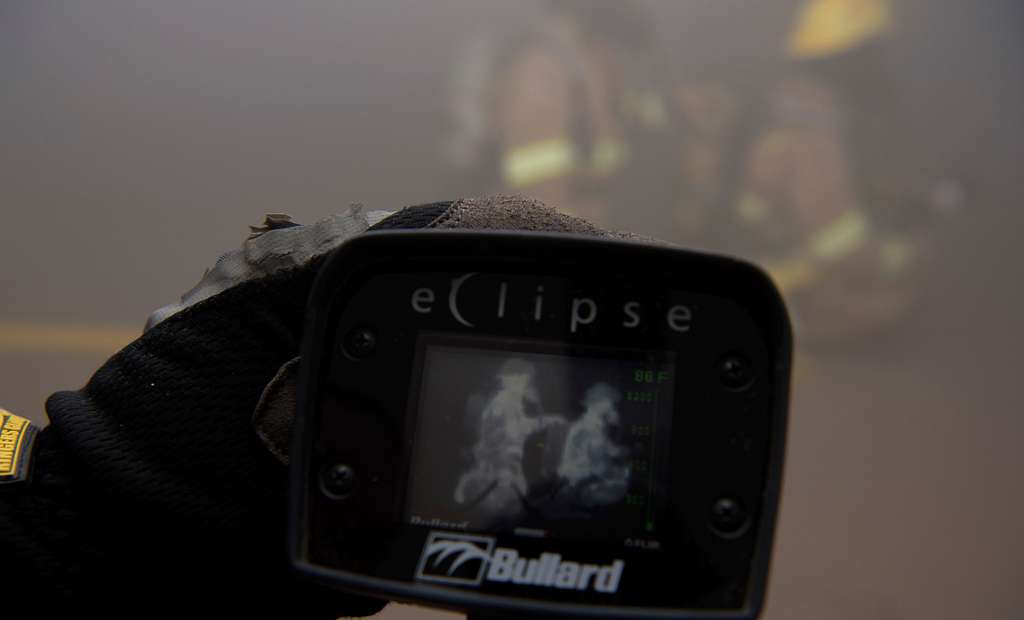
We’re learning about thermal imaging, which shows differences in heat using infrared light. Our eyes cannot see infrared, but special cameras can. For example, firefighters use thermal cameras to find people and fire through smoke and wildlife teams use them to watch animals in darkness without bright lights. Future gloves could turn heat patterns into simple warnings for our hands. That might help us notice very hot or cold objects before touching them. I know what you’re thinking…but no using your temperature gloves to find who stole the warm cookie!
How could temperature-sensing gloves help people keep themselves or others safe?
You can design a pretend temperature-sensing glove using cardboard, paper, tape, and colored paper. Add a “sensor” near the fingertips and make small blue, yellow, orange, and red windows for different temperature ranges. Draw several everyday objects, decide what warning your glove should give for each one, then redesign the system so someone could understand it without reading words.
With an adult, ask ChatGPT:
“Invent five helpful jobs for gloves that can sense heat before you touch something.”
Choose one job and design your own glove for it. Draw what the sensors notice, how the glove warns its wearer, and one rule that keeps the technology safe.




.png)
.png)