

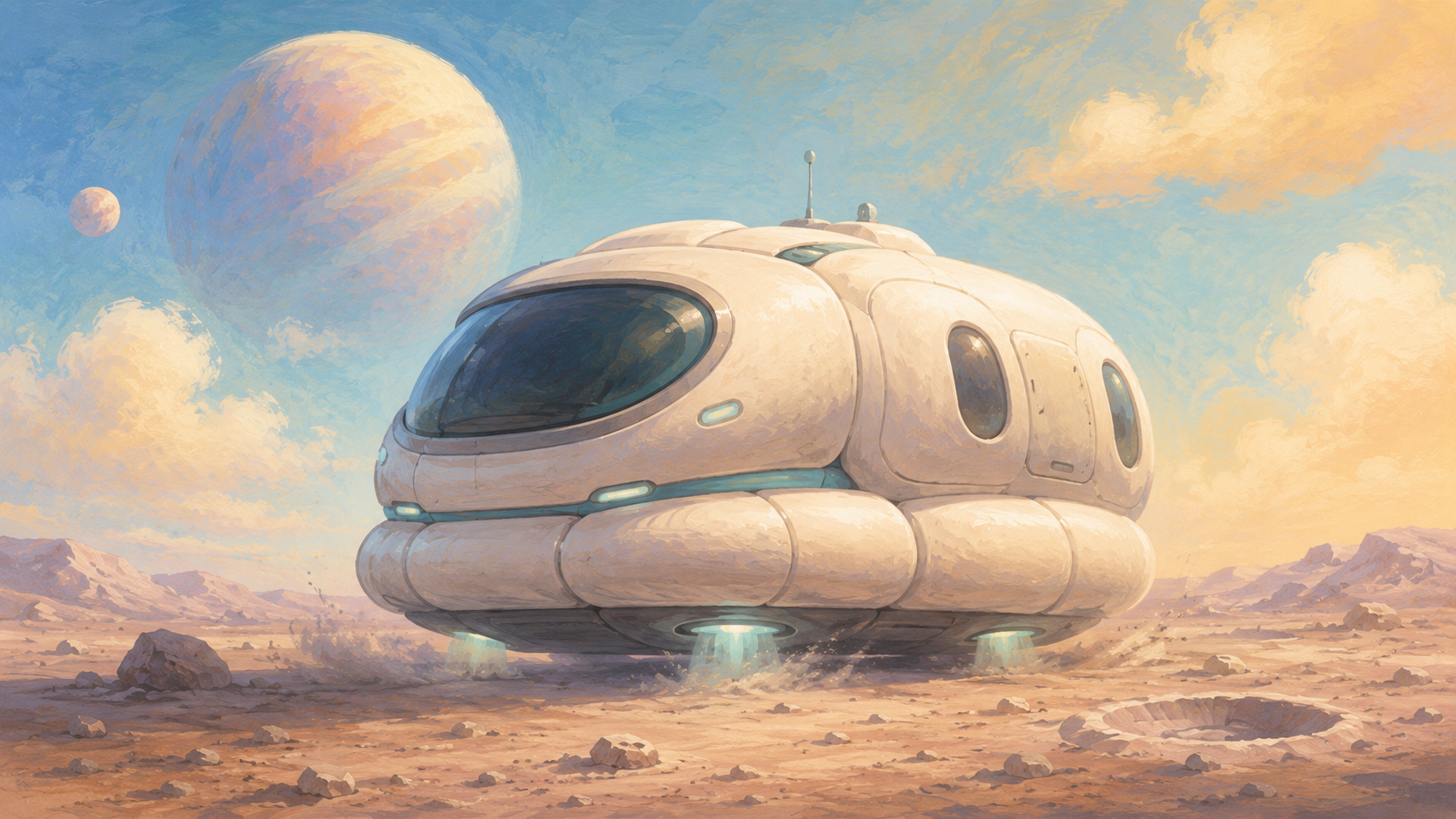
 Marshmallow Ship
You’ve chosen to imagine a marshmallow-inspired spacecraft that squishes and bounces during a soft landing. You might want to learn more about inflatable safety systems, which use air-filled structures to cushion impacts and protect what is inside. Just try not to take a bite out of your inflatable ship; it’s not actually made out of marshmallows!
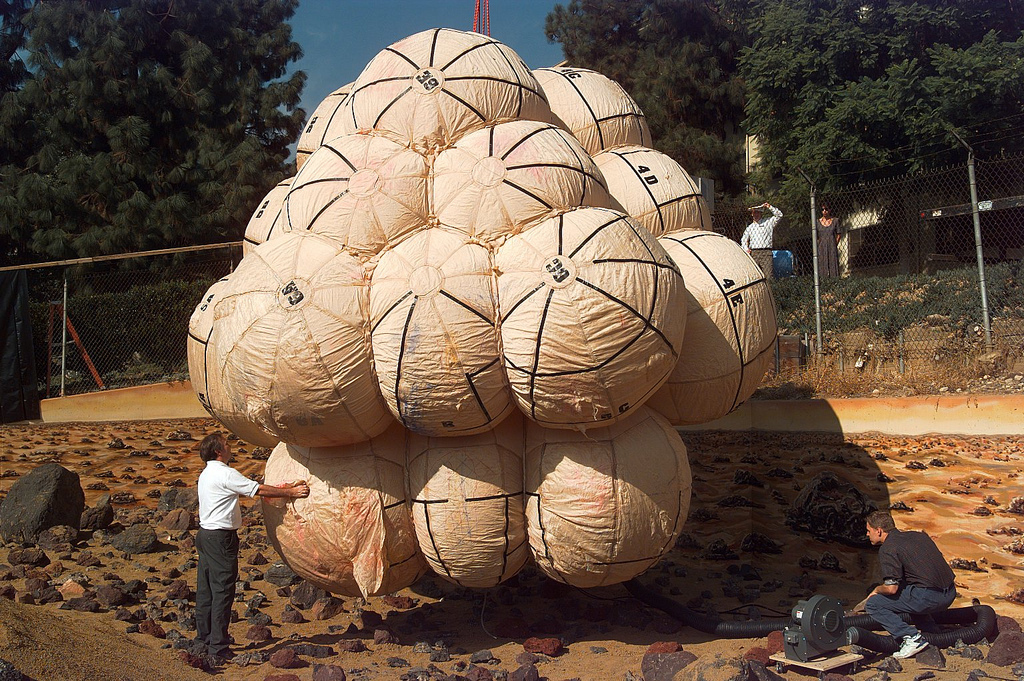
This scenario explores inflatable safety systems, which use air-filled parts or cushion impacts for protection. Airbags can squash during an impact instead of letting harder parts take the hit. NASA used huge airbags to bounce Mars Pathfinder safely onto Mars, and engineers test inflatable spacecraft parts that slow vehicles during dangerous descents. A future ship could use similar ideas for softer, springier landings. Just try not to take a bite out of your inflatable ship; it’s not actually made out of marshmallows!
What would you add to make a squishy spacecraft land even more safely?
Make a tiny landing capsule using a paper cup or small box. Wrap it with different soft materials, such as cotton, sponges, crumpled paper, or bubble wrap. Drop it gently onto a tray and see which design squishes, bounces, and protects the capsule best. Then redesign your landing cushion using what you learned.
With an adult, ask ChatGPT:
“Invent three ways a soft spacecraft could cushion itself when landing on another planet.”
Choose one idea, change it to make it your own, then draw or build a model showing exactly which parts squish, inflate, or bounce.
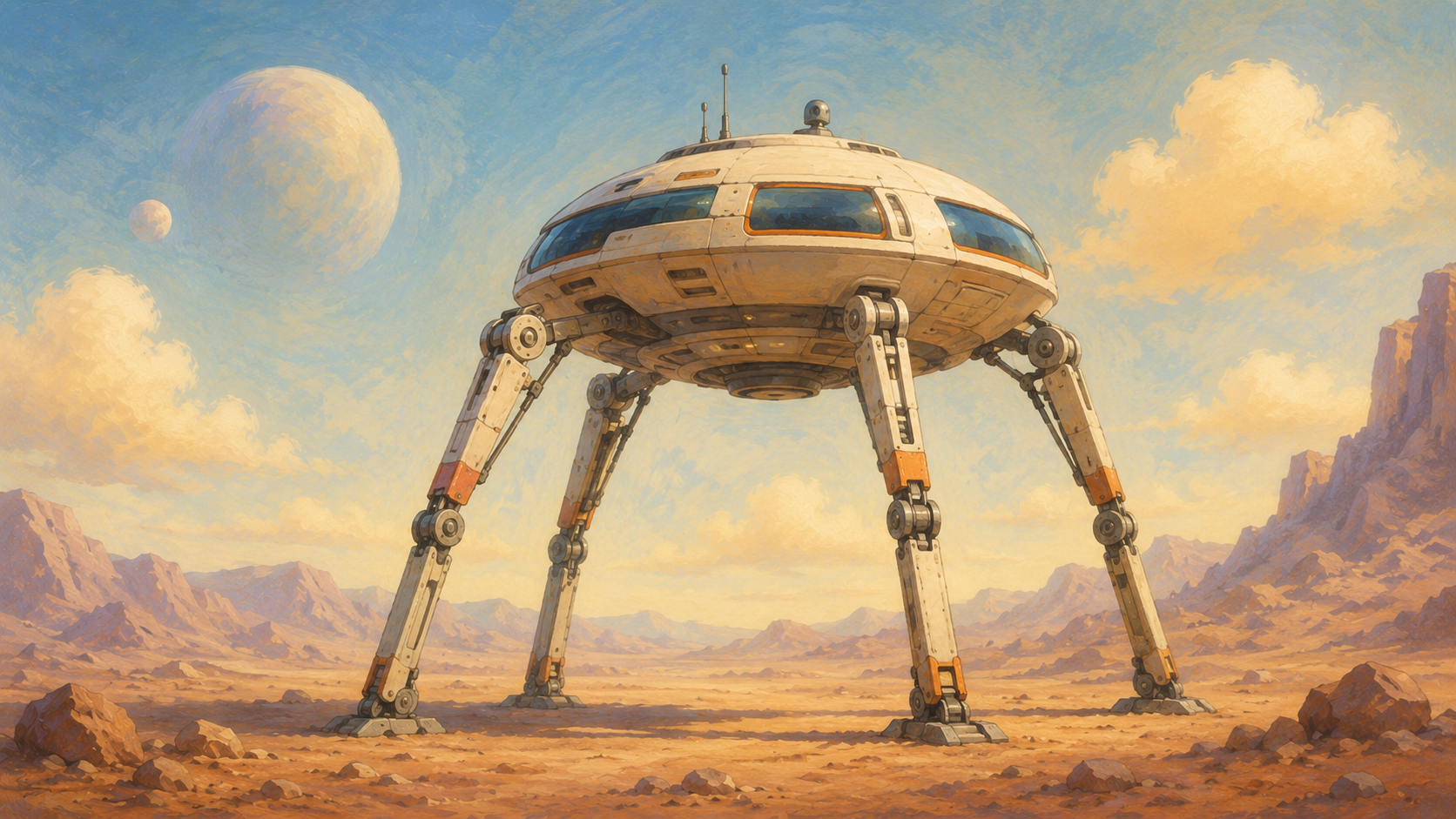 Giraffe-Leg Ship
You’ve chosen to imagine a giraffe leg-inspired spacecraft that lowers itself gently on tall, bendy mechanical legs. You might want to learn more planetary landing systems, like sky crane landings, where a flying descent system carefully lowers a spacecraft toward the ground. Just make sure those extra-tall landing parts don’t accidentally step on anyone’s Mars rocks!
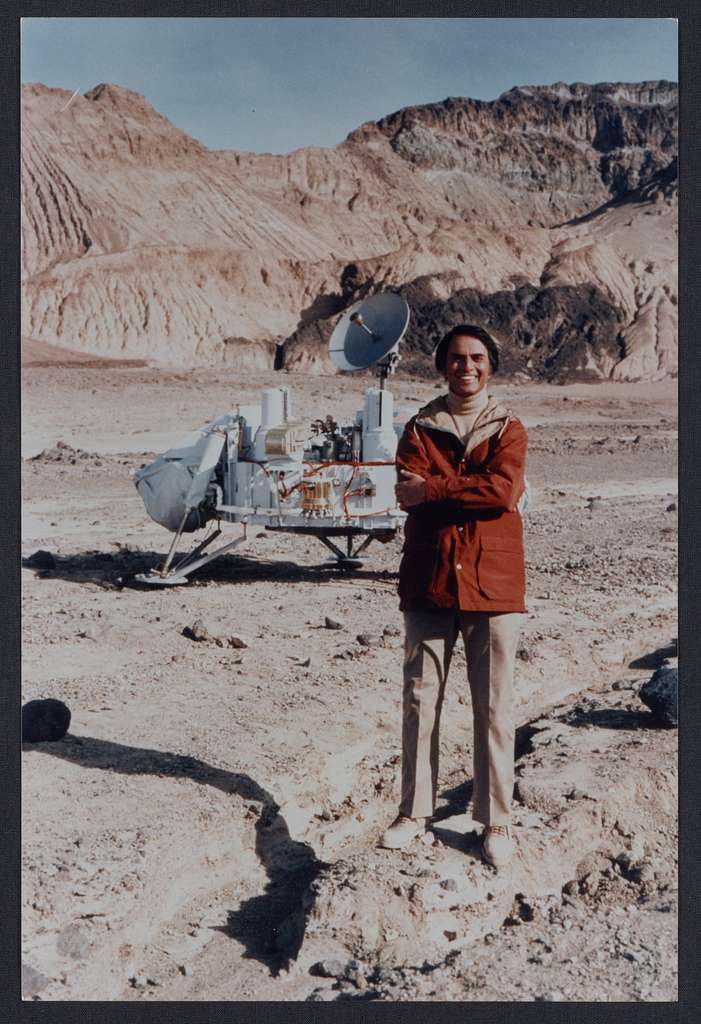
This scenario explores planetary landing systems. Energy-absorbing legs can bend, compress, or crush in controlled ways during touchdown. A sky crane works differently: a rocket-powered stage hovers above the ground while lowering a rover on cables. NASA created that approach because large rovers such as Curiosity were too heavy for the airbag system used by earlier missions. Future spacecraft might use sensors and adjustable legs to balance on uneven rocks, slopes, or soft soil. Just make sure those extra-tall landing parts don’t accidentally step on anyone’s Mars rocks!
How would you design bendy legs that can land on rocks, slopes, or soft sand?
Build a spacecraft with tall landing legs using a small box, straws, cardboard strips, tape, and paper fasteners. Make joints so the legs can bend, then test your ship on books, crumpled paper, or blocks that create uneven ground. Change the length, angle, or number of joints until your spacecraft can stand steadily in several different places.
With an adult, ask ChatGPT:
“Design a spacecraft with tall hinged legs that can land on three very different planets.”
Compare how the legs change for each world. Then invent your own fourth version and draw or build the landing system.


.png)
.png)