
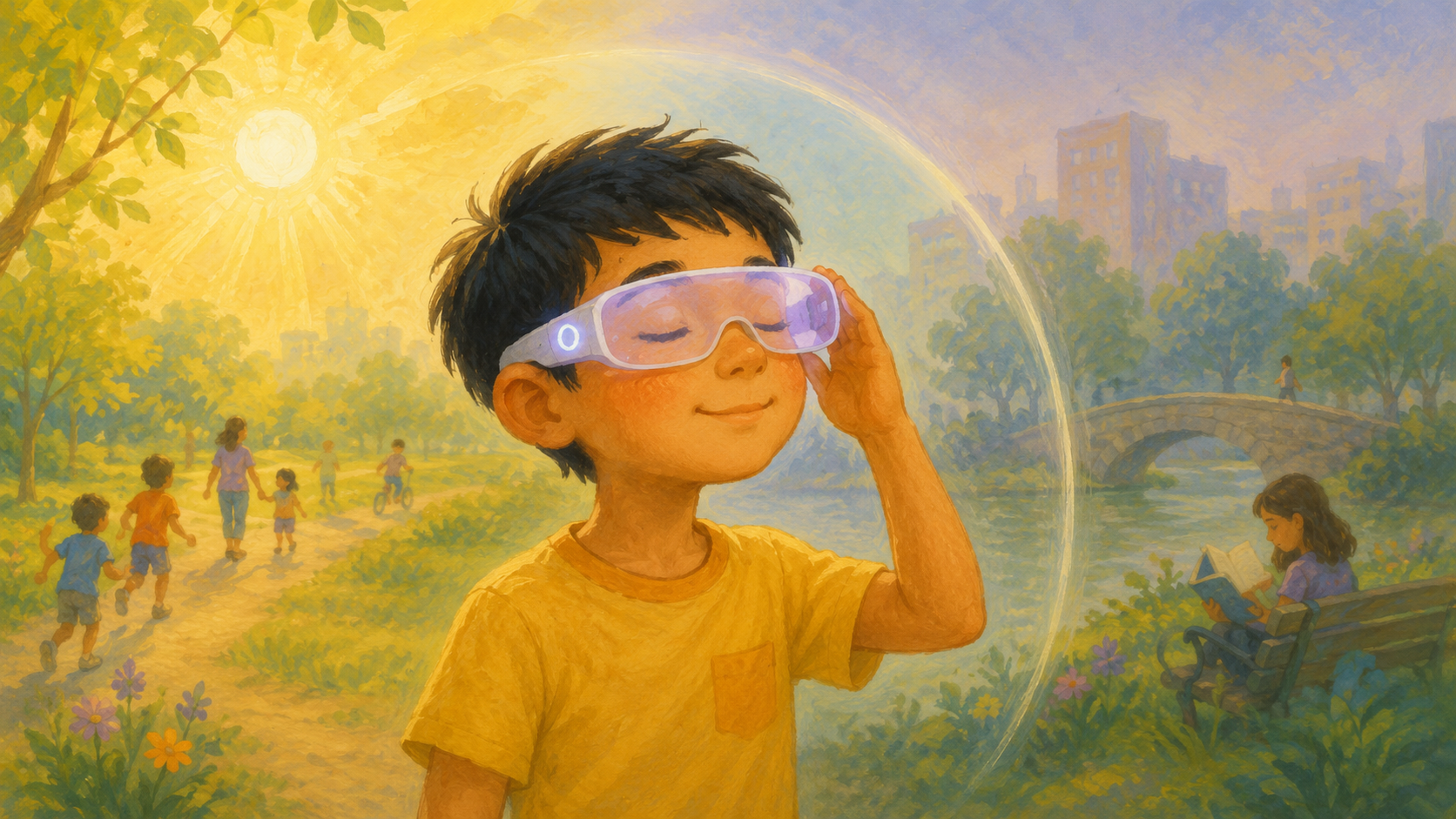
You’ve chosen to imagine glasses that soften bright light when the world feels overwhelming. You might want to learn more about light therapy, which uses different kinds of light to help improve comfort and health. Your glasses can soften the glare, but maybe still don’t look straight at the sun!
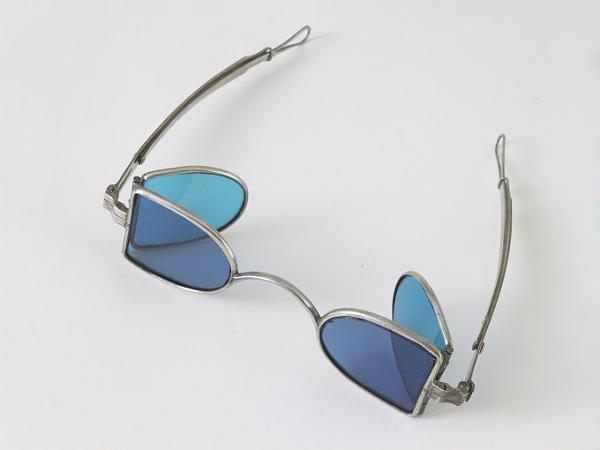
We’re exploring light therapy, or how different light can affect our bodies. Some glasses filter wavelengths that bother people with light sensitivity. Researchers also study photobiomodulation, a system of using special colored lights to help heal tiny parts inside our bodies. Future glasses could give us more control over overwhelming light. Your glasses can soften the glare, but maybe still don’t look straight at the sun!
What controls would you add so your glasses can change in different places?
Design your own calming glasses using cardboard, tape, and pieces of transparent colored plastic. Make several removable “lenses” that soften light in different ways, then hold them over pictures or objects to compare what changes. Do not look at the sun. Add a button, slider, or dial showing how you would control your future glasses.
With an adult, ask ChatGPT:
“Design three kinds of future glasses that help people feel comfortable in bright places.”
Choose the features you like, change anything you do not, then draw your own version. You can design different settings for a sunny park, bright classroom, or crowded store.
You’ve chosen to imagine headphones that create a peaceful sound bubble wherever you go. You might want to learn more about active noise control, which uses microphones and opposite sound waves to reduce unwanted noise. Just make sure to turn off your quiet bubble when your favorite song comes on!
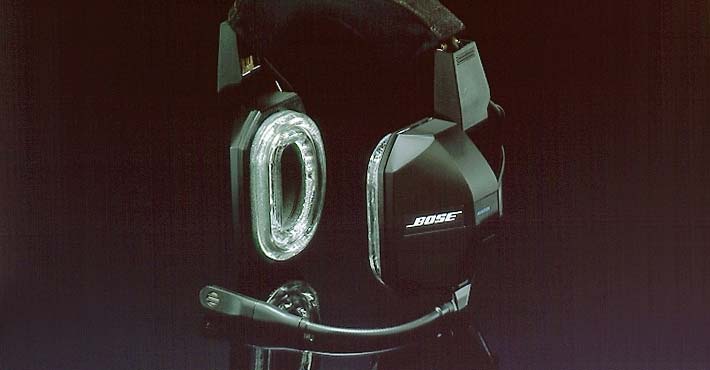
We’re exploring active noise control, which helps reduce unwanted sounds around us. Tiny microphones listen to the noise outside our headphones, then speakers make an opposite sound wave that helps cancel it. It works especially well against steady, low-frequency sounds such as engines and humming, but it cannot remove every sound. Maybe future headphones could give us even more control over busy sound environments. Just make sure to turn off your quiet bubble when your favorite song comes on!
How could we make sure people still hear important sounds while using their peaceful headphones?
Build a model of peaceful headphones using cardboard, paper cups, string, tape, and craft materials. Add pretend microphones on the outside to “listen” for unwanted sounds. Then create a control panel where you decide which sounds get quieter and which important sounds can still come through.
With an adult, ask ChatGPT:
“Invent a pair of headphones that creates a peaceful sound bubble but still keeps me aware of important sounds.”
Look at the features it suggests, then redesign them yourself. Draw your headphones and show what happens when they hear traffic, voices, music, alarms, or other sounds.


.png)
.png)