
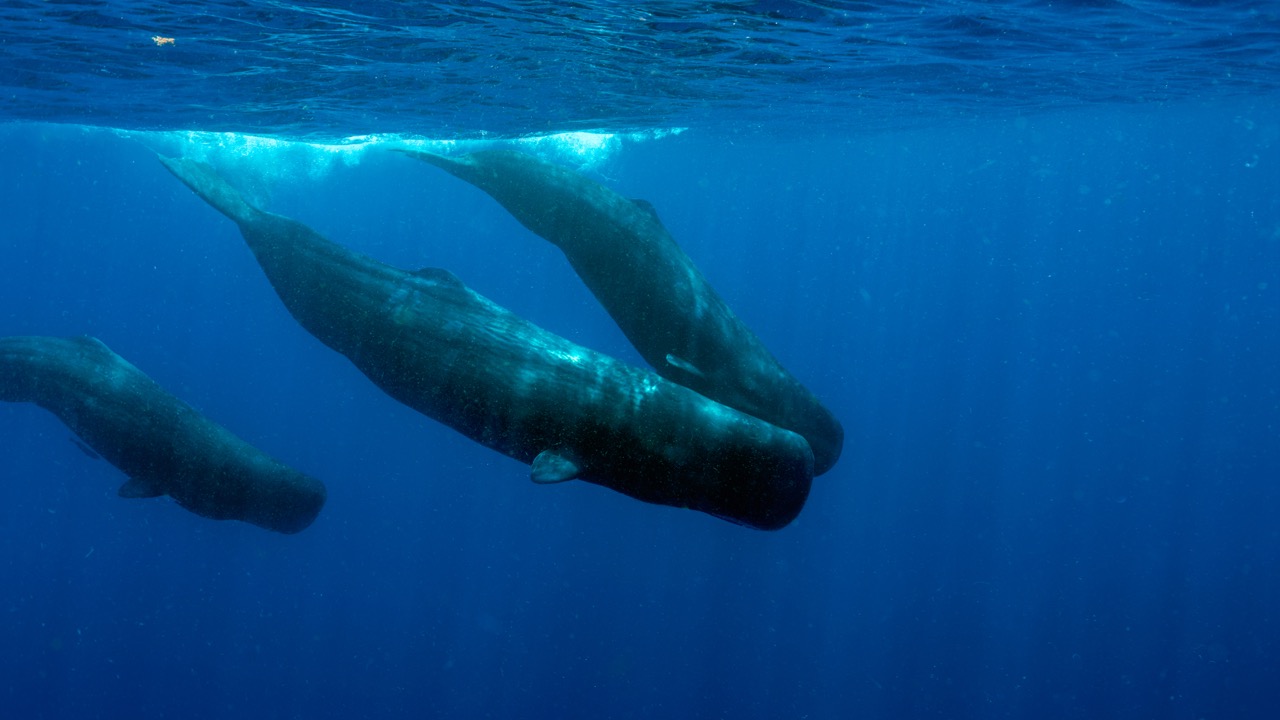
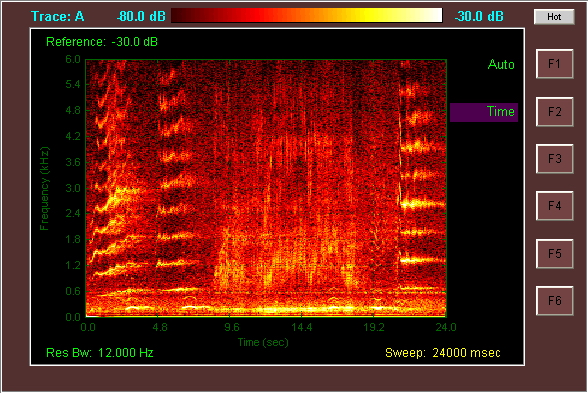
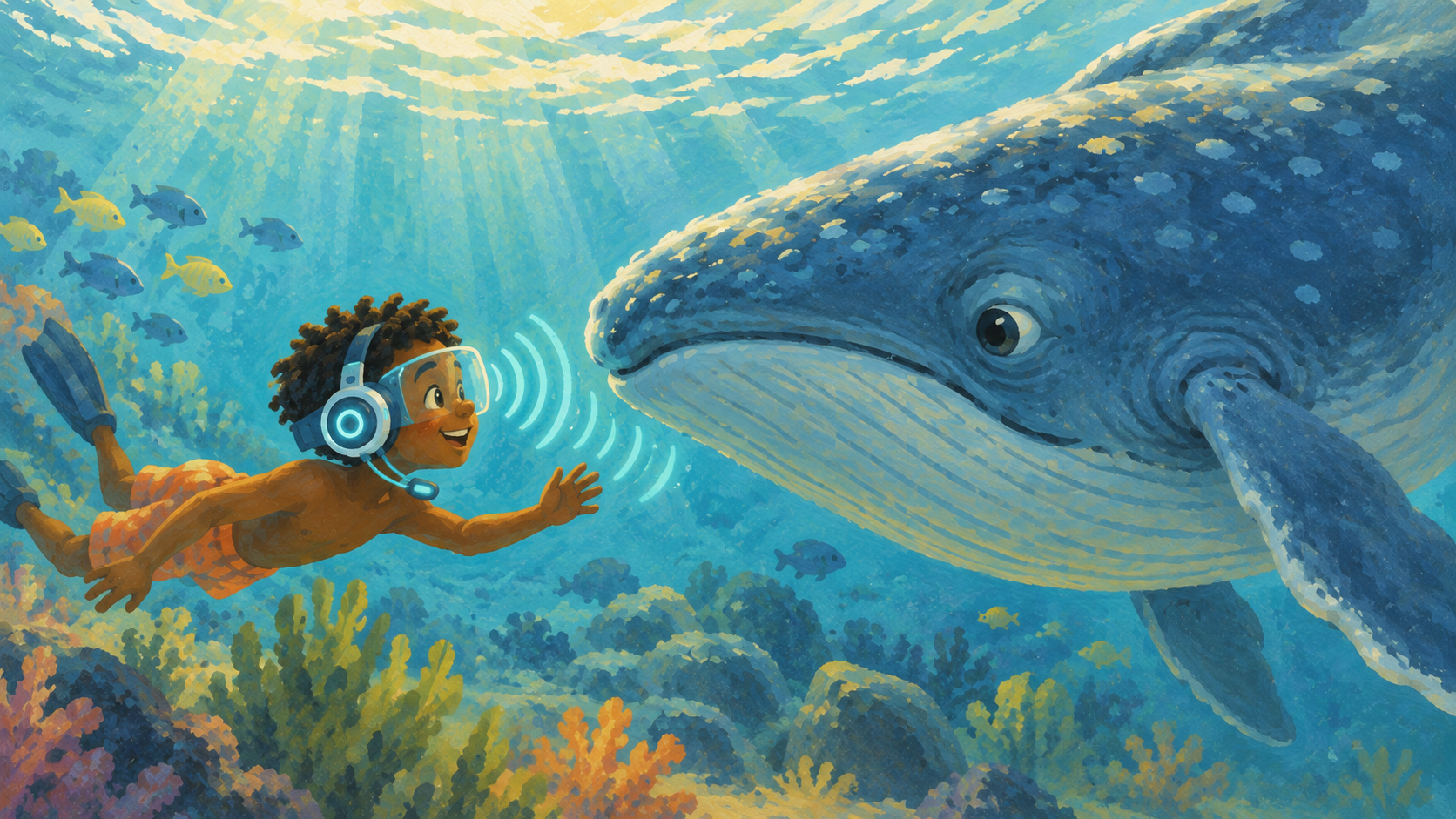
You’ve chosen to imagine a future where people can dive underwater and chat with whales using AI headsets that translate their songs into human language. You might want to learn more about wildlife communication technology. Scientists are already using sound sensors and AI to understand whale clicks and dolphin whistles. Just remember: if a whale starts singing your name, you’d better have something interesting to say back!
We’re learning how wild animals share information using sound, movement, and patterns in nature. Scientists study whale songs, bird calls, and even elephant rumbles to understand what animals are saying to each other. These discoveries can help us protect ecosystems and learn how animals adapt to change. If we listen closely, nature might be talking to us already. Just remember: if a whale starts singing your name, you’d better have something interesting to say back!
If we could understand what whales and other wild animals are saying, how might that help us take better care of their homes?
Create your own “whale communicator” headset using cardboard, foil, and colored paper. Pretend it turns underwater sounds into words—what would a whale say about ocean life today?
With an adult, ask ChatGPT:
“What message might a whale send to humans if we could understand it?”
Then draw or write a short ocean diary entry from the whale’s point of view.
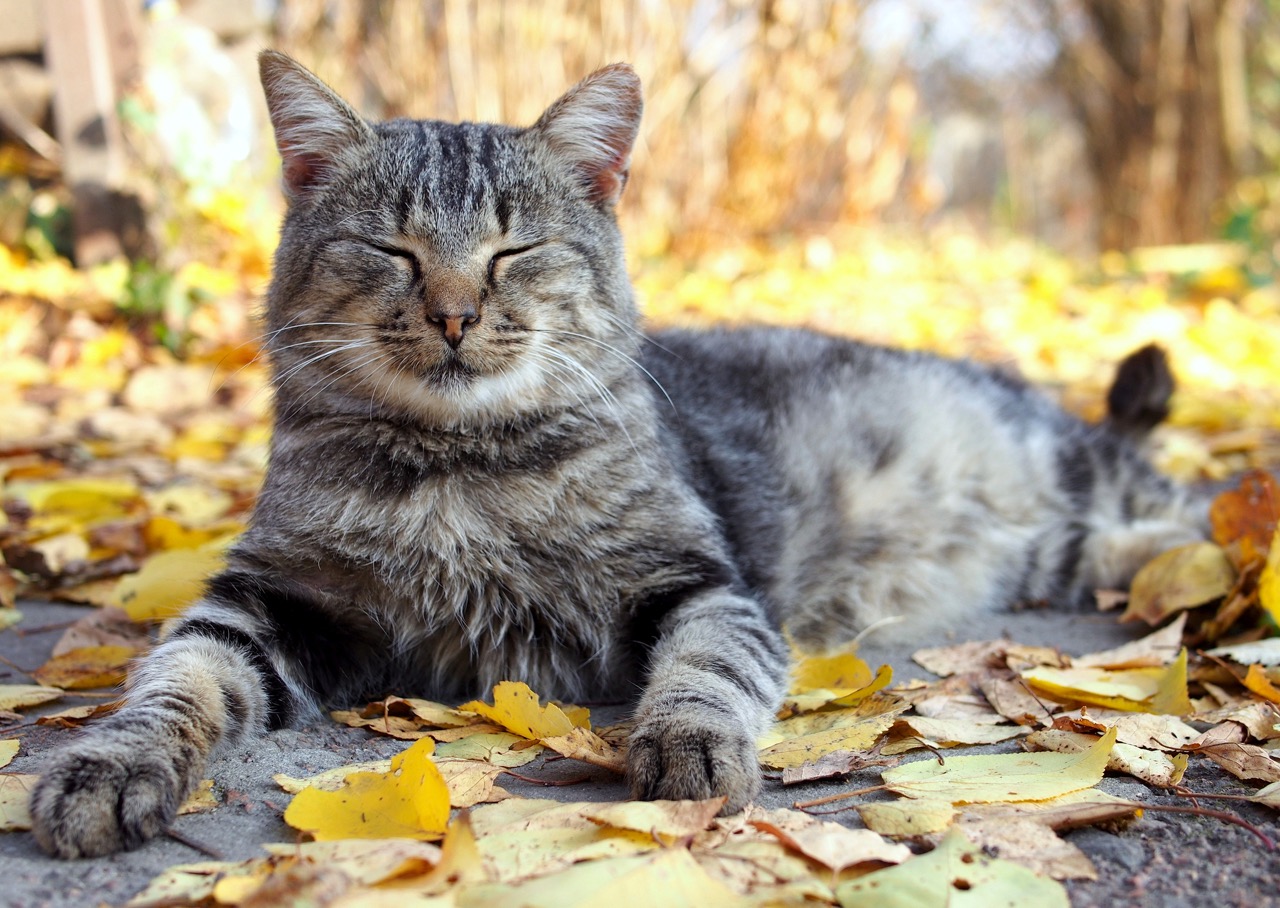
You’ve chosen to imagine a cozy home where your cat finally tells you what all those meows actually mean! You might want to learn more about pet emotion translation—AI tools that help humans understand animal feelings through sound, body language, and movement. Just be ready if your cat says, “I run this household now.”
We’re starting to use smart tools and AI to understand what our pets are trying to tell us. Scientists study sounds, tail flicks, and ear movements to learn how cats express emotions. These discoveries could help us care for pets more thoughtfully and notice when they’re stressed or content. Future homes might even come with devices that translate barks, chirps, and meows into words we can understand. Just be ready if your cat says, “I run this household now.”
If our pets could clearly tell us how they feel, how might that change how we treat them?
Make your own “cat translator collar” out of cardboard, string, and markers. Label different buttons for meows like “hungry,” “playtime,” or “don’t touch me.”
With an adult, ask ChatGPT:
“If my cat could talk for one day, what would they say to me?”
Then write or draw the funniest or sweetest thing your pet might reveal.

.png)
.png)