
You’ve chosen to imagine a future where you wear high-tech glasses that let you see like a hawk—spotting tiny details far, far away! You might want to learn more about nature-inspired wearables—technology designed by studying how animals sense the world. Just remember to wave when a curious squirrel mistakes you for another bird!
We’re learning from animals to build new tools that help us explore nature in new ways. Scientists call this biomimicry—studying how living things work and using those ideas to invent better designs. Some new wearables are inspired by animal eyes or ears so we can observe wildlife without scaring them. These ideas help us protect nature while discovering more about it. Just remember to wave when a curious squirrel mistakes you for another bird!
If we could see like animals, how might it change the way we care for them?
Make your own “hawk glasses” using cardboard tubes, clear plastic wrap, and markers. Tape two short tubes together like binoculars, color your lenses, and imagine what the world looks like through different animal eyes. Try switching colors to see how a hawk, cat, or bug might see!
With an adult, ask ChatGPT:
“What would it look like if humans could see like a hawk or dragonfly?”
Then draw or digitally illustrate what you imagine—don’t forget to design your own futuristic glasses!
You’ve chosen to imagine a world where your nose gets a serious upgrade—with a device that lets you smell things from miles away! You might want to learn more about sensory enhancement technology—tools that help humans use or expand senses we already have. Bonus: you'll be able to sniff out a donut shop from a mile away!
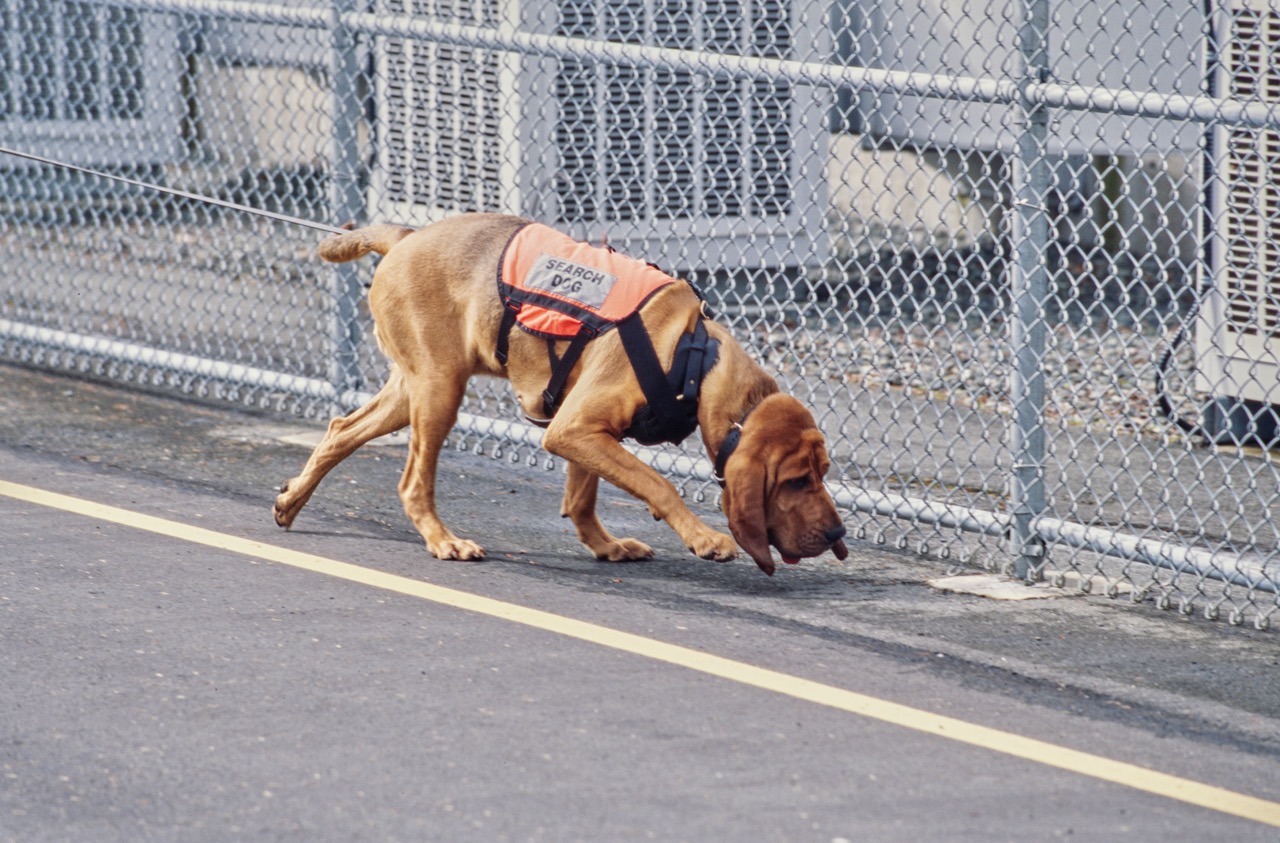
We’re learning that smell is a powerful sense—used by animals to find food, friends, or danger. Scientists are making smart sensors that can “smell” chemicals in the air, detect pollution, or even diagnose illness. These new tools help us appreciate how other creatures experience the world in different ways. Maybe one day, we’ll design noses as helpful as a bloodhound’s! Bonus: you'll be able to sniff out a donut shop from a mile away!
If humans could smell as well as dogs, how might that change the way we explore the world?
Create your own “super sniffer” headset using paper cups, string, and cotton balls. Soak each cotton ball with a safe household scent like vanilla, lemon, or mint, and hide them around the room to “track” by smell—just like a scent detective!
With an adult, ask ChatGPT:
“What kind of futuristic invention could help humans smell like animals?”
Then sketch or describe your version of a wearable “super snout” that helps people learn from nature.




.png)
.png)