
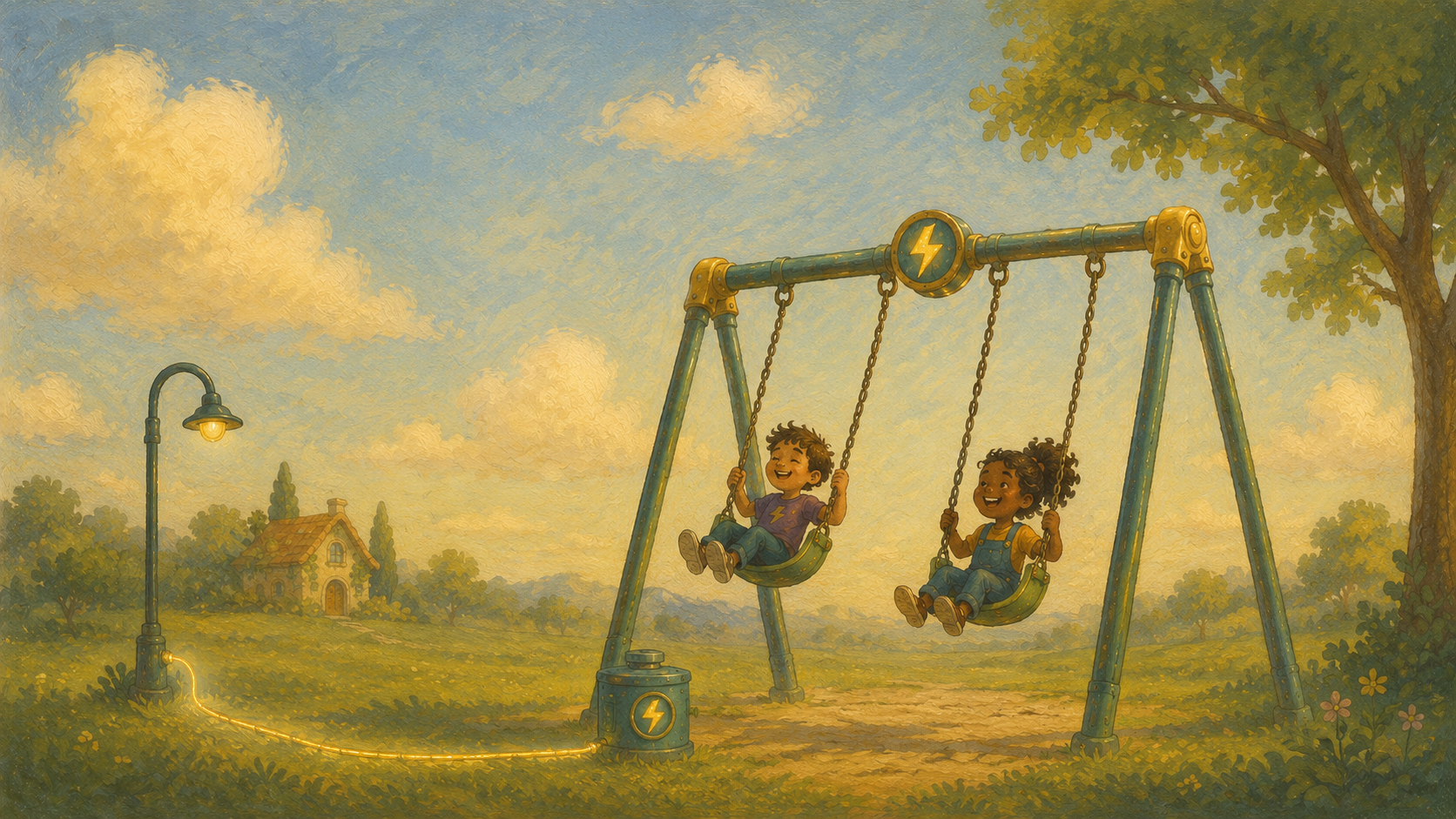
You’ve chosen to imagine a playground where every swing helps make a little electricity. You might want to learn more about kinetic energy capture, which turns movement into usable power. Just remember—you can power a light, but probably not the whole neighborhood before recess ends!
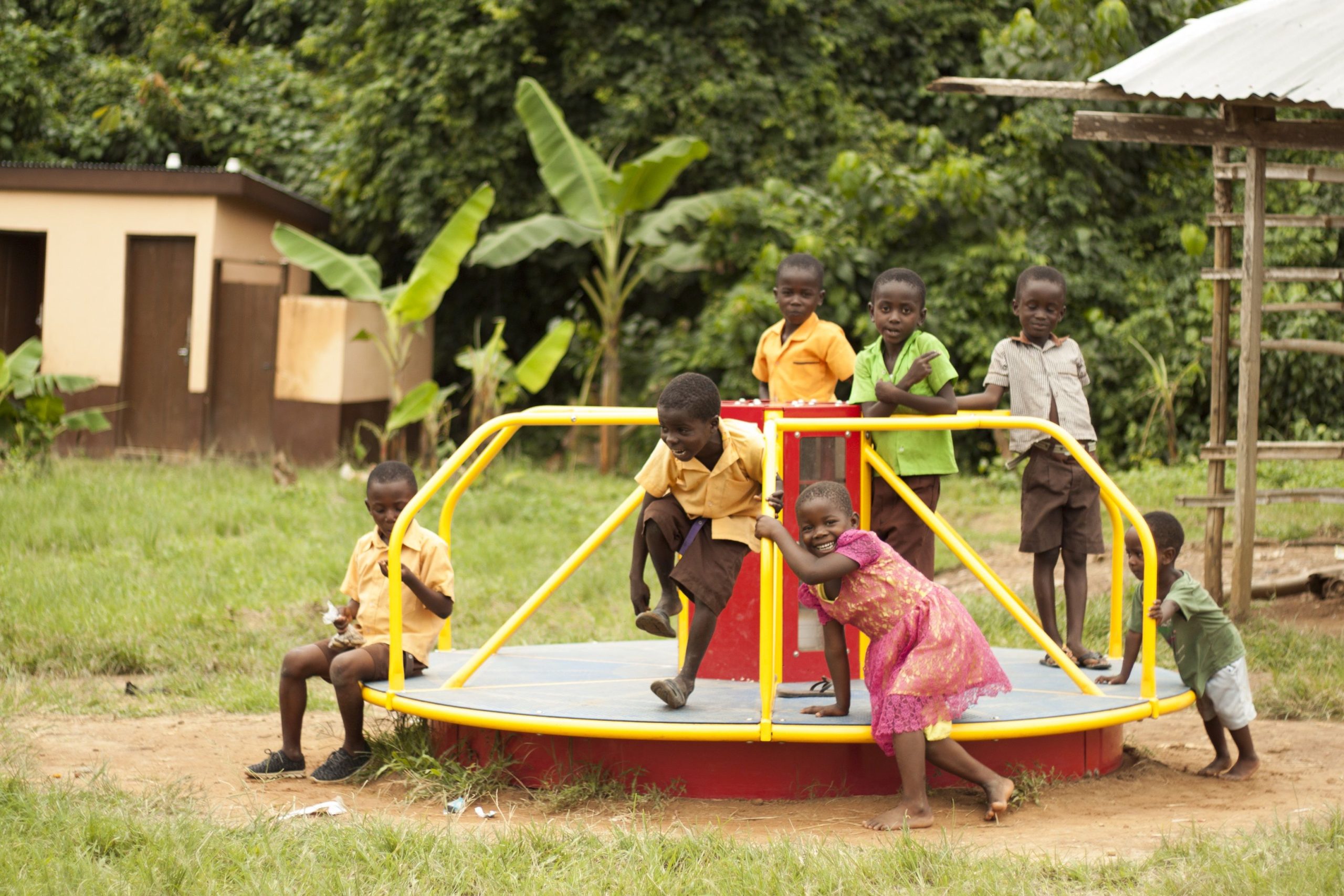
Human movement can make small amounts of electricity when it turns a generator. This idea is called kinetic energy capture. A swing, merry-go-round, or other moving device can spin or move parts inside the generator, which produces electricity that can be stored in a battery or used for a small job, such as charging a lantern or lighting a sign. These systems usually make far less electricity than a power plant, but they can demonstrate how energy changes from one form to another, and could help us rethink where some of our energy comes from. Just remember—you can power a light, but probably not the whole neighborhood before recess ends!
If playgrounds made electricity, how should we decide where that small amount of power goes?
Make your own play-powered invention using cardboard, string, a paper cup, tape, and craft materials. Build a moving playground feature, such as a swing or spinner, then add a pretend generator and show where its power travels. Decide what your tiny supply of electricity should power—a light, sign, fountain, or something completely new.
With an adult, ask ChatGPT:
“Invent five playground machines that turn kids’ movement into small amounts of useful energy.”
Choose your favorite, then draw or build your own version. Think about who uses it, what kind of movement creates power, and what your invention does with that power.
You’ve chosen to imagine swings that react to you by telling jokes and stories as you move. You might want to learn more about interactive places, where sensors and computers let spaces respond to the people using them. Just remember: if your swing tells the same joke 47 times, you’re allowed to request new material!
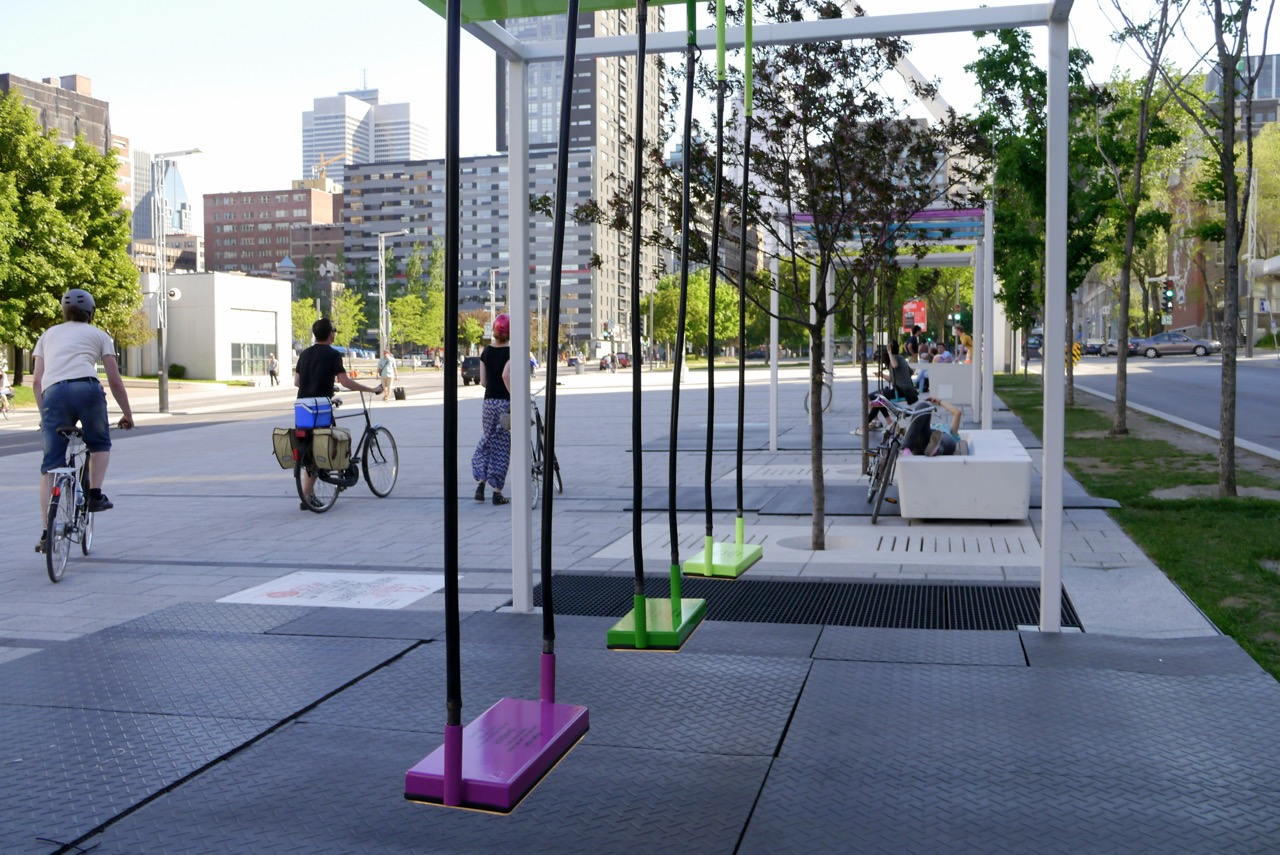
We usually expect a playground to stay the same while we play. Interactive places can respond to what we do. Sensors can notice movement, touch, or where we are standing. Computers can then make something happen, like playing sounds or changing lights. Real designers already build swings and seesaws that respond to people’s movement. Our future playground might respond with jokes, stories, games, or surprises. We also have to decide when technology makes a place more fun. Just remember: if your swing tells the same joke 47 times, you’re allowed to request new material!
If a playground can react to us, what should it notice, and what should stay private?
Design a joke-telling swing using cardboard, string, paper, and other craft materials. Build a small swing and add a pretend sensor showing where it notices movement. Then make several joke cards and invent a rule for when the swing tells each one. Maybe a bigger swing gets a sillier joke!
With an adult, ask ChatGPT:
“Invent five funny ways a future playground could respond when kids play on it.”
Pick one response and design the playground around it. You can draw it, build a model, or invent different reactions for different kinds of movement.


.png)
.png)