
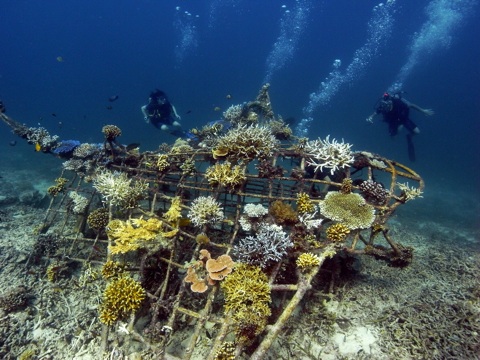
You’ve chosen to imagine a future where a damaged coral reef regrows almost overnight. You might want to learn more about electric reef restoration, including a method called Biorock, which uses gentle electricity to help minerals form around underwater structures where corals can grow. Just don’t turn the electricity up too high and shock the whole ocean!
We’re discovering electric reef restoration, including a method called Biorock. It sends a small electric current through metal structures underwater. Minerals in seawater slowly collect around the metal and form a hard coating, where corals can attach and continue growing. Scientists are testing when this method can best help damaged reefs, but we should still pay attention to warming oceans, pollution, and other causes of reef loss. And make sure you don’t turn the electricity up too high and shock the whole ocean!
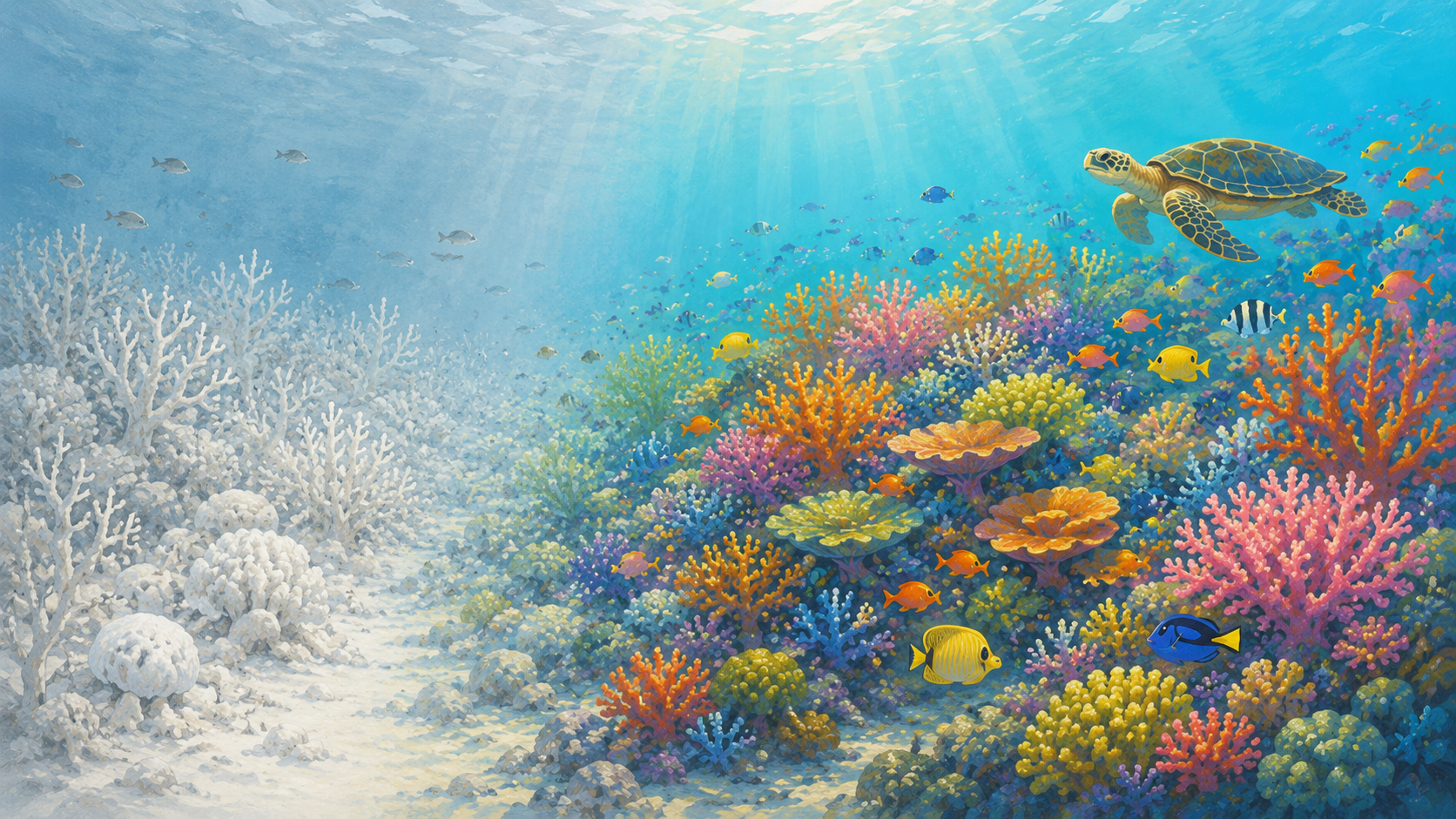
What might an ocean look like 20 years from now if people restore many reefs—or if they do not?
You can design your own reef-restoration structure using cardboard, pipe cleaners, string, foil, and recycled materials. Build a shape with hiding spaces for tiny fish and places where pretend coral could attach. Then redesign one part to help even more kinds of reef creatures.
With an adult, ask ChatGPT:
“Design three strange underwater structures that could help a damaged coral reef recover.”
Choose the most interesting idea, then change it into your own design. Draw it, build a model, and decide which creatures might live on, under, or inside it.
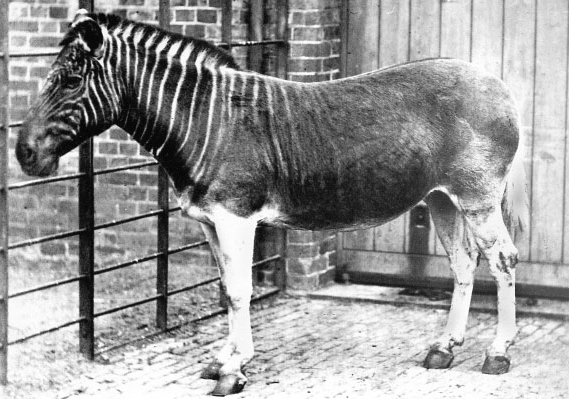
You’ve chosen to imagine a future where extinct animals can walk the Earth again. You might want to learn more about de-extinction, where scientists use tools like cloning, selective breeding, and gene editing to create animals that resemble extinct species. Just please don’t de-extinct the T-Rex…we’ve seen how that story ends!
We’re learning more about de-extinction, or attempts to recreate parts of extinct species. Scientists can study DNA left inside old bones, skins, or other remains. They may then use living relatives to recreate some lost traits. The new animal may be a close stand-in, not an exact copy. Researchers also ask where these animals would live and how they might affect today’s ecosystems. Just please don’t de-extinct the T-Rex…we’ve seen how that story ends!
If scientists can bring back an extinct animal, does that mean they should? What should they think about before deciding?
You can design a home for a returned extinct animal using cardboard, paper, clay, sticks, and recycled materials. Pick an extinct animal and build a habitat with food, water, shelter, and enough space. Then add something showing how your animal would share its world with species living there today.
With an adult, ask ChatGPT:
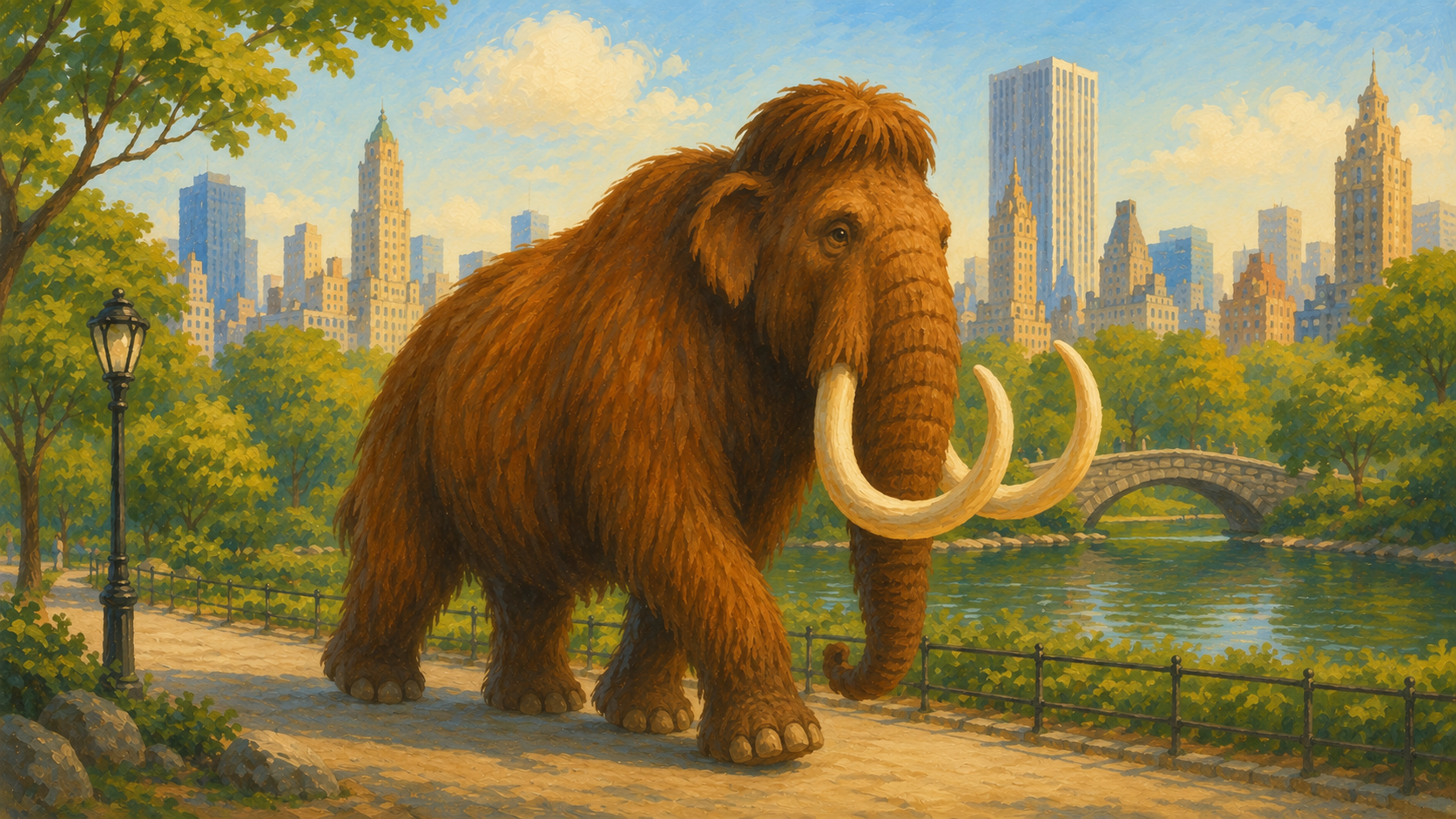
“Imagine three possible futures if woolly mammoths lived on Earth again.”
Compare the futures it gives you. Choose one, change anything you disagree with, and draw a scene showing how mammoths, people, plants, and other animals might all fit into that world.


.png)
.png)