

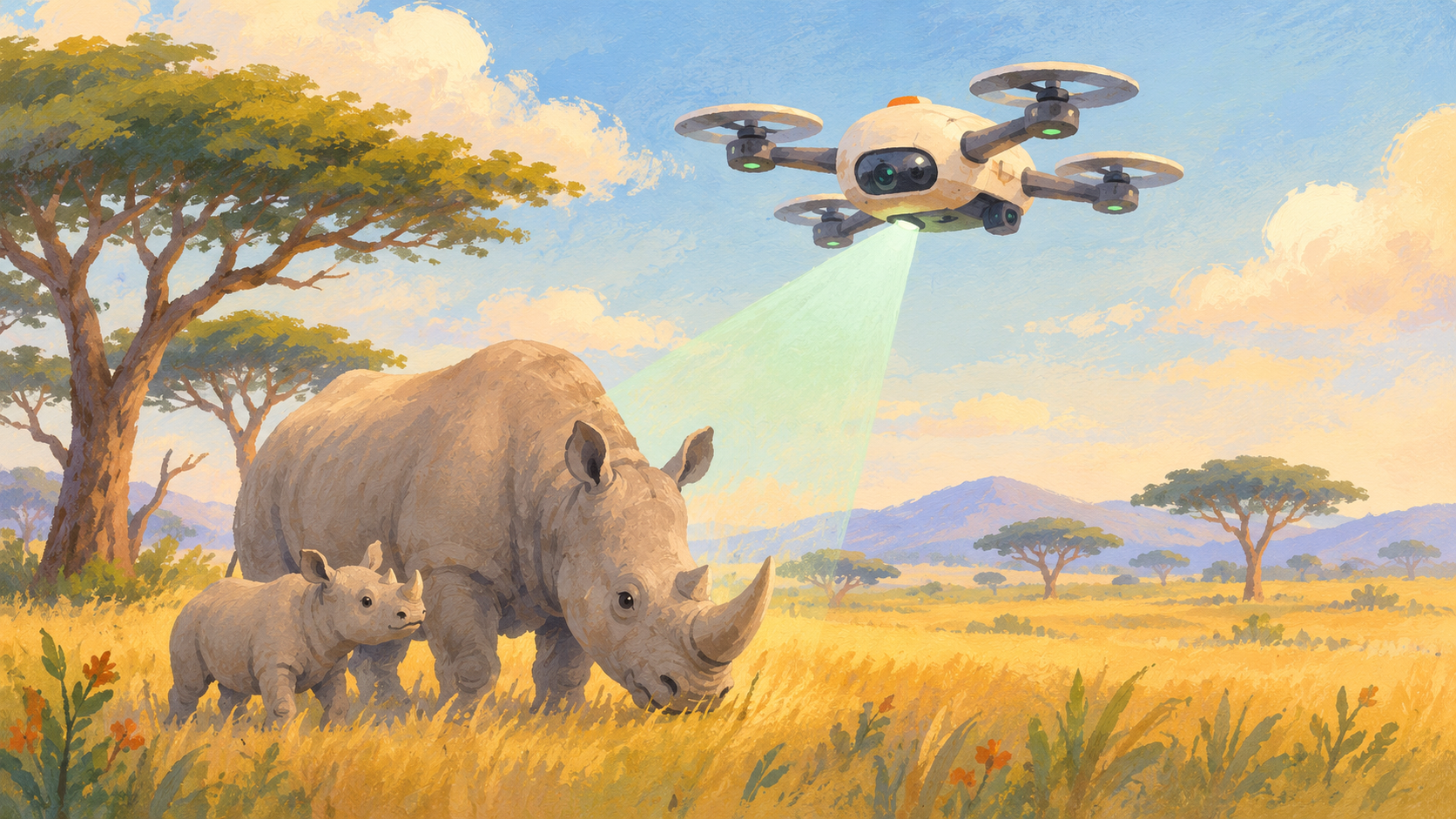
You’ve chosen to imagine a quiet drone watching over endangered animals like rhinos without scaring them. You might want to learn more about ultra-quiet propulsion, which helps flying machines make much less noise. Just don’t get startled when the drone appears out of nowhere to rescue you!
We’re exploring ultra-quiet propulsion, which helps flying machines make less noise. Propellers and motors can produce sounds that disturb animals, so engineers are designing quieter motors and fans to soften that sound. Scientists also test how different animals react when drones fly overhead. Quieter drones could watch wildlife while interfering less with their lives. Just don’t get startled when the drone appears out of nowhere to rescue you!
What would you change about a wildlife drone to make animals feel safer around it?
Build your own quiet wildlife drone from cardboard, paper, bottle caps, and tape. Add pretend cameras or sensors, then redesign the propellers to make them look quieter. Place paper animals nearby and decide how high your drone should fly so it can observe them without getting too close.
With an adult, ask ChatGPT:
“Design a super-quiet drone that watches endangered animals without disturbing them.”
Choose the features you like, change anything you do not, then draw or build your own version. Decide what your drone should notice—and what it should leave alone.
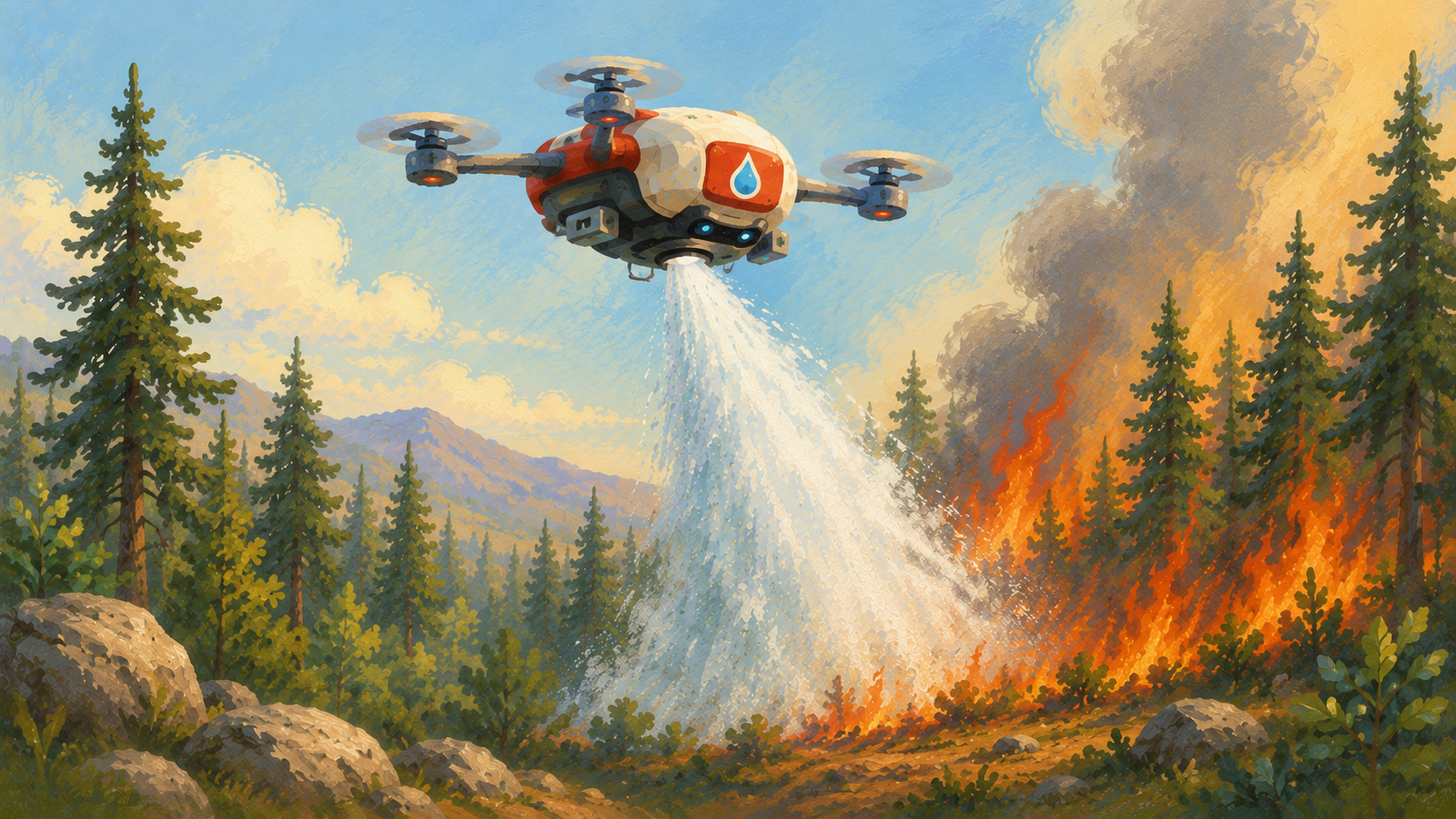
You’ve chosen to imagine drones racing toward a forest fire and helping stop it before it grows. You might want to learn more about first-responder drones, flying robots designed to help during emergencies. Do robot firefighters wear those red hats, too?
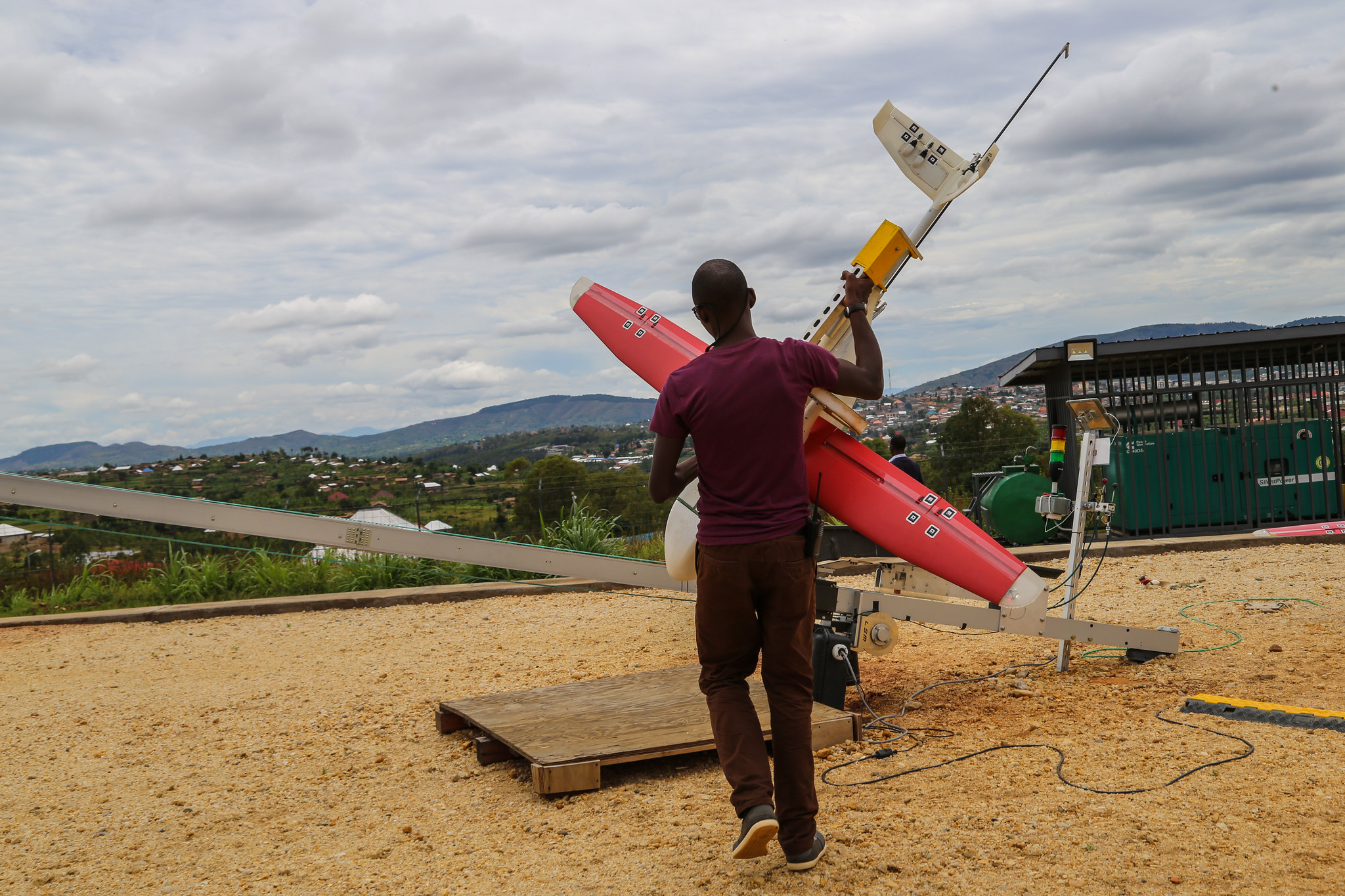
We’re exploring first-responder drones, flying robots built to help during emergencies. Small drones already help map fires, locate hot spots, search for people, and show responders where danger is spreading. Larger experimental aircraft can carry water or other equipment, entering areas too dangerous for humans. But human teams remain responsible for coordinating operations and making safety decisions. Future teams may combine people, drones, helicopters, and ground crews together. Wait…do robot firefighters wear those red hats, too?
What might change if firefighting drones could reach a new fire within minutes?
Build a firefighting drone from cardboard, cups, string, paper, and tape. Add a pretend water tank, camera, and hose or bucket. Then make a paper forest with one small “fire” marked in orange and test where your drone should release its water without soaking everything nearby.
With an adult, ask ChatGPT:
“Design a firefighting drone that can find a tiny forest fire and safely stop it before it spreads.”
Look at the ideas, then redesign the drone your way. Draw where it stores water, how it finds smoke, and how it works with human firefighters.


.png)
.png)