
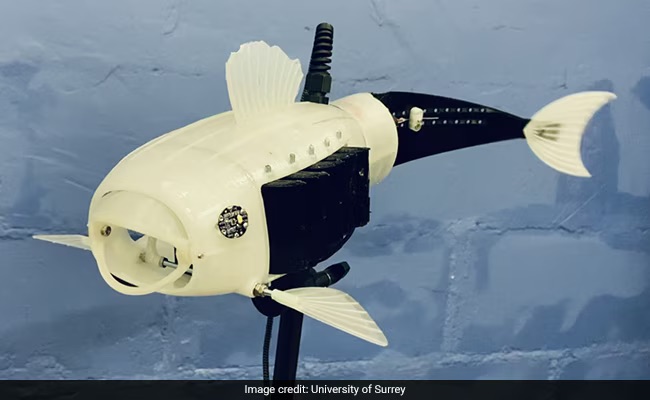
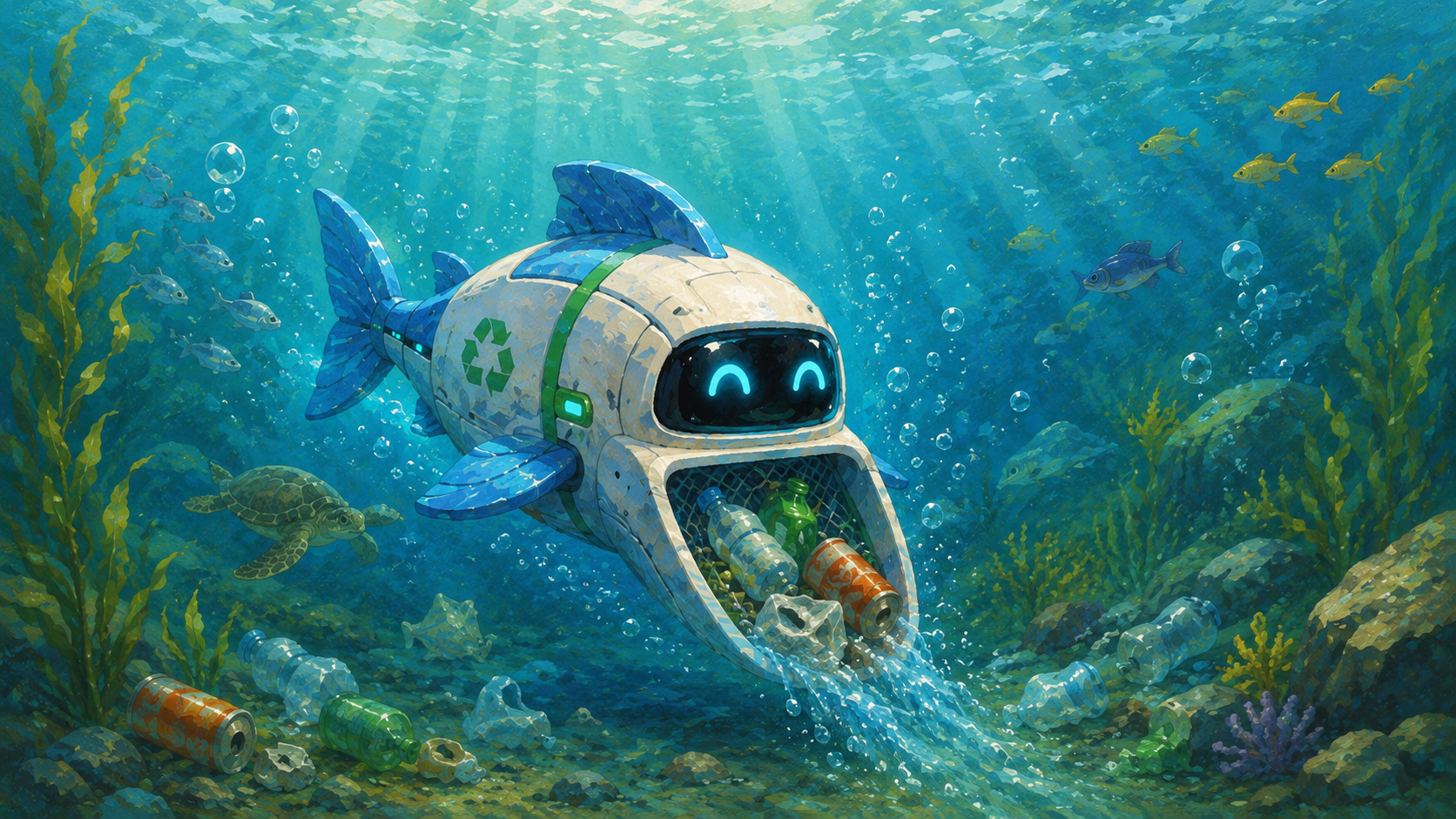
You’ve chosen to imagine robot fish swimming through waterways and cleaning up pollution. You might want to learn more about cleanup robots, or machines designed to help restore polluted environments. As long as the robot doesn’t accidentally eat your pet goldfish!
We’re exploring cleanup robots, machines that help remove pollution and waste. Some swim through water, while others roll across beaches or enter dangerous places. They can collect trash, clean spills, or handle harmful materials. Robots can reach places that are difficult or unsafe for us, but they still work best when we stop pollution before it starts. After all, even robots don’t want to spend forever picking up our trash!
If robots can clean our pollution, should people become less careful about making it?
Build your own pollution-cleaning robot fish using cardboard, recycled containers, bottle caps, and craft materials. Decide what kind of pollution it finds, then invent a mouth, net, filter, sensor, or completely different tool for dealing with it. Show how your robot moves without bothering the plants and animals around it.
With an adult, ask ChatGPT:
“Invent three very different robot fish that could help clean a polluted river.”
Choose the idea you like best, change at least one feature, then draw or build your own version. Think about what it cleans, how it moves, and what happens to the pollution it collects.
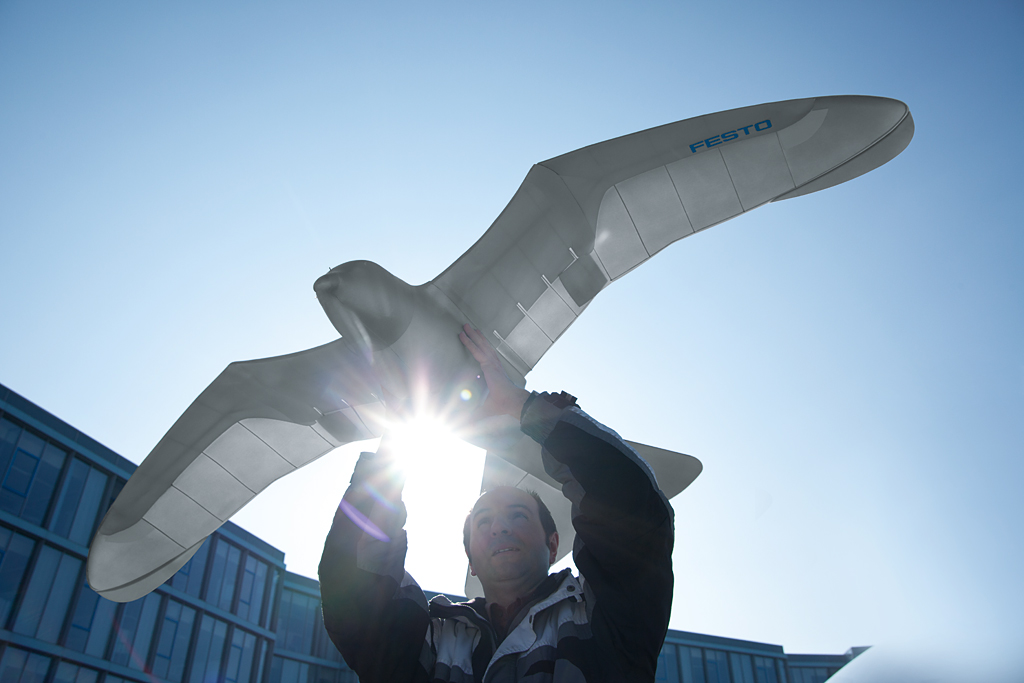
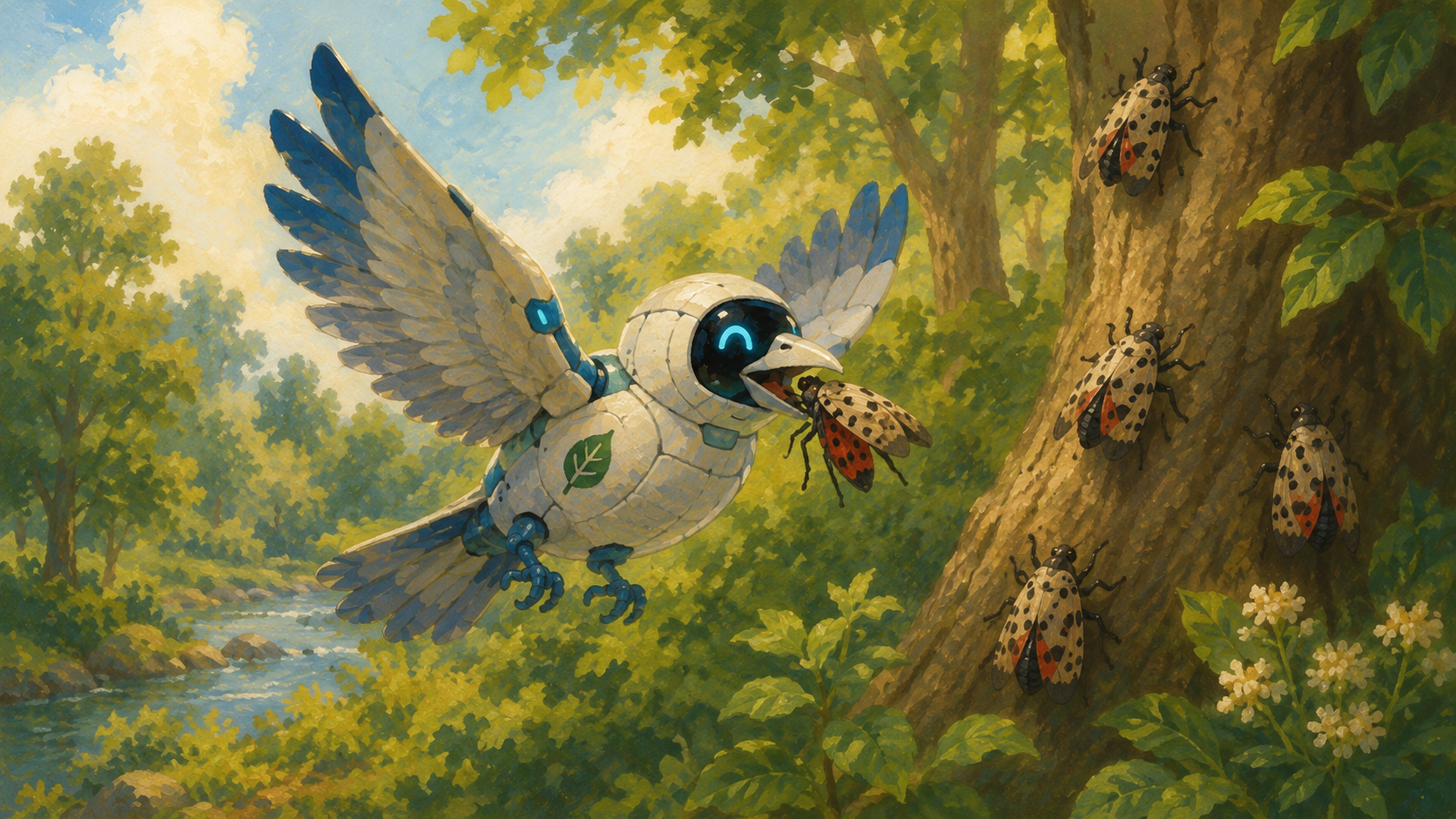
You’ve chosen to imagine robot birds hunting invasive bugs before they spread. You might want to learn more about bird-like robots, or ornithopters, which fly using flapping wings. Just make sure your robo-bird checks twice before gobbling somebody’s pet beetle!
This scenario explores bird-like robots, or flying robots with flapping wings called ornithopters. Engineers study real birds to make these robots lighter and more agile. One day, they might help us manage, or maybe even eradicate, harmful invasive species. Eradication means completely removing an invasive species from a defined area, and deciding whether to attempt it requires ecological evidence and community oversight. Plus, robots would need to recognize their targets very carefully. So just make sure your robo-bird checks twice before gobbling somebody’s pet beetle!
Who should decide when an invasive species should be completely removed from a place?
Design a bug-finding robot bird using cardboard, paper, craft sticks, string, and recycled materials. Give it moving wings and invent a tool for identifying the correct bugs before catching them. You might add a camera eye, bug scanner, gentle grabber, or a completely new idea.
With an adult, ask ChatGPT:
“Design a robot bird that finds one invasive insect without bothering other bugs.”
Look at the solution and decide what you would keep or change. Then draw your own robot and show how it can tell its target apart from helpful insects.

.png)
.png)