

You’ve chosen to imagine a library with secret rooms that make your book’s setting feel real. You might want to learn more about experiential design, where stores and other spaces create places to explore, play, and discover. But if your book has dragons, maybe skip the fire-breathing section!
Experiential design makes visiting a building part of the fun. We might play, explore, create, or relax while we are there. Some stores already give us experiences alongside the things they sell. Bookstores can use special spaces to make reading feel like an adventure. Our future library could take that idea even further. But if your book has dragons, maybe skip the fire-breathing section!
If stores or libraries become places for adventures, how do we make sure they remain accessible for everyone?
Turn a shoebox into a tiny bookstore where visiting is an adventure. Use cardboard, paper, fabric, tape, and recycled materials to add one special experience, such as a secret room, building station, or story tunnel. Think about what visitors can do there instead of only what they can buy.
With an adult, ask ChatGPT:
“Invent a bookstore where every section has a different experience.”
Choose one of the ideas and redesign it your way. You can draw a floor plan, make a model, or invent an entirely different experience for visitors.
You’ve chosen to imagine a cozy chair pod that can read your book aloud while you relax. You might want to learn more about smart furniture, which builds useful technology right into everyday objects. Your chair can read the story, but you still get to pick the book!
We use furniture every day for sitting, sleeping, working, and playing. Now, designers can build technology right into the furniture around us–in the form of smart furniture. A chair might play an audiobook through speakers hidden inside its body. Our future furniture could respond to what we need while staying comfortable. We should still decide when these smart features turn on or off. Your chair can read the story, but you still get to pick the book!
If furniture could listen and respond to us, what should it be allowed to know?
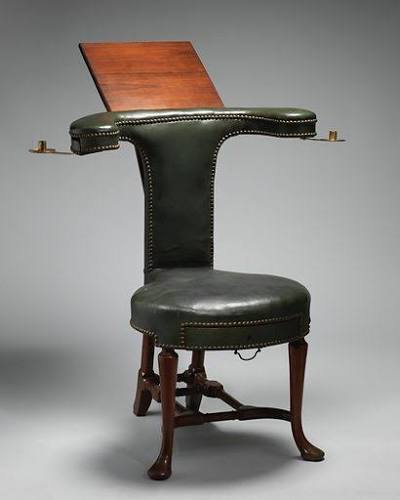
Use a small box, cardboard, fabric scraps, cotton, and tape to design your own reading chair pod. Add pretend speakers, buttons, pockets, or adjustable parts. Decide which features would make reading more comfortable and which ones you would control yourself.
With an adult, ask ChatGPT:
“Invent a cozy reading chair with three helpful features for future readers.”
Then choose the features you like, change the ones you don’t, and draw or build your own version.





.png)
.png)