
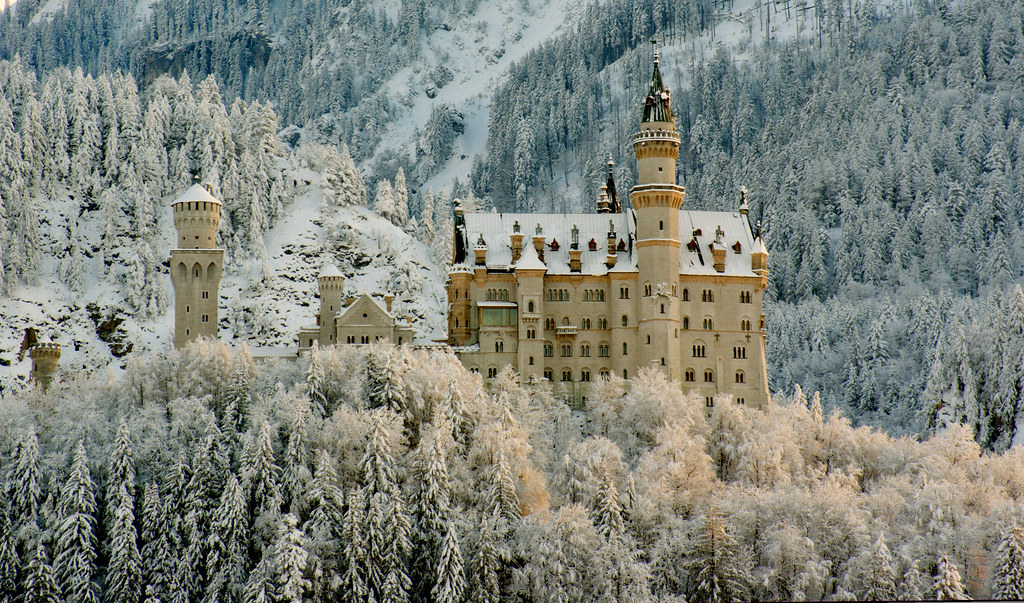
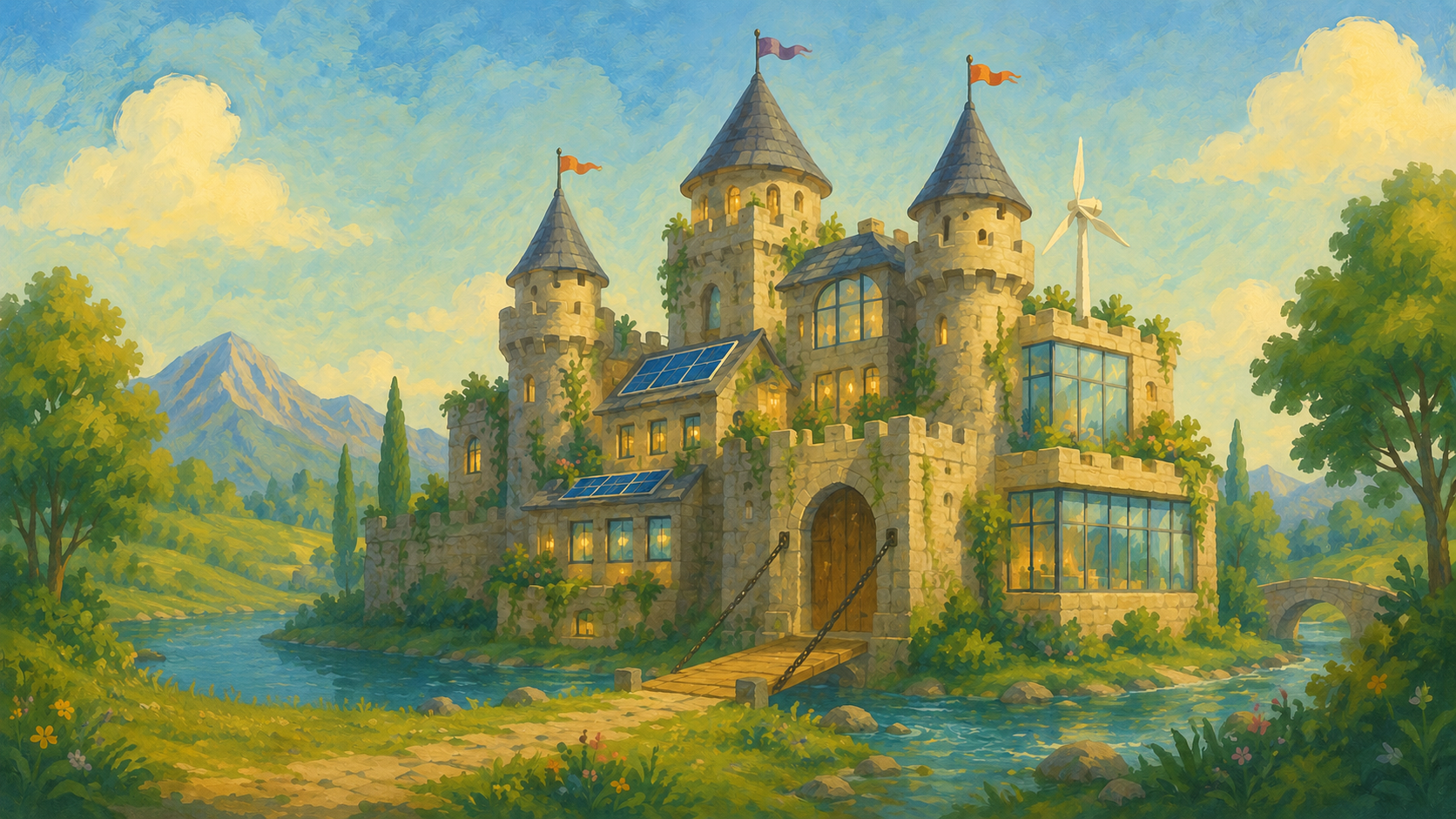
You’ve chosen to imagine living in a medieval-style castle filled with modern comforts. You might want to learn more about historical revival, where designers bring styles from the past into new buildings. Just make sure your robot vacuum knows how to cross the drawbridge!
We can borrow ideas from old buildings when we design new ones. This is called historical revival. We might reuse towers, arches, or other shapes from the past. We can combine these ideas with technology that fits our lives today. This lets us decide which old ideas are worth carrying forward. Just make sure your robot vacuum knows how to cross the drawbridge!
If you designed a new building inspired by the past, what would you keep and what would you change?
Design your own modern castle using cardboard, paper tubes, boxes, and recycled materials. Give it at least two features inspired by old castles and two features made for life today. Maybe your drawbridge leads to a solar-powered kitchen or your tower hides an elevator!
With an adult, ask ChatGPT:
“Design a medieval-style castle with three useful features for families in the future.”
Then choose the ideas you like best. Draw your castle or build your own version from craft materials.
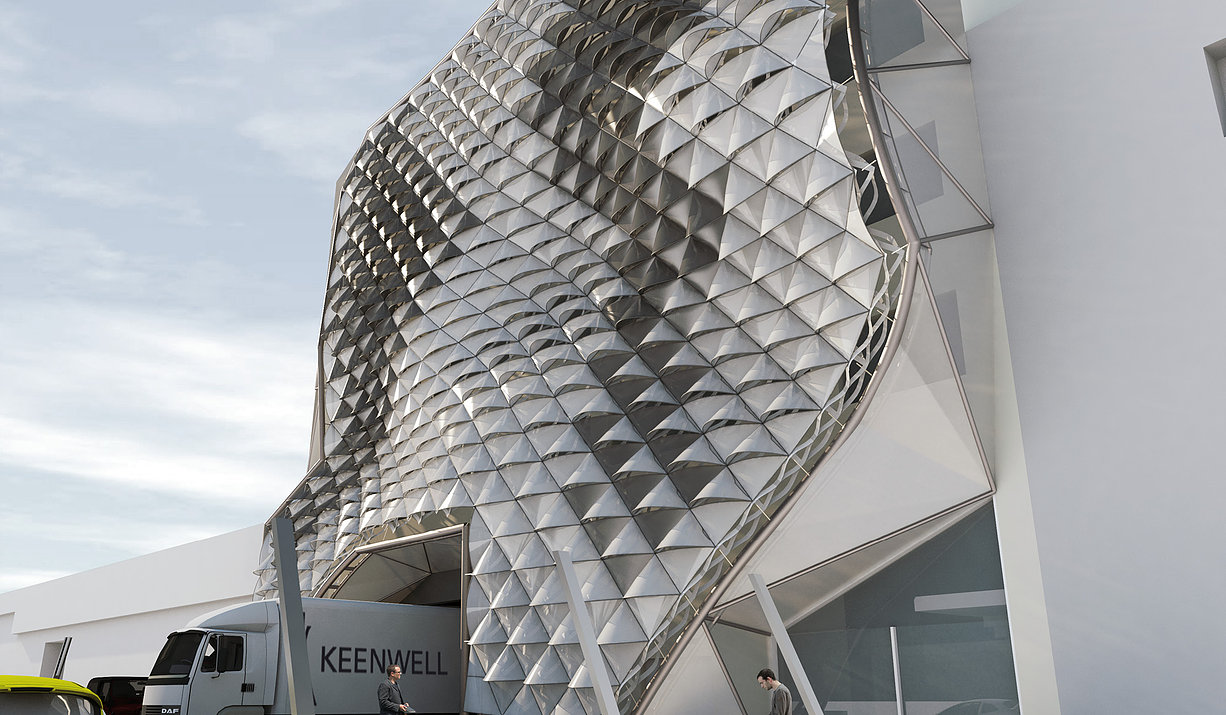
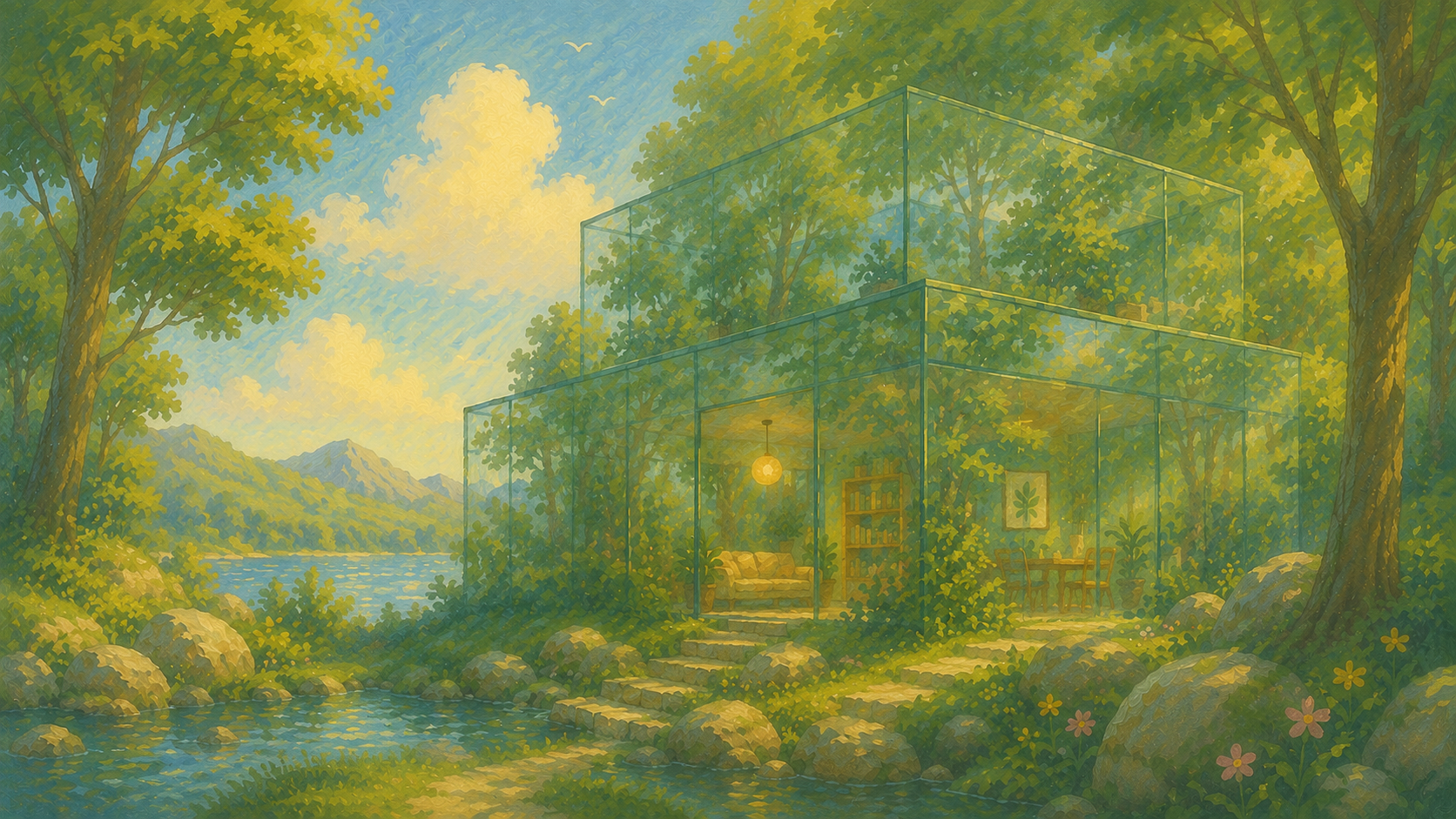
You’ve chosen to imagine a glass house that changes its appearance to blend with its surroundings. Researchers are studying electroactive polymers—materials that can bend or change shape when electricity is applied—and other smart materials that can alter a building’s shade, ventilation, or window tint. Just remember where you parked your house before it disappears into the trees!
We are exploring materials that can help buildings change with their surroundings. Some electroactive polymers move or bend when we give them electricity. Researchers are testing them in building surfaces that open, close, or change shape. Other smart materials can change how much sunlight passes through our windows. Future buildings could respond to weather instead of always staying the same. Just remember where you parked your house before it disappears into the trees!
If houses could change shape or material, how could we design them to work alongside nature?
Design a camouflage house using a small cardboard box, paper, and clear plastic from recycled packaging. Place it against a nature photo or near plants. Add flaps, patterns, or movable panels that help different parts blend into the background, then test what works best.
With an adult, ask ChatGPT:
“Design a house with an outside surface that can change to match the nature around it.”
Then choose a forest, desert, snowy place, or another environment. Draw two versions showing how your house changes when its surroundings change.


.png)
.png)