
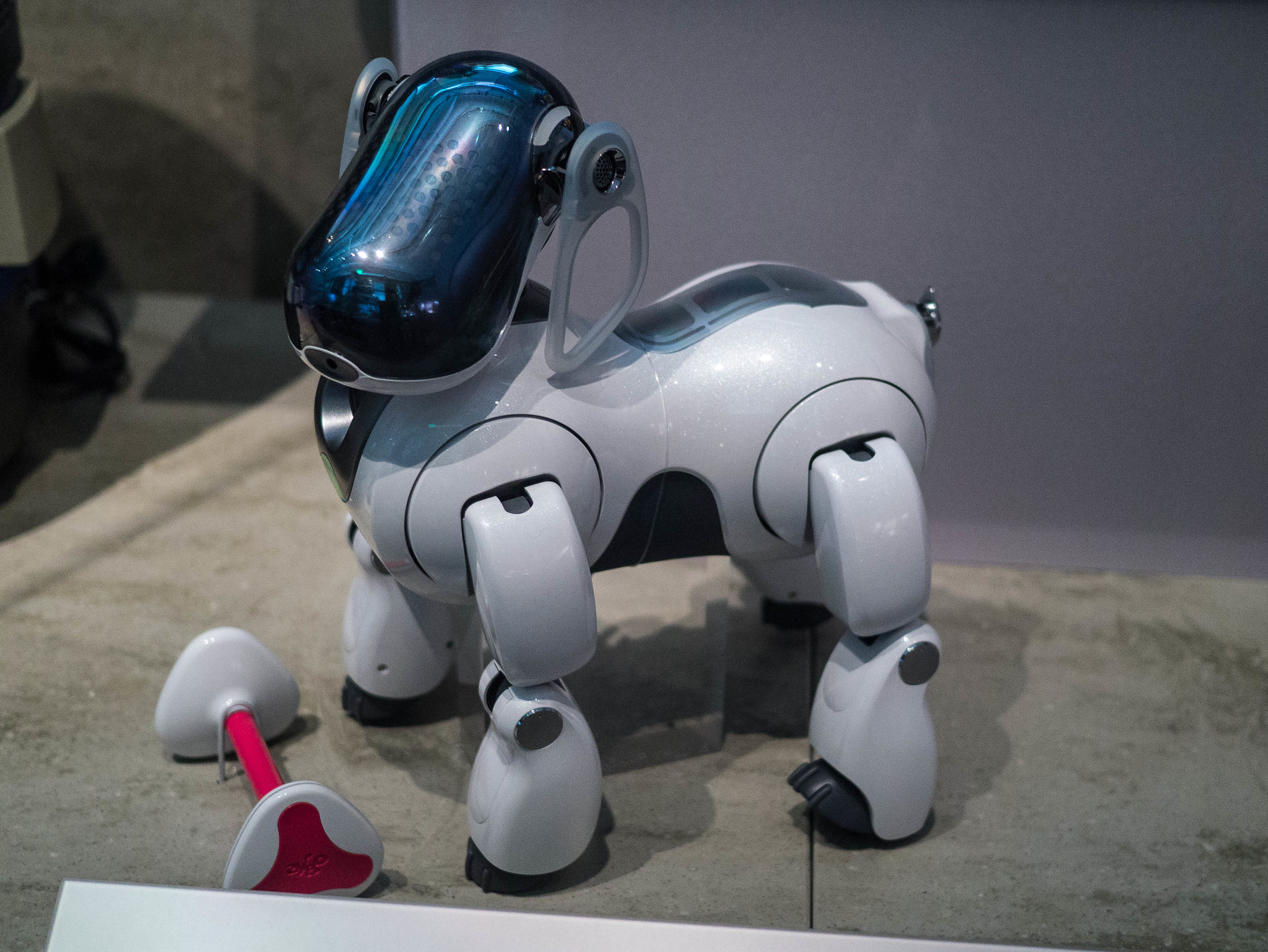
You’ve chosen to imagine a robot dog that never pees, never poops, and always comes when you call. You might want to learn more about robotic companions, machines designed to interact with us in social and playful ways. Your robot dog always comes when called, but its metal fur sure feels weird!
This scenario explores robotic companions, robots made to interact with us socially. They can respond to our voices, touches, movements, or actions. Some are built for play, while others are tested for comfort and care. Future robot dogs could become much more lifelike and helpful. But for now, even though your robot dog always comes when called, its metal fur sure feels weird!
If more families had robot dogs, how might that affect real pets and animal shelters?
Design your own robot dog using cardboard, paper tubes, bottle caps, foil, tape, and other recycled materials. Add pretend sensors showing how your dog notices voices, touches, or obstacles. Give it three special behaviors, then decide which things your robot should do automatically and which should require your permission.
With an adult, ask ChatGPT:
“Design three very different robot dogs that could be companions for a future family.”
Choose the features you like best, change anything you do not like, and combine them into your own robot dog. Then draw it or build a model showing how it moves, listens, plays, and recharges.
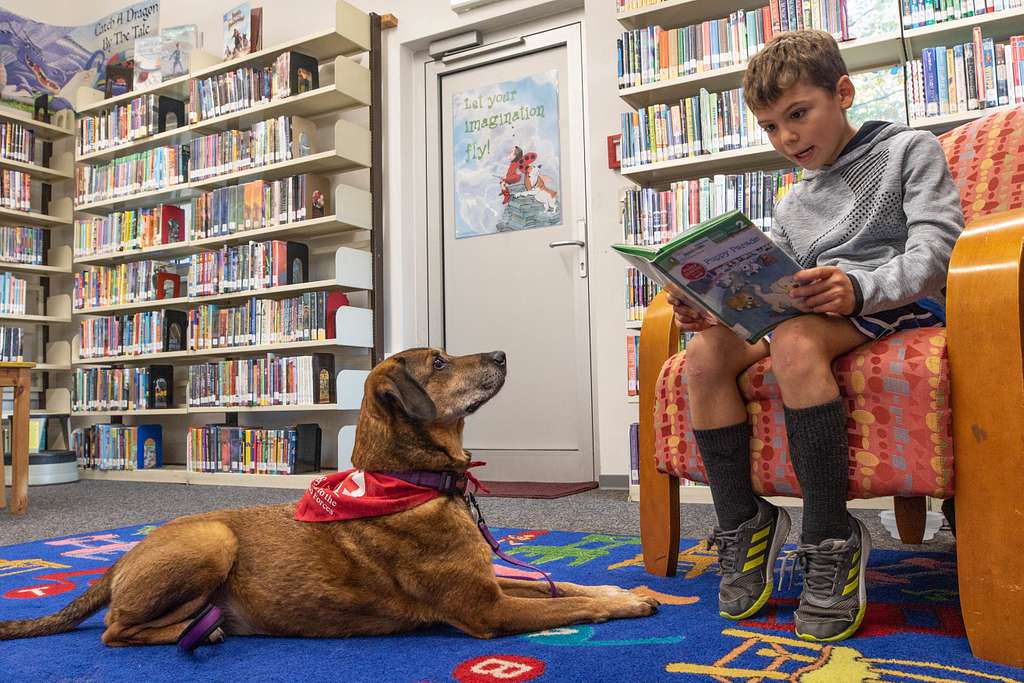
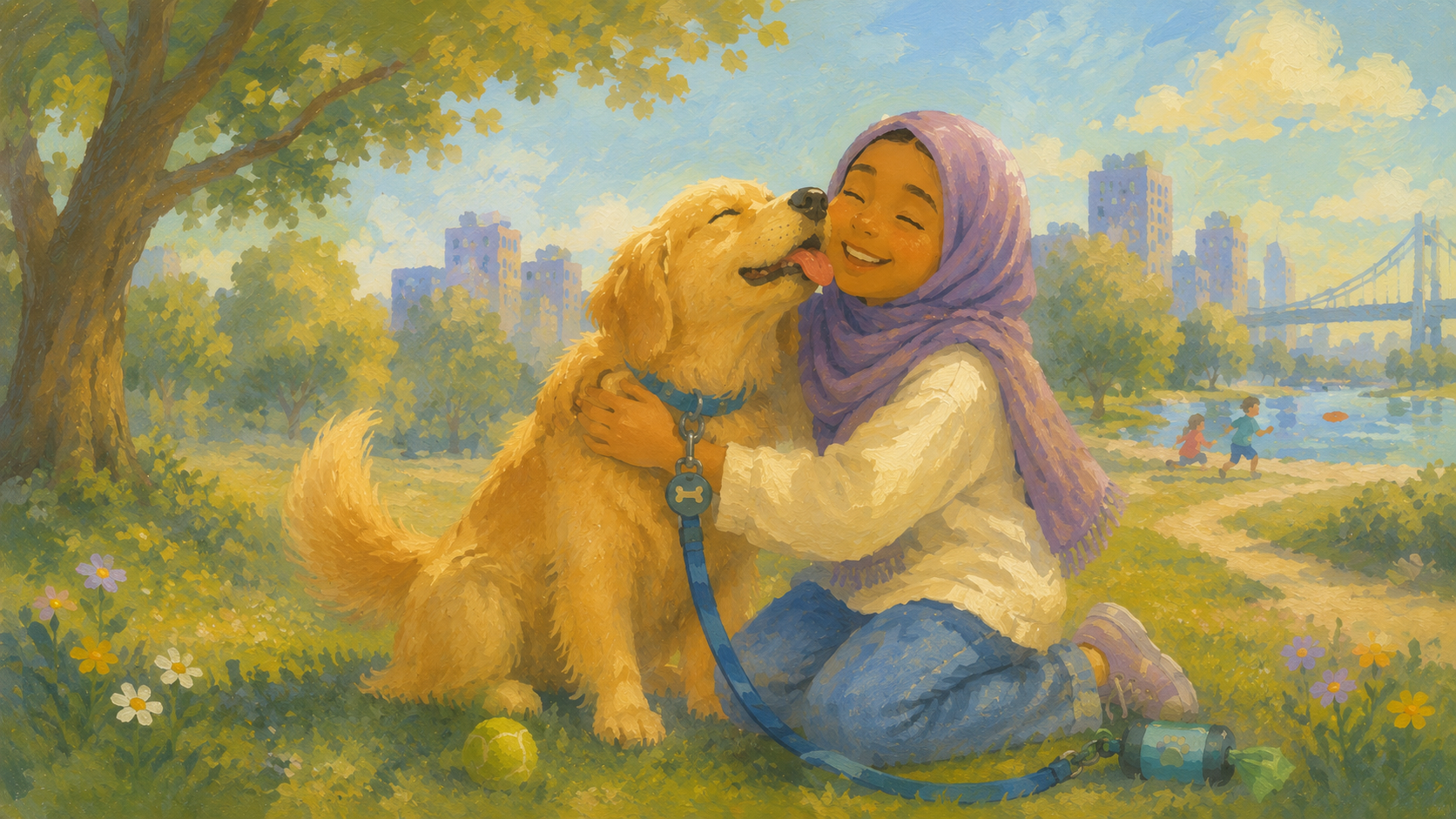
You’ve chosen to imagine a future where your best furry friend is still a real dog, complete with kisses, zoomies, and poop bags. You might want to learn more about biophilia, the idea that connecting with living things can matter to our well-being. Real dogs give real love, but they also get a vote about when cuddle time is over!
We’re exploring biophilia, or our connection with living things. Scientist Edward O. Wilson popularized the term “biophilia” to explain our attraction to other life. Researchers study how relationships with animals may affect our health and well-being, while also considering allergies, fear, culture, safety, and the animal’s welfare. A real pet needs care, patience, exercise, and respect in return. Real dogs give real love, but they also get a vote about when cuddle time is over!
A real dog has needs and choices, so how can we make sure our fun is fun for the dog too?
Design a “happy dog station” from cardboard, paper, cups, fabric scraps, and recycled materials. Add places for water, rest, play, exercise, and quiet time, then invent one new feature that helps a dog communicate what it needs. Remember that different dogs may want different things, so your design should offer choices.
With an adult, ask ChatGPT:
“Imagine a future neighborhood designed to help dogs and people live happily together.”
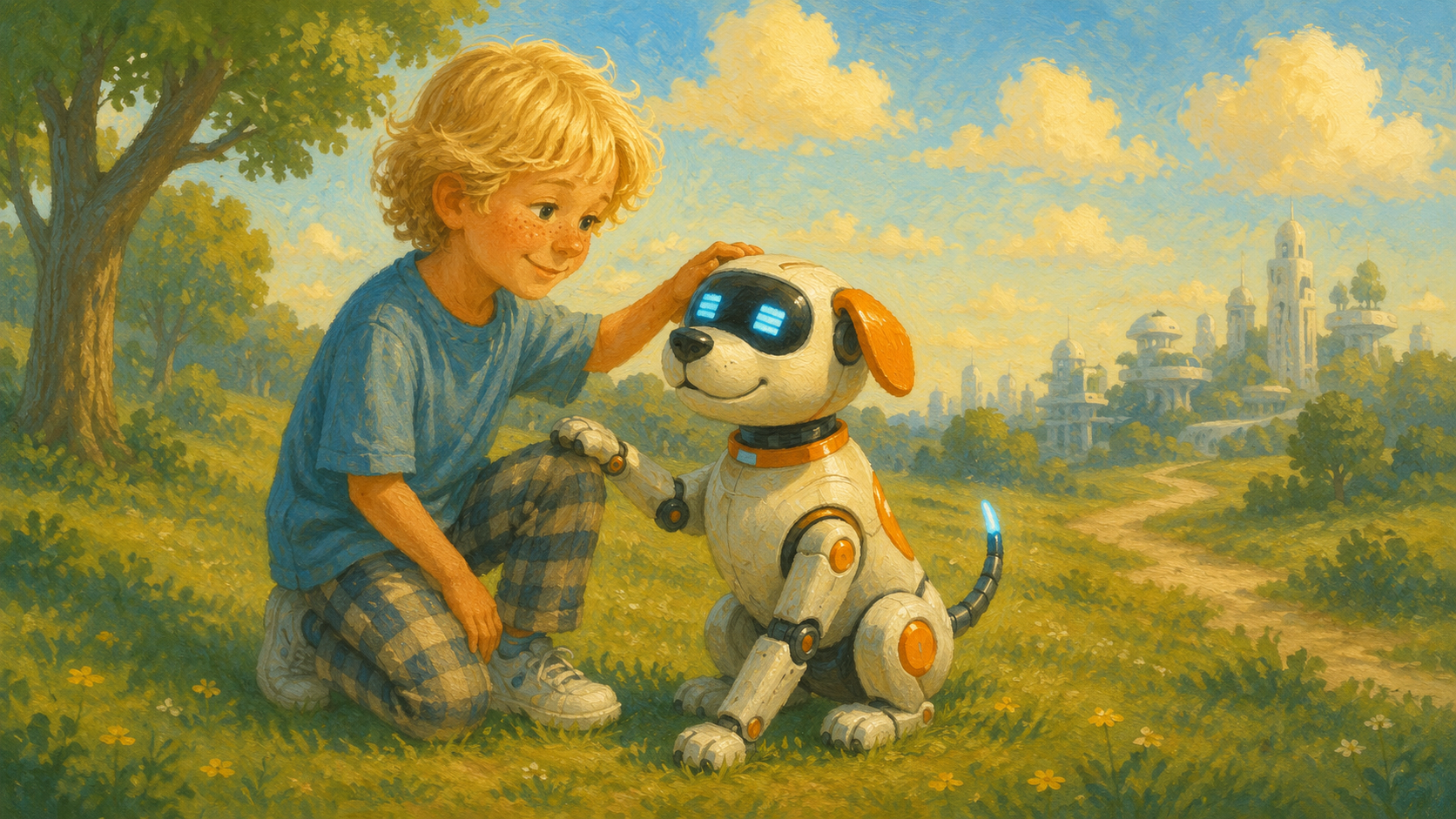
Choose the ideas you like, remove any you do not, and add your own. Then draw or build the neighborhood, showing places where dogs can play, rest, explore, and choose when they want space.

.png)
.png)