
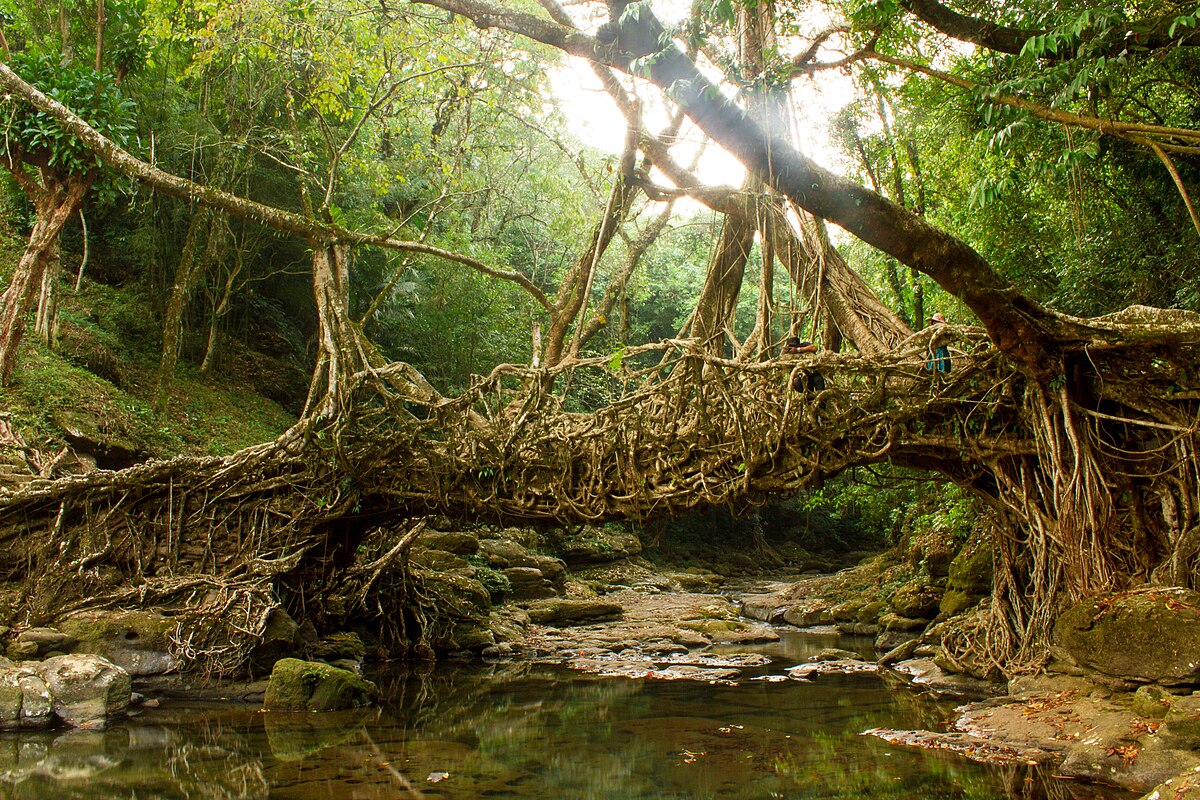
You’ve chosen to imagine a neighborhood where every home is high up in the trees! You might want to learn more about biophilic design—a way of building that helps people feel connected to nature. Just be careful not to bonk your head on a low branch during breakfast!
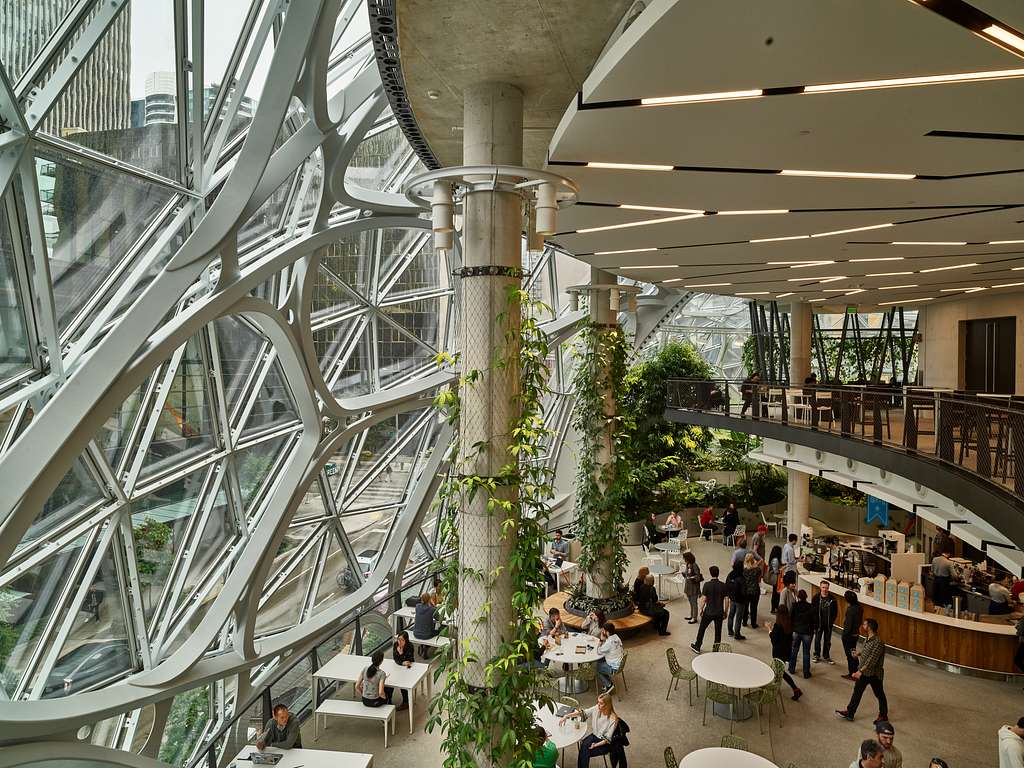
Treehouse neighborhoods show the idea of biophilic design—a way of designing buildings that bring people closer to nature. Architects use plants, wood, and sunlight to make spaces that help people feel calm, healthy, and creative. A treehouse community could help people live with nature instead of against it, while also protecting forests and animals. Just be careful not to bonk your head on a low branch during breakfast!
If humans built homes in trees, how could they make sure the animals that live there stay safe too?
Make your own mini treehouse neighborhood! Gather sticks, string, cardboard, and tape. Build small platforms between the legs of a chair or between books. Add paper leaves, rope bridges, or tiny ladders. Talk about how your design helps both people and nature.
Take a photo of a tree outside and, with an adult, upload it into ChatGPT with this prompt:
"Design a futuristic treehouse for this tree that keeps the tree healthy, gives animals a place to live, and includes one fun surprise feature."
Then, draw or build the design it describes.
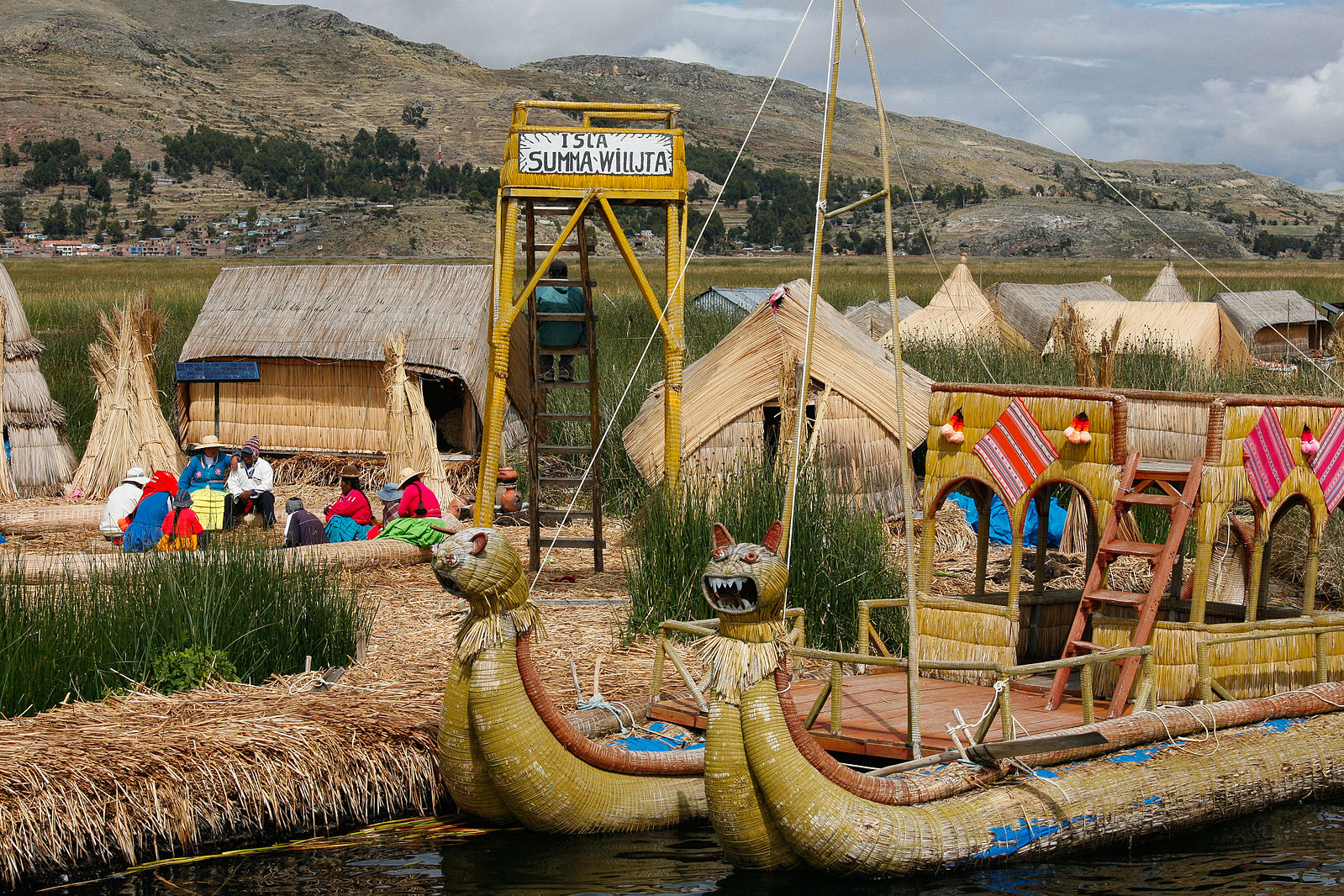
You’ve chosen to imagine a neighborhood that floats like a giant raft! You might want to learn about floating cities, which rise and fall with the waves and help people live safely near water. Just remember, no belly flops in the town square!
Floating neighborhoods show the foresight idea of climate-resilient design—ways of building that help people live safely as the planet changes. Architects are testing floating homes and cities that move with rising water instead of being damaged by it. Some designs even create their own energy from sunlight and waves, showing how humans and nature can work together to solve big challenges. Just remember, no belly flops in the town square!
If people built floating cities, what rules should they follow to protect sea life and keep the ocean clean?
Create your own floating city! Fill a large bowl or pan with water. Use corks, bottle caps, and sponges to make floating platforms. Add paper or cardboard “buildings” on top. Test how much weight each one can hold before it sinks.
With an adult, ask ChatGPT:
"Design a floating city that uses renewable energy and keeps sea animals safe. What does it look like, how does it move, and what makes it special?"
Then draw or collage the design, or use a digital art tool to bring it to life.



.png)
.png)