
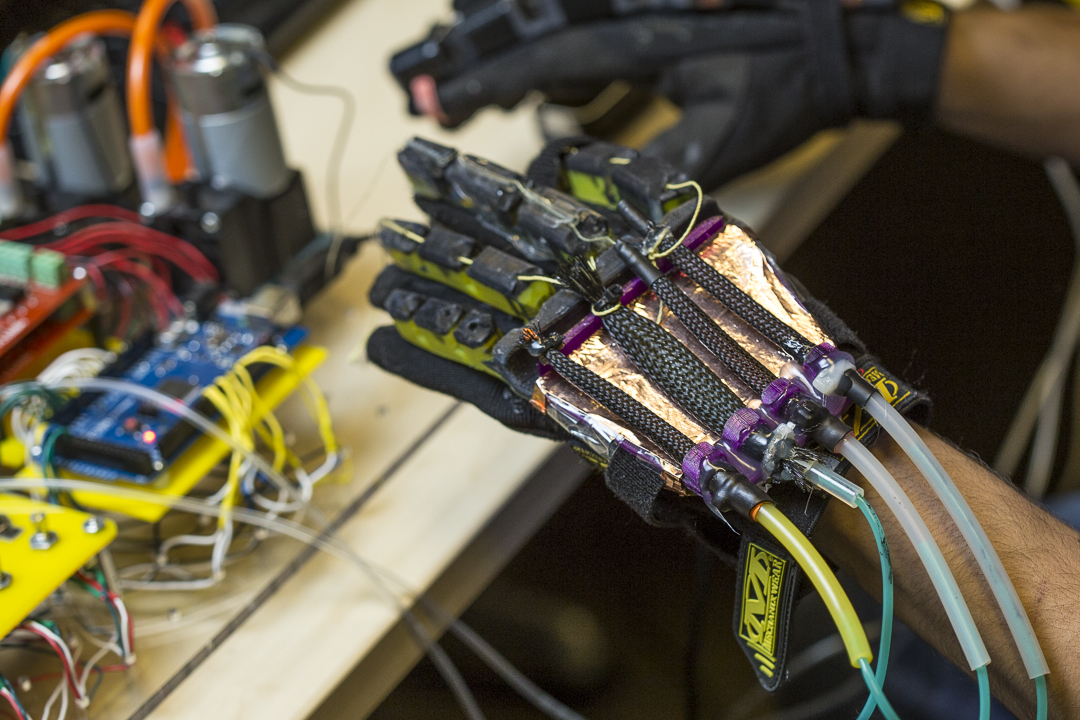
You’ve chosen to imagine a world where special gloves help people communicate through touch instead of words. You might want to learn more about haptic technology, which lets us send messages through tiny vibrations, motions, or patterns of light. Just make sure your parents don’t borrow them—you don’t want them crashing your top-secret team handshake!
We’re exploring touch technology, or haptics, which helps people communicate and connect through movement and vibration. Around the world, scientists are finding ways to make technology more sensory—so we can feel, not just see or hear, what’s happening. These ideas build on long traditions of sign language and nonverbal communication, showing how touch can bridge people and cultures. Someday, new devices might even let us “send” high-fives or hugs across distances, or create new secret handshakes. Just make sure your parents don’t borrow your new gloves—you don’t want them crashing your top-secret team handshake!
How might touch technology help people feel more connected, even when they’re far apart?
You can make your own “vibration gloves” prototype using cardboard, yarn, and tape. Design small finger patterns that could send different messages—like a gentle tap for “hello” or a double tap for “good job.” Try out your signals with a friend to see how it feels to “talk” through movement.
With an adult, ask ChatGPT:
“What are five creative ways people could use touch to communicate in the future?”
Then imagine or draw your favorite idea—maybe a haptic friendship bracelet or a high-five translator glove!
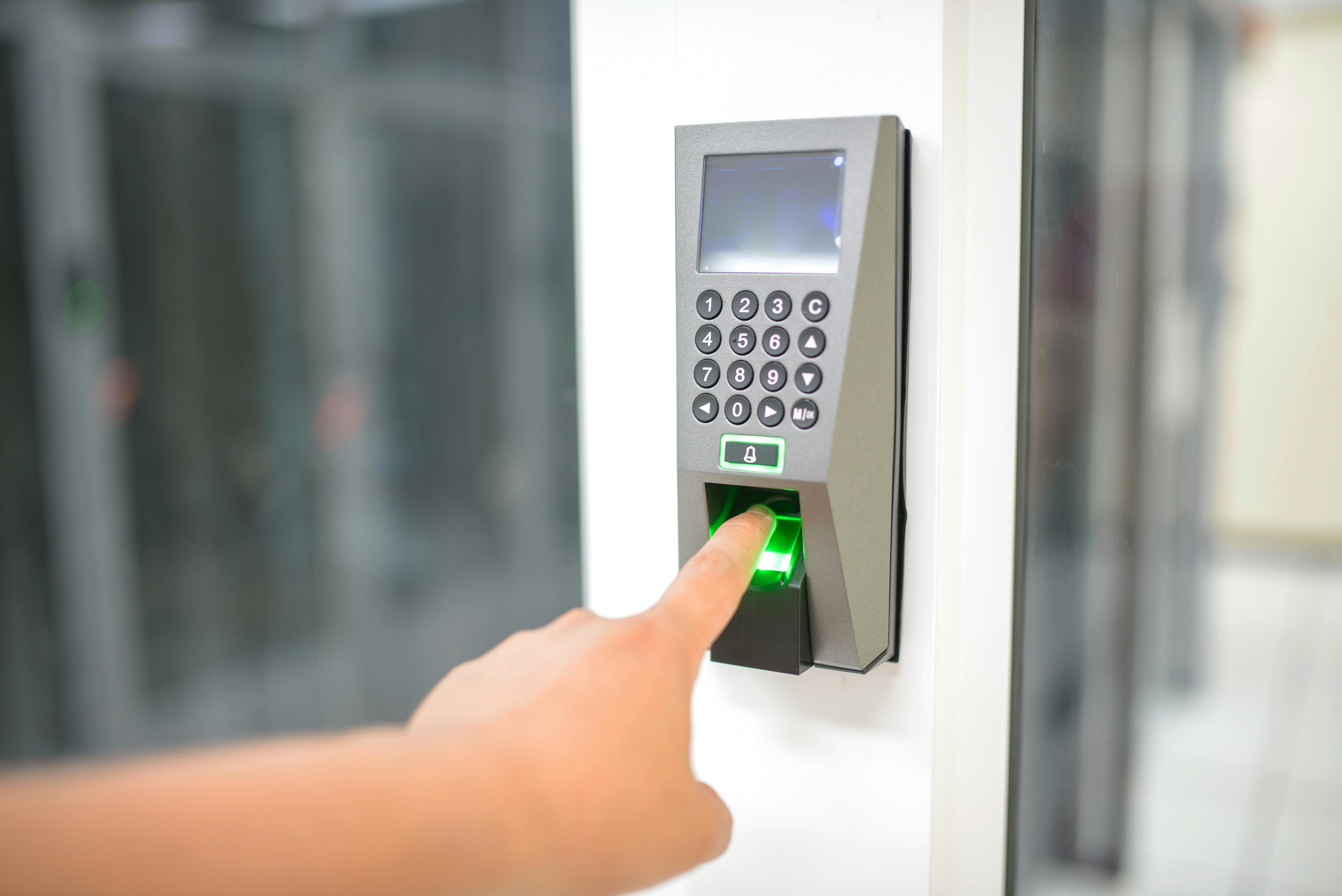
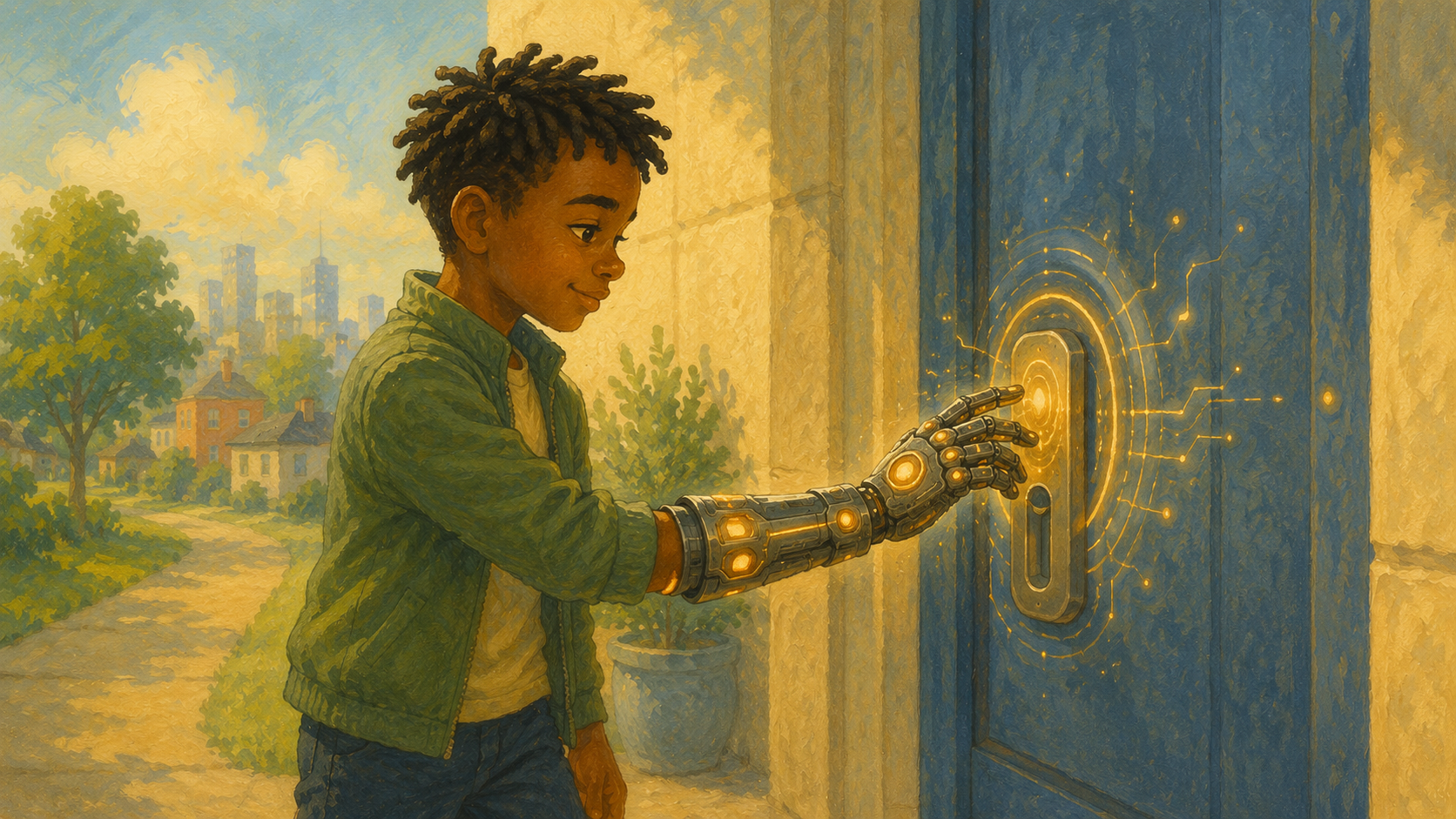
You’ve chosen to imagine a future where gloves can unlock any door—but only if they’re used safely. You might want to learn more about smart security systems, which use sensors, fingerprints, or AI to keep people’s spaces private and protected. Don’t worry—your gloves come with built-in safeguards, so you can’t “accidentally” unlock your teacher’s snack drawer!
We’re exploring smart security, which uses digital tools to keep spaces safe while allowing easy access. Scientists are designing locks that recognize who we are instead of what we carry—like fingerprints, faces, or even heartbeats. As with all technology, people are also building safeguards to protect privacy and prevent misuse. The more we design with responsibility in mind, the safer and smarter our shared spaces can be. Don’t worry—your gloves come with built-in safeguards, so you can’t “accidentally” unlock your teacher’s snack drawer!
How can we invent new security tools that are smart—but also fair and trustworthy?
Use cardboard, rubber bands, and paper clips to make a model of a “smart lock” door. Add color-coded levers or shapes that only open when arranged in the right order—your own lock code!
With an adult, ask ChatGPT:
“Design a fun and safe lock system for the future that opens in a creative way.”
Then sketch or build a version of it using LEGOs or recycled materials.


.png)
.png)