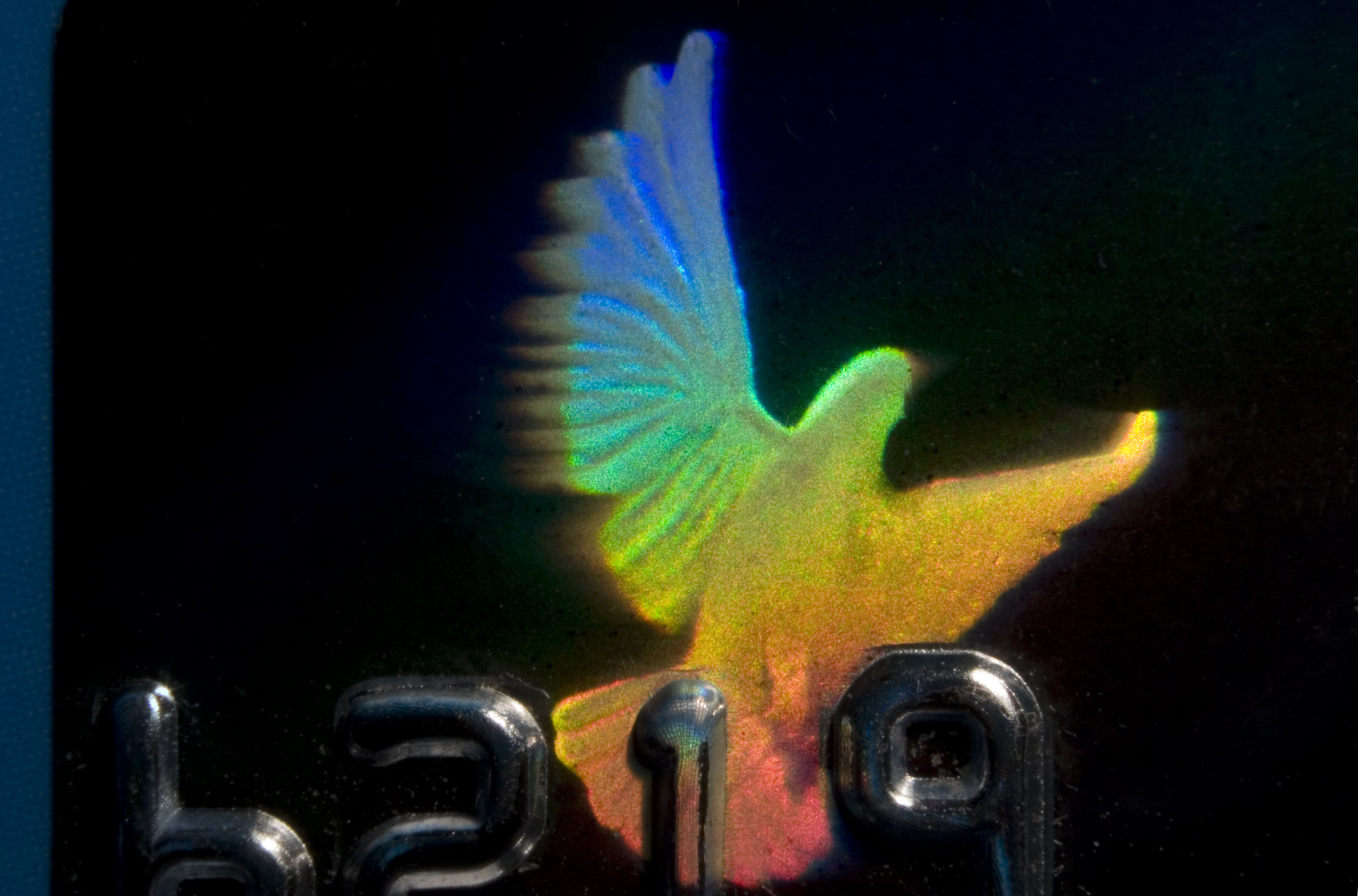
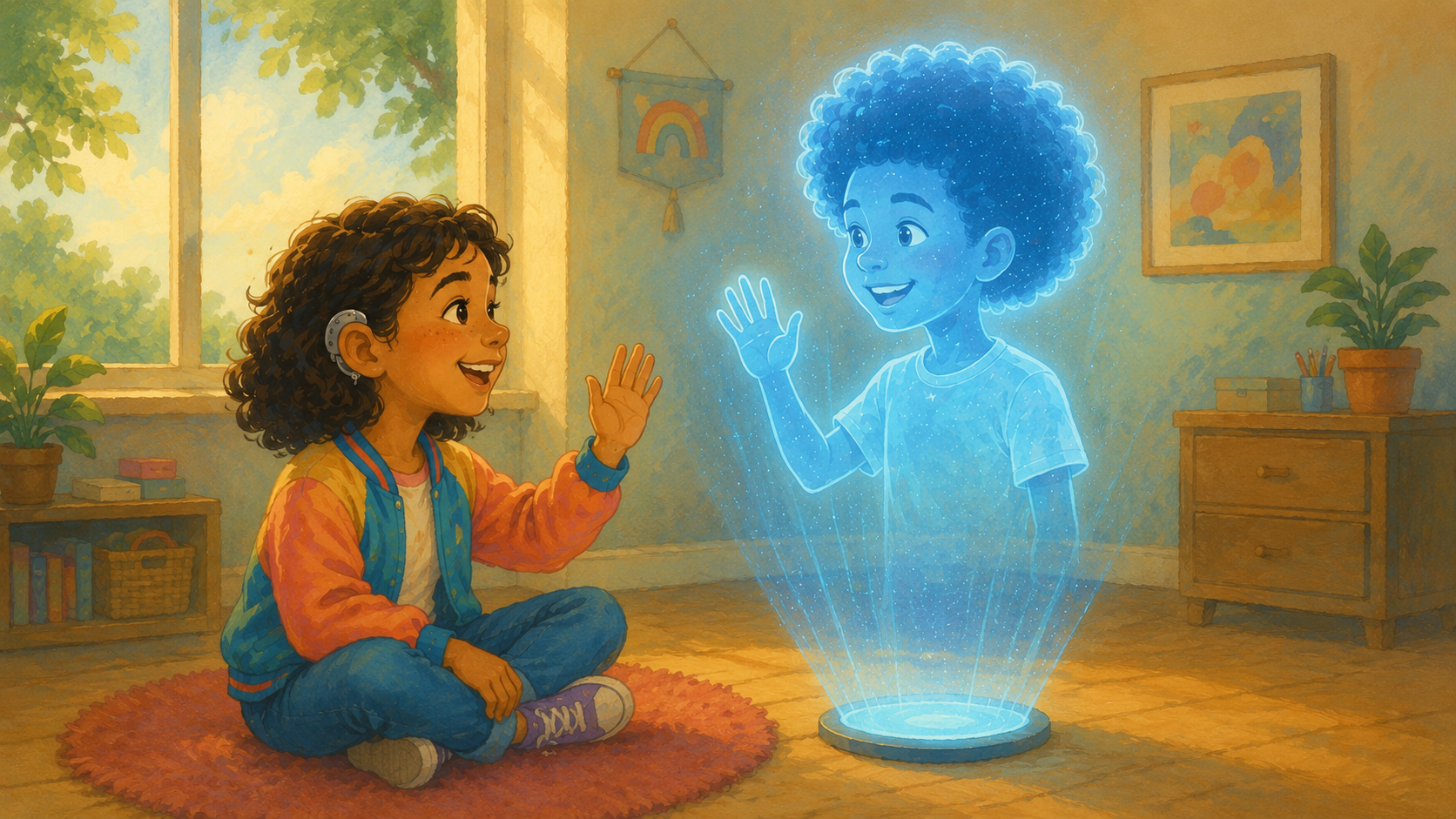
You’ve chosen to imagine calling a faraway friend who appears life-sized beside you as a 3D image. You might want to learn more about 3D telepresence, which can capture and send 3D images so people feel more present across long distances. Some systems use true holographic techniques, while others use stereoscopic displays or projected images. Just remember: hologram friends still need permission before popping into your bedroom!
This scenario explores 3D telepresence, which uses cameras and computers to capture a person and send a moving representation to another place. Some systems reconstruct the person as a 3D model for a headset, while others use stereoscopic displays or reflection effects to create a convincing sense of depth. Future calls could help friends feel closer across long distances, but we should still choose when cameras capture our bodies and rooms. And your hologram friends still need permission before popping into your bedroom!
How might hologram calls change friendships when people live far apart?
You can make a mini hologram communicator using a shoebox, clear plastic from packaging, paper, markers, and tape. Place the clear plastic at an angle inside your box and experiment with reflected images. Then design controls for starting a call, ending it, and protecting your privacy.
With an adult, ask ChatGPT:
“Invent three ways a future hologram call could help faraway friends feel together.”
Choose one idea, then draw your own hologram communicator. Add controls that let you decide who can appear, when calls happen, and what the cameras can see.
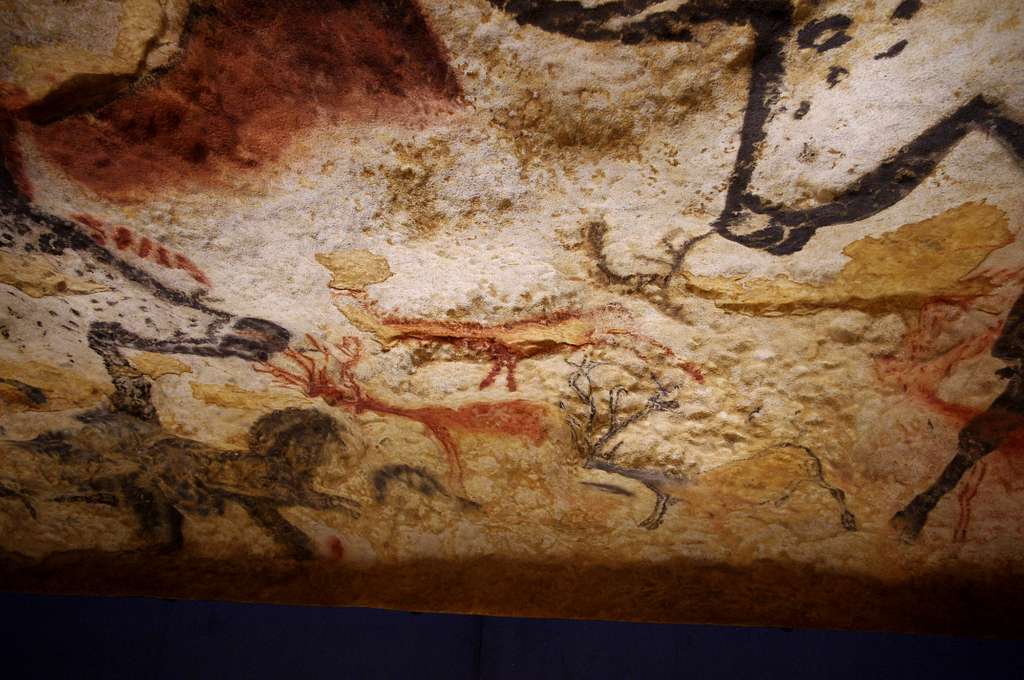
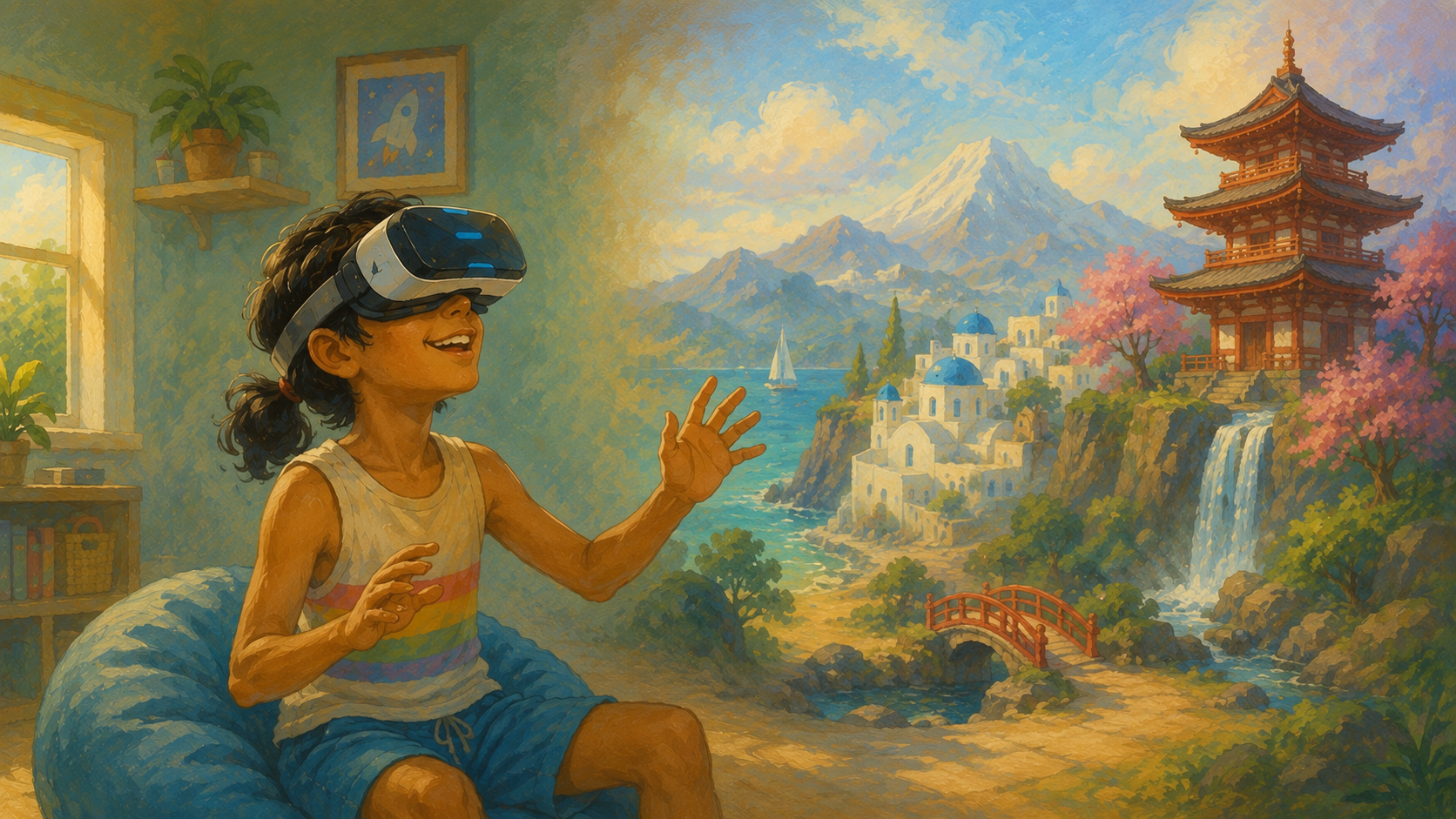
You’ve chosen to imagine putting on a VR headset and visiting anywhere in the world without leaving your room. You might want to learn more about virtual tourism, which can make faraway places easier to explore for people who cannot travel easily. Just don’t forget your virtual passport!
We’re exploring virtual tourism, or using VR to experience places without traveling there. In virtual tourism, a headset surrounds us with scenes that change as we look around. Older adults already use VR to revisit meaningful places and explore new ones. Hospital programs also give patients virtual adventures when leaving is difficult. So VR can make travel more reachable, but comfort and access still matter. And just don’t forget your virtual passport!
How could we make VR travel fair for people who cannot afford headsets?
You can make a pretend VR travel viewer from a small cardboard box, paper, tape, and markers. Create several destination cards that slide into the viewer, such as a rainforest, city, ocean, or mountain. Add features like captions, sound controls, or a seated mode so different people can enjoy your invention.
With an adult, ask ChatGPT:
“Invent three amazing virtual trips for someone who can’t travel far today.”
Choose one trip and design the experience yourself. Draw what you would see, hear, and do, then add features that help many different people explore it.

.png)
.png)