
Imagine it’s the year 2031. You work as a designer for an urban farming company.
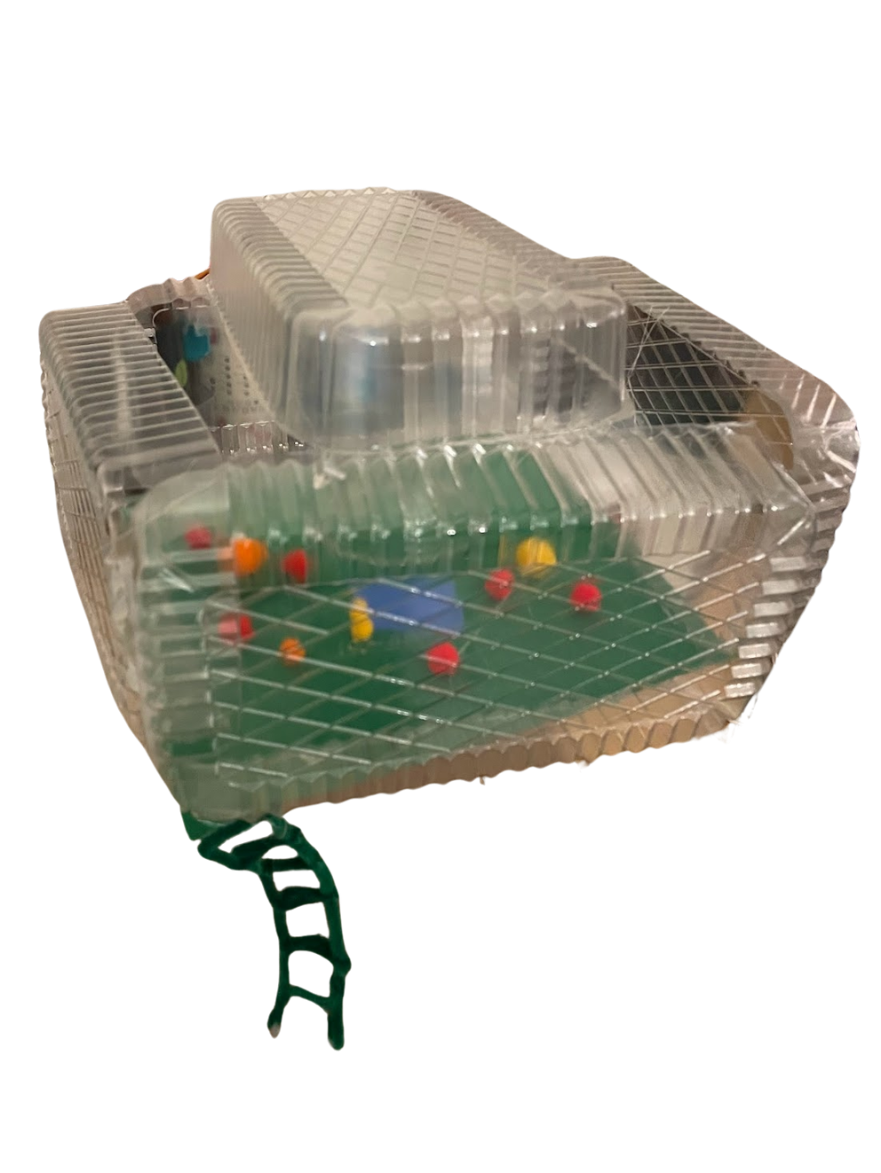
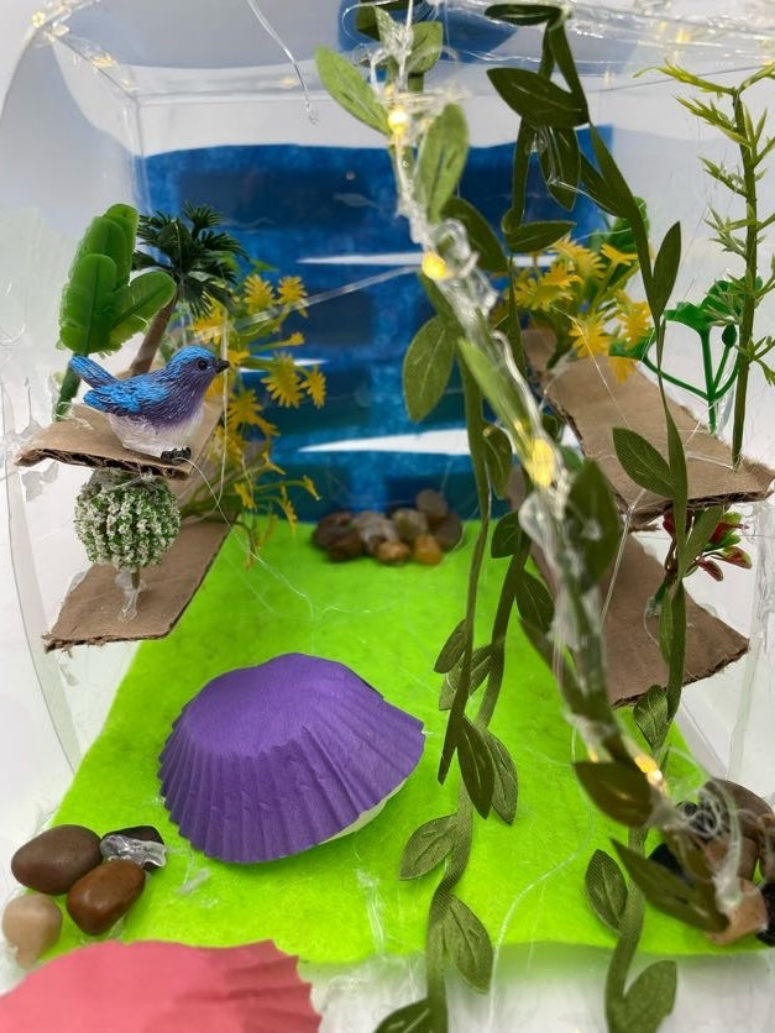
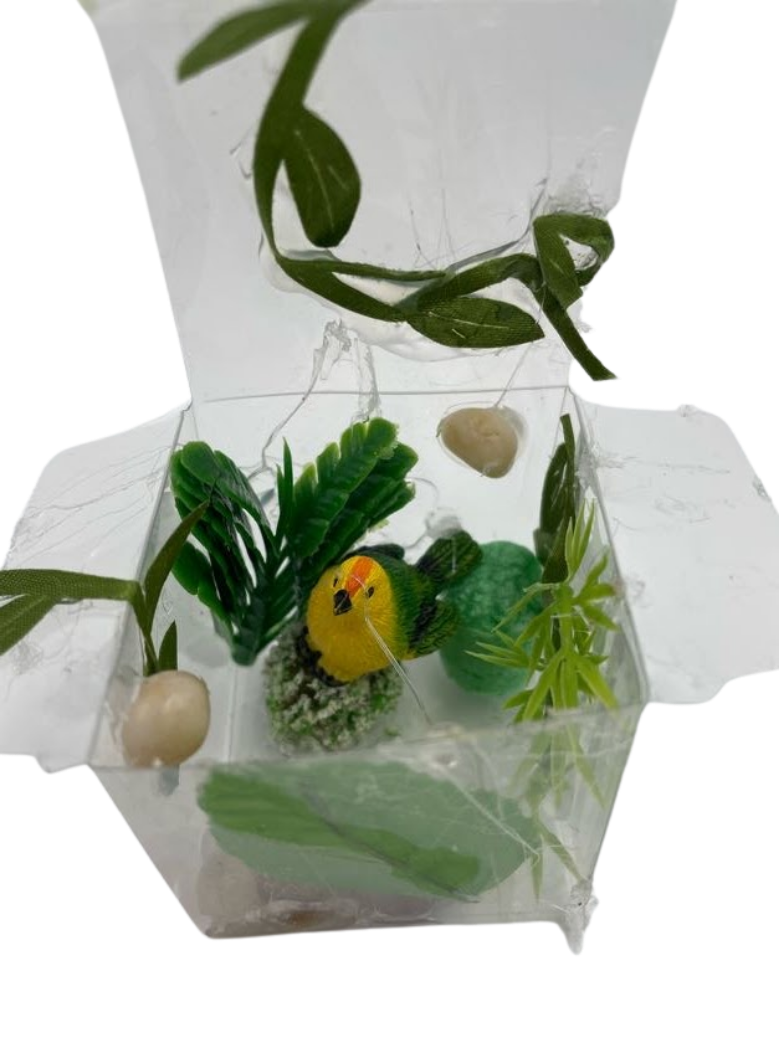
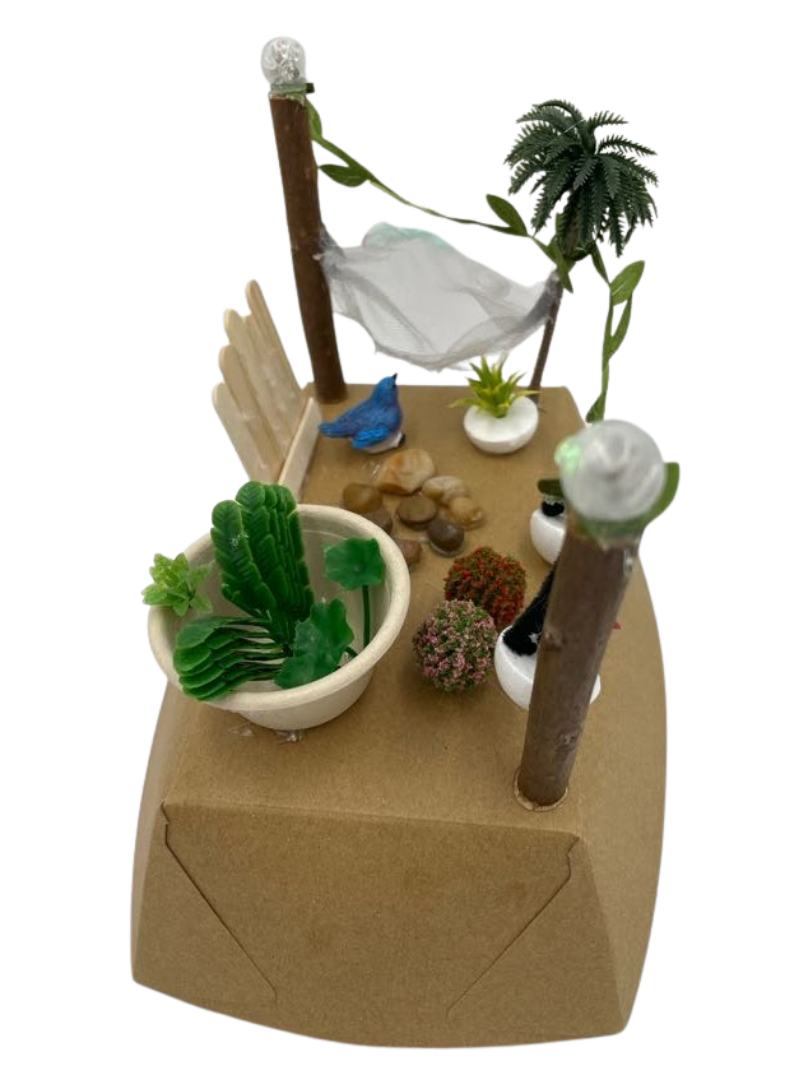
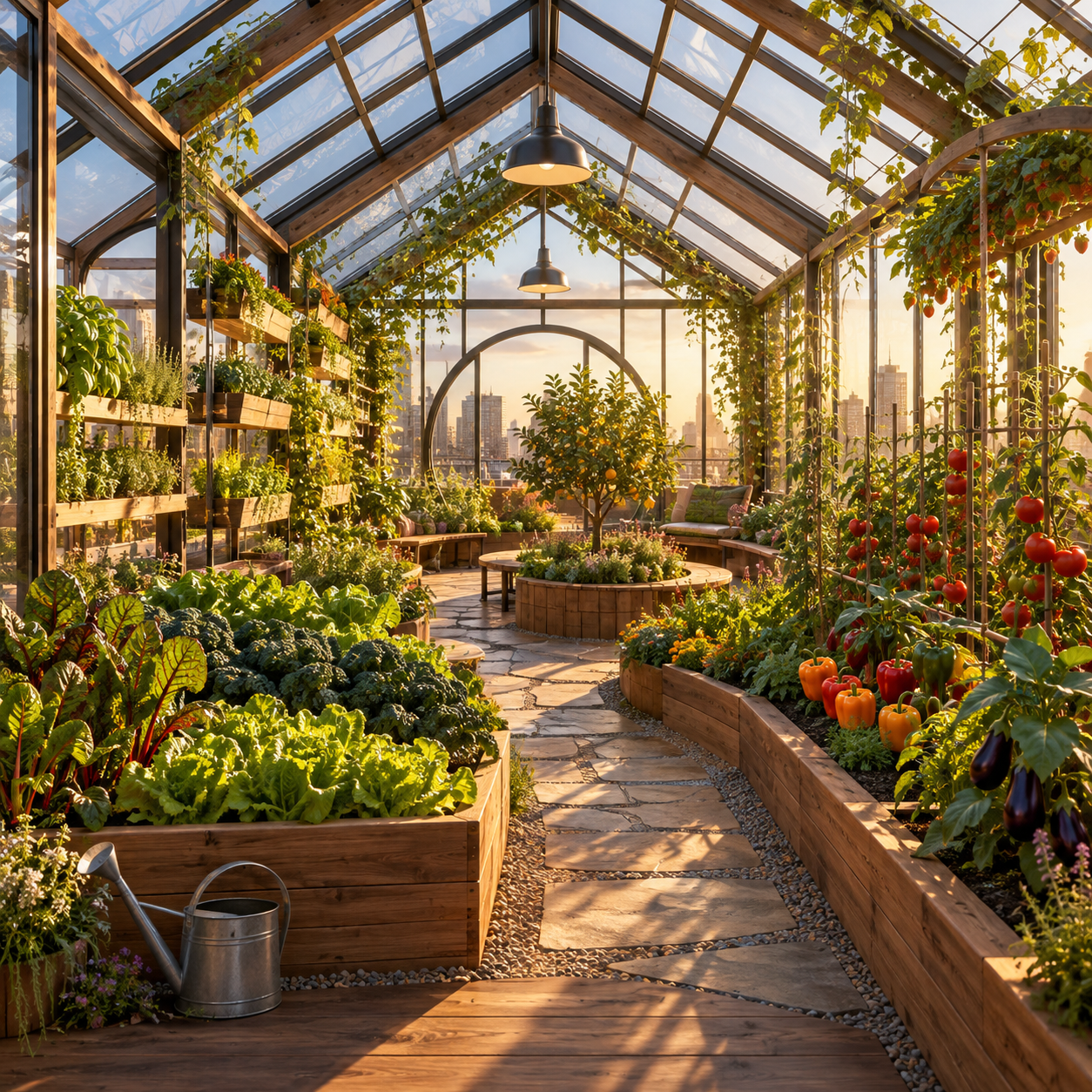
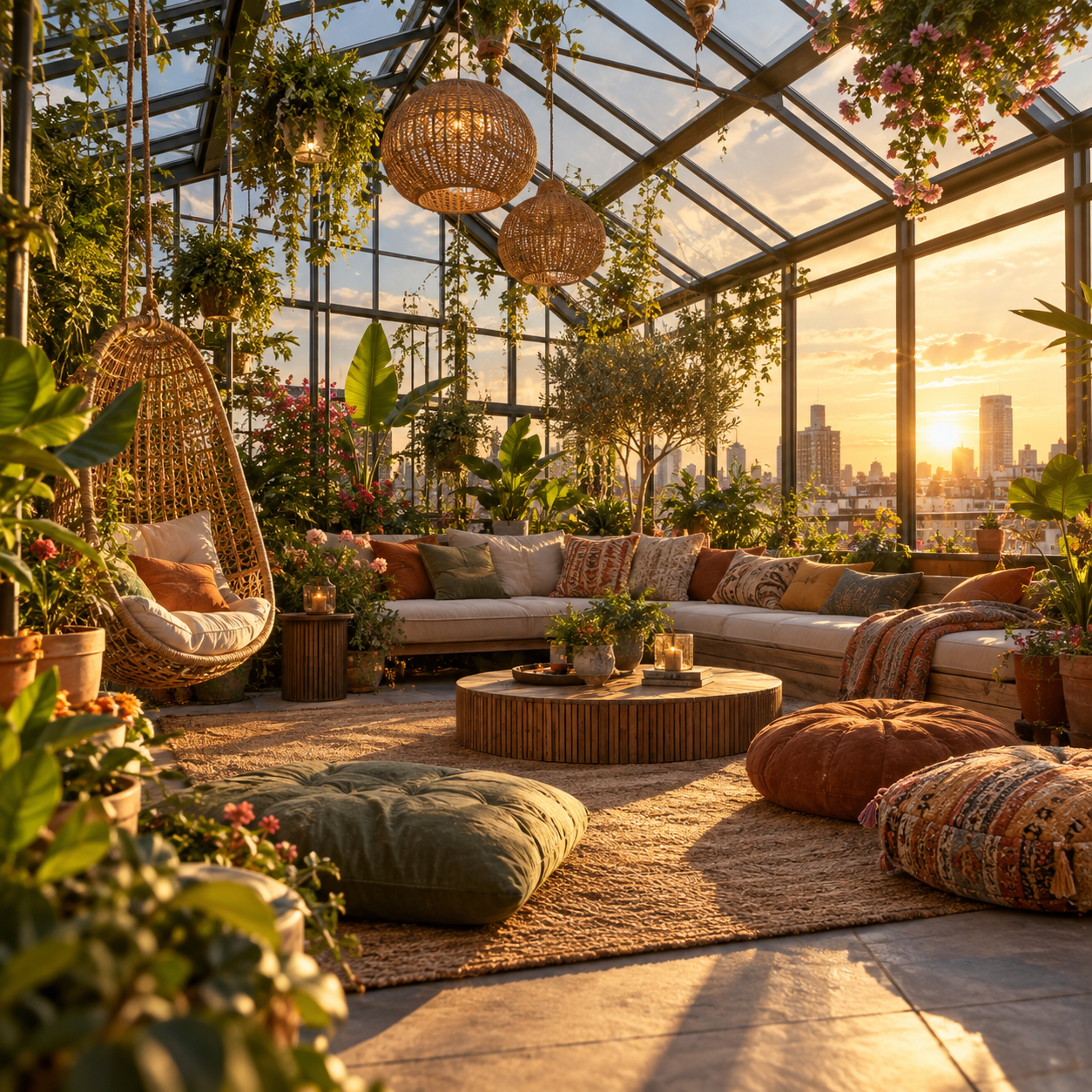
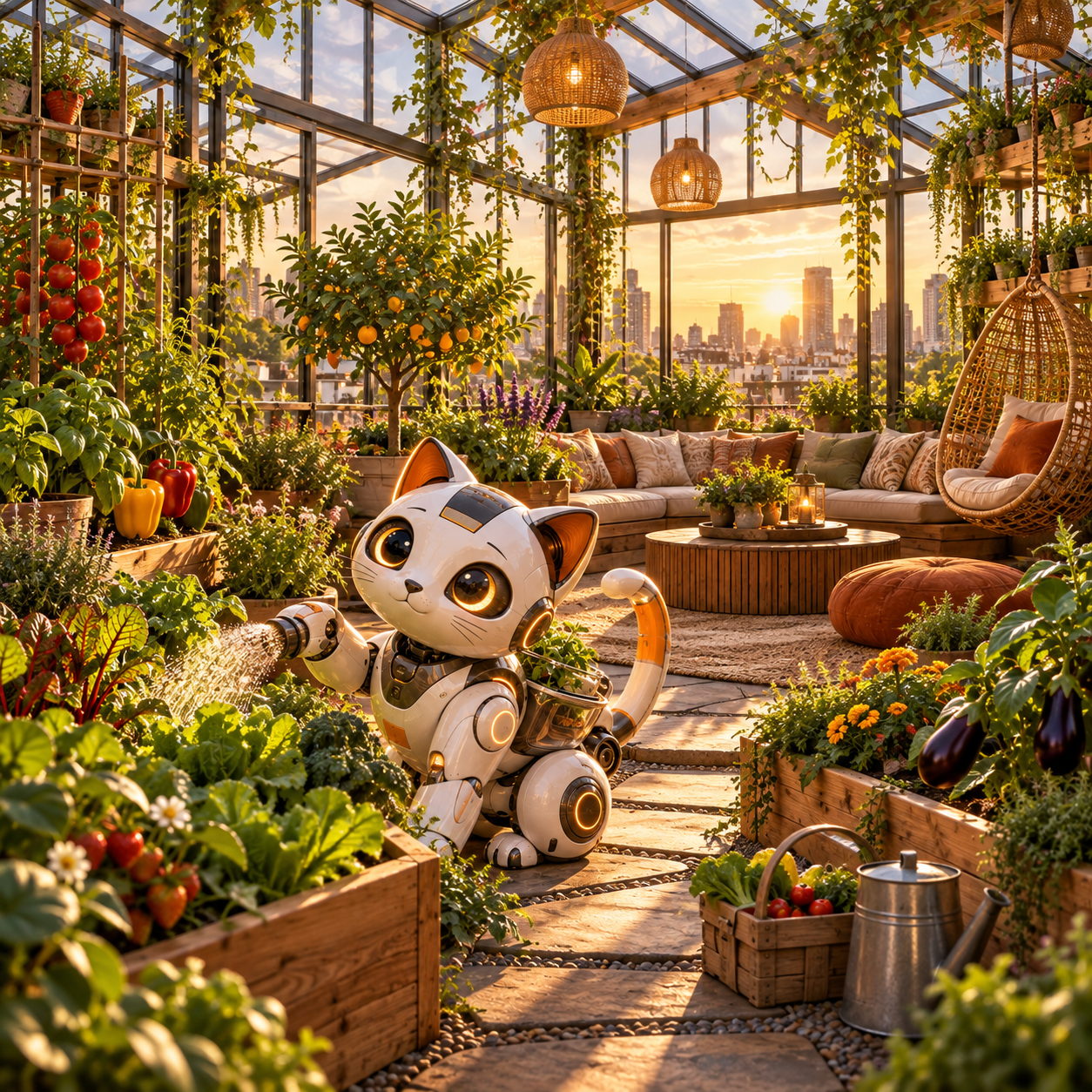
Your mission: Design a rooftop greenhouse model that grows food and provides a relaxing space for residents.
What will your future rooftop greenhouse look like?



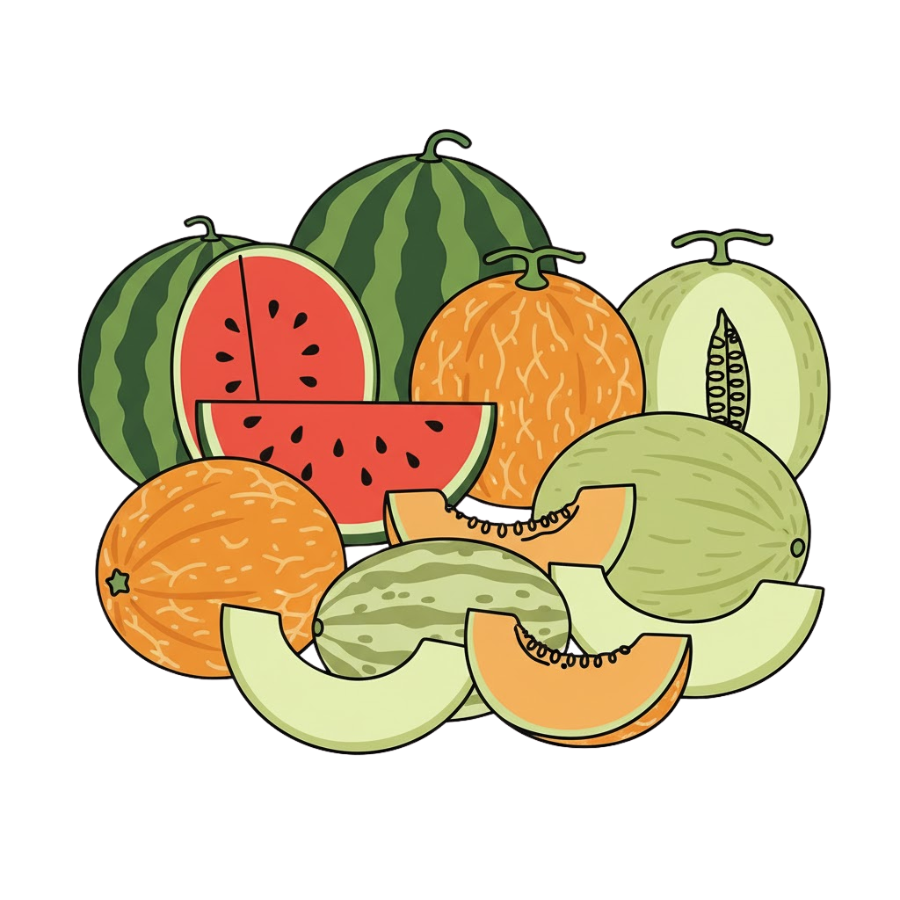


In the year 30 C.E., Roman Emperor Tiberius ordered that the first greenhouses be built so that he could grow and eat melons all year round. Much later, In the 1500s, Italian explorers started to use greenhouses for their exotic plants from tropical countries.

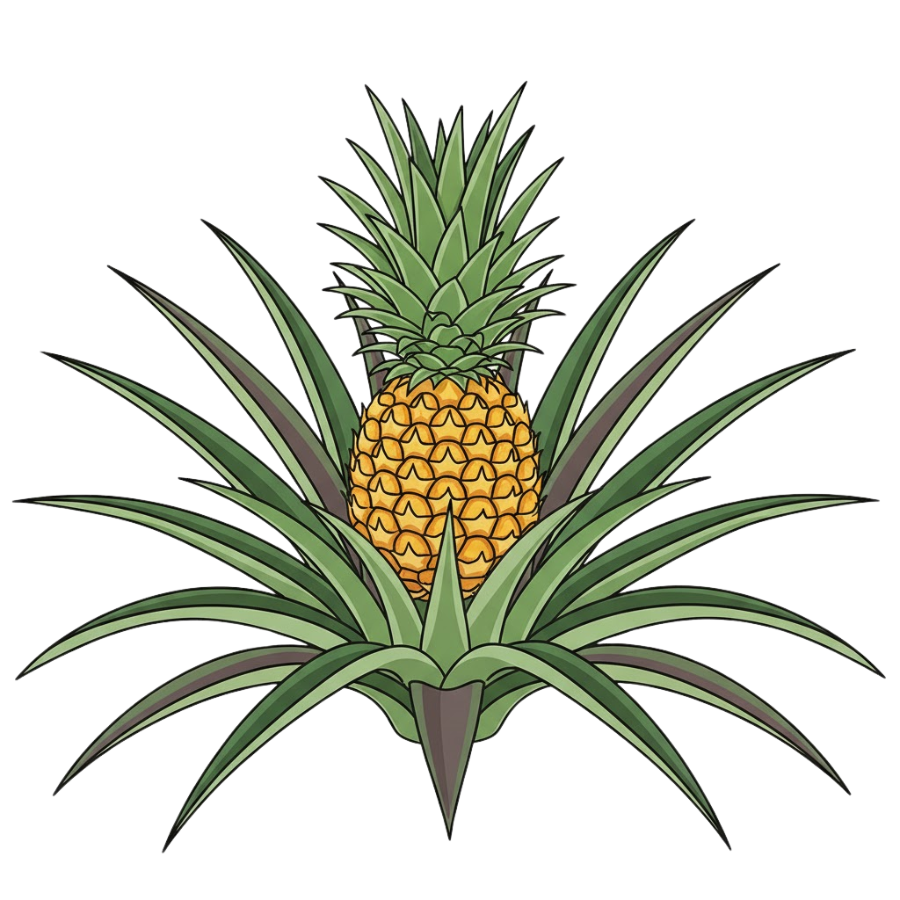
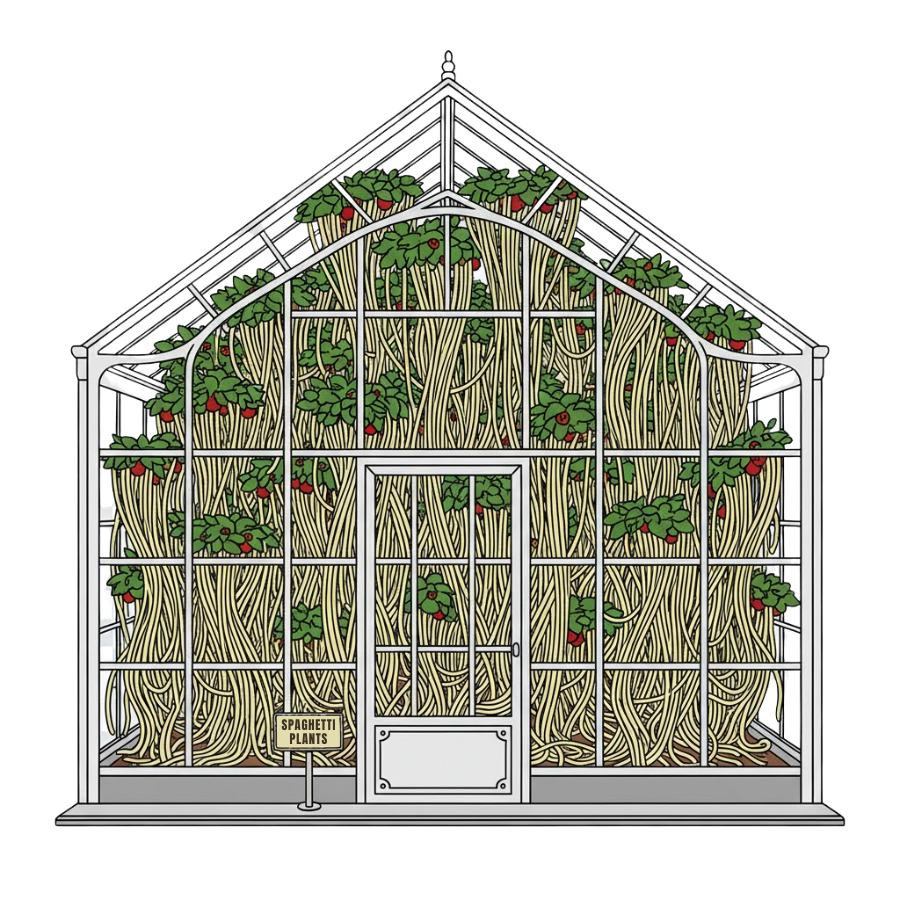
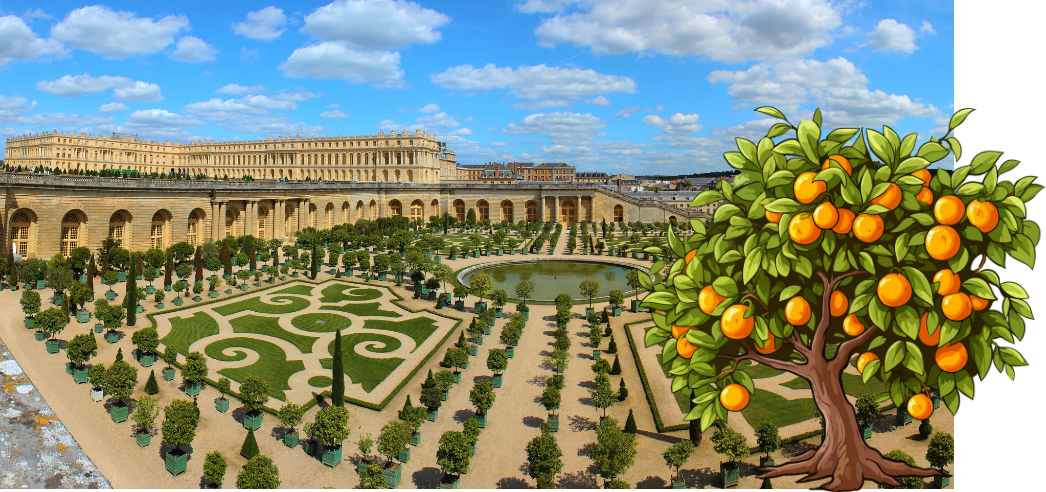
Versailles’ Orangerie housed hundreds of orange trees. Greenhouses became symbols of status and innovation—showing how culture shapes design goals.
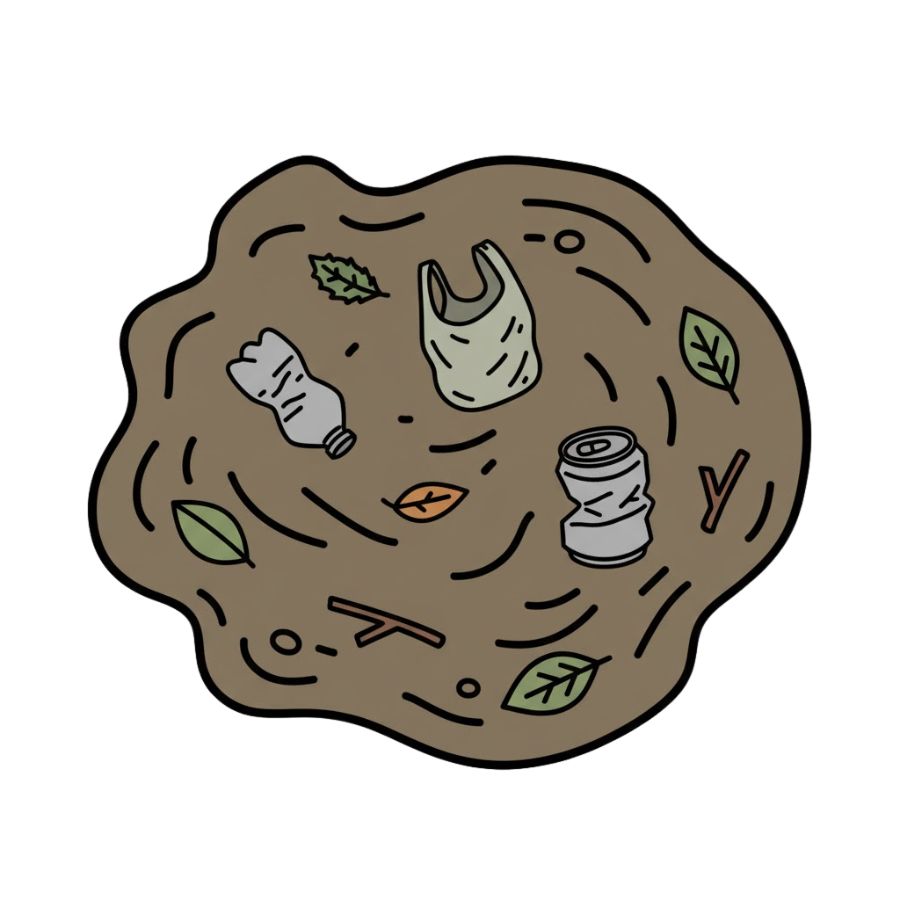
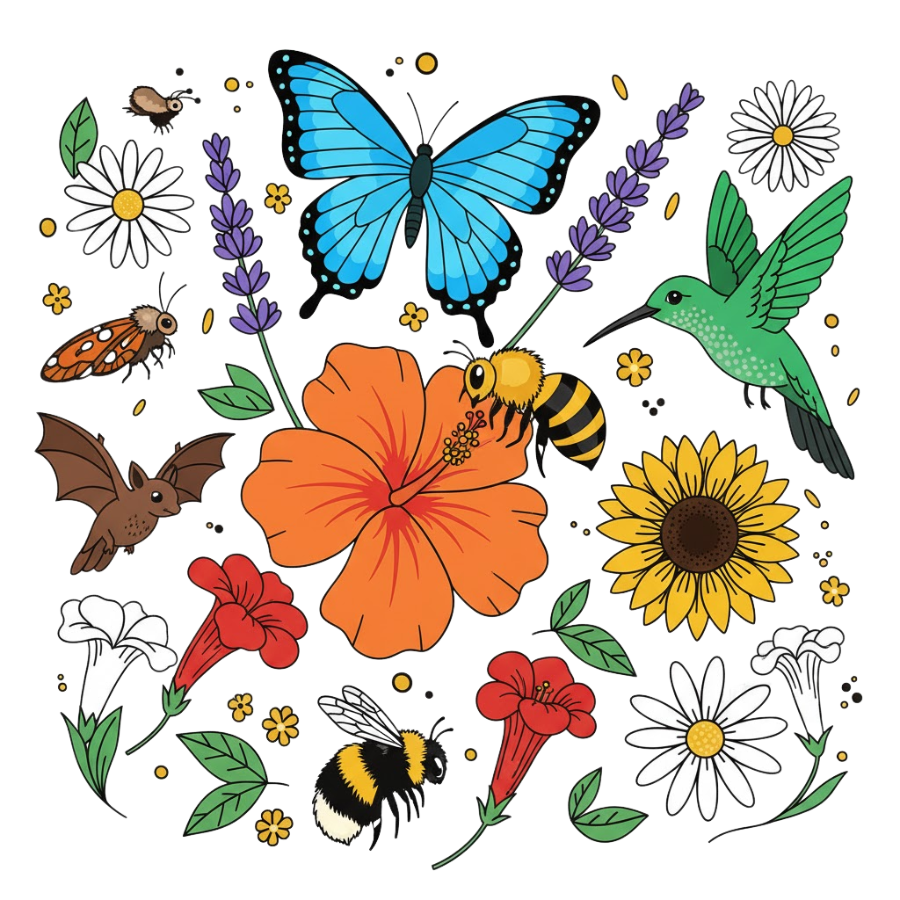
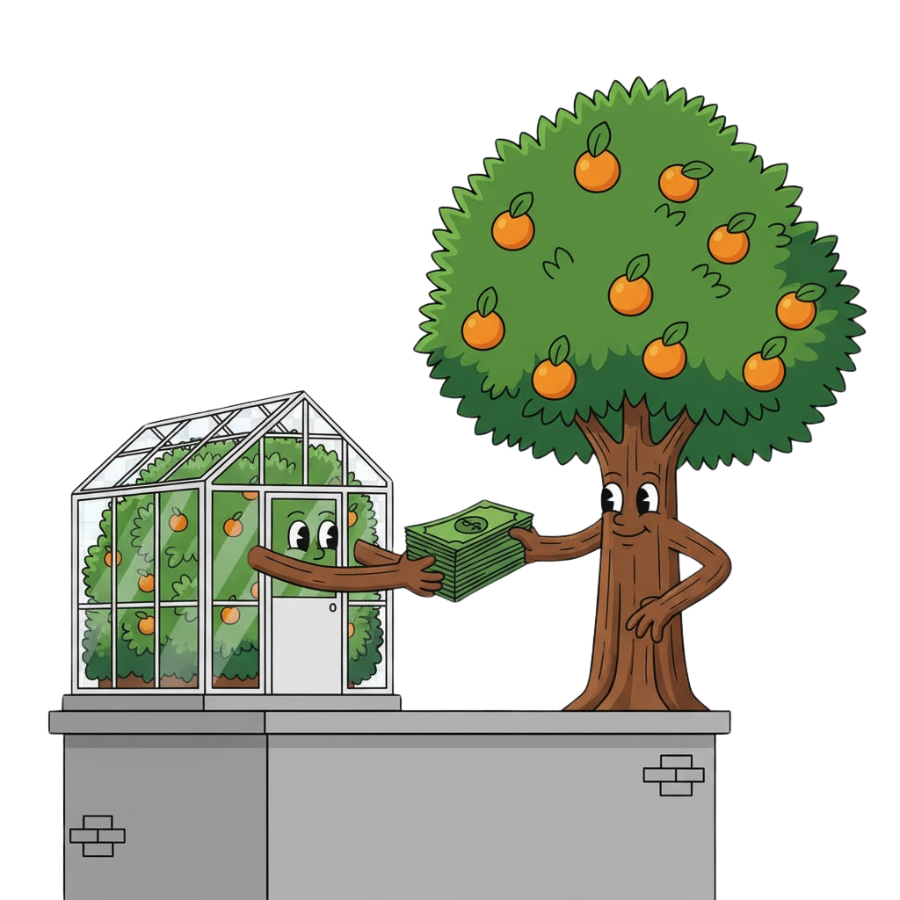
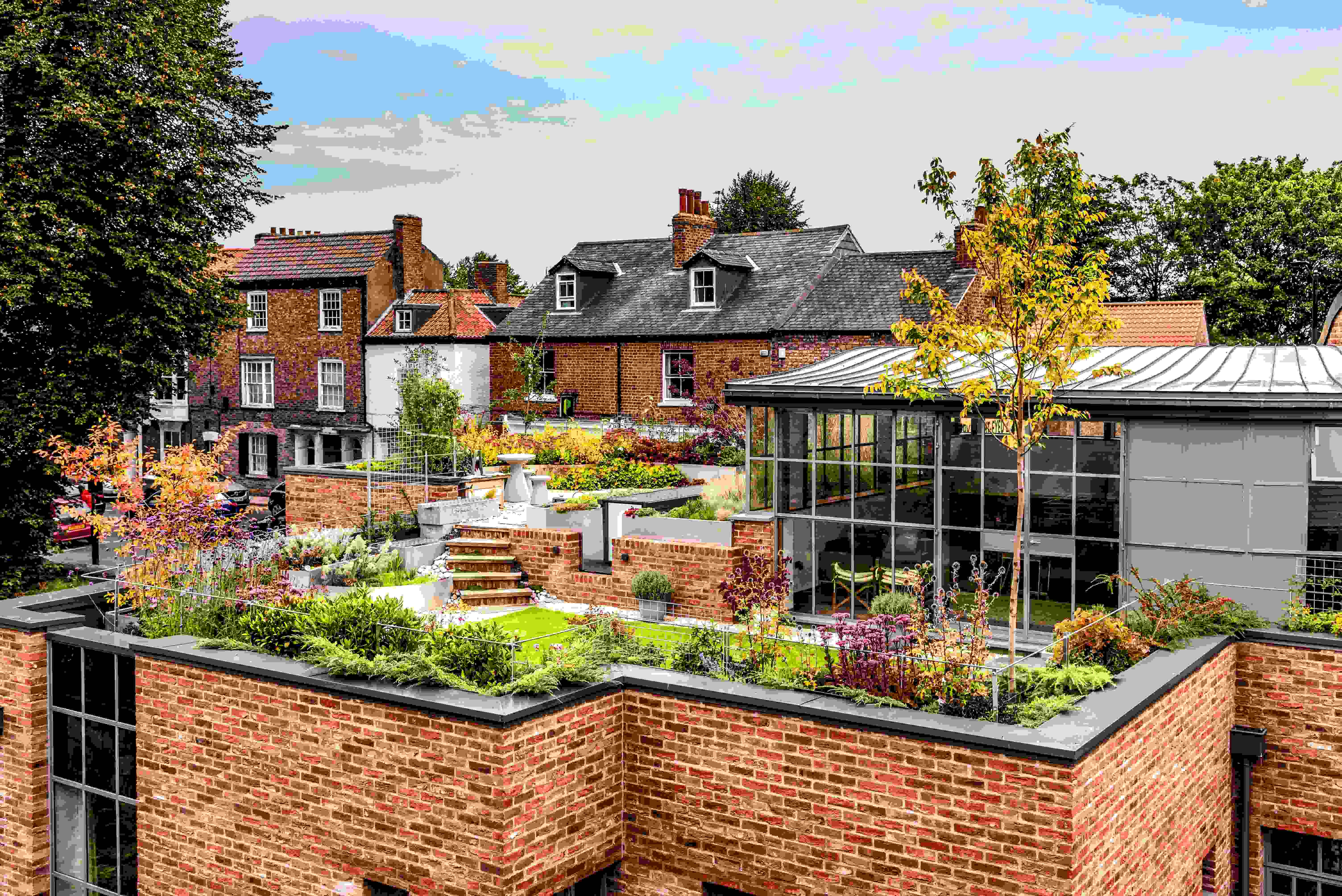
Plants soak up rain and reduce stormwater runoff, and flowers support pollinators. Greening rooftops helps whole urban ecosystems work better together.


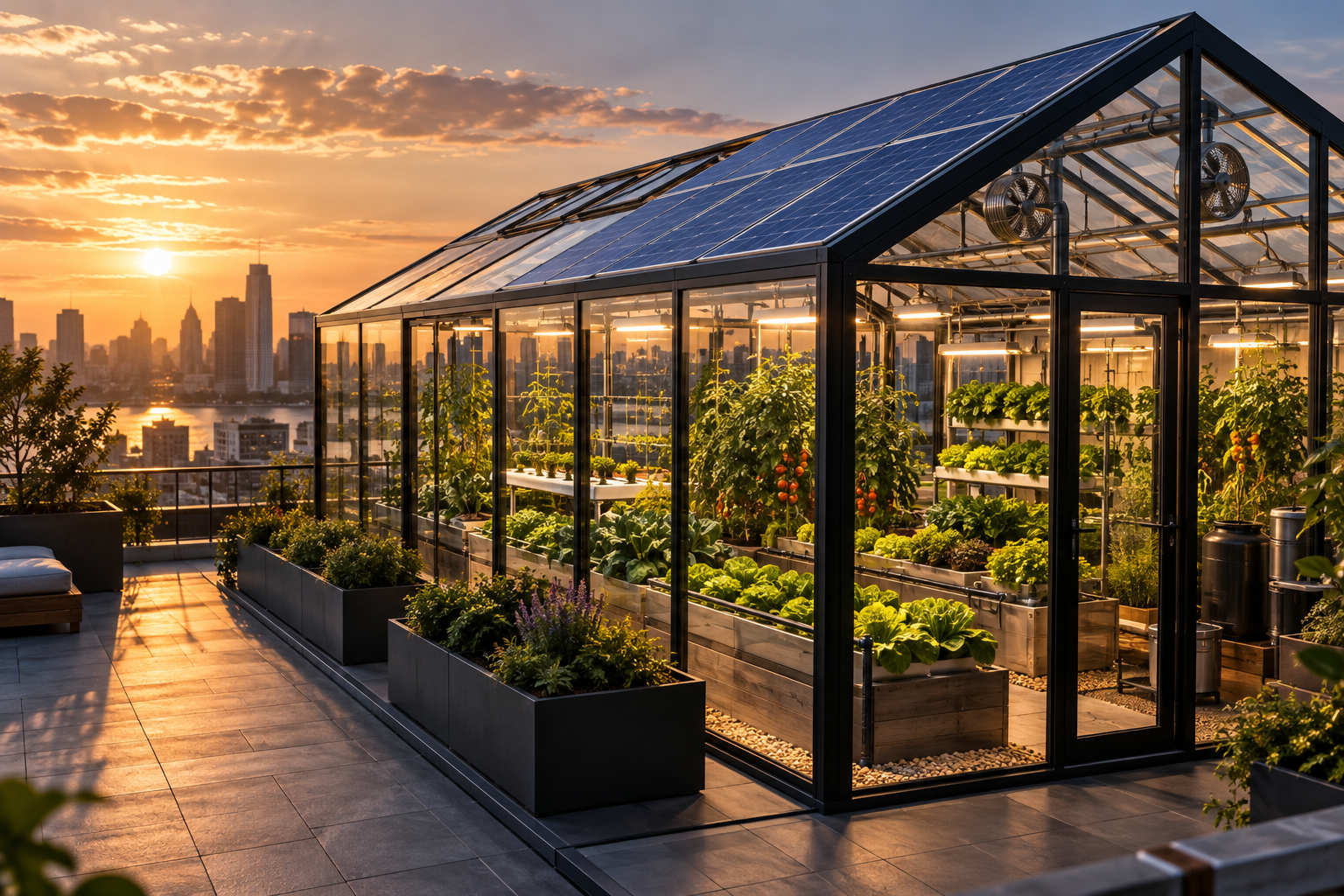
Rooftops get strong sunlight, making solar panels a smart choice. Using on-site renewable energy reduces pollution and operating costs.

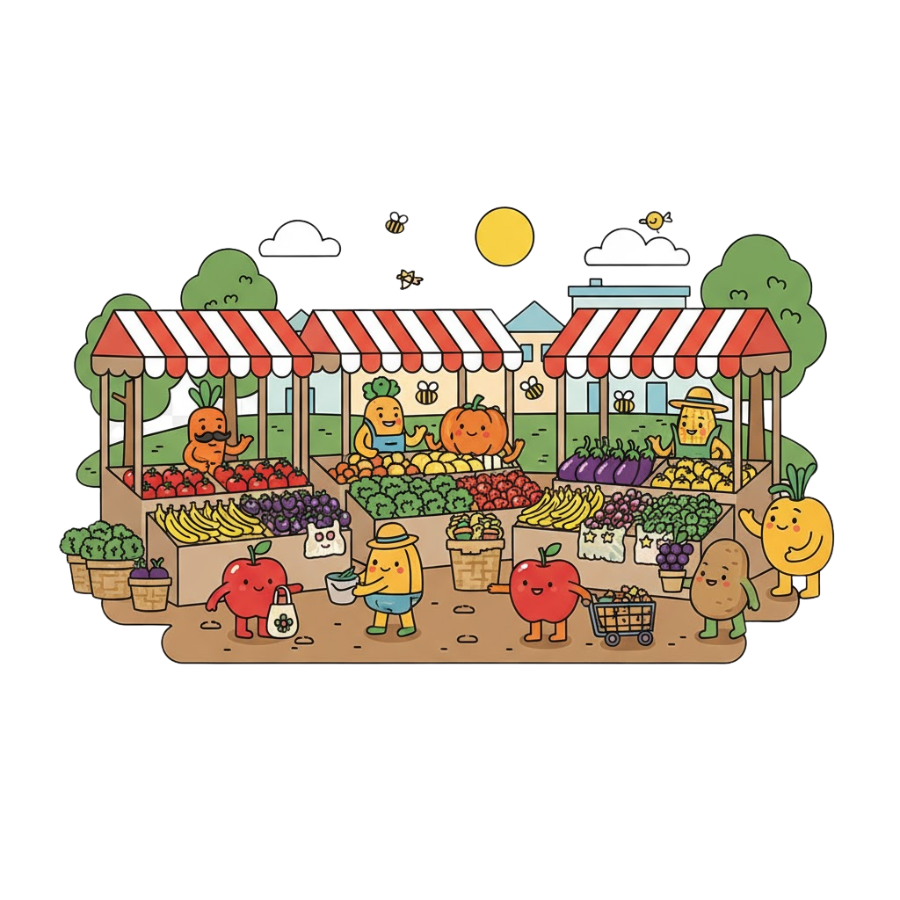
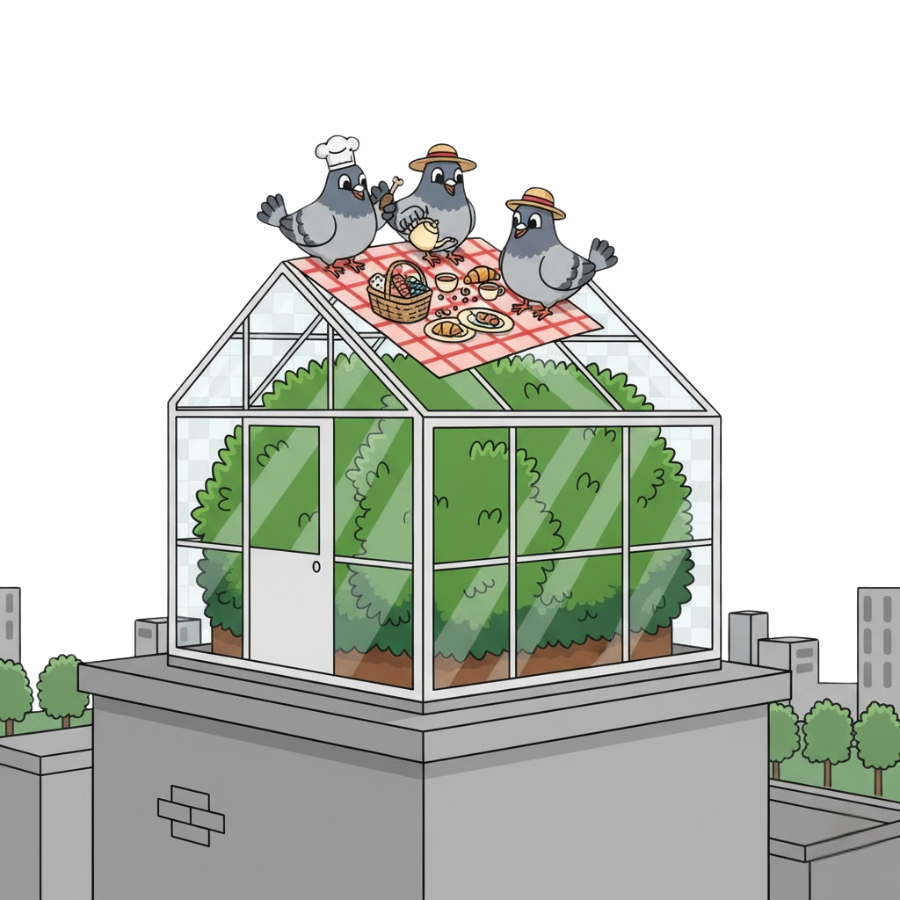
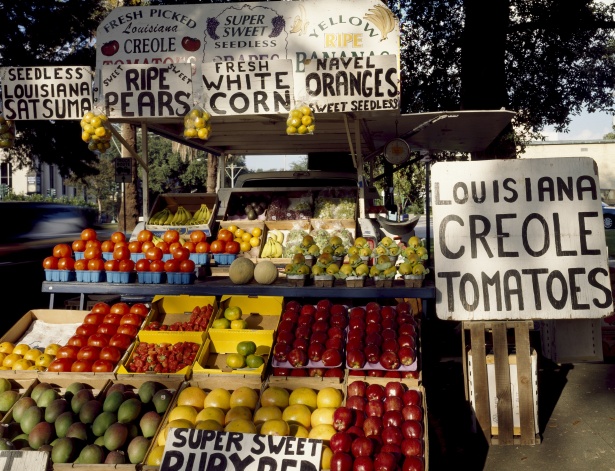
Growing food close to people reduces transportation and keeps produce fresh. It can also turn unused roofs into shared community spaces.
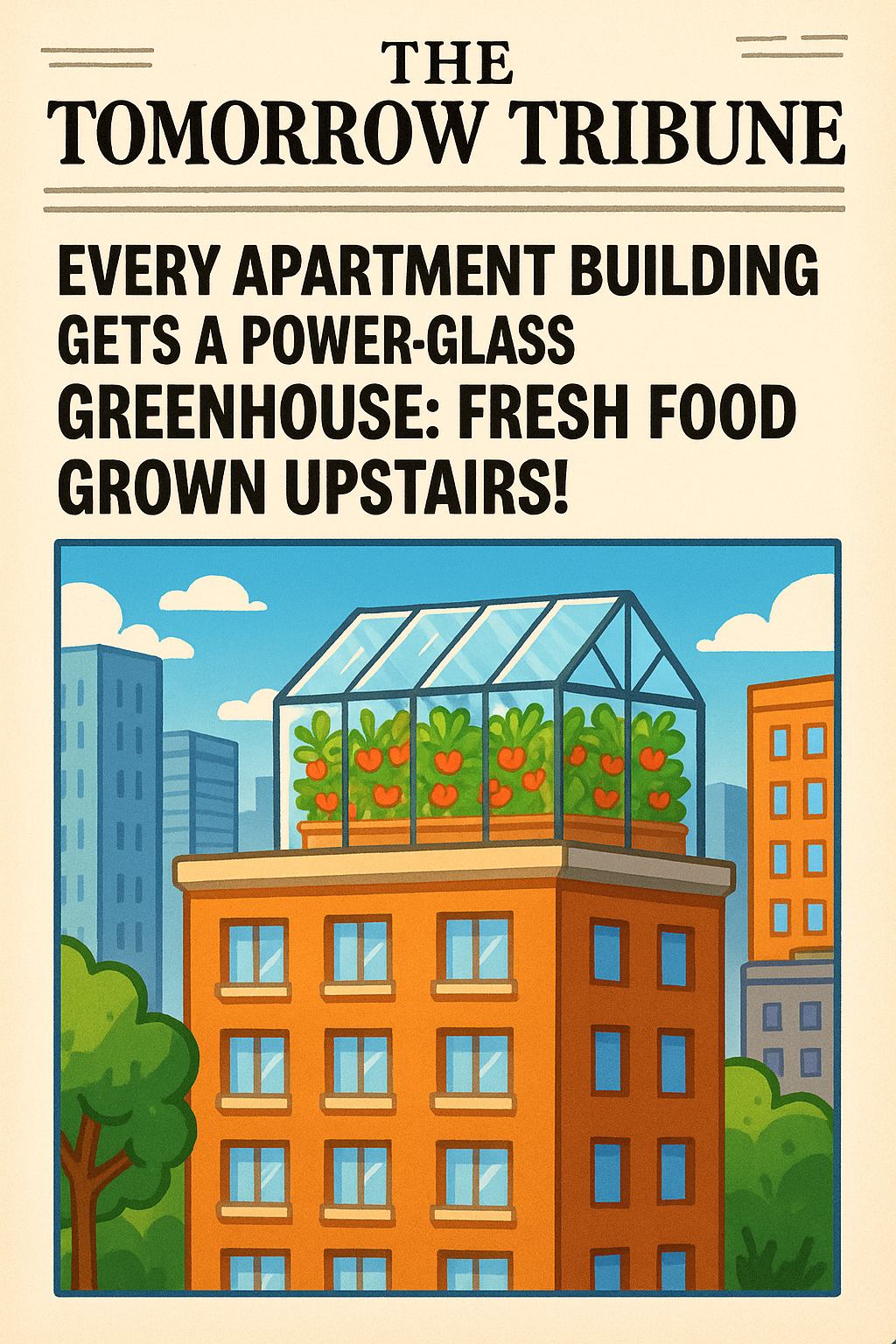
Power-glass is a new kind of clear solar panel that acts like a window and collects energy from the sun. This lets greenhouses power their fans, lights, and water systems using electricity generated right from their own windows!
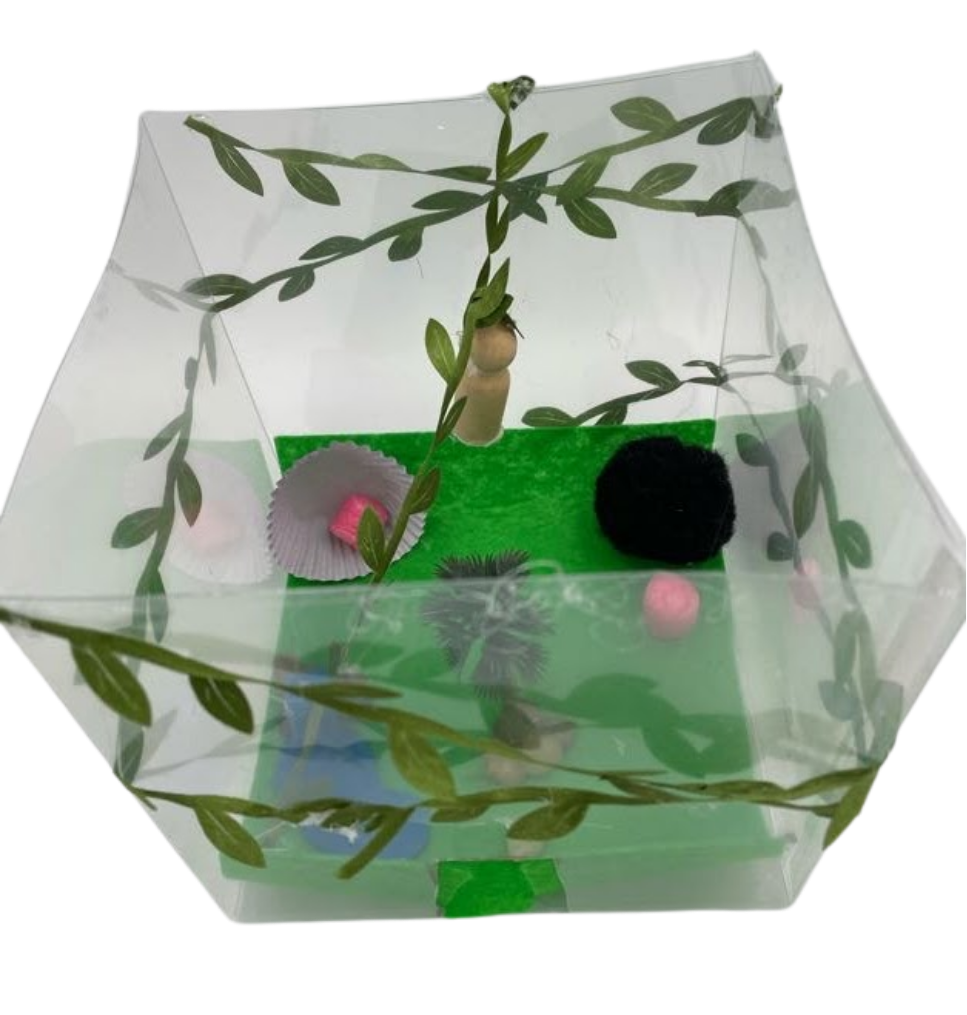
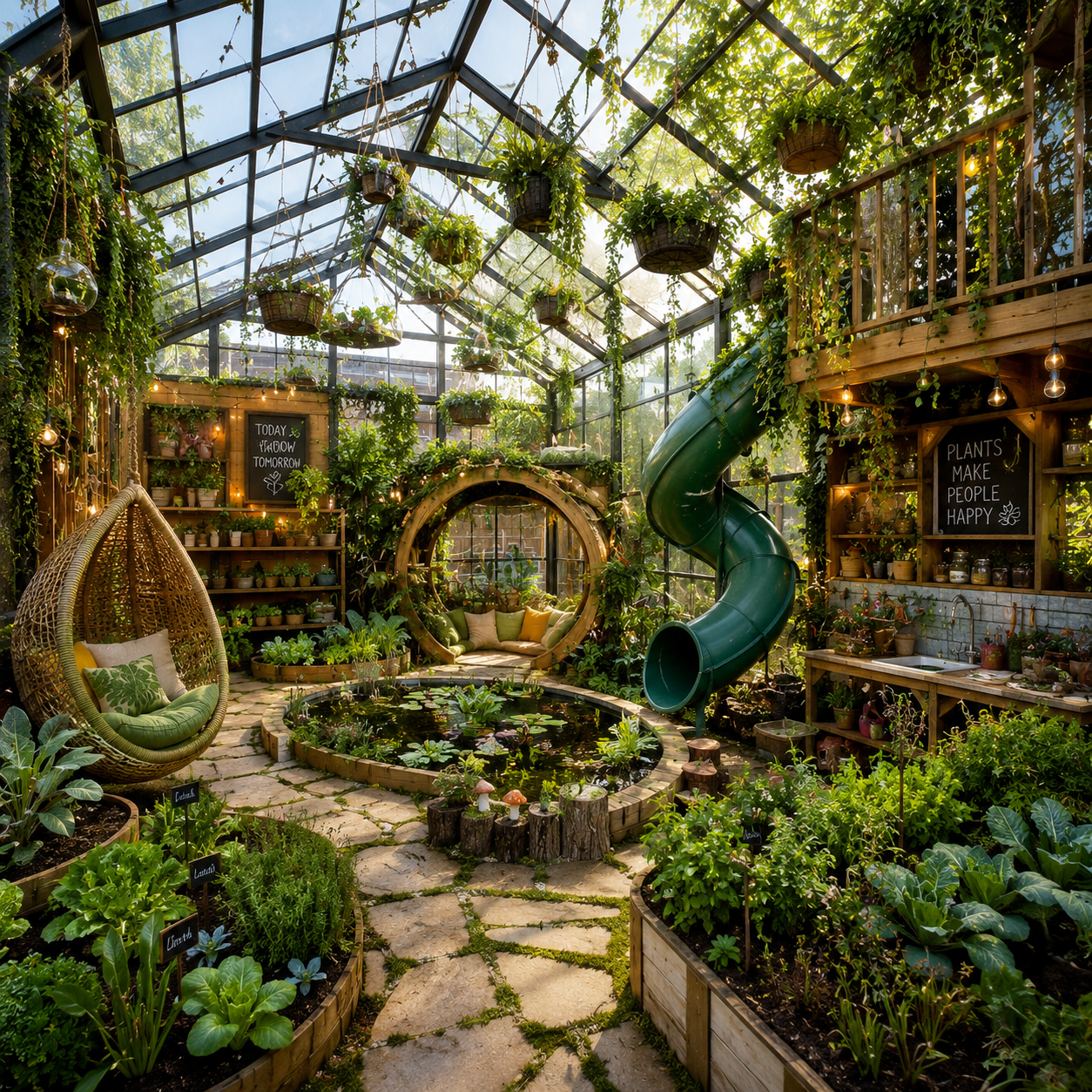
Design a rooftop greenhouse model that grows food and provides a relaxing space for residents
What kinds of plants will you grow?
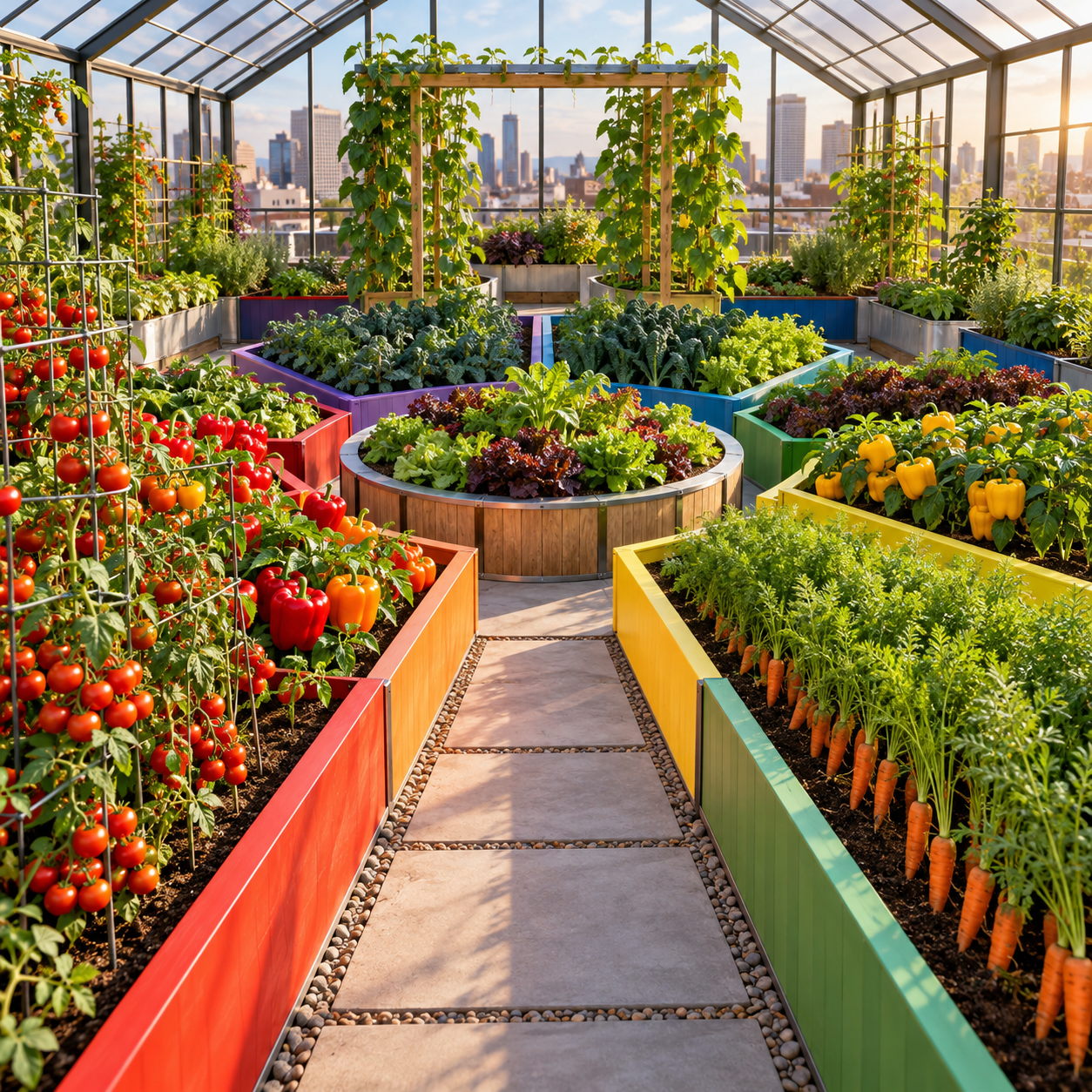
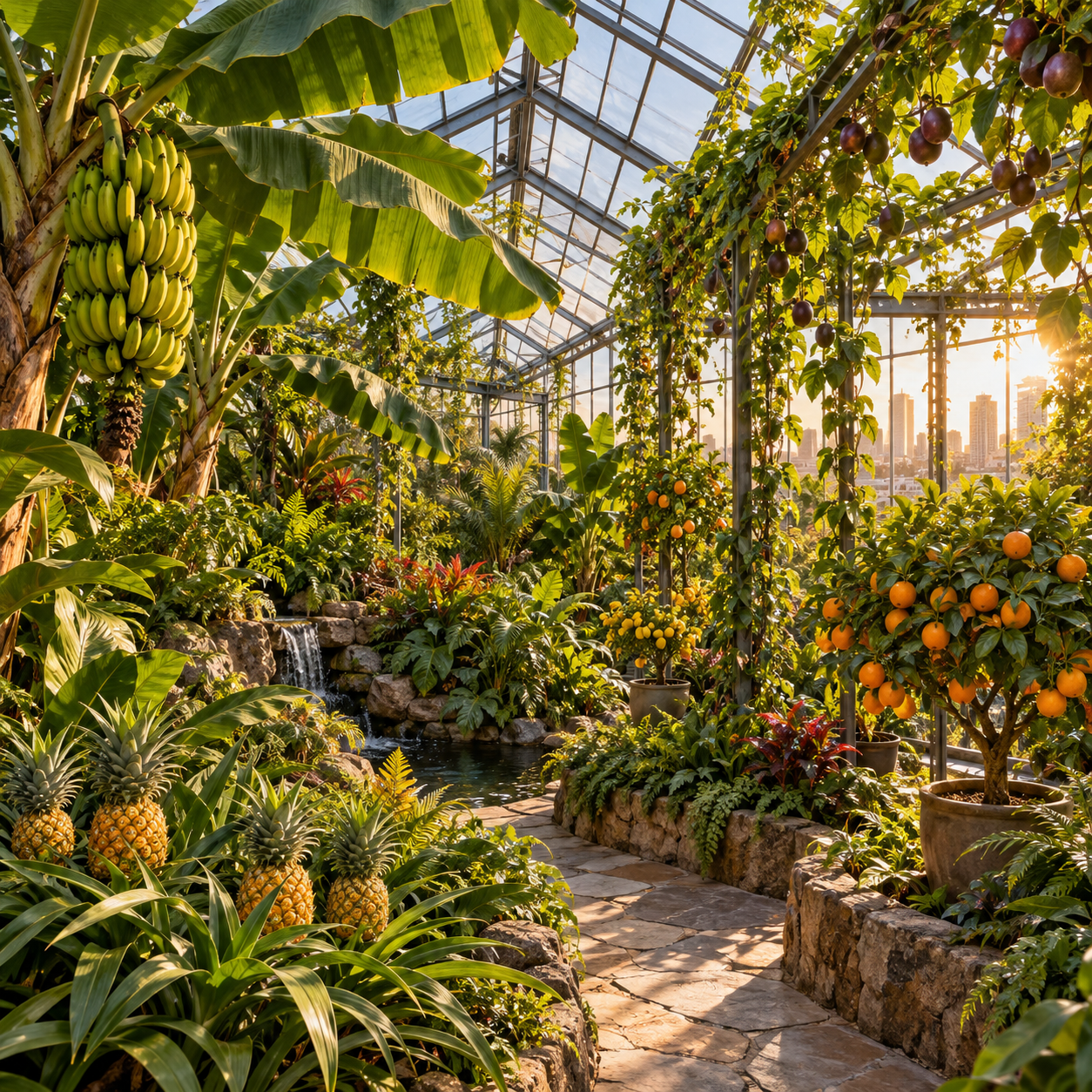
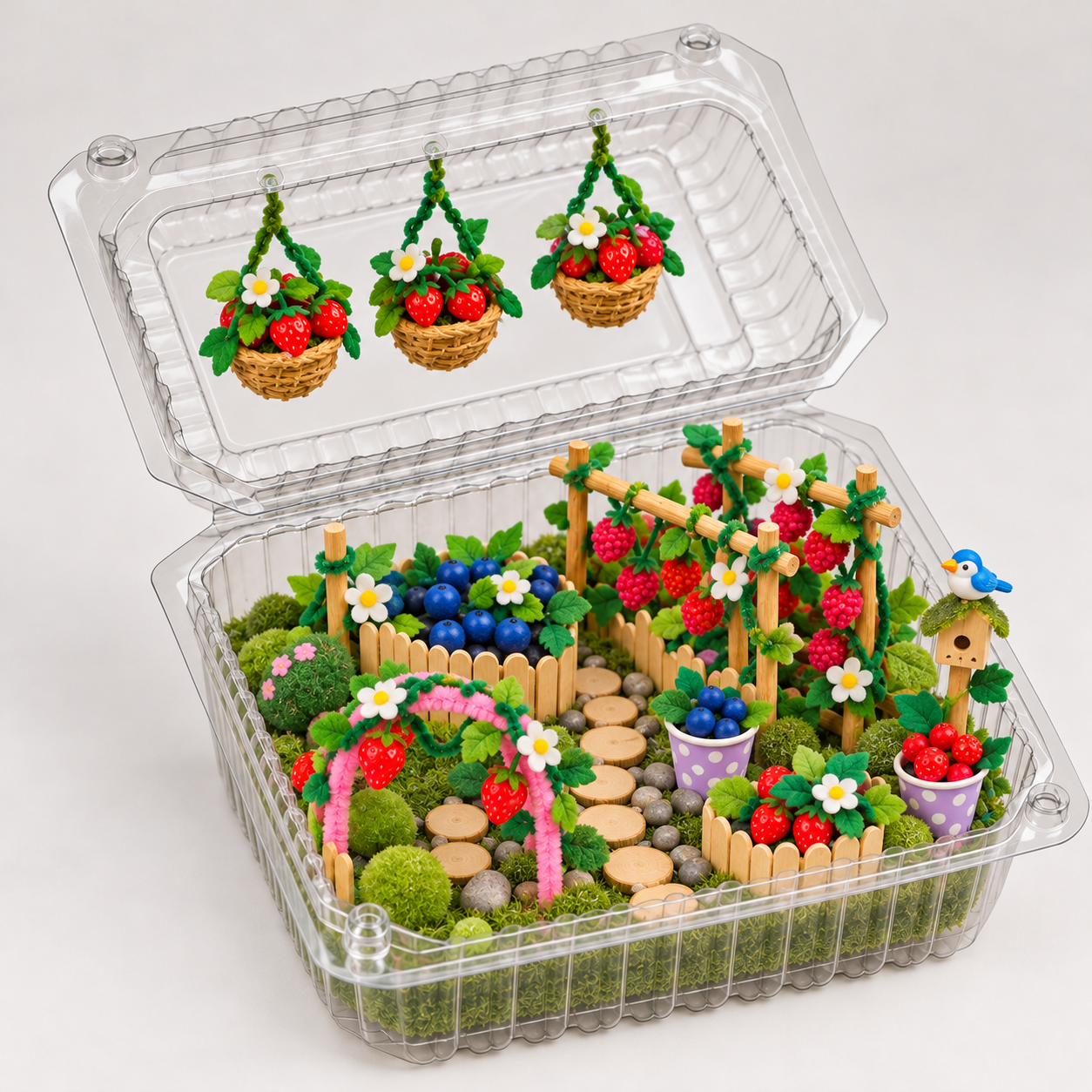
How will people feel cozy and happy?
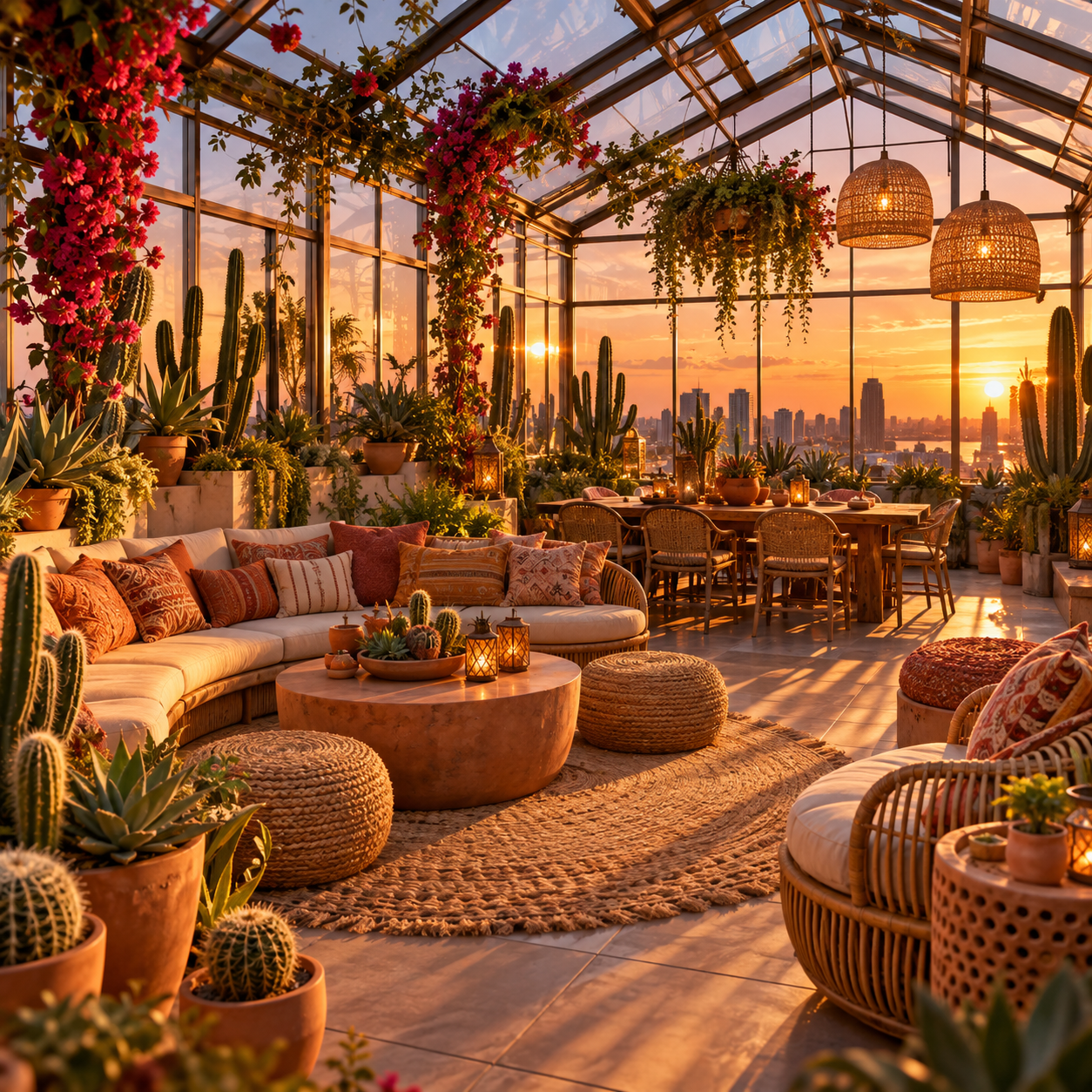
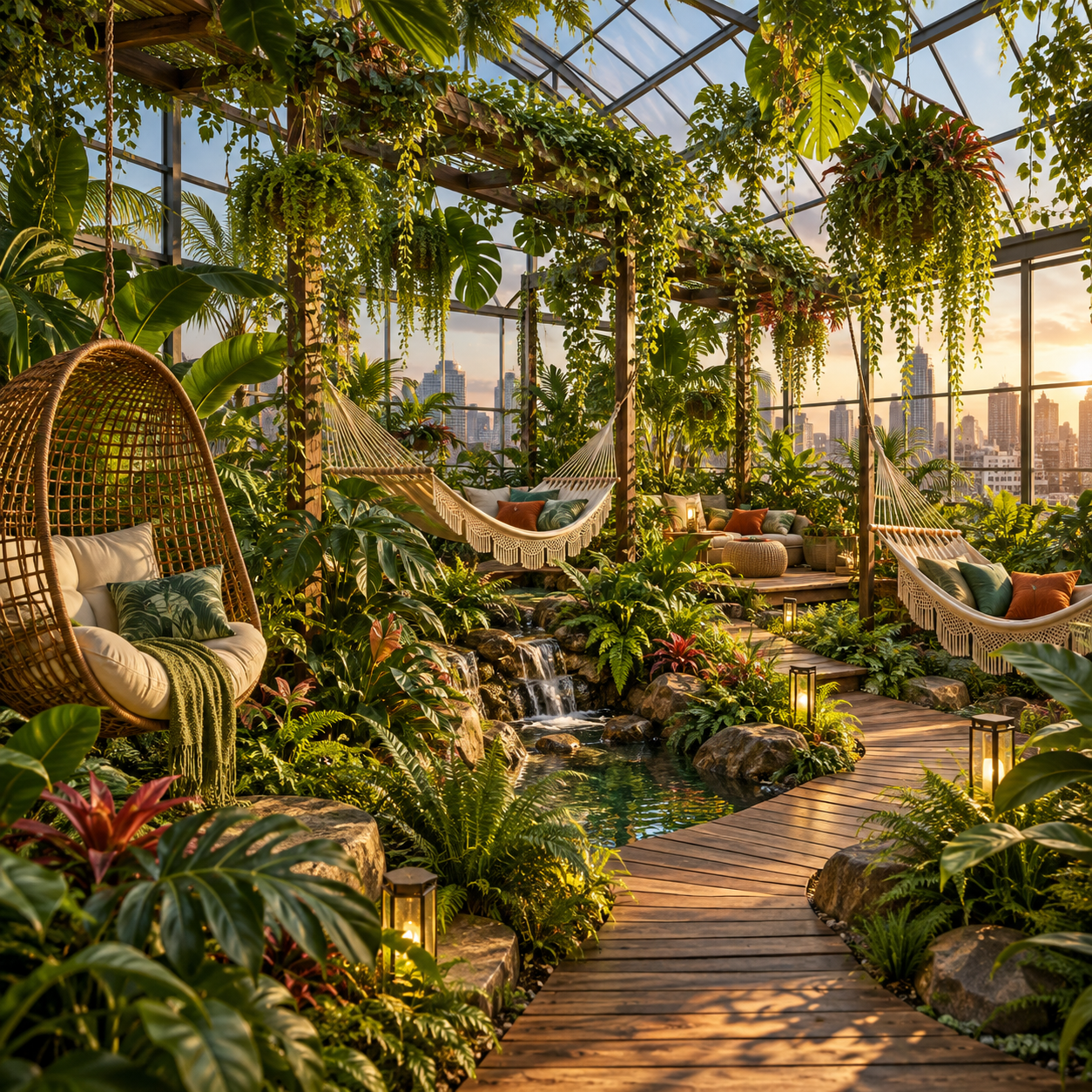
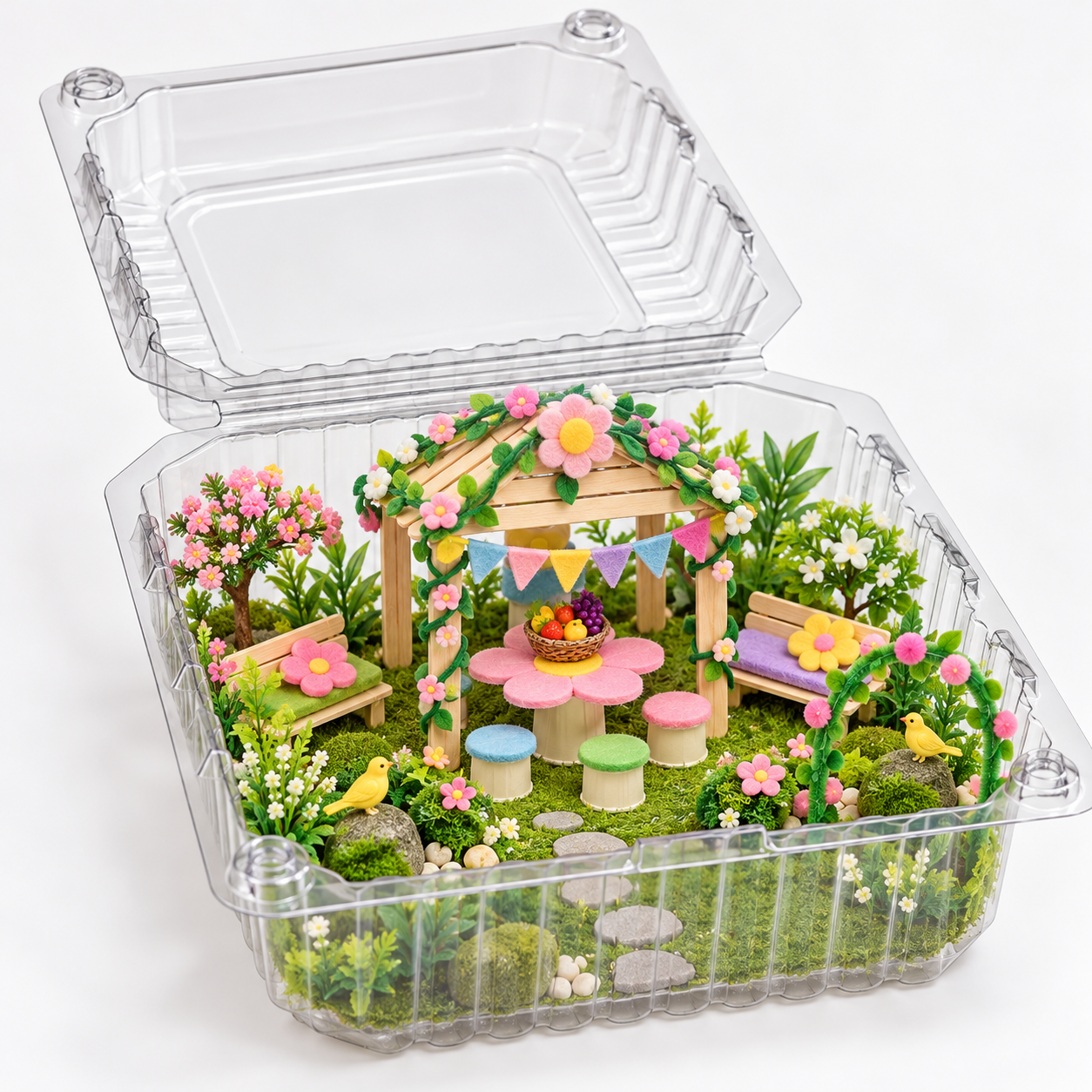
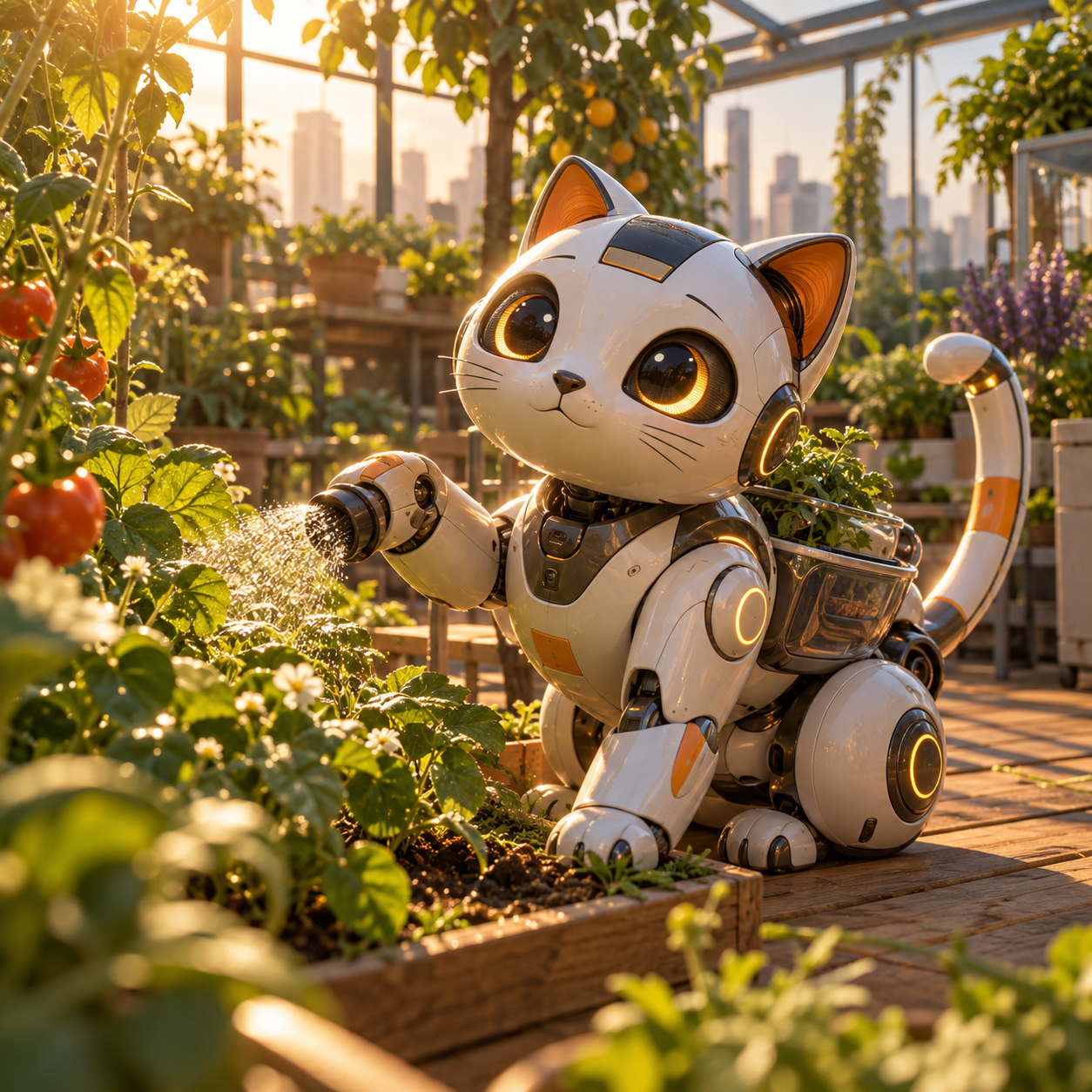
How will your greenhouse make and use energy to grow food in smart ways?
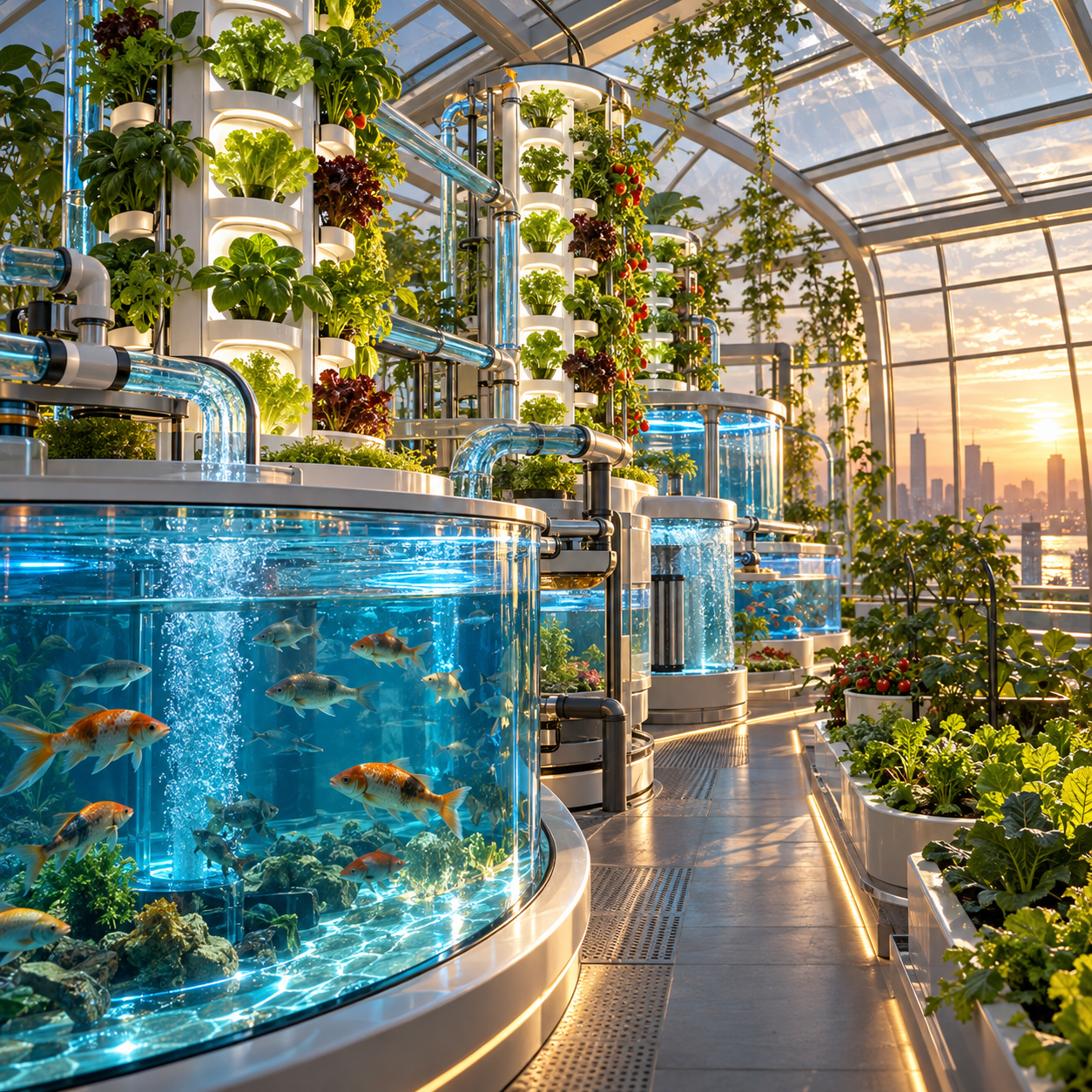
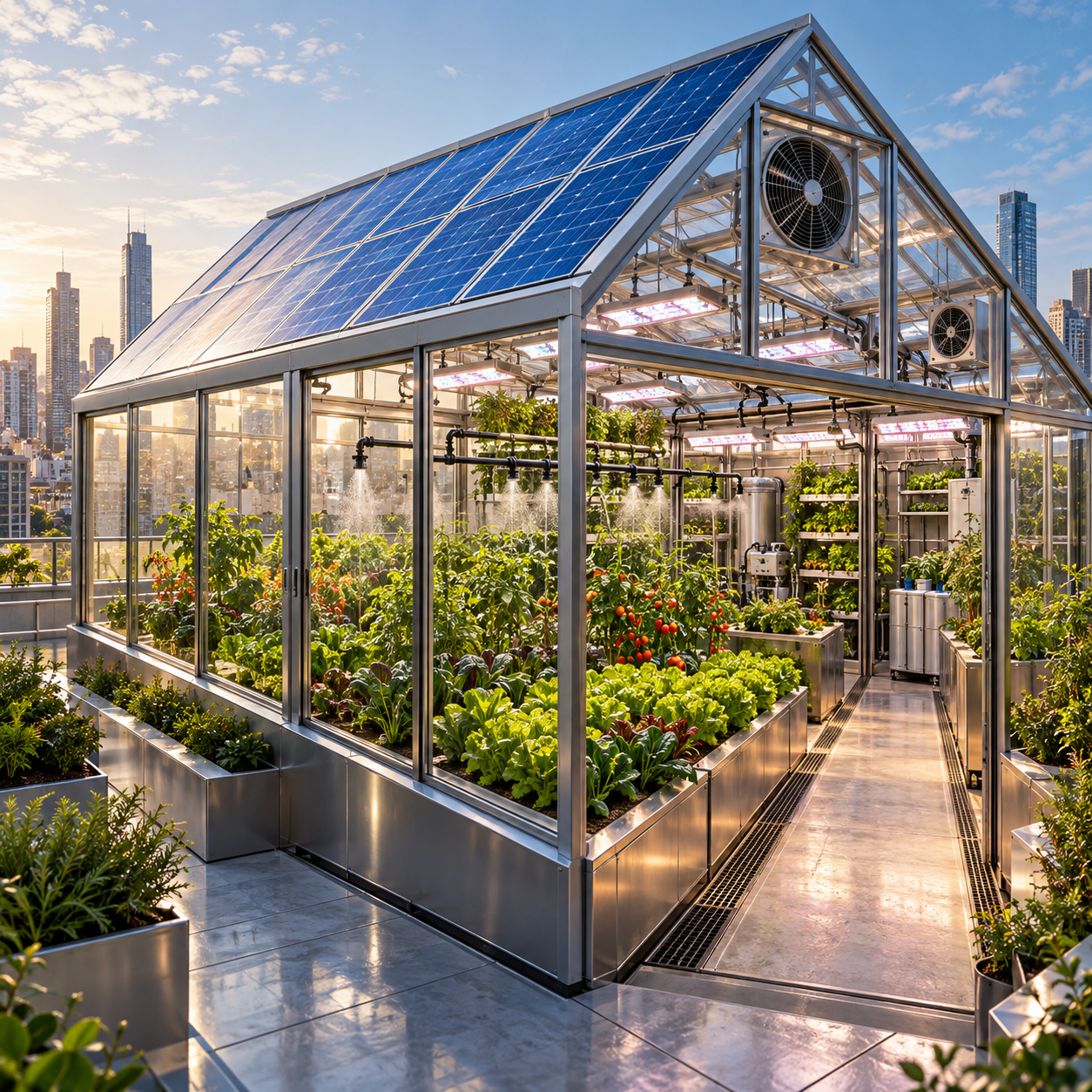
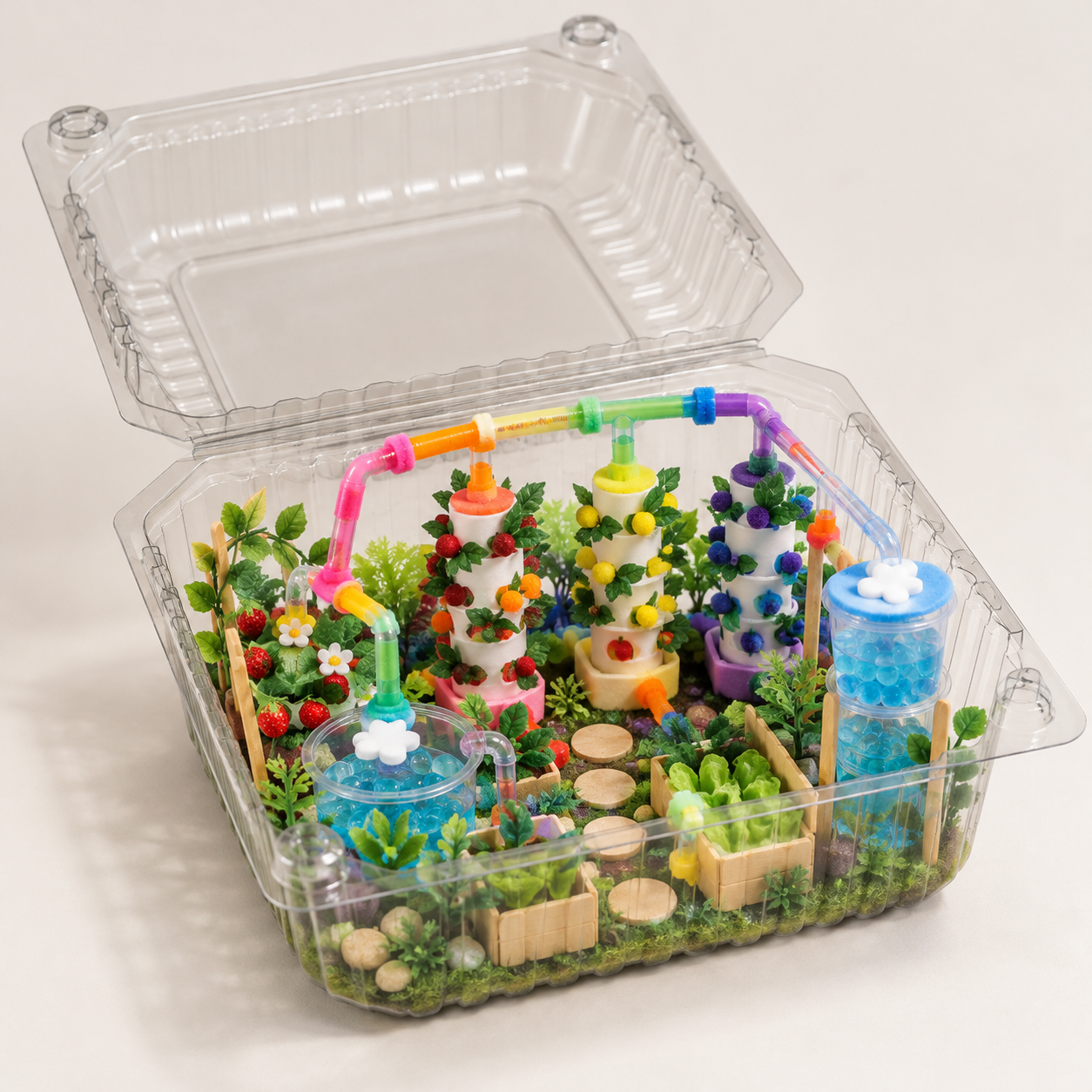
.png)


.png)
.png)