
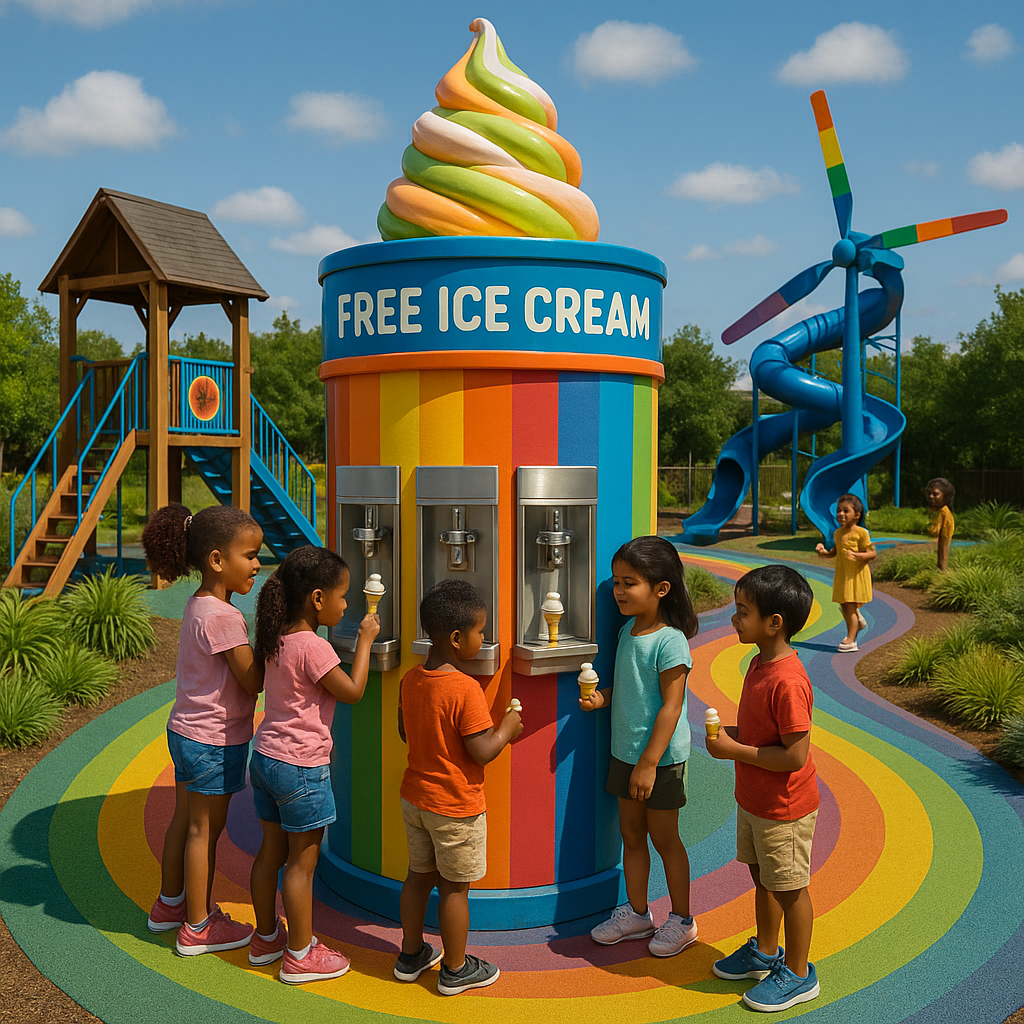
Imagine it’s the year 2067. Your city has hired you to design the newest playground of the future.
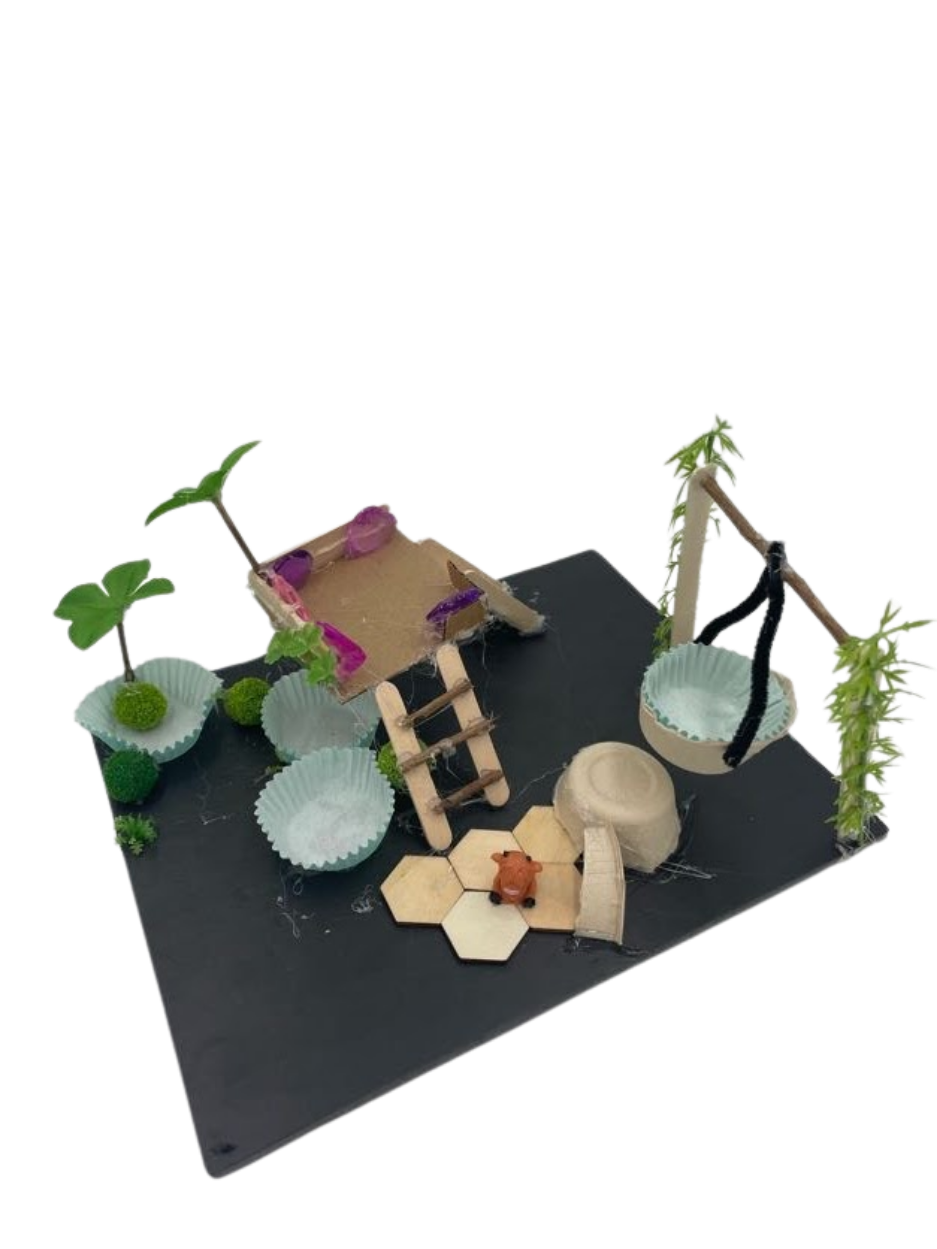
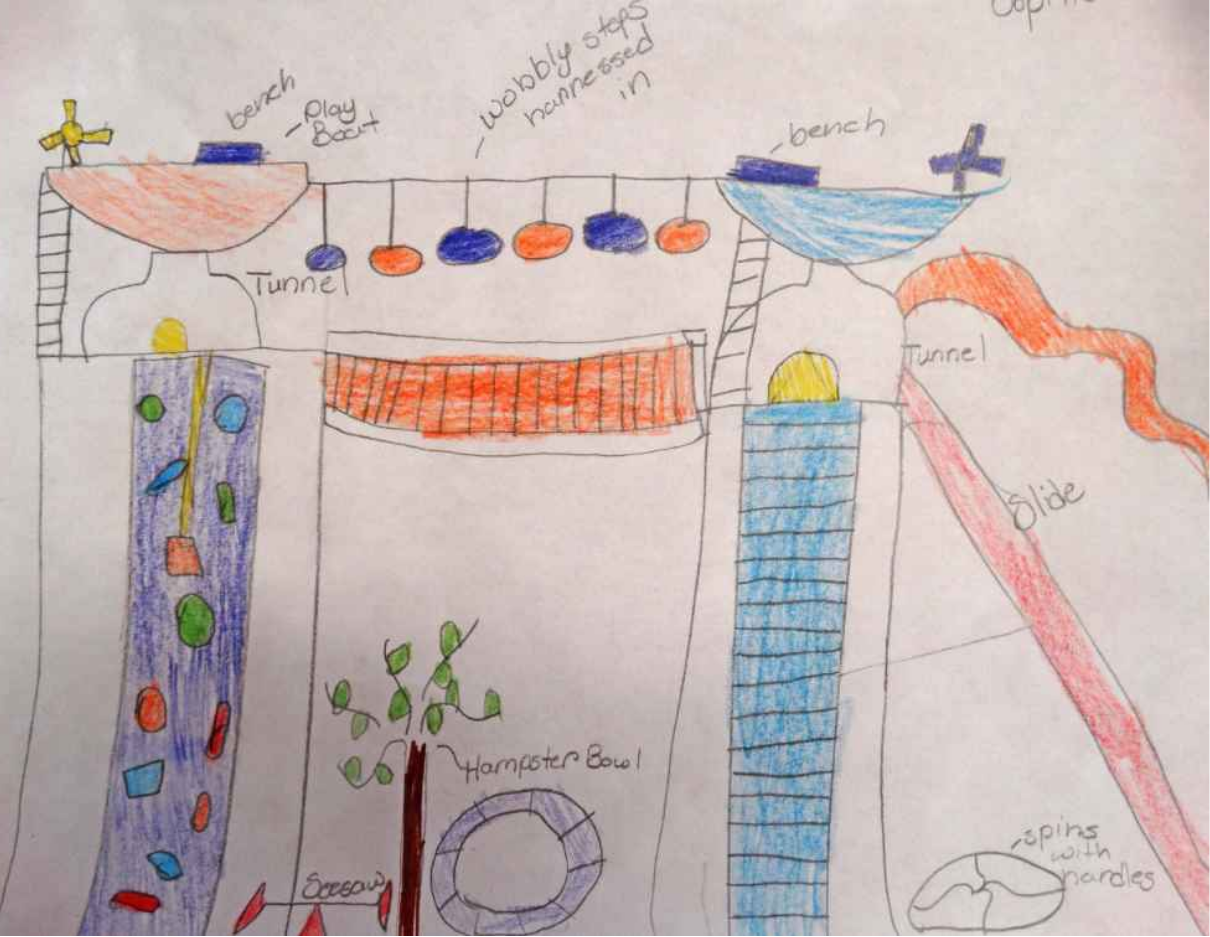
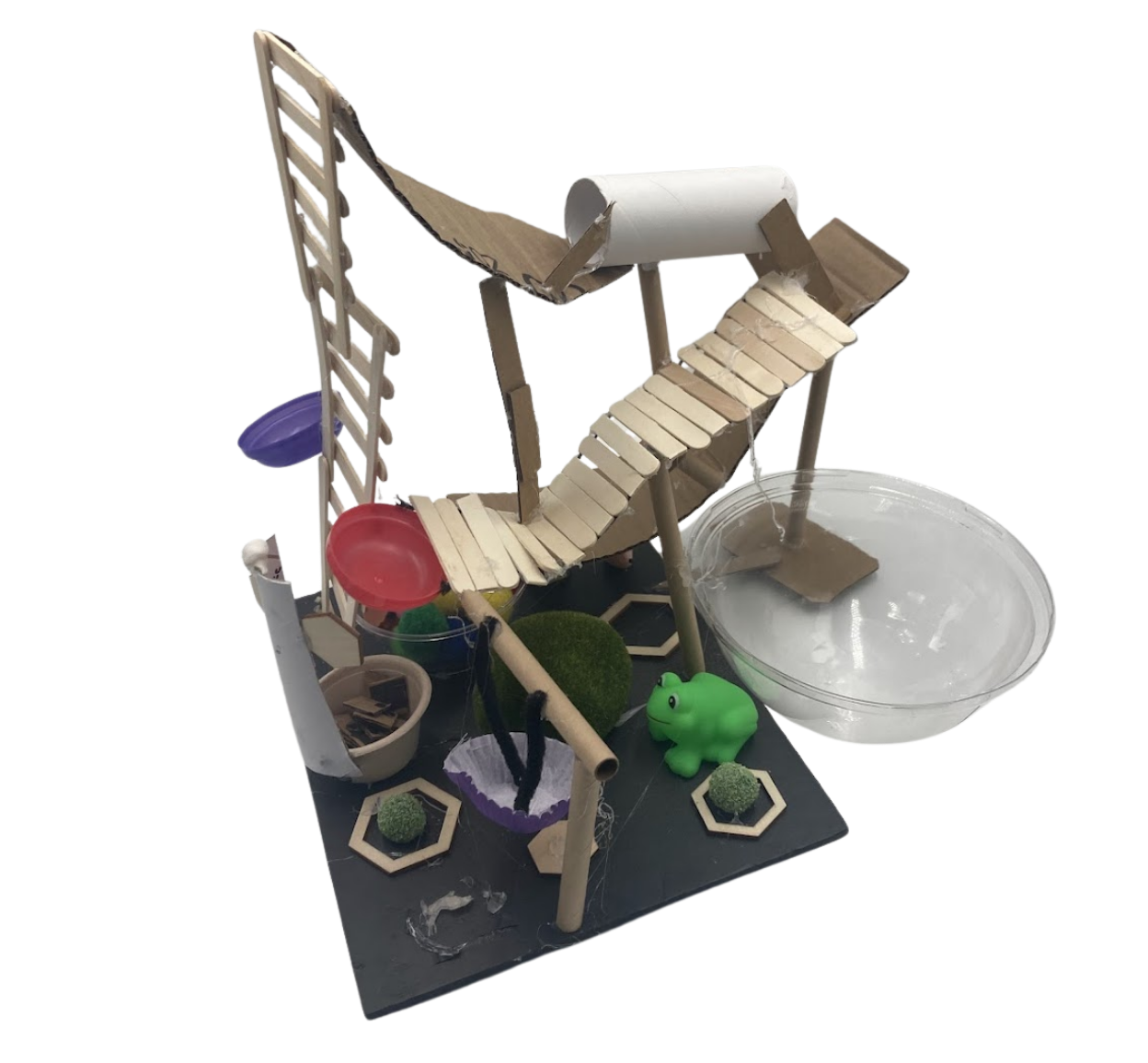
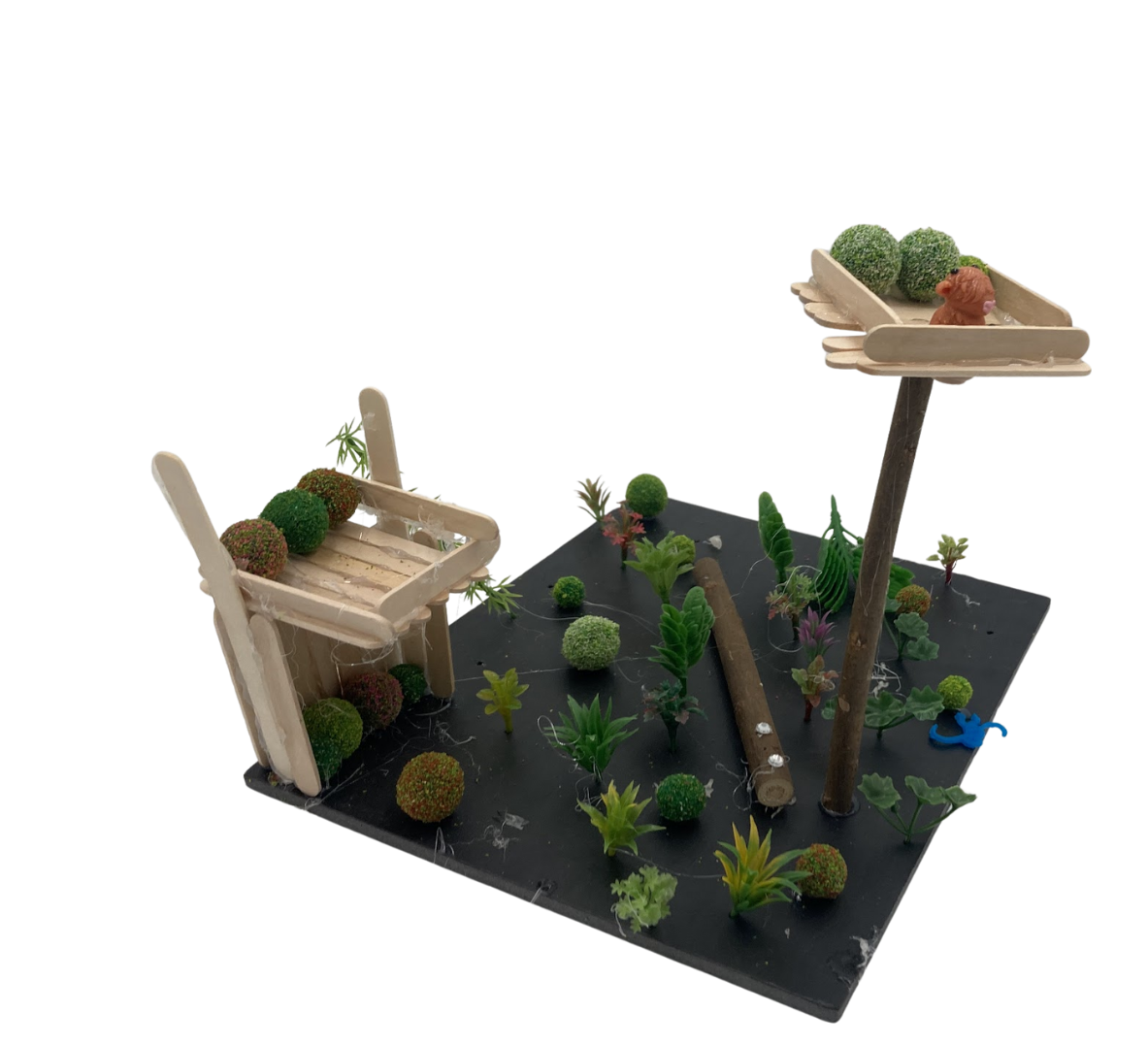
Your mission: Build a model of a playground that’s fun for everyone, kind to the planet, and totally unique.
What will your future playground look like?



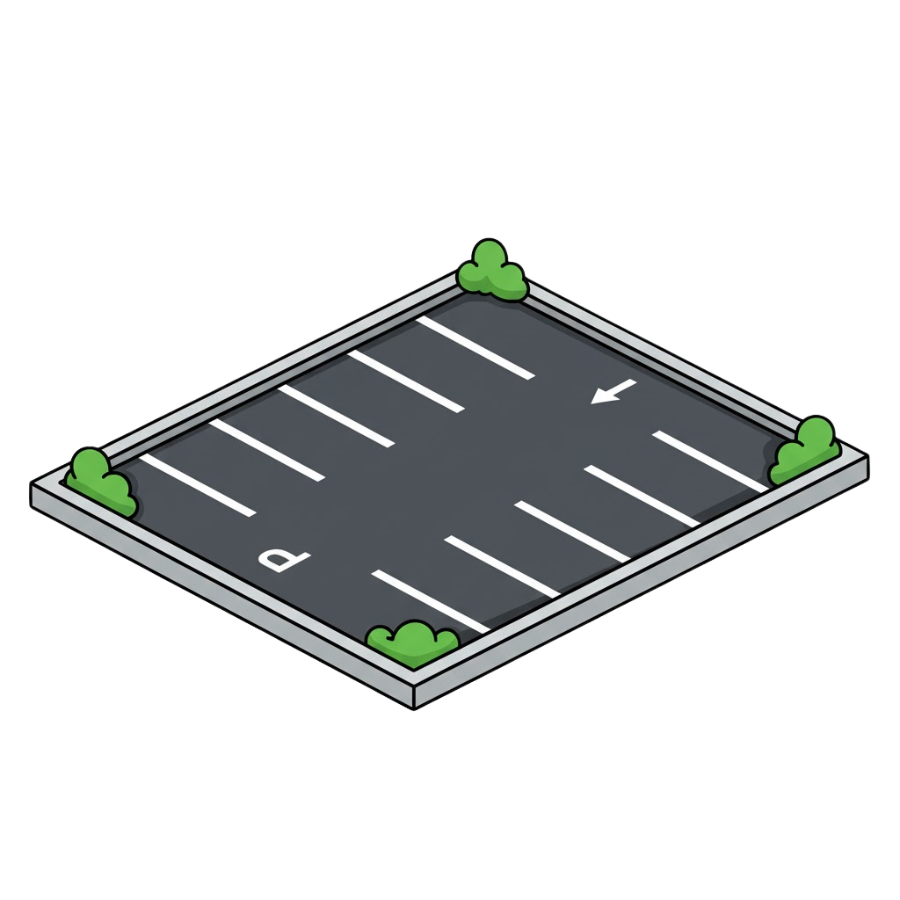

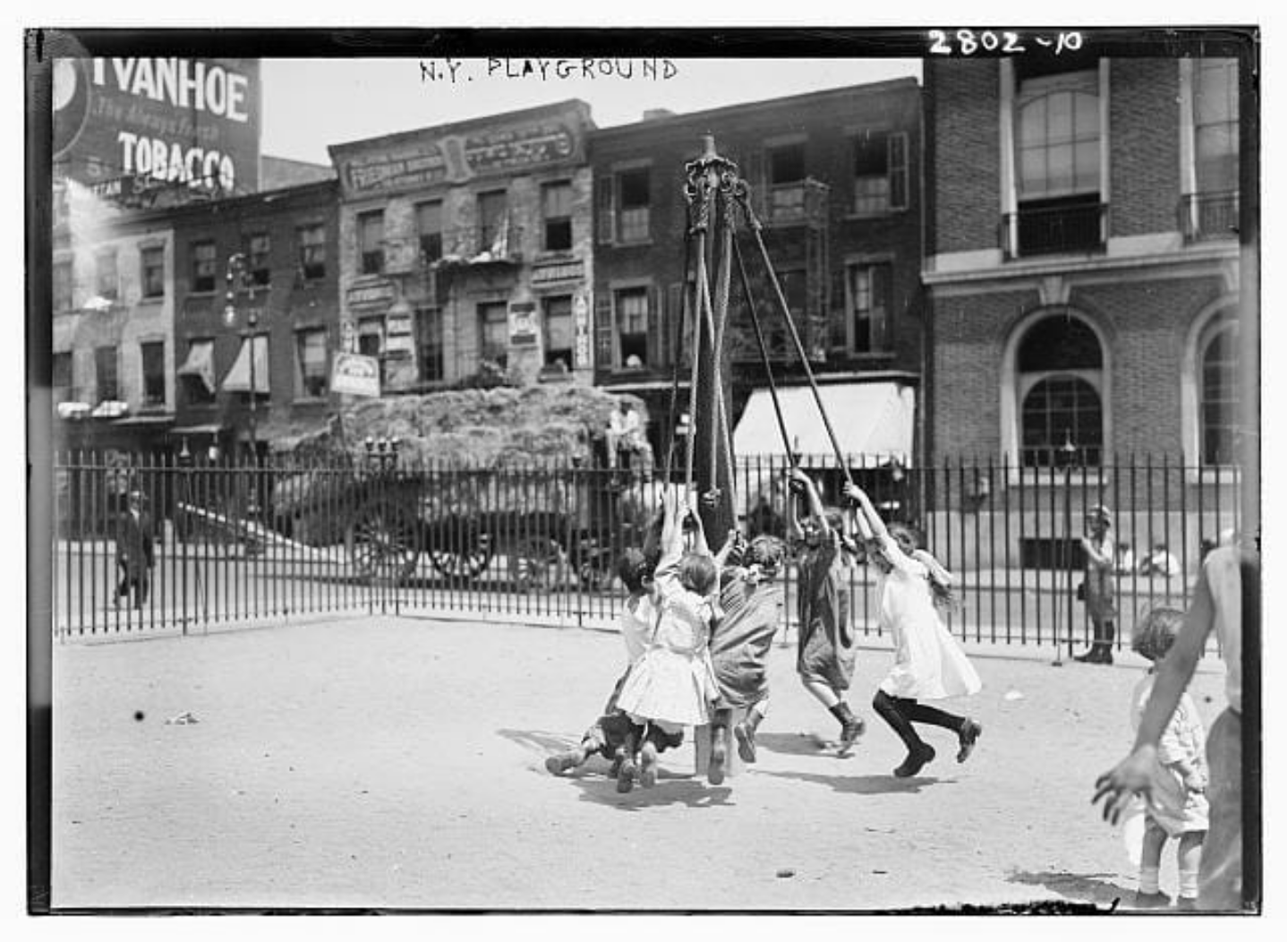
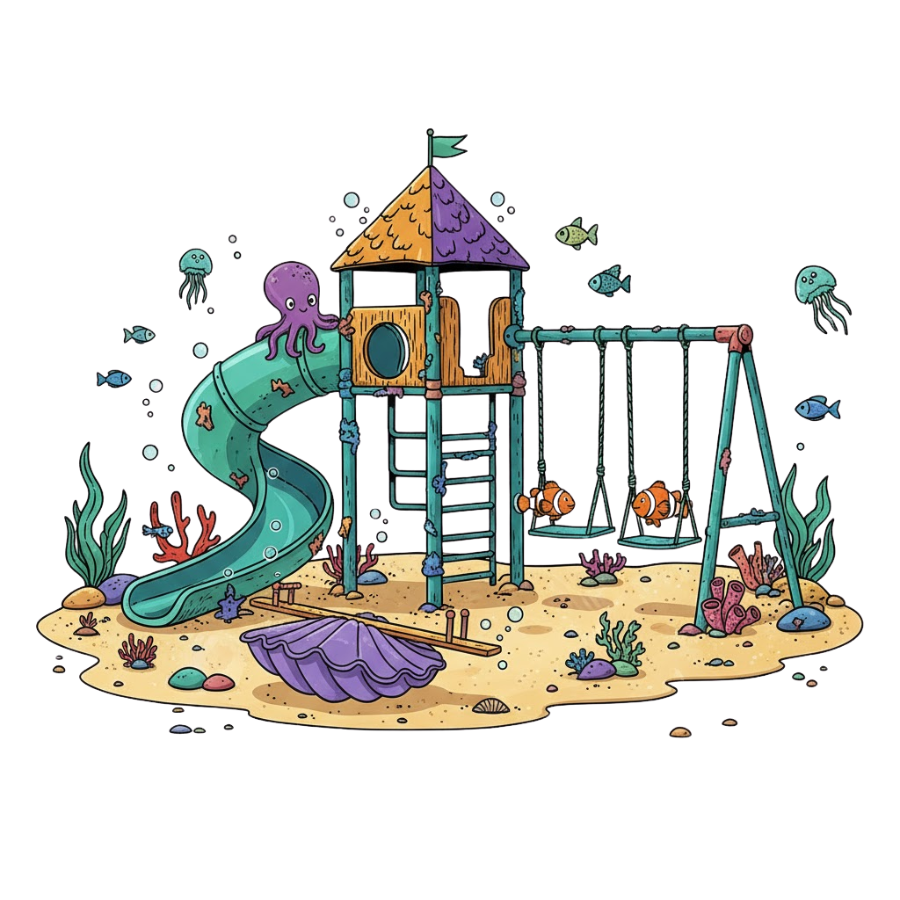
Early 'sand gardens' started in Germany in the 1850s and used sand pits to create a safe place for kids to play—ideas that later spread to the U.S.


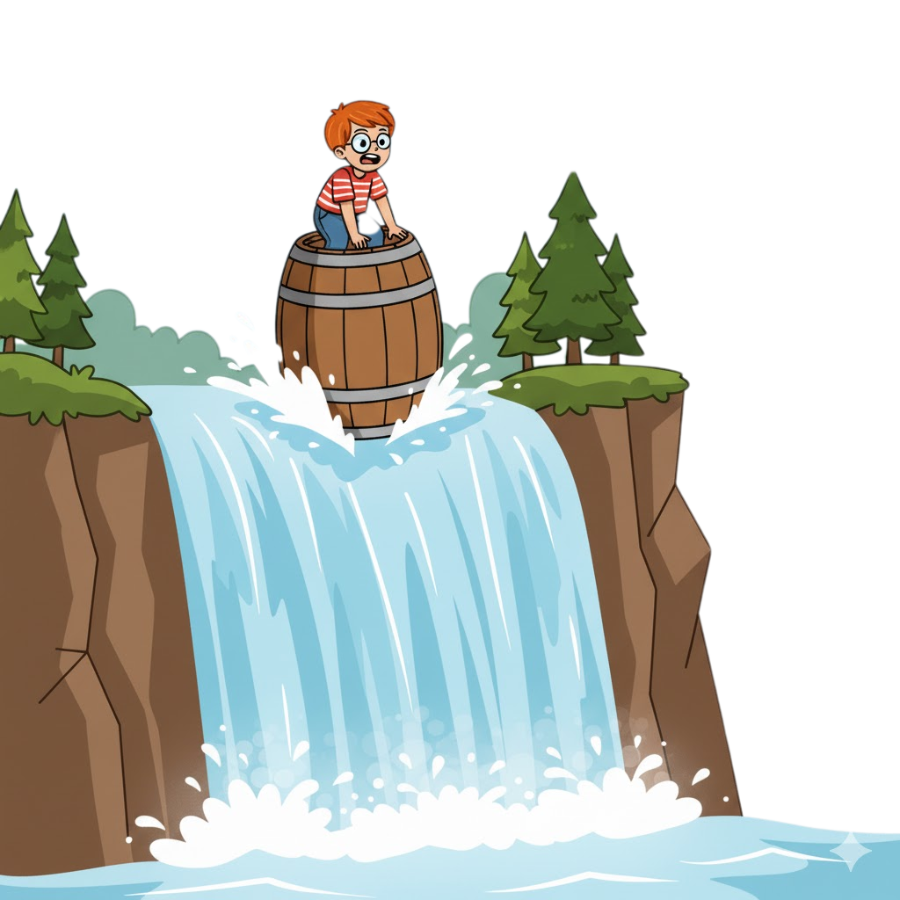
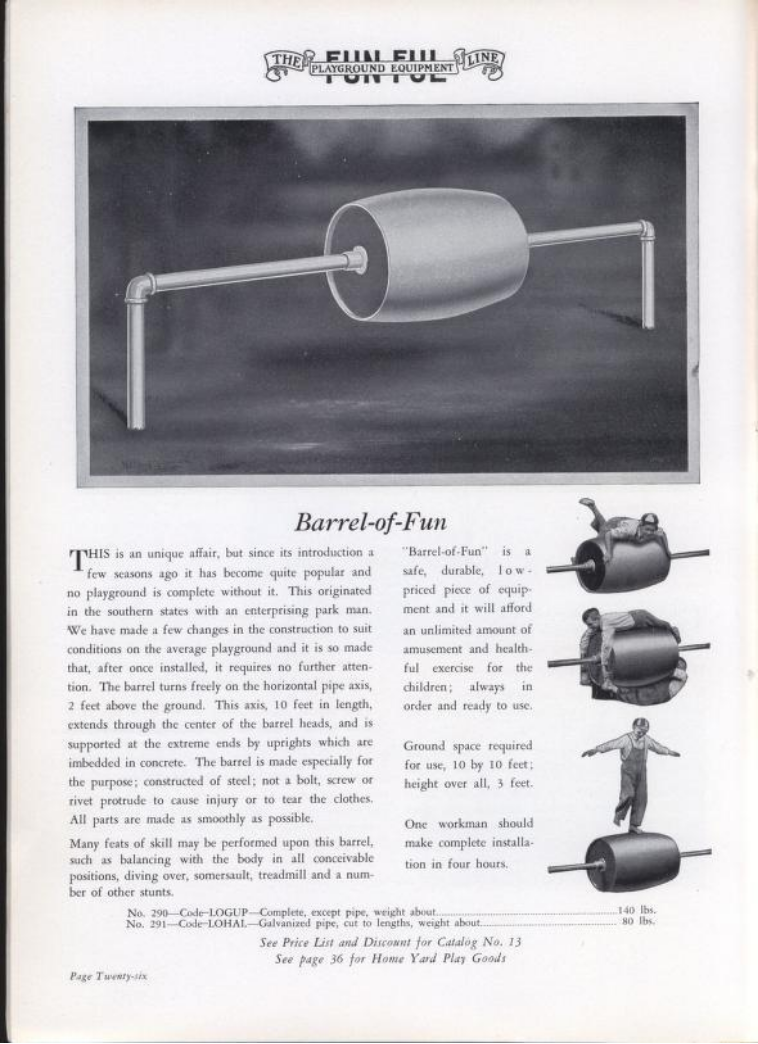
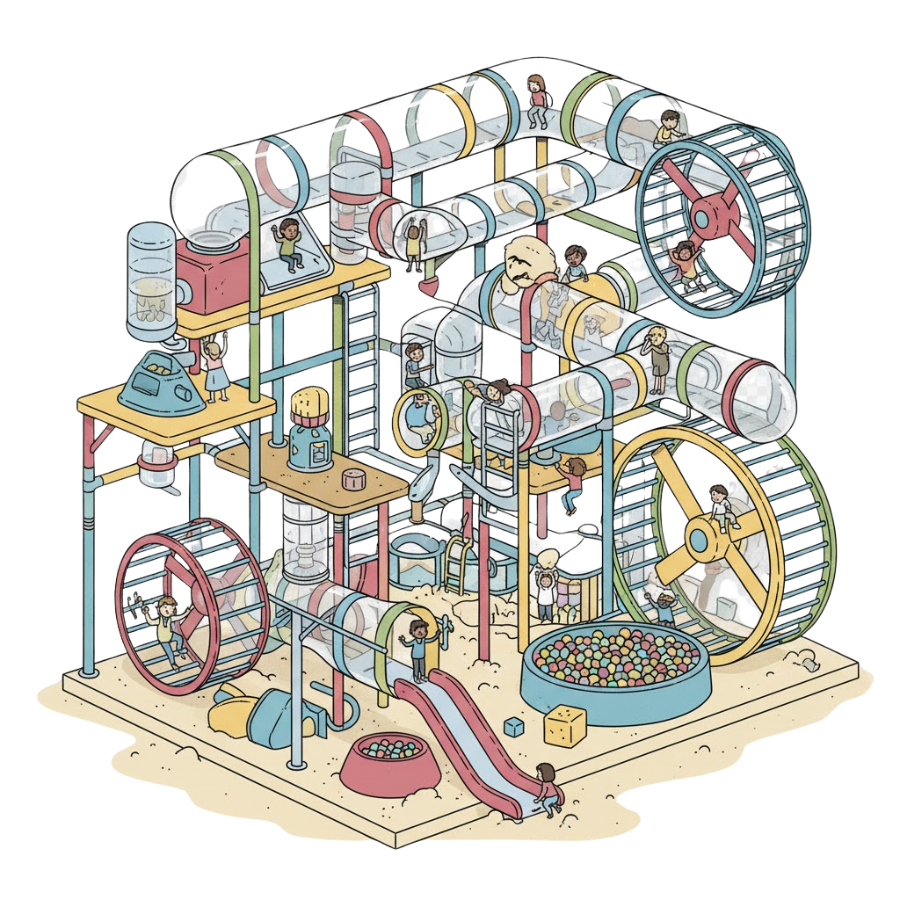
The 'Barrel-of-Fun' was a large rotating cylinder—like a giant hamster wheel—that kids could walk or run on. It was removed in many places for safety.



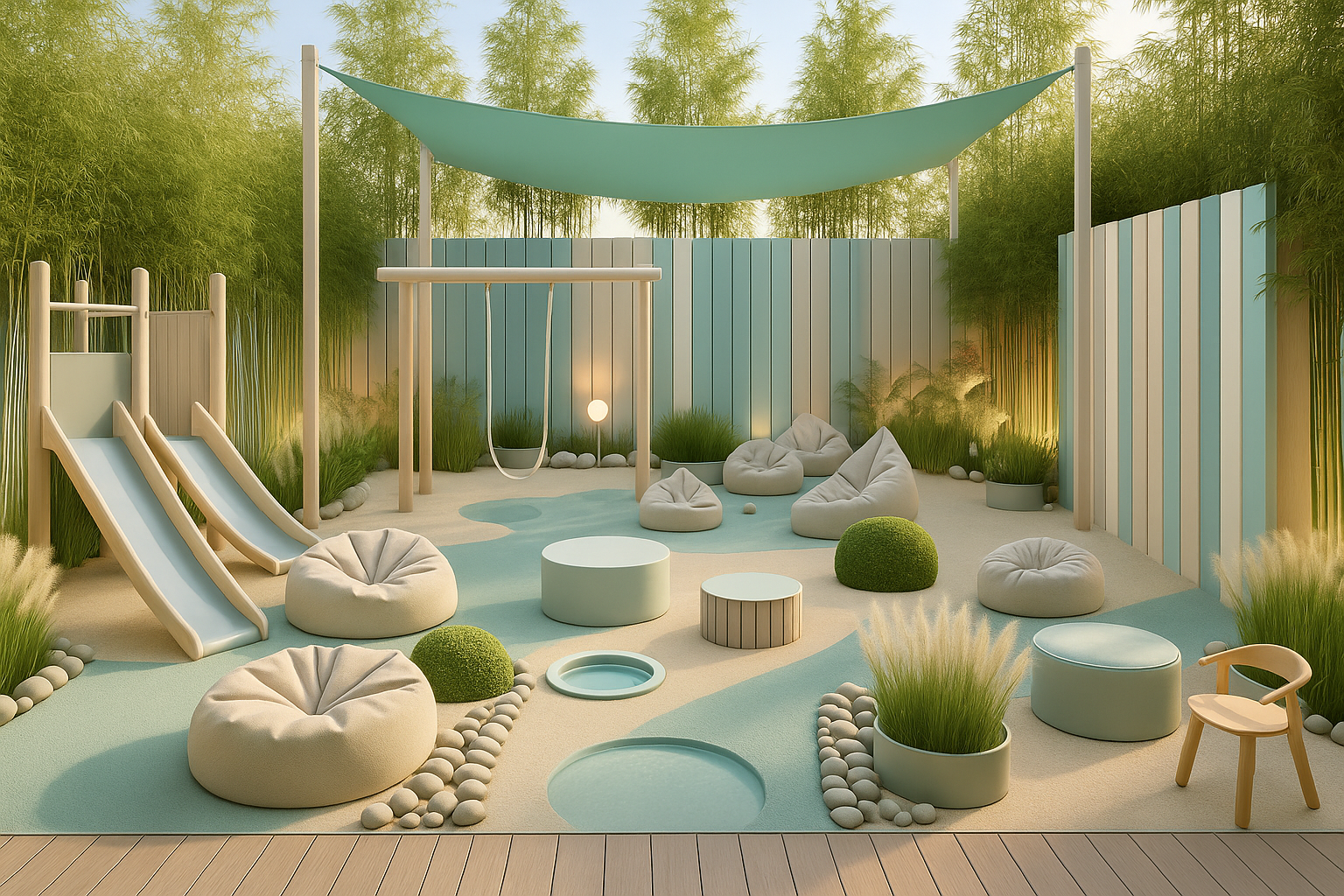
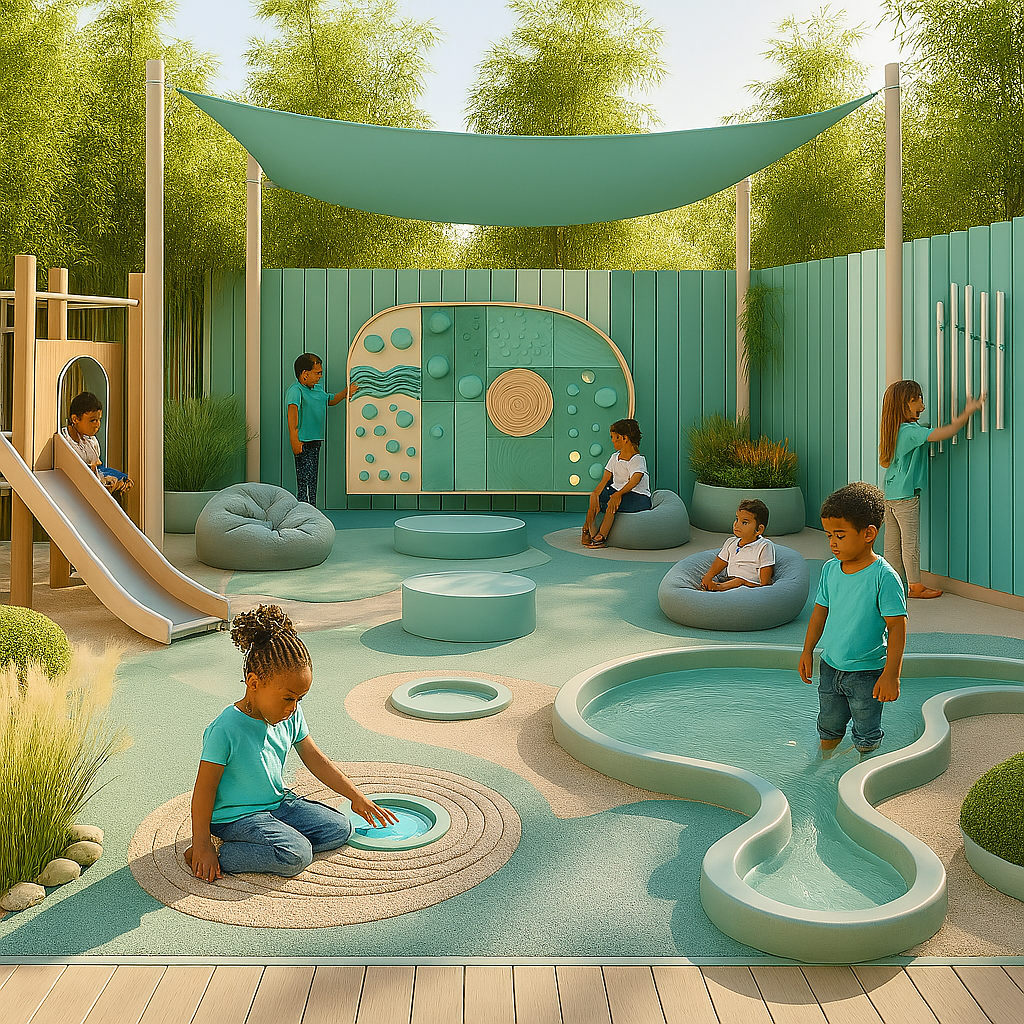
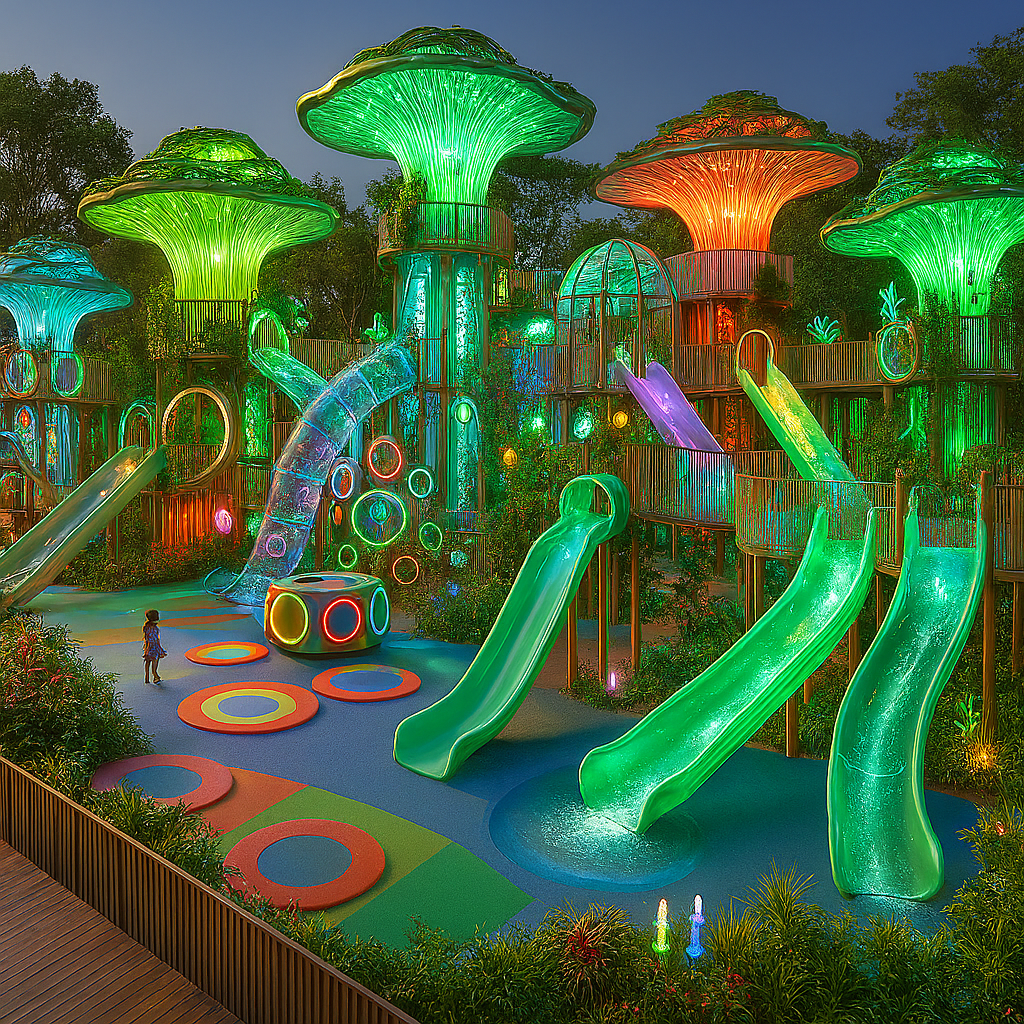
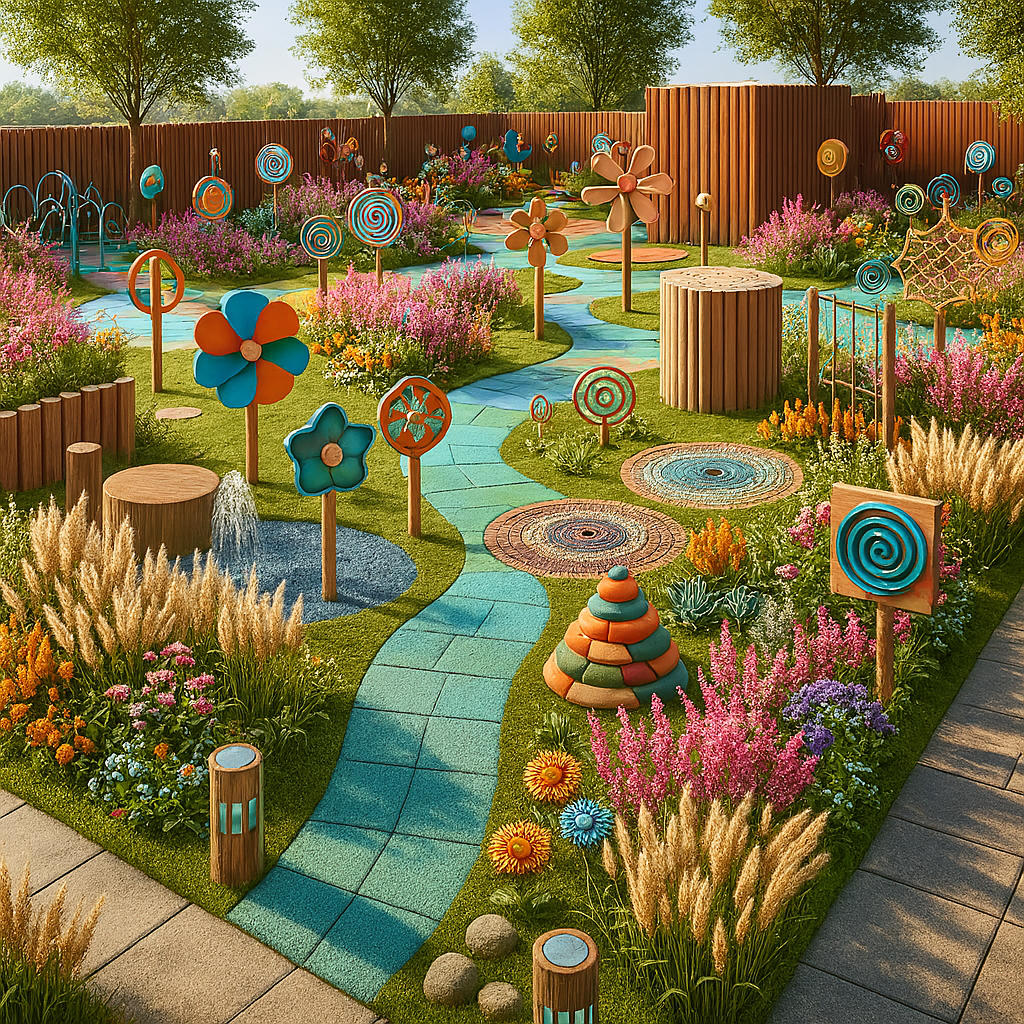
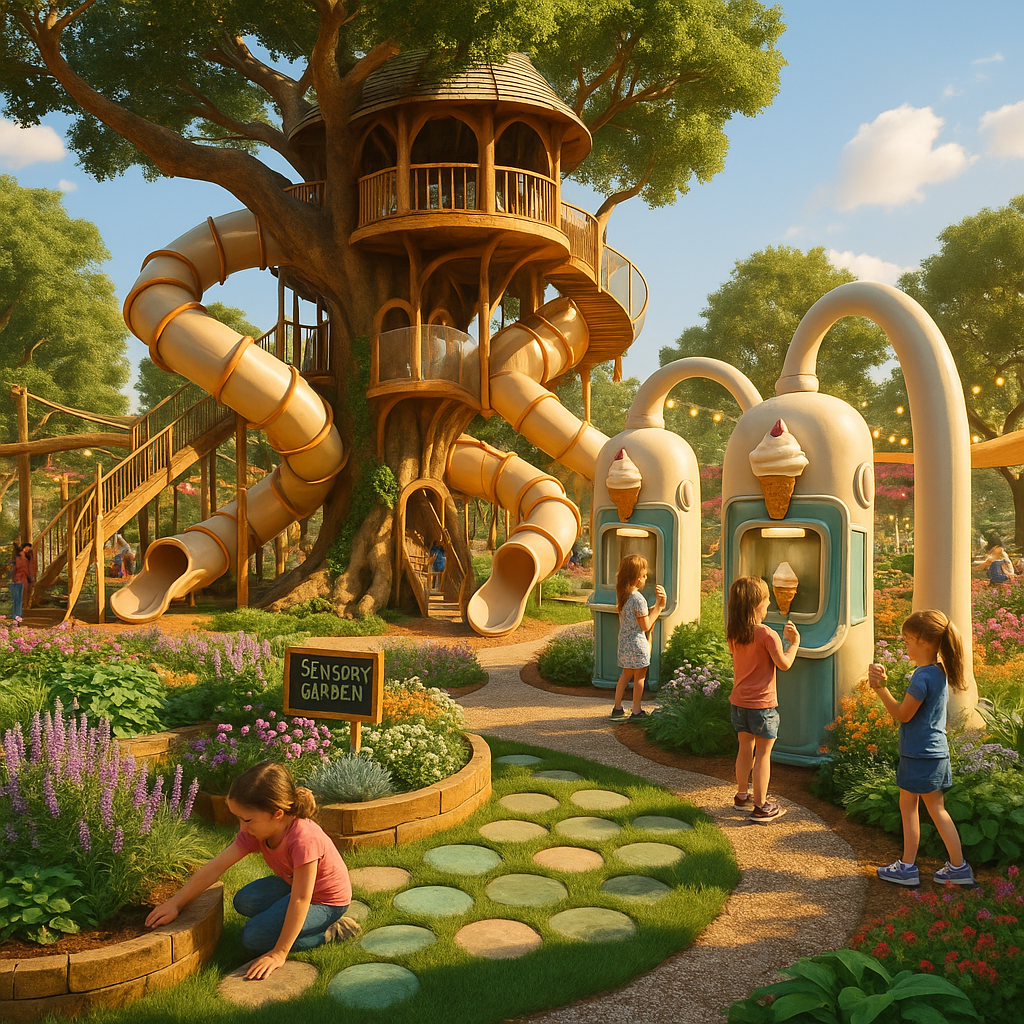
Sensory-friendly designs use calm spaces, textures, and gentle lighting so kids who prefer quieter environments can play comfortably.
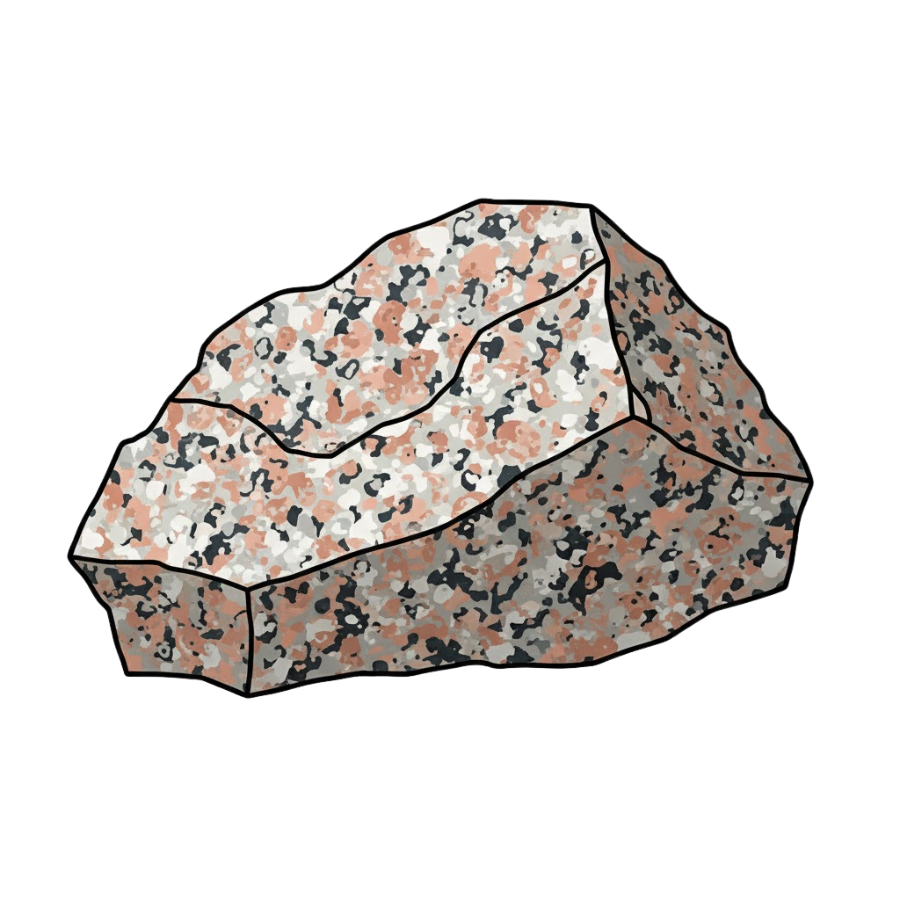


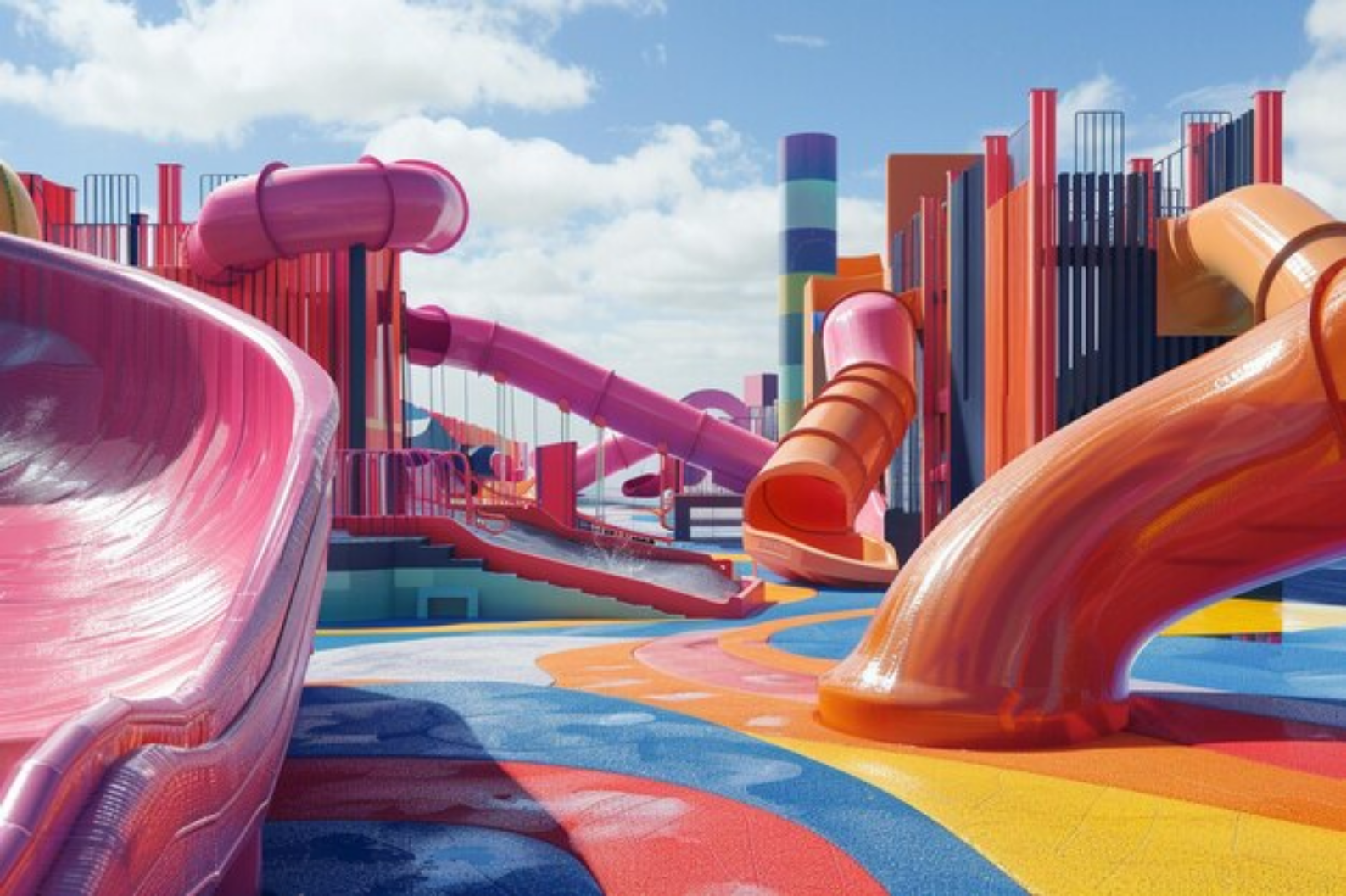
Many modern playgrounds use durable, recycled plastics and rubber—choices that balance safety, sustainability, and maintenance needs.

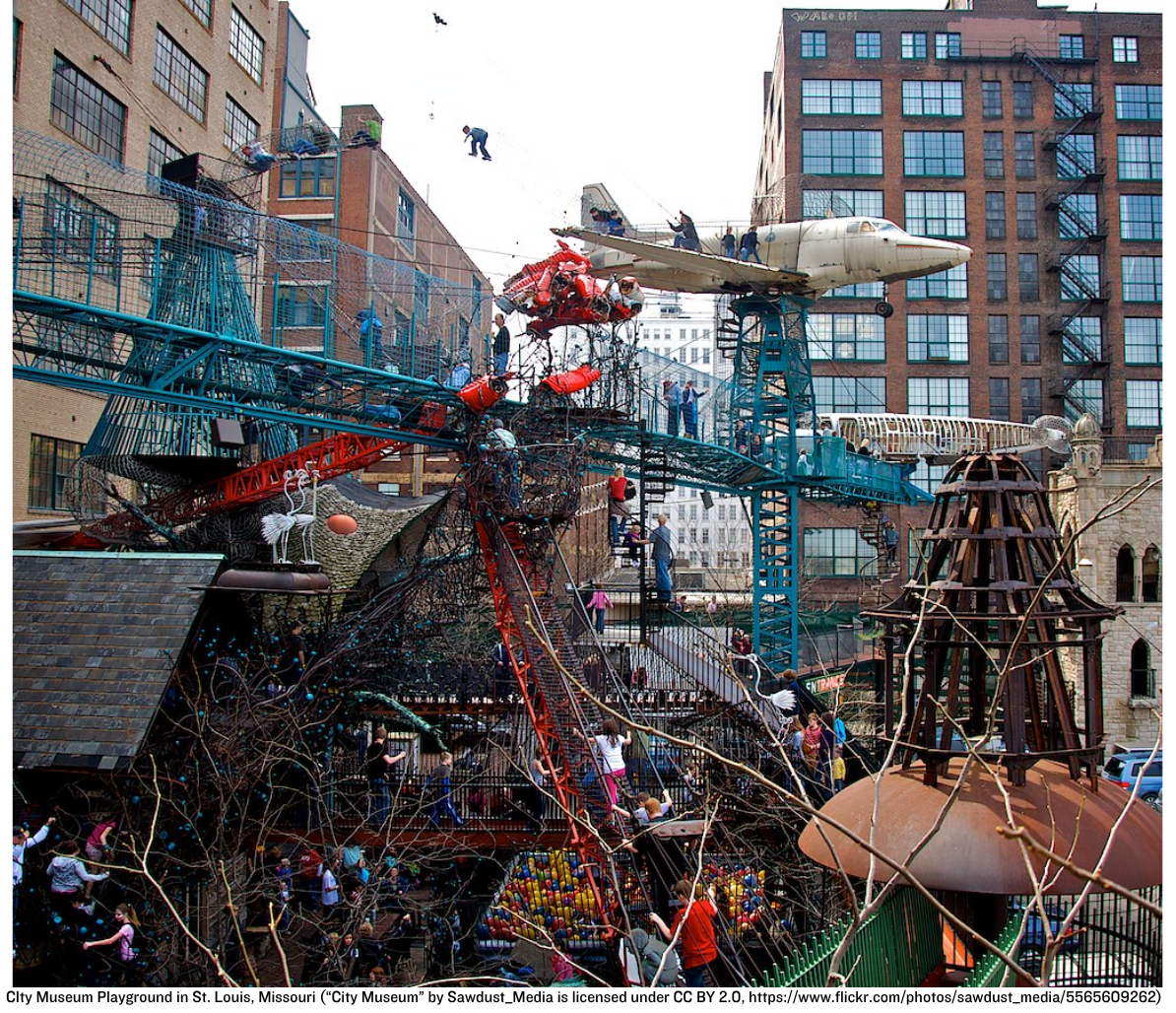
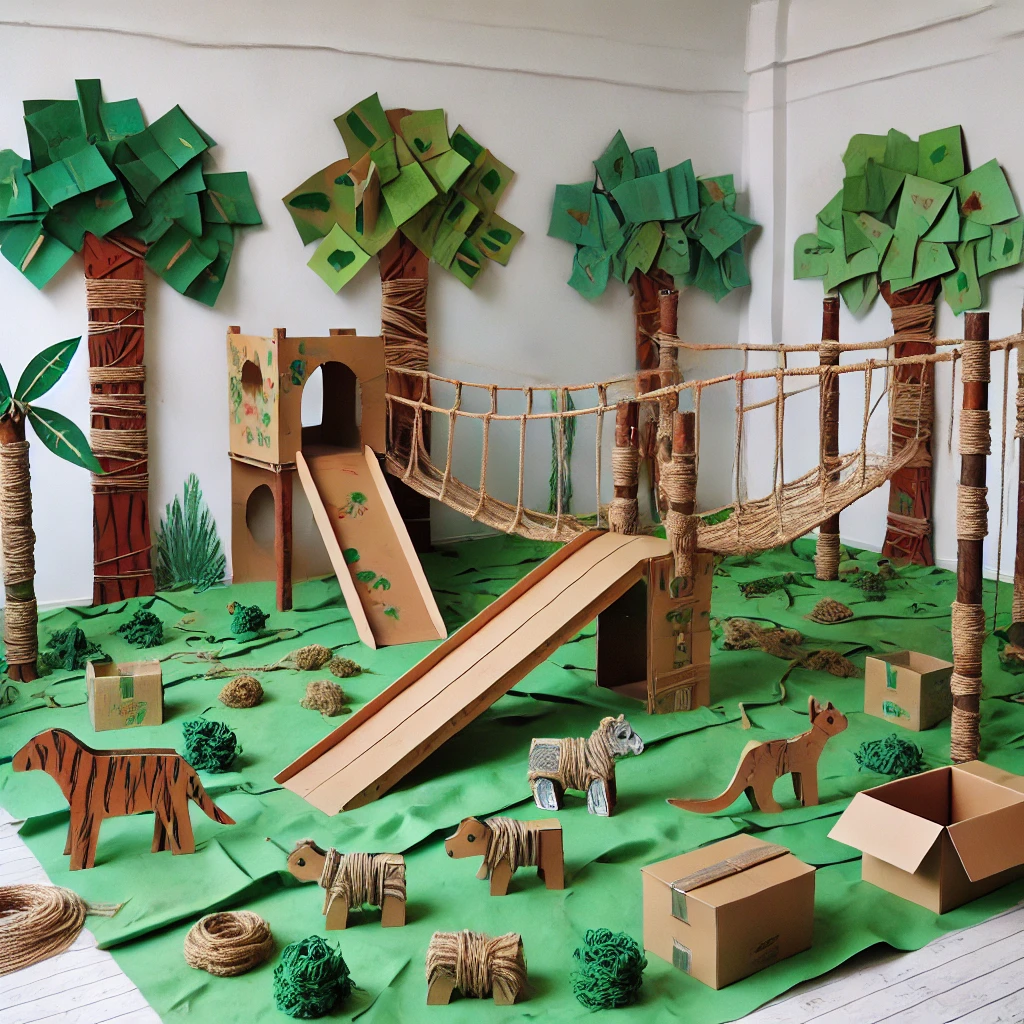
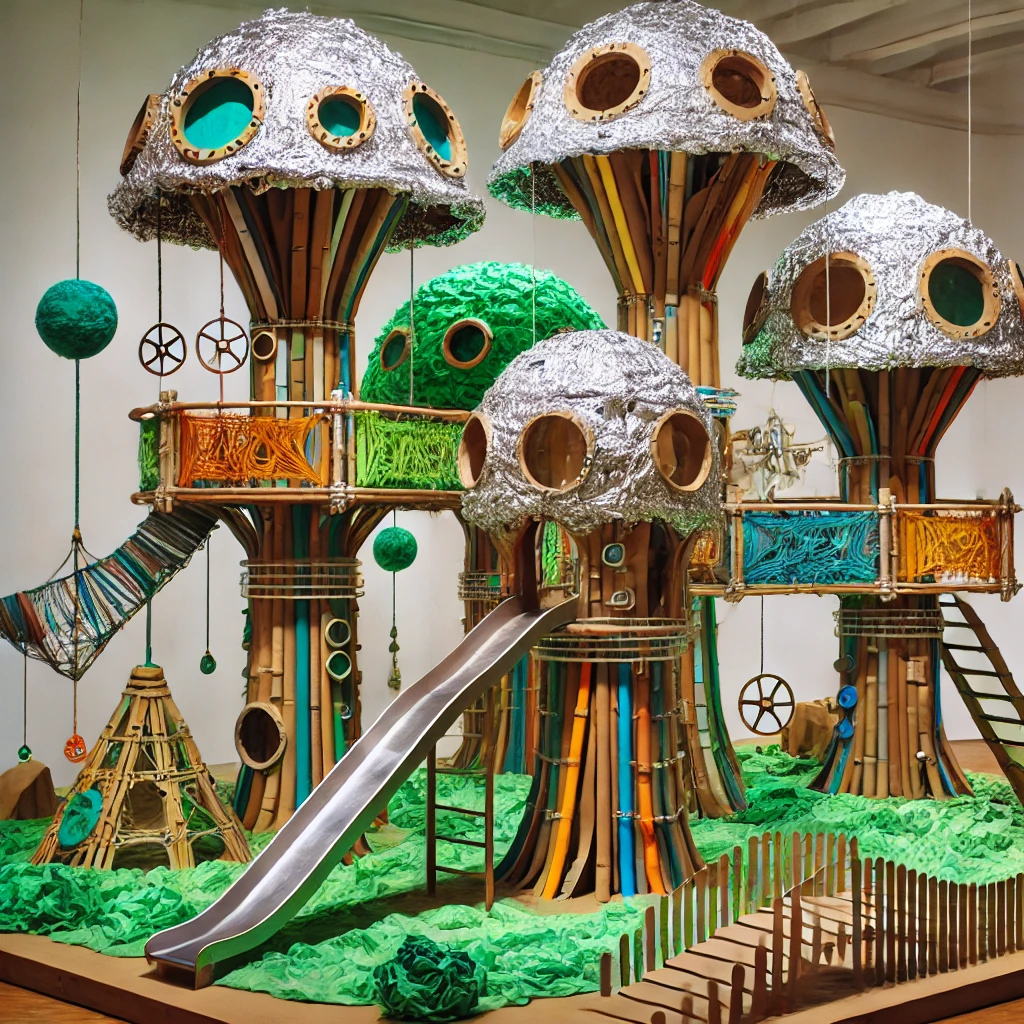
The City Museum’s outdoor playground is made from repurposed materials like old planes and firetrucks—turning scrap into a climbable art adventure.
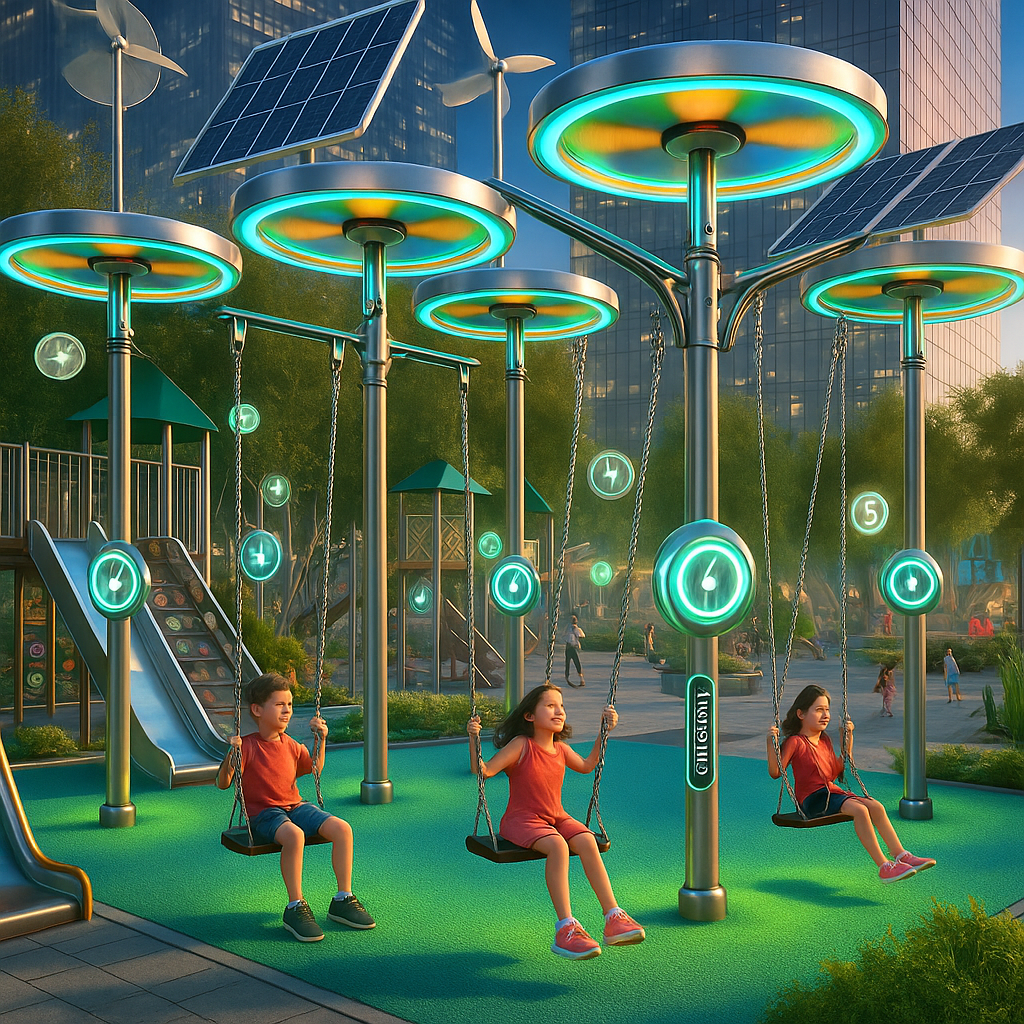
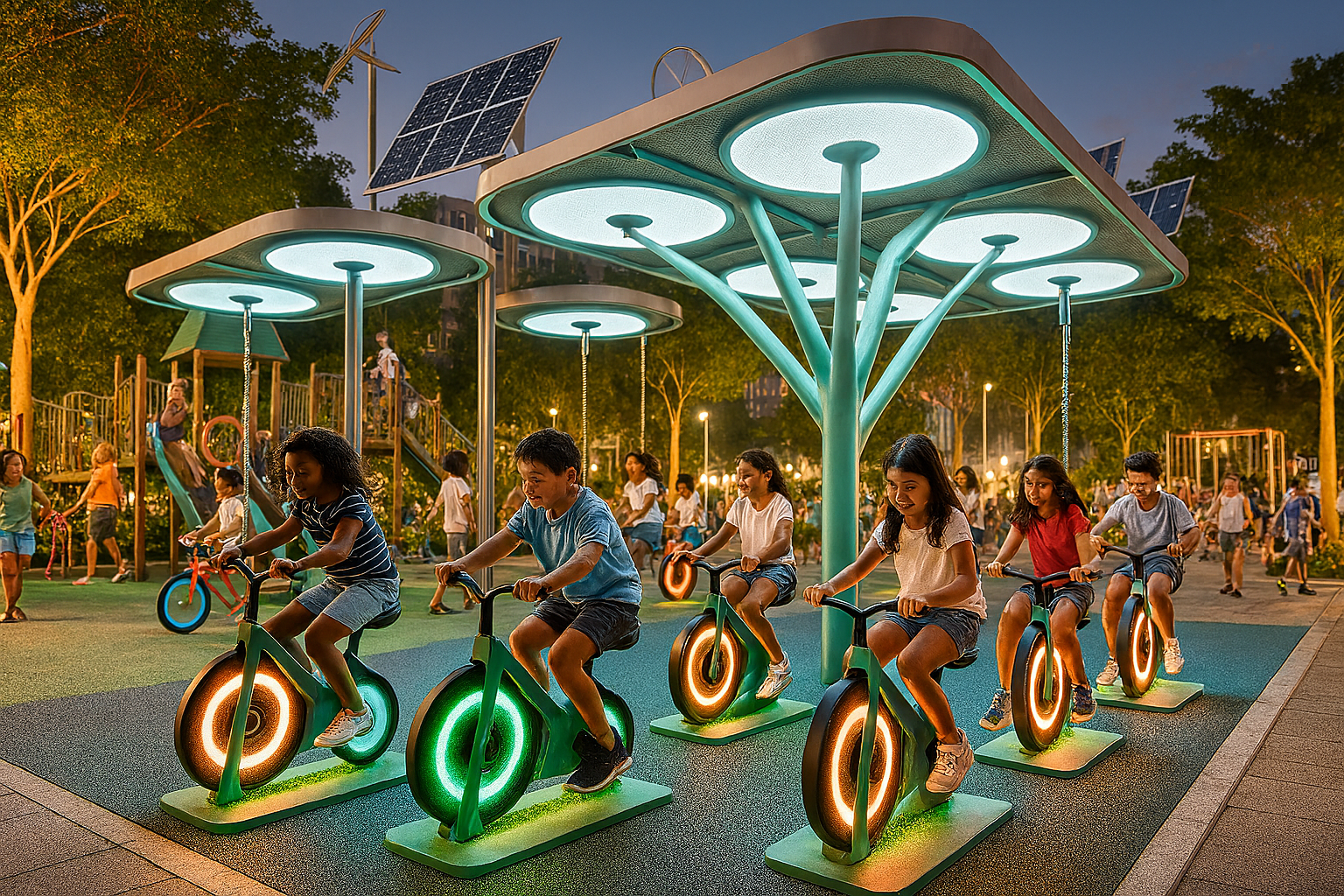
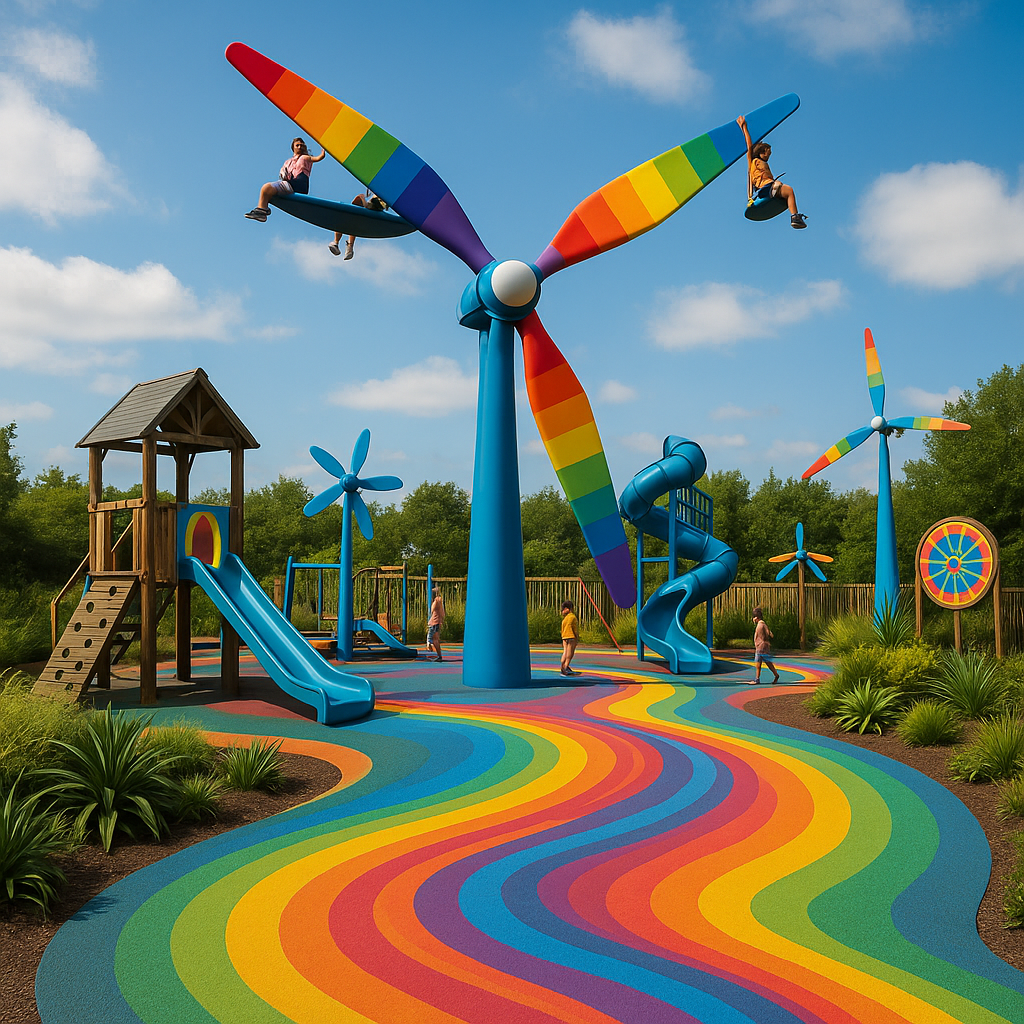

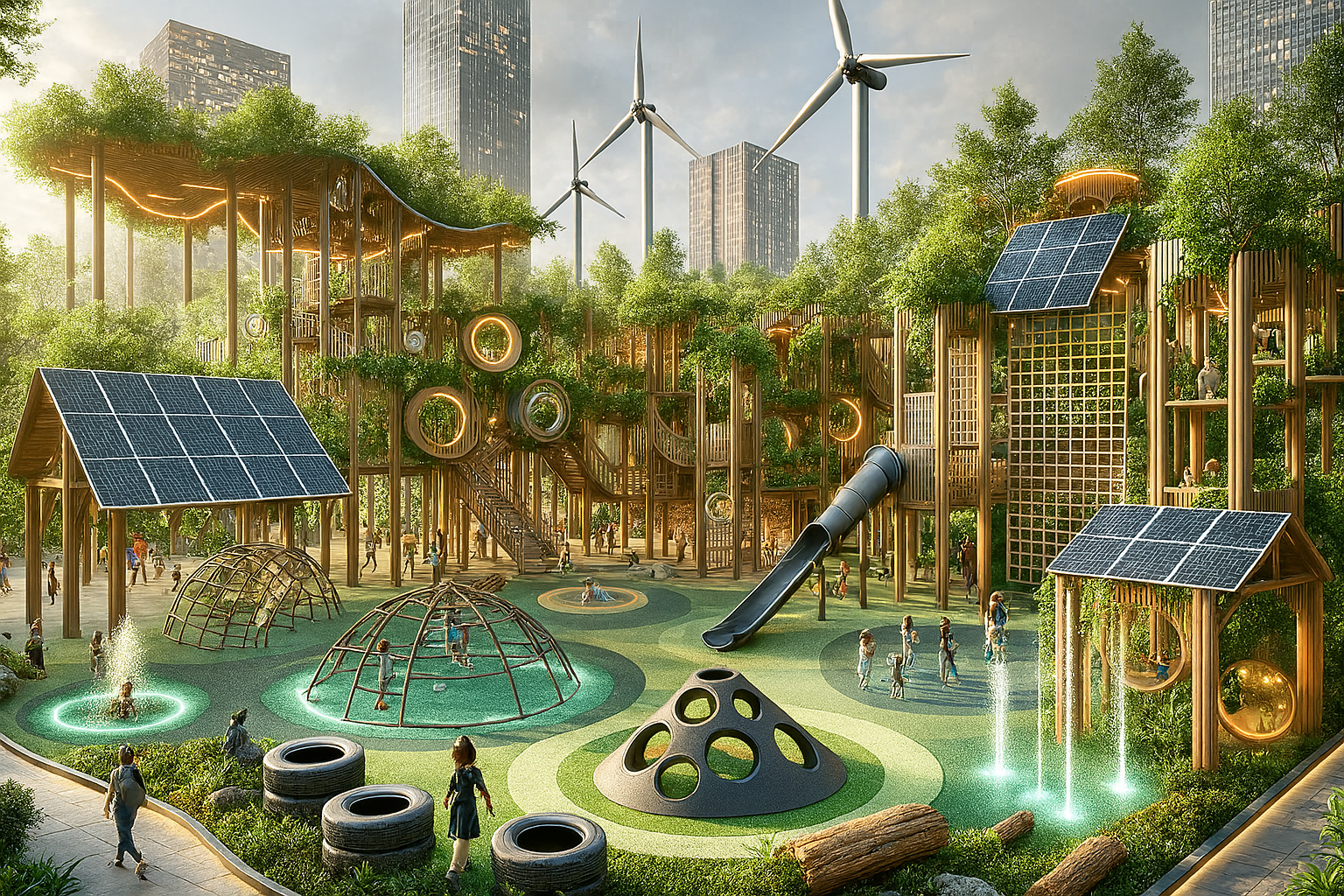
Energy-harvesting systems can turn motion—like swinging or stepping—into electricity to power lights, sound, or playful features. Read our Future Signal below to learn more!
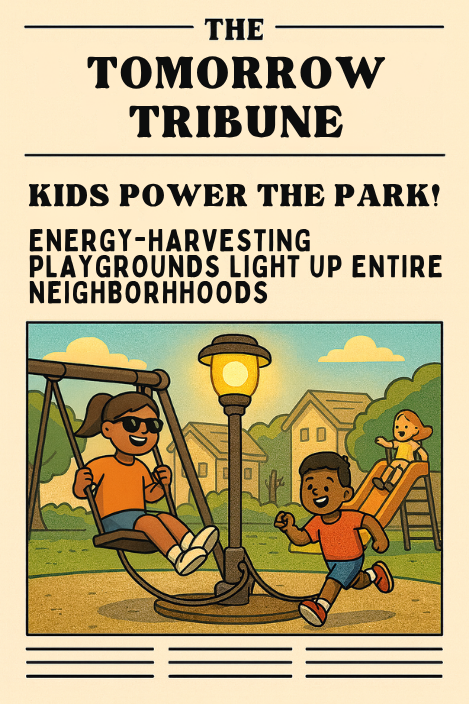
Special tiles in the ground turn footsteps into electricity. Cities are testing them now to power lights and signs—and in the future they could power swings, music, fountains, or even bubble machines at playgrounds!
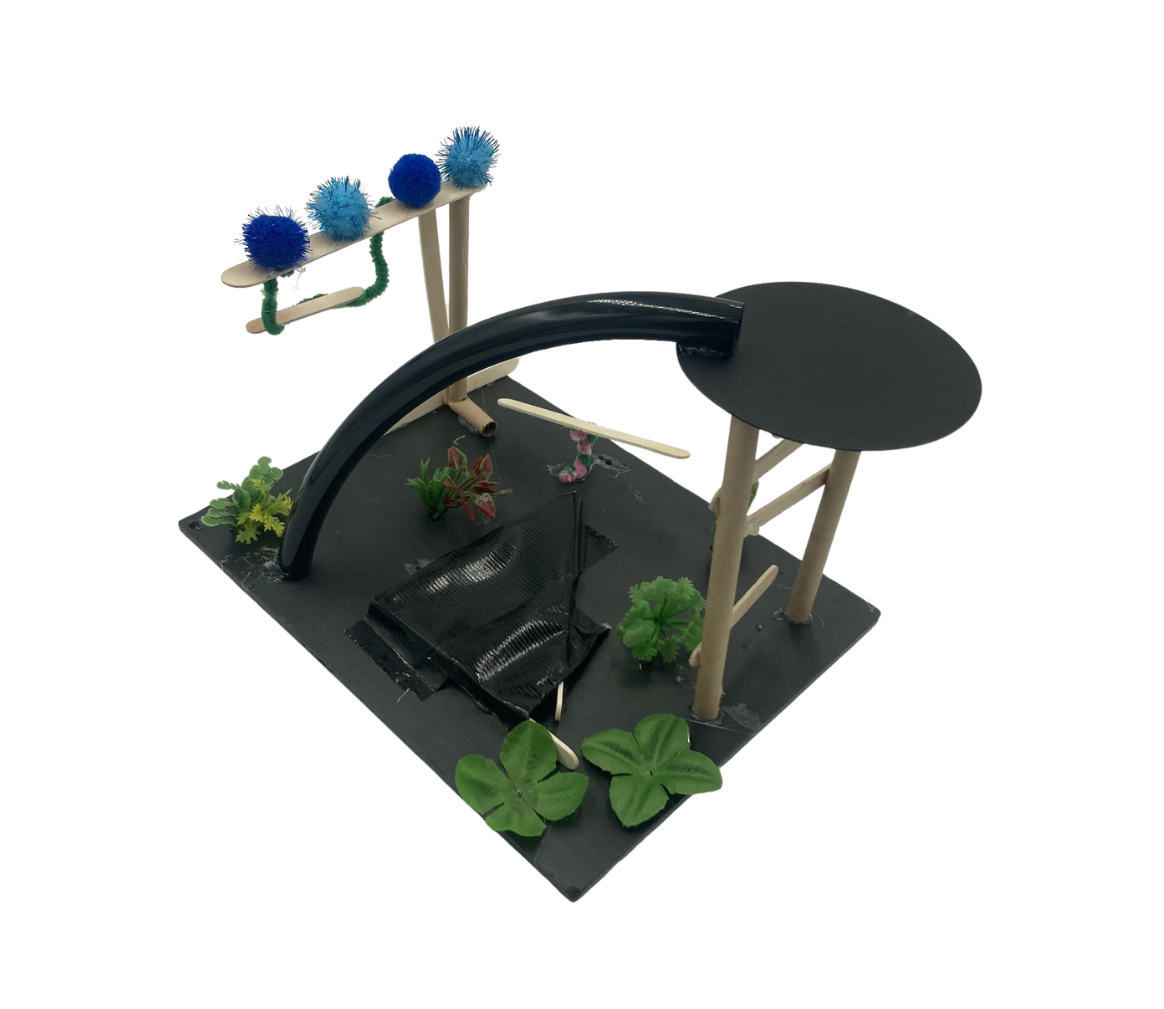
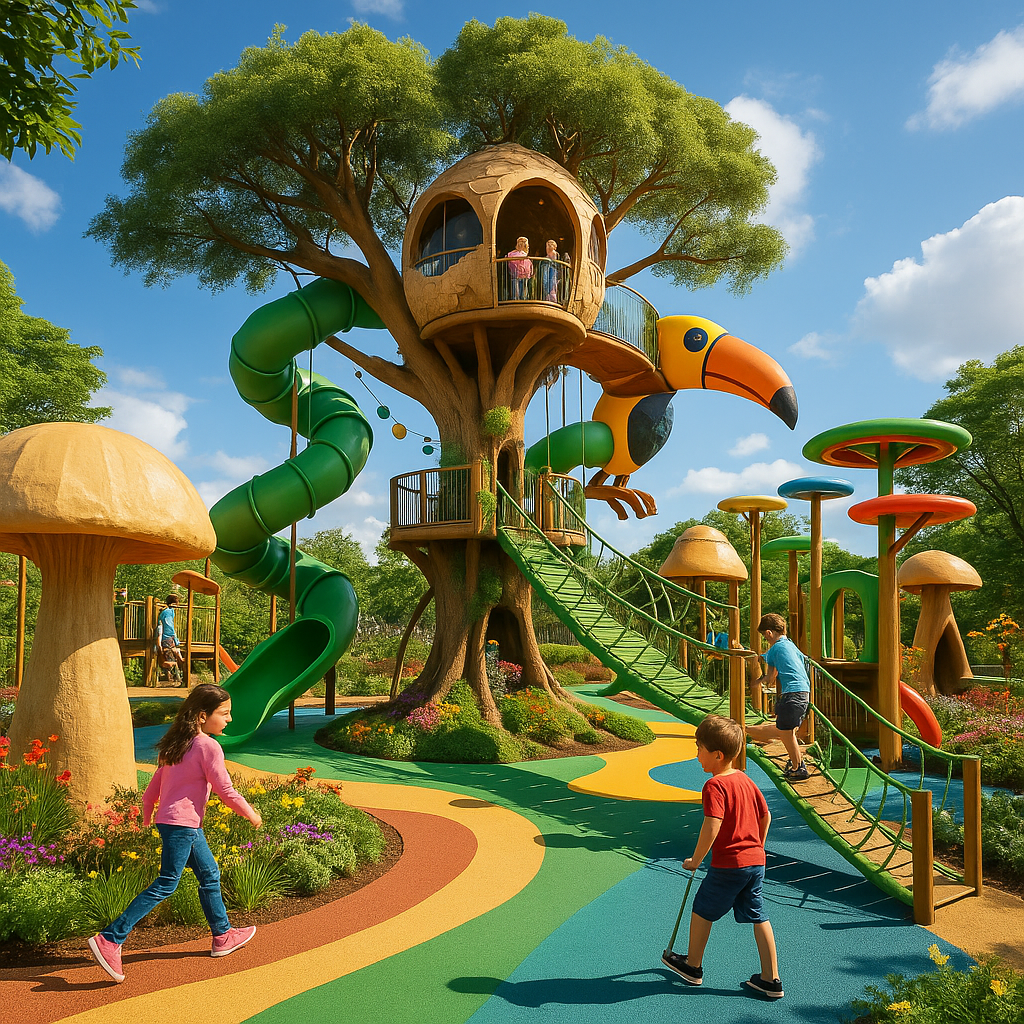
Build a model of a playground that’s fun for everyone, kind to the planet, and totally unique
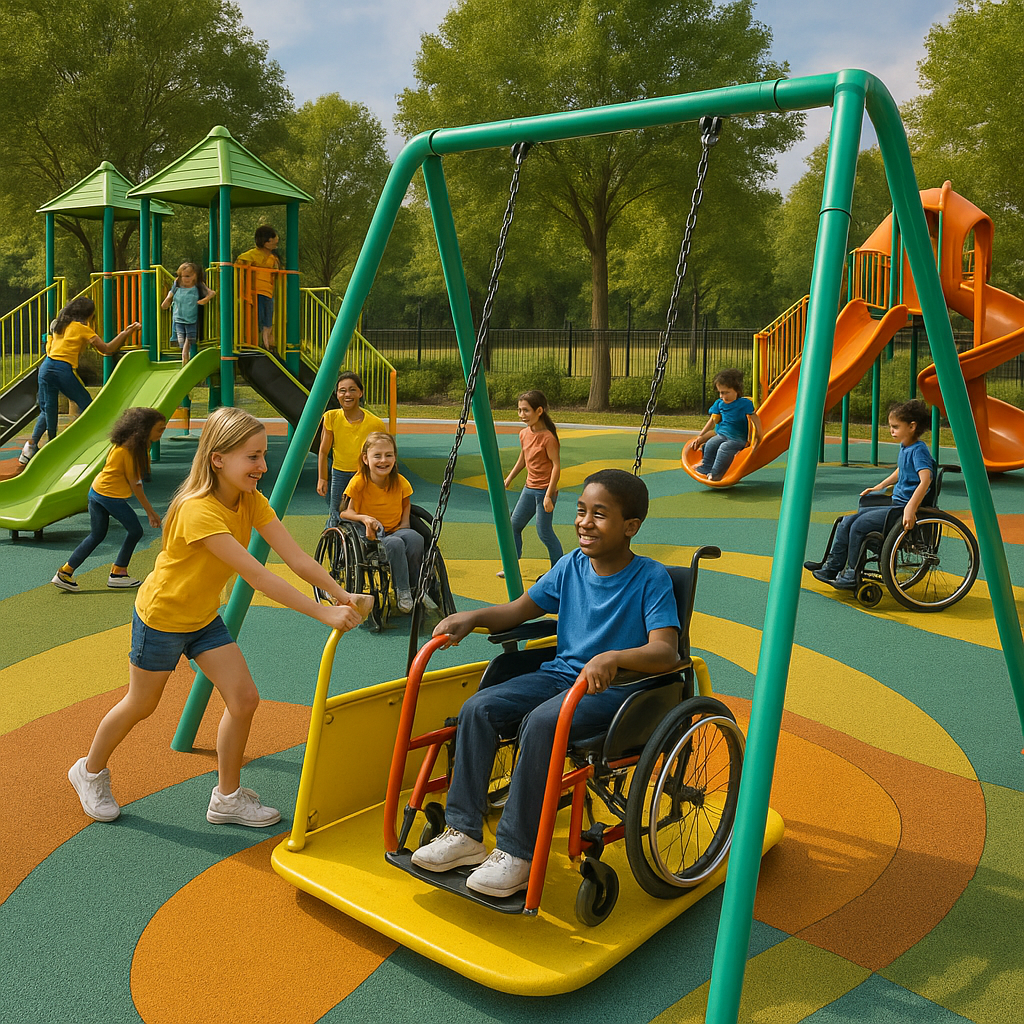
How can every kid join the fun?
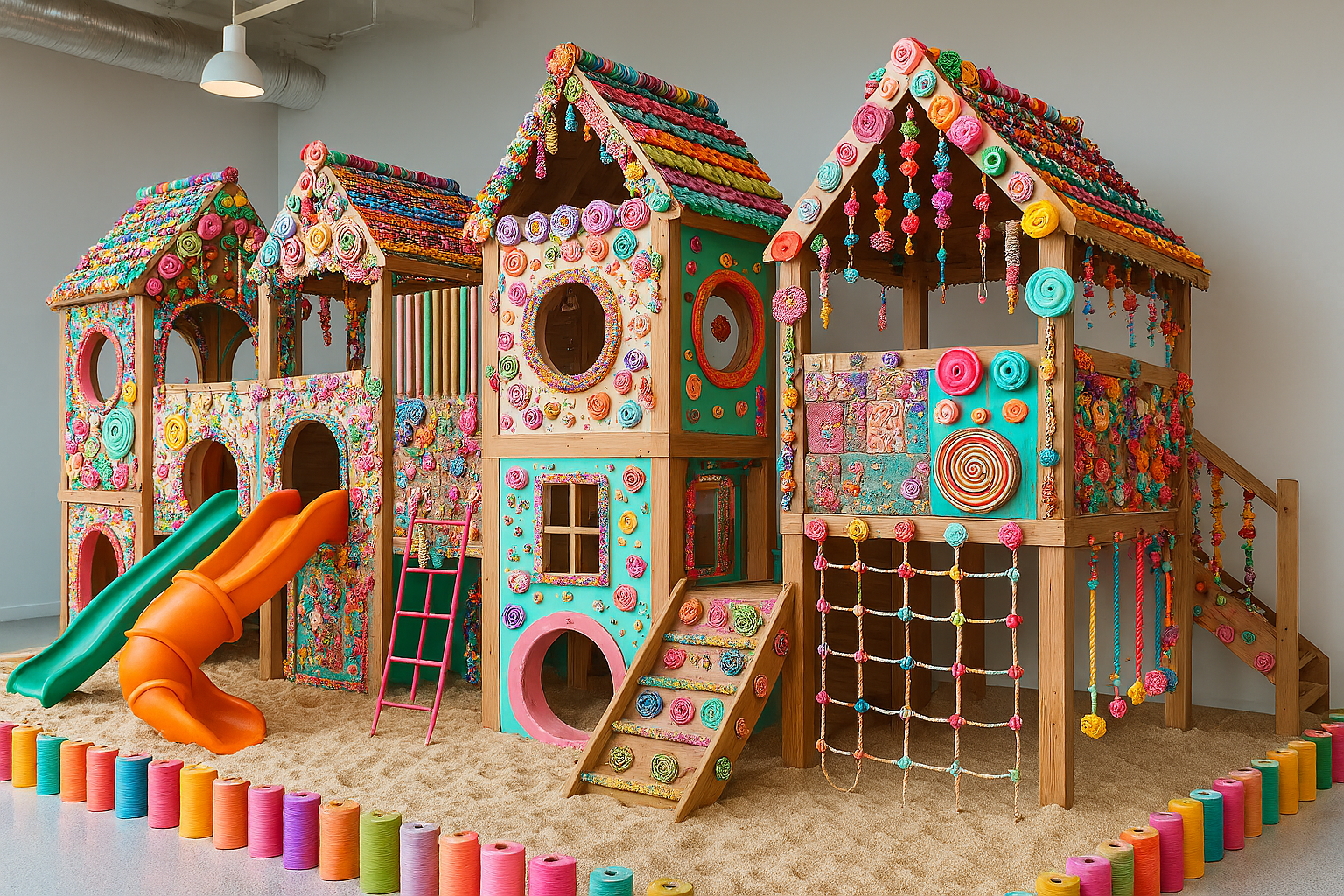
What could make your playground better for the Earth?
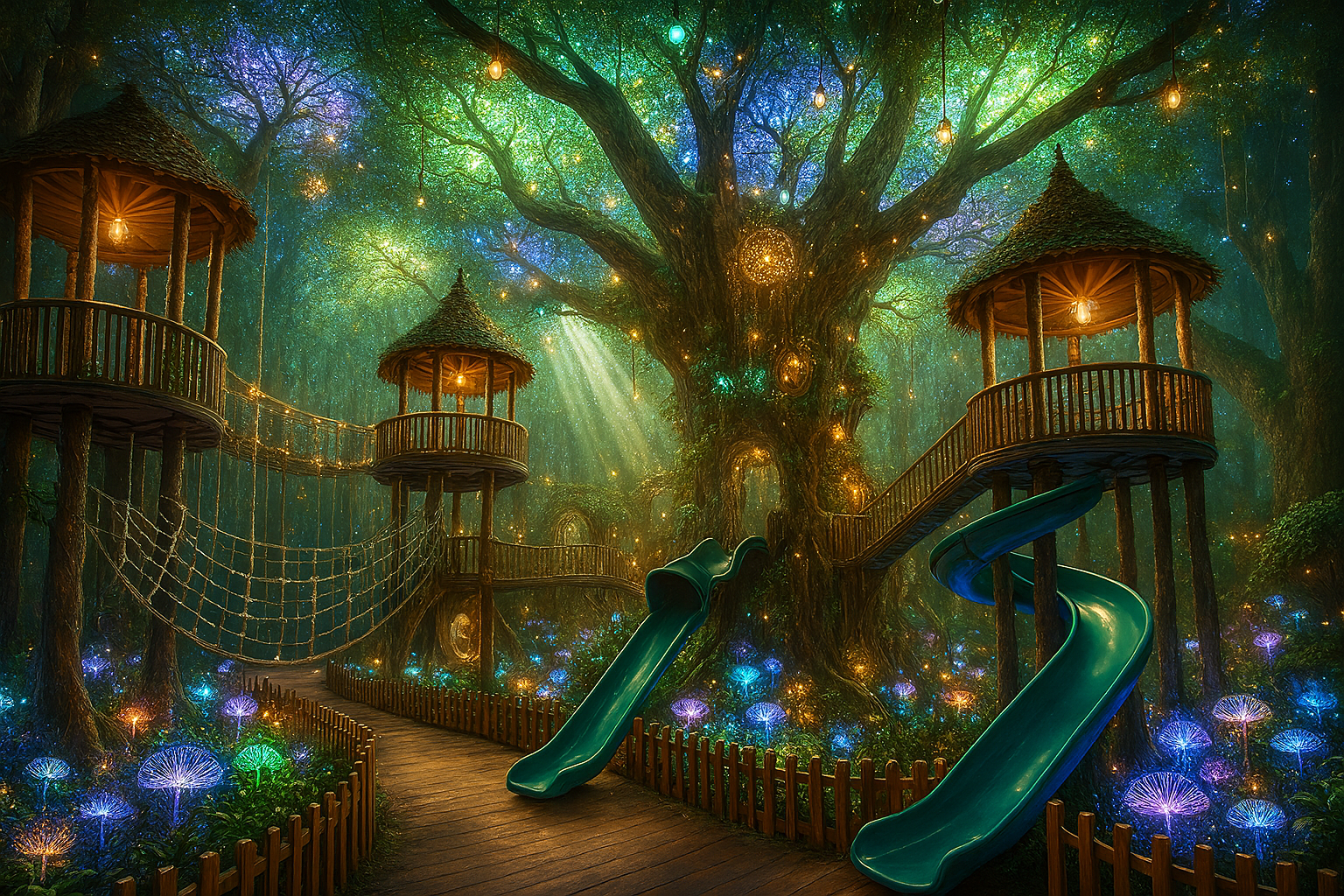
What will make your playground feel unique?
.png)
.png)