
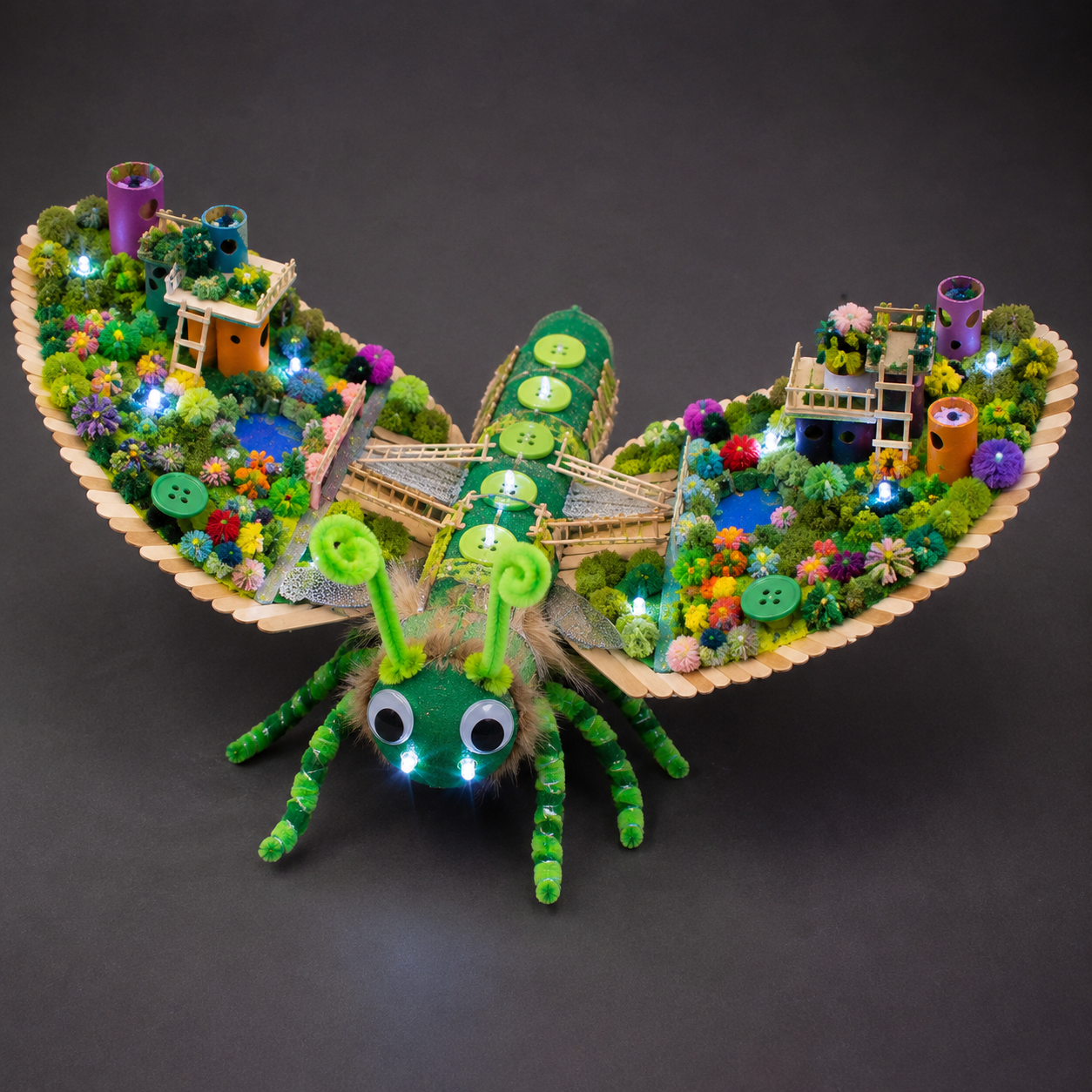
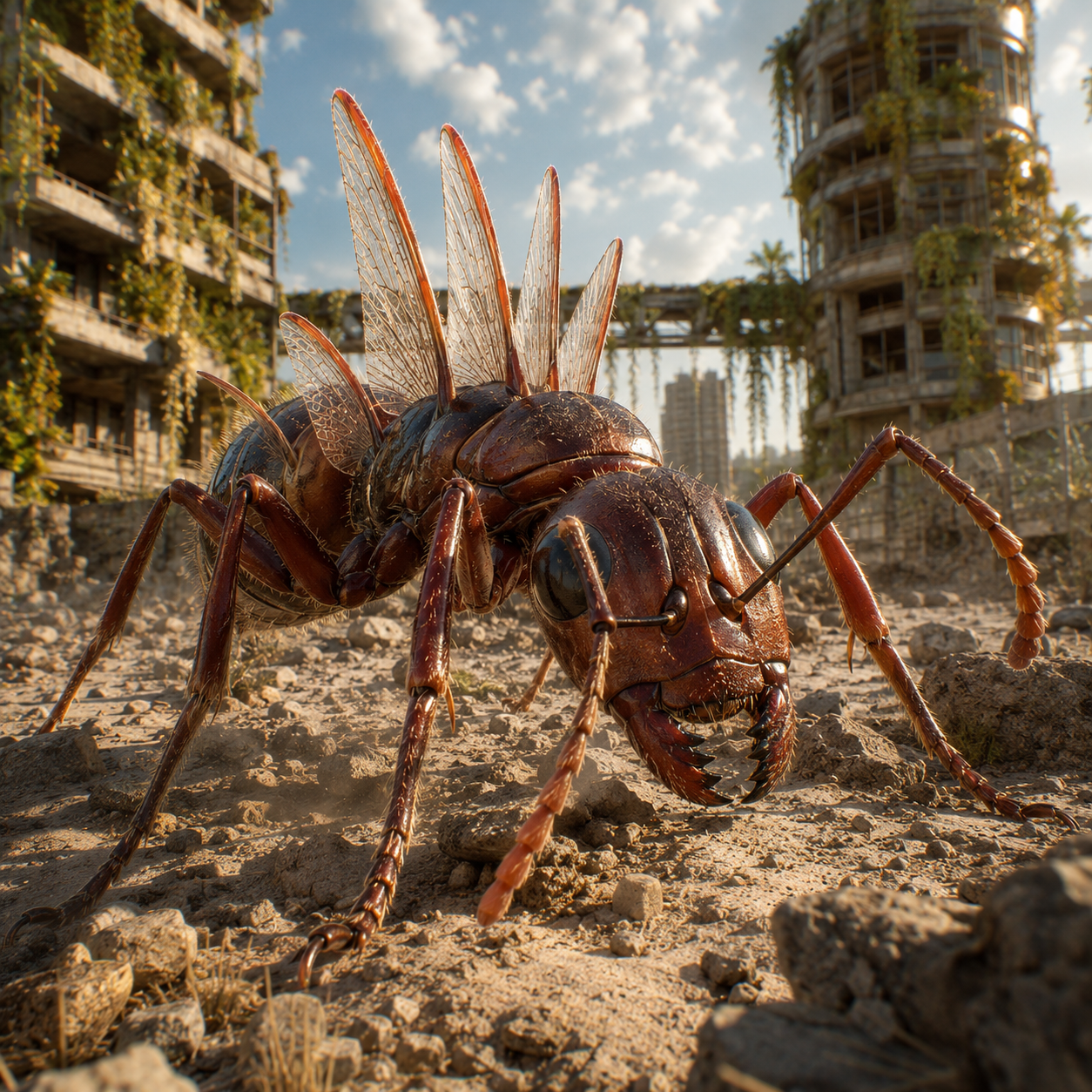
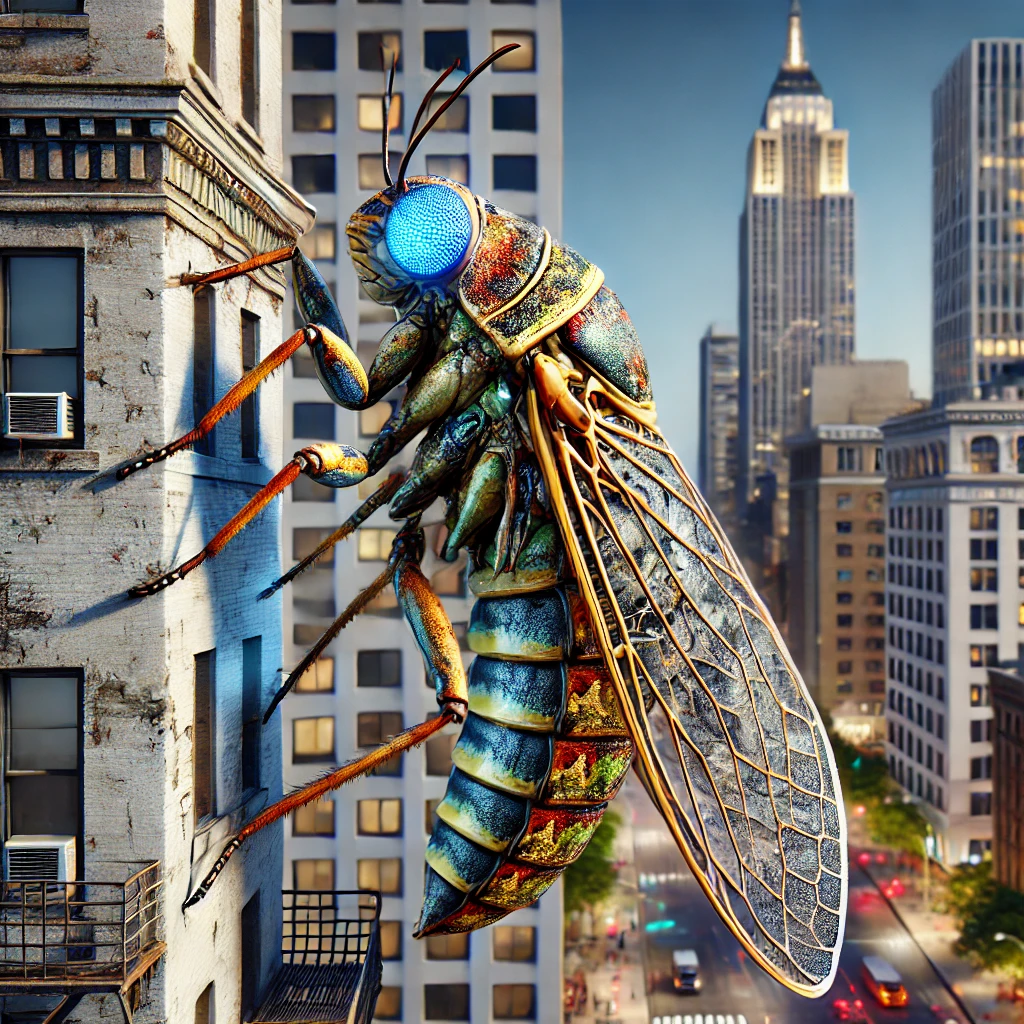
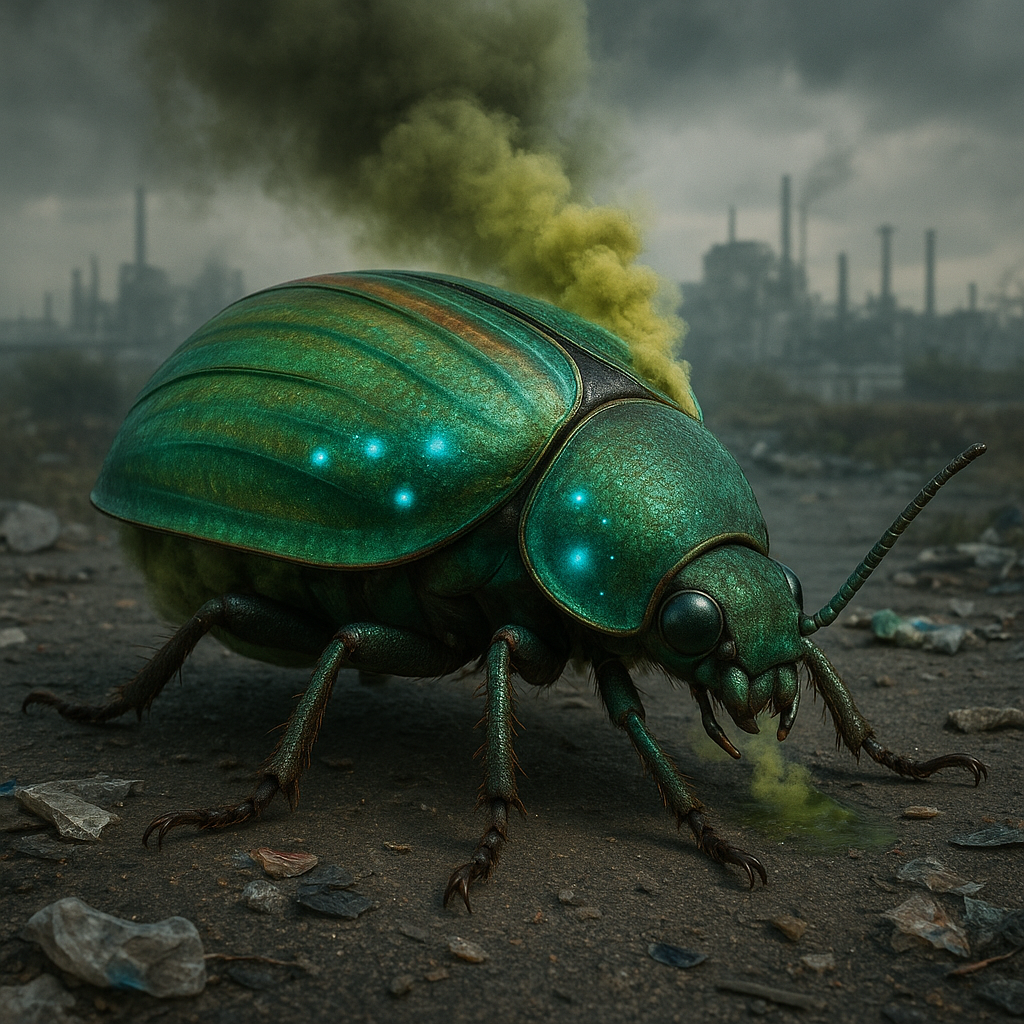
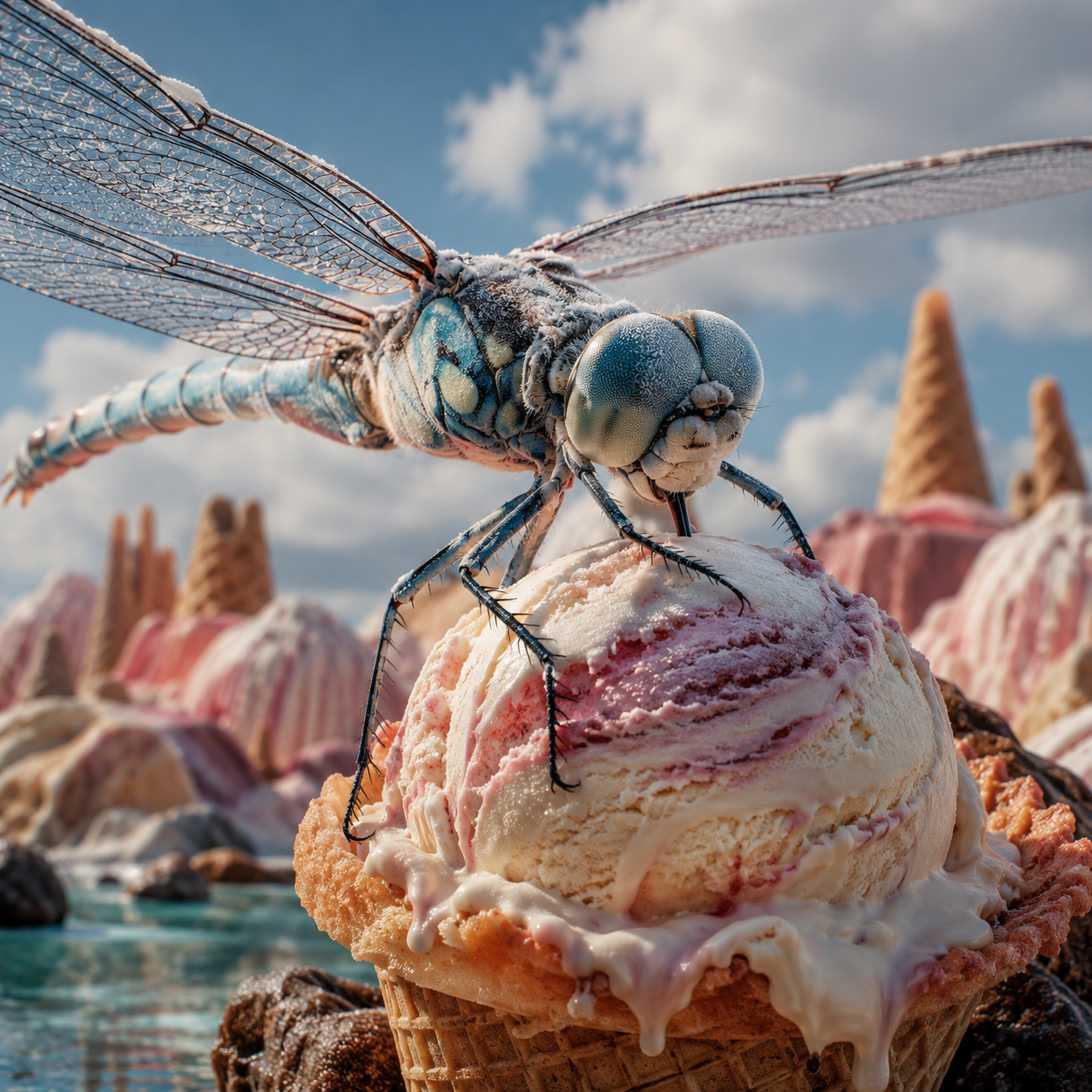
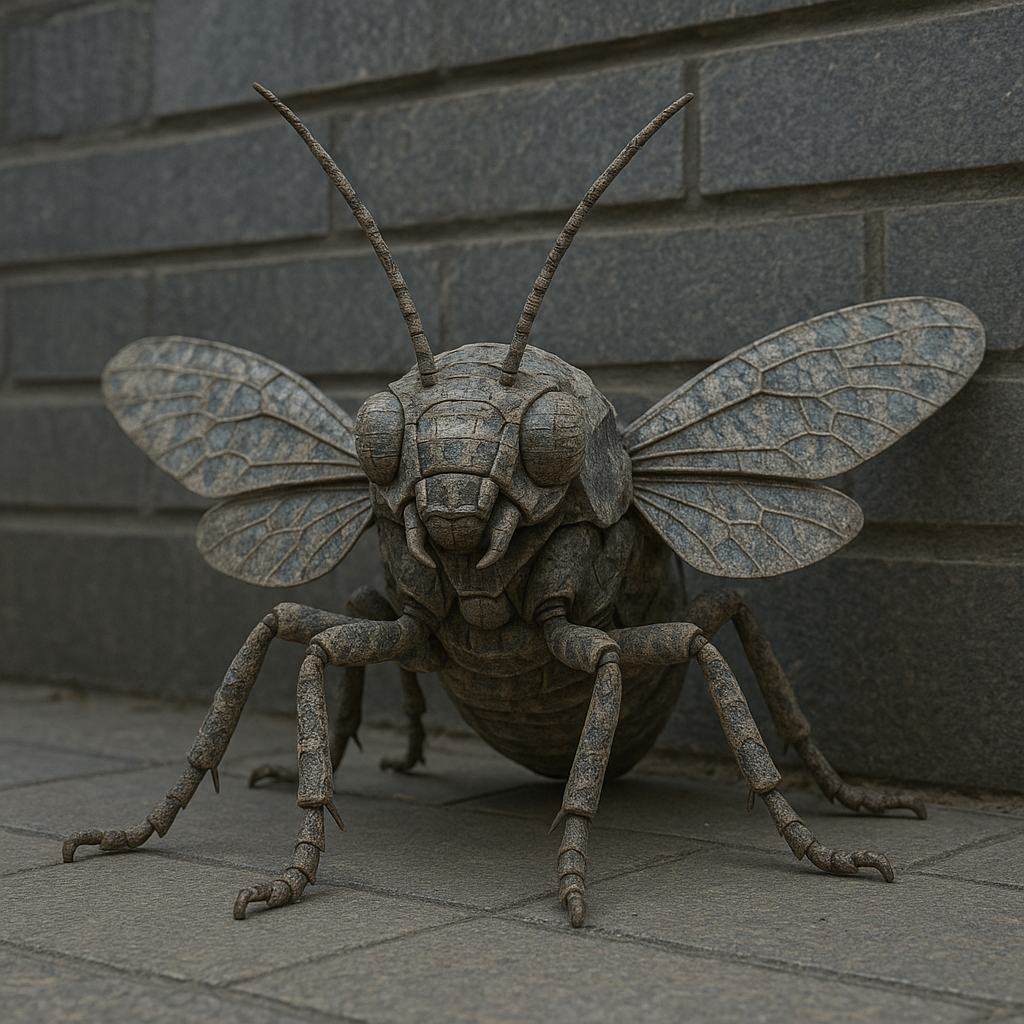
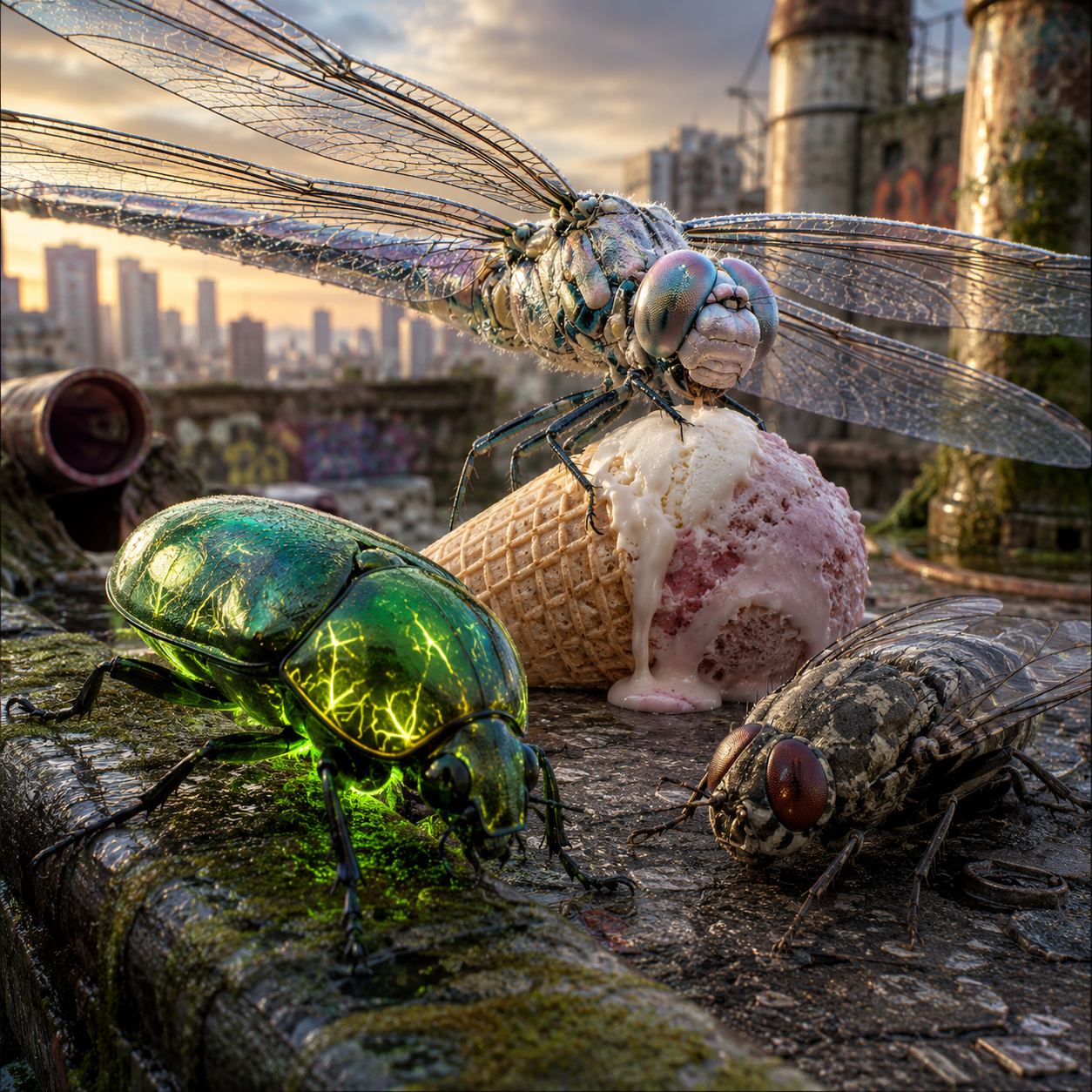
Imagine it’s the year 2057, and some insects have grown to enormous sizes and evolved new adaptations to survive on Earth’s changing surface.
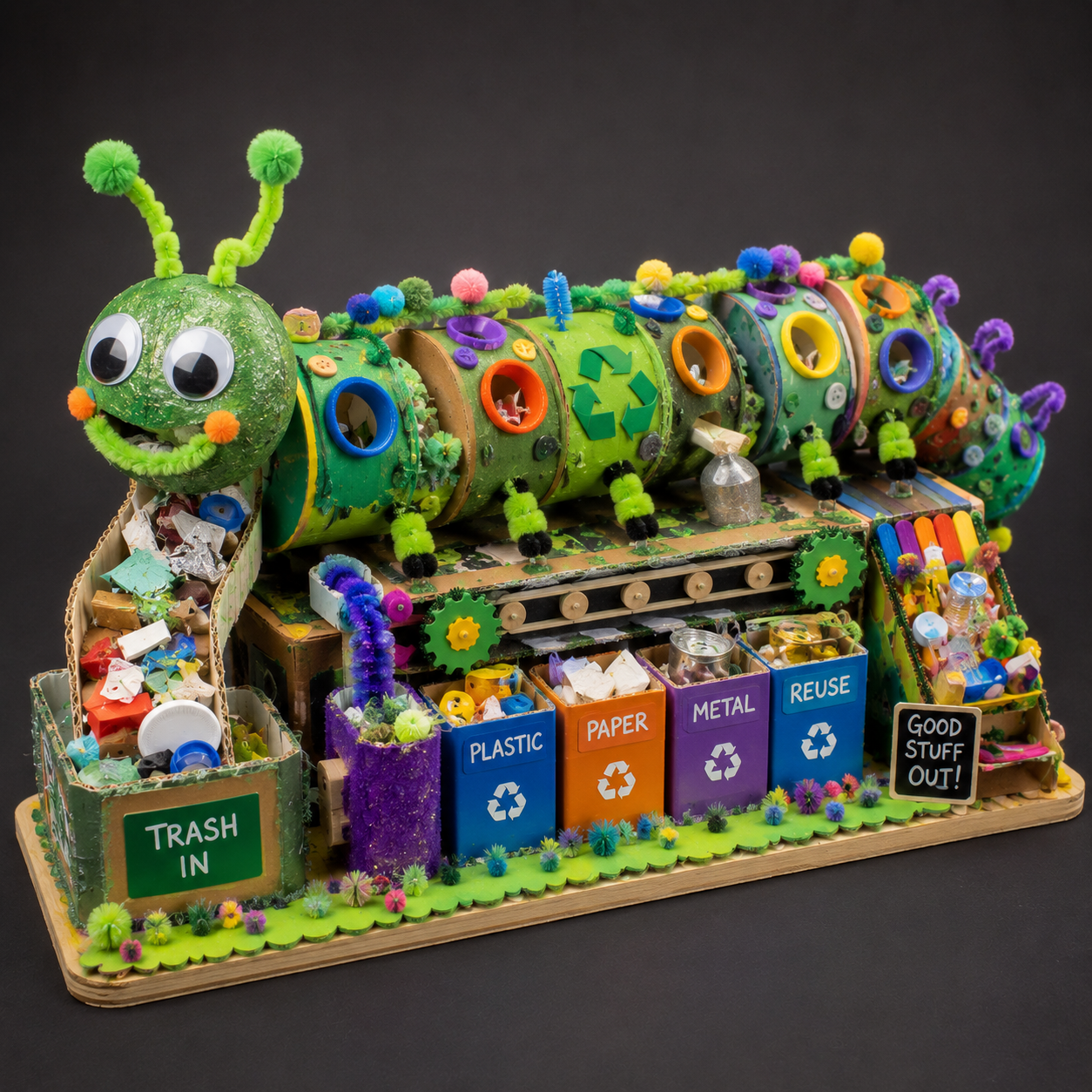
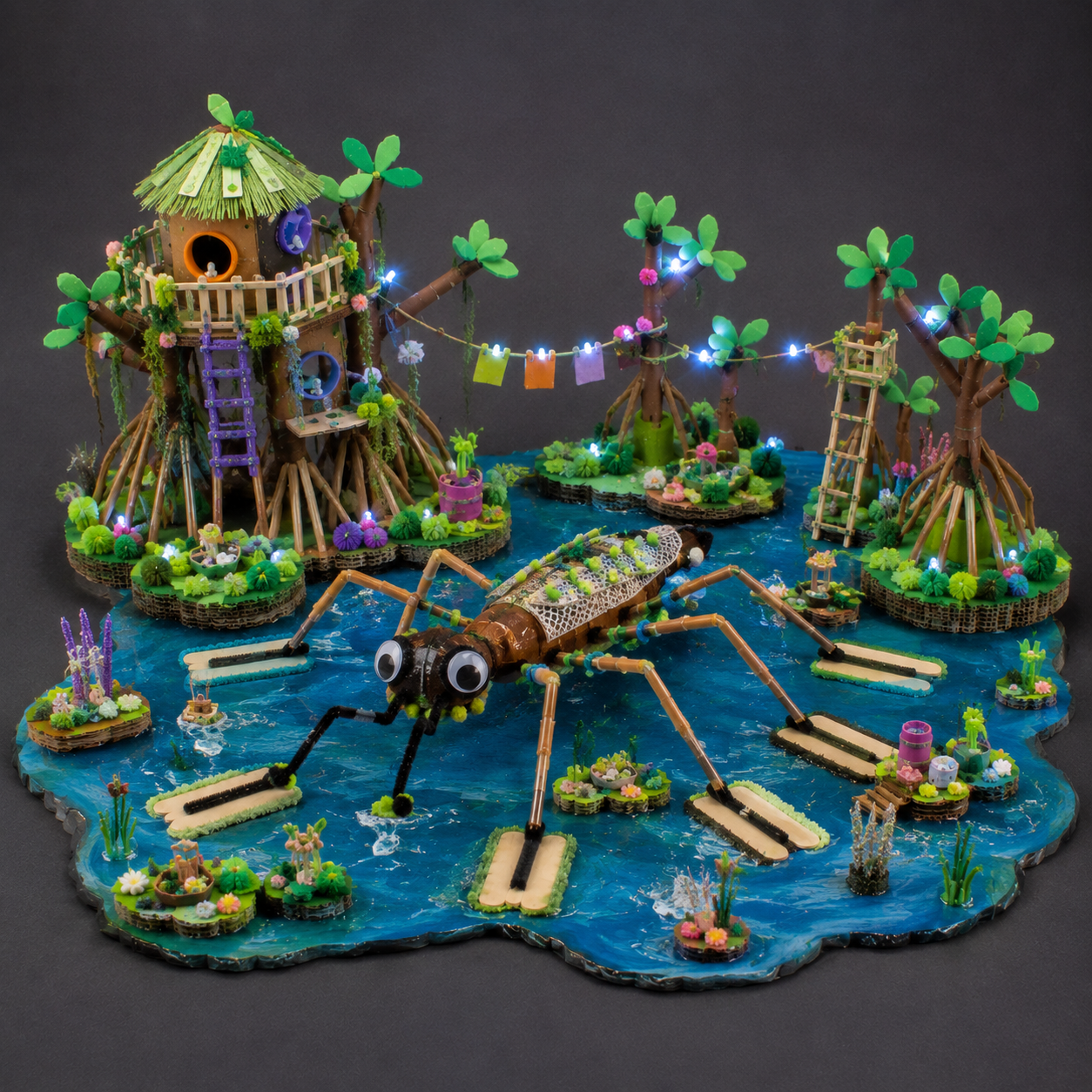
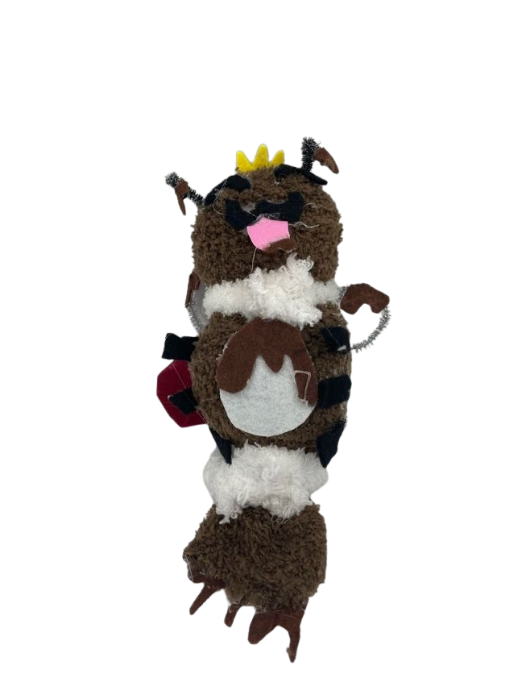
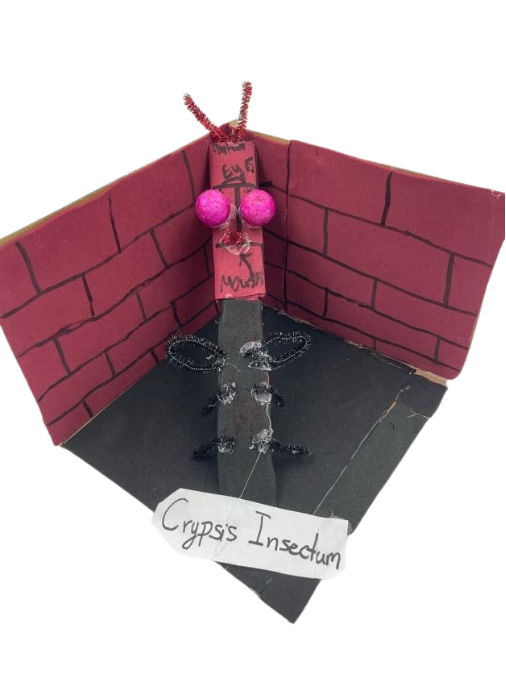
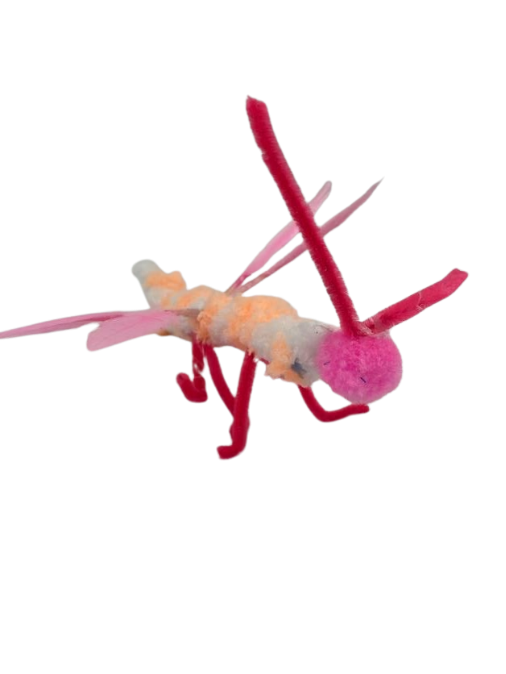
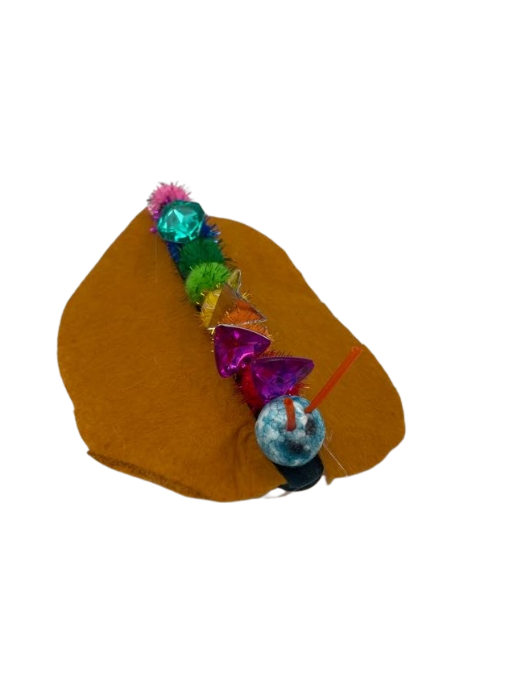
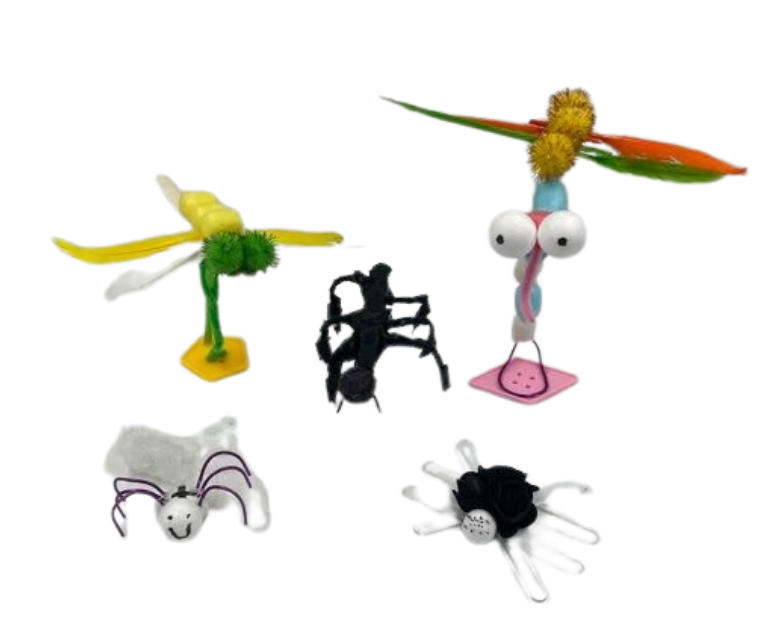
Your mission: create a model of a giant insect to be displayed in a science museum.
What will your future giant insect look like?


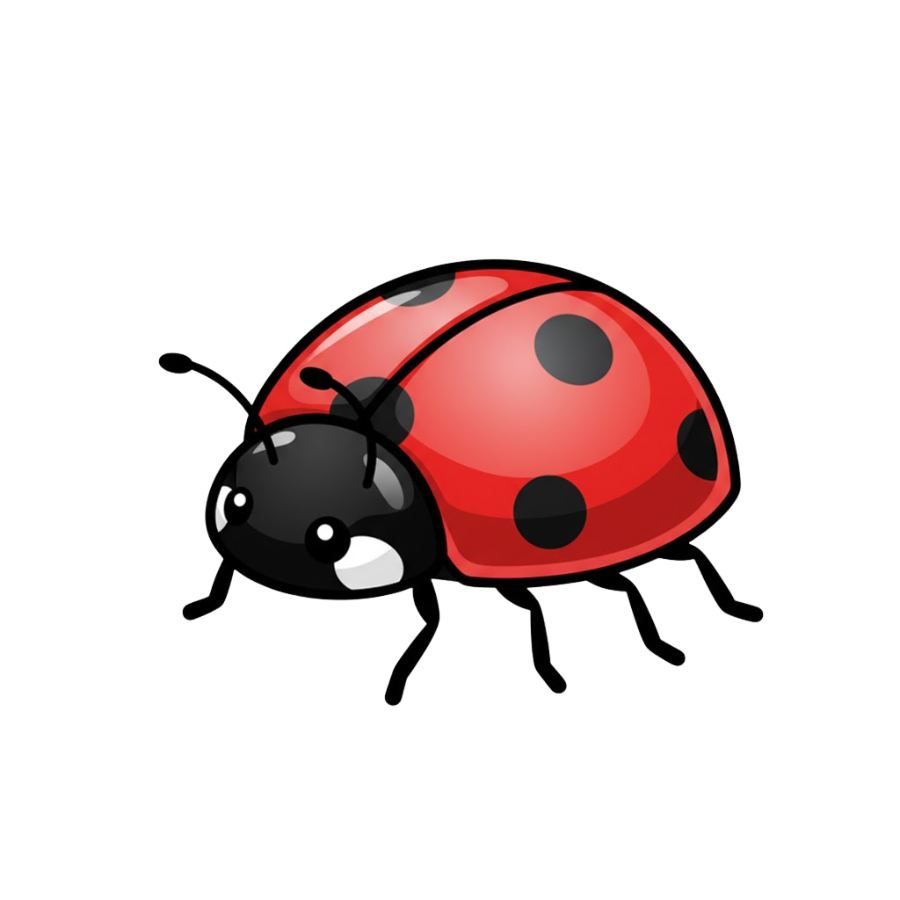
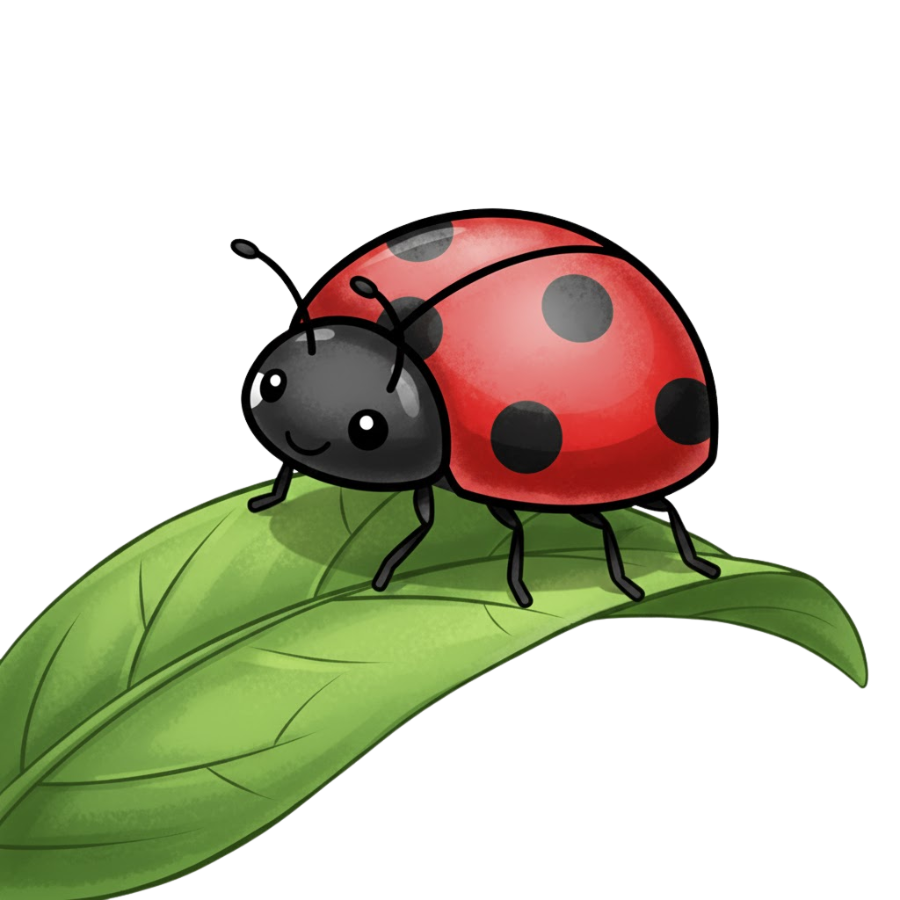

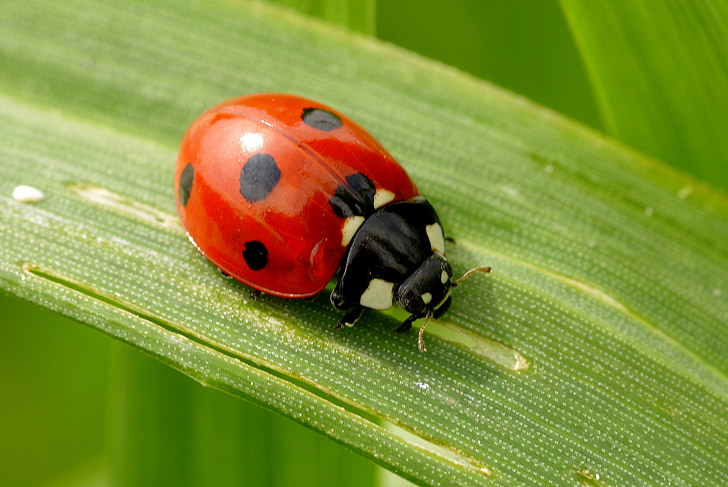
Ladybugs are beetles—so they’re insects, not 'true bugs.' Their hard wing covers protect them as they fly and crawl through gardens. In the future, engineers might design tiny flying robots that mimic their colorful armor for protection and beauty.
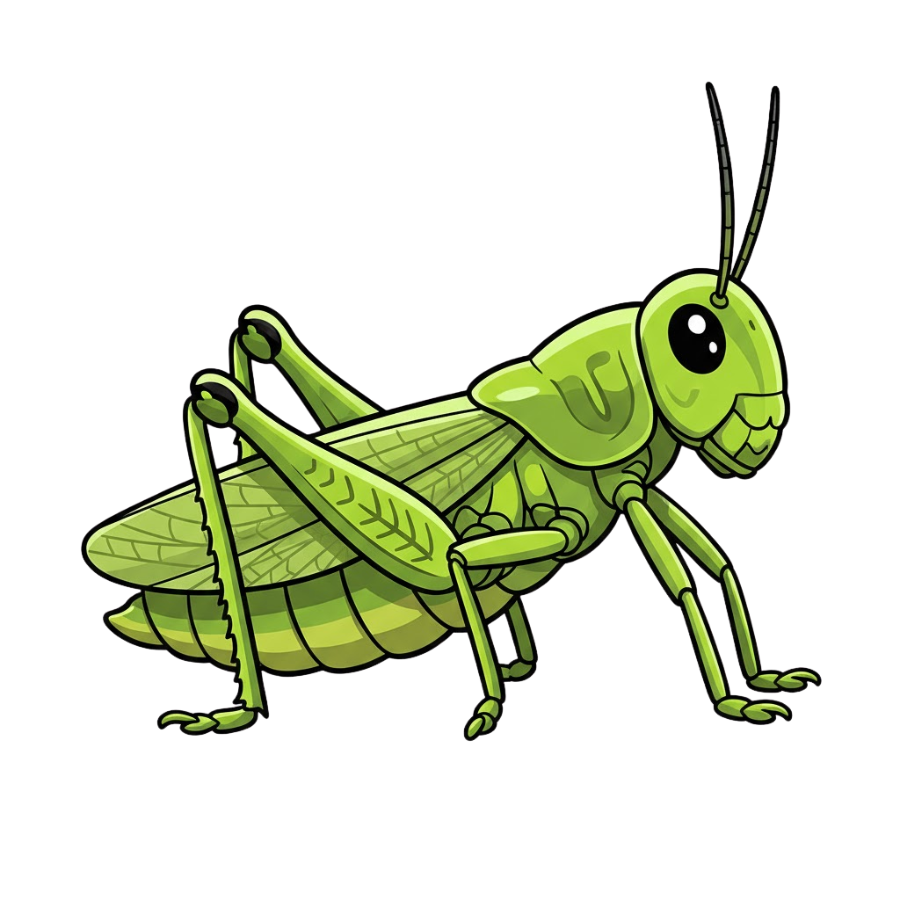
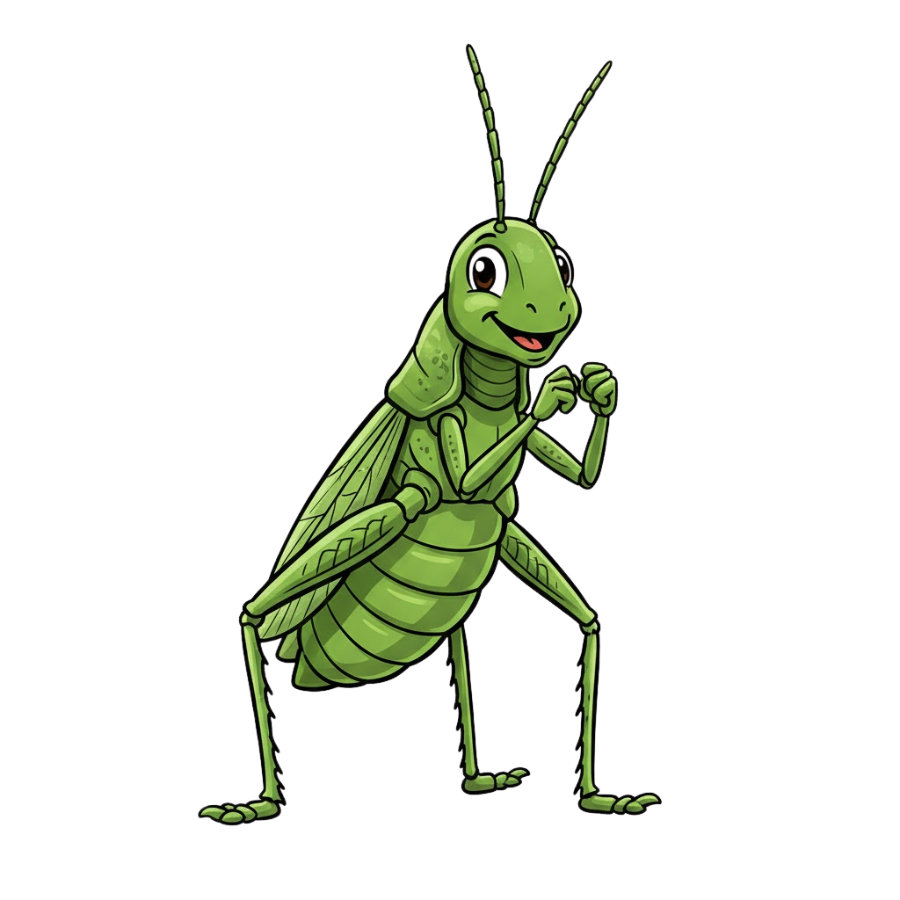
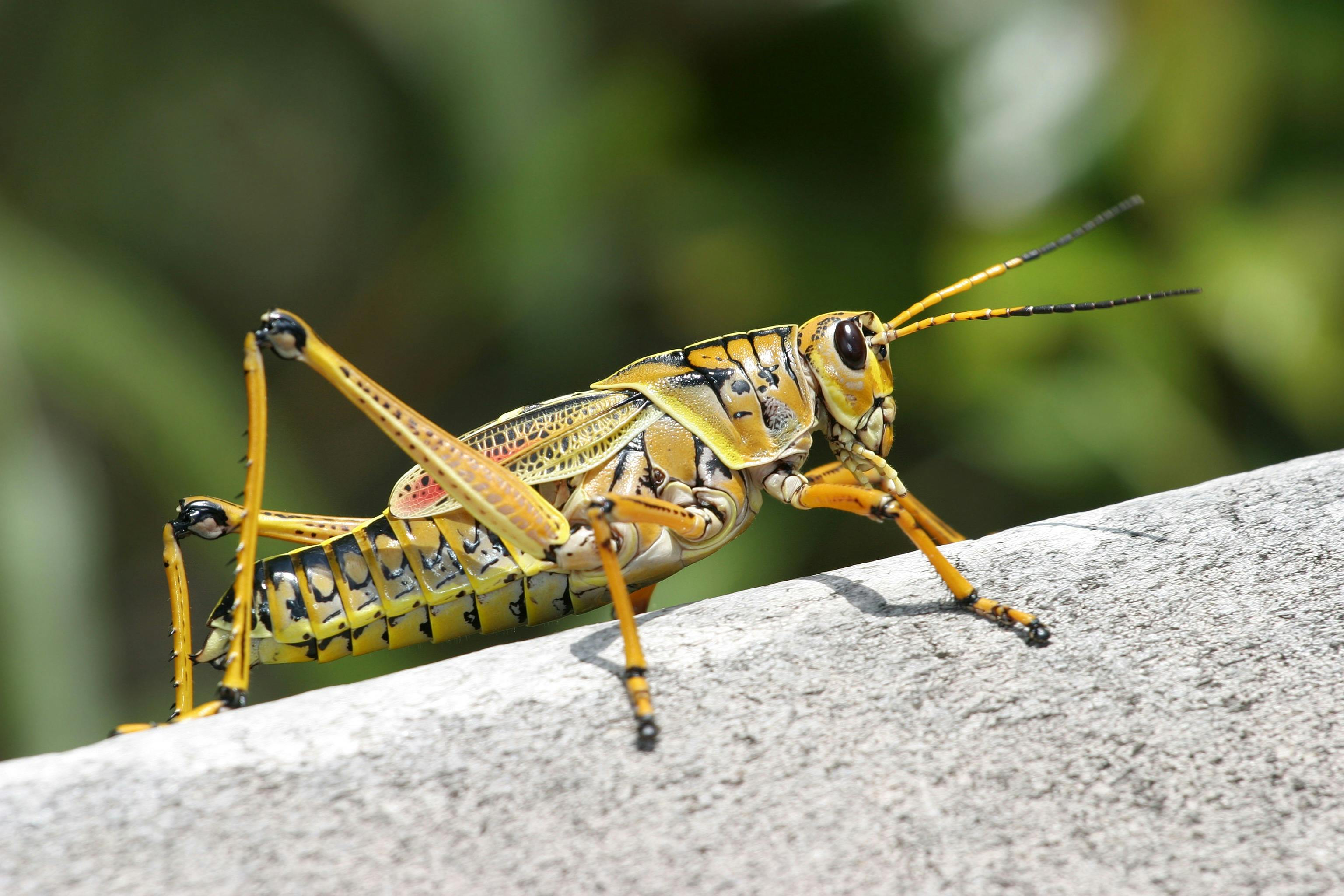
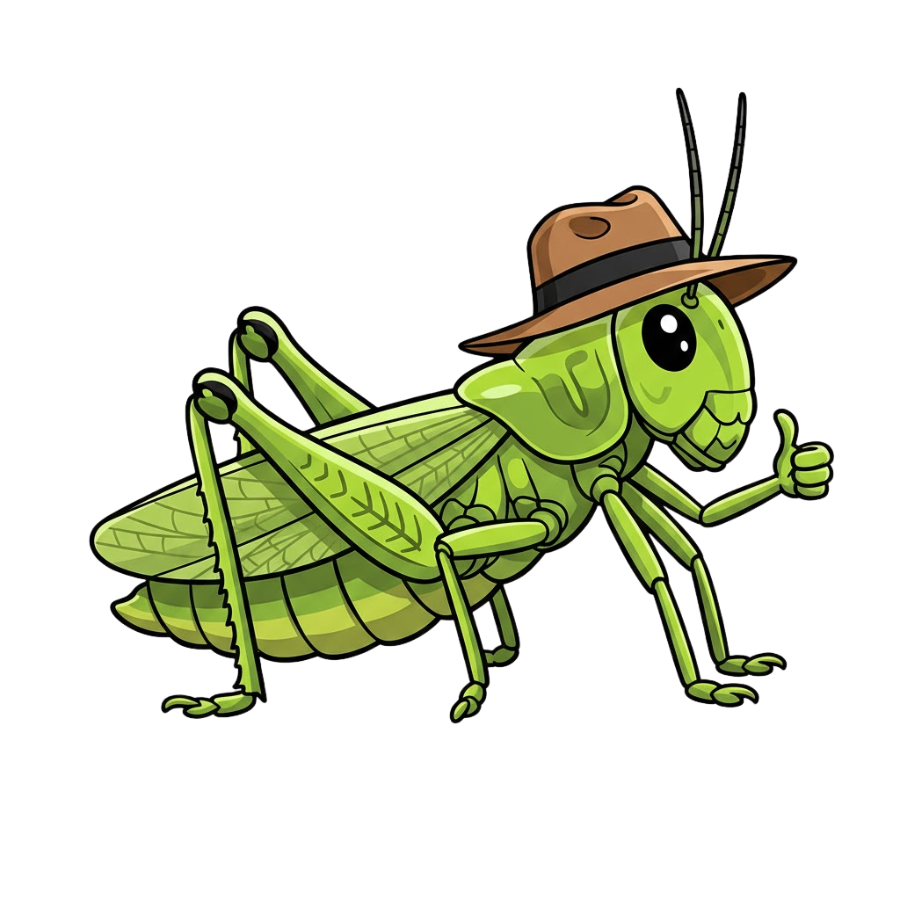
Grasshoppers are insects known for their strong back legs and ability to jump great distances. Their spring-like legs inspired scientists studying energy-efficient robots. Future designs could copy their powerful leaps to explore rough or alien terrain.
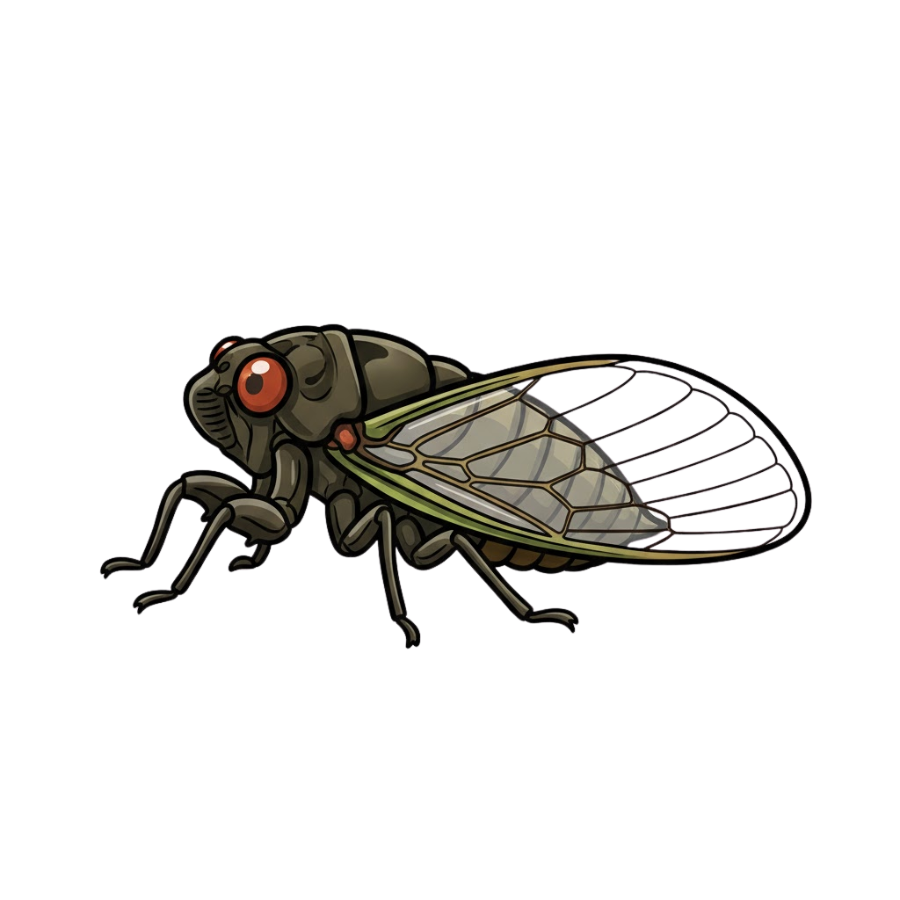
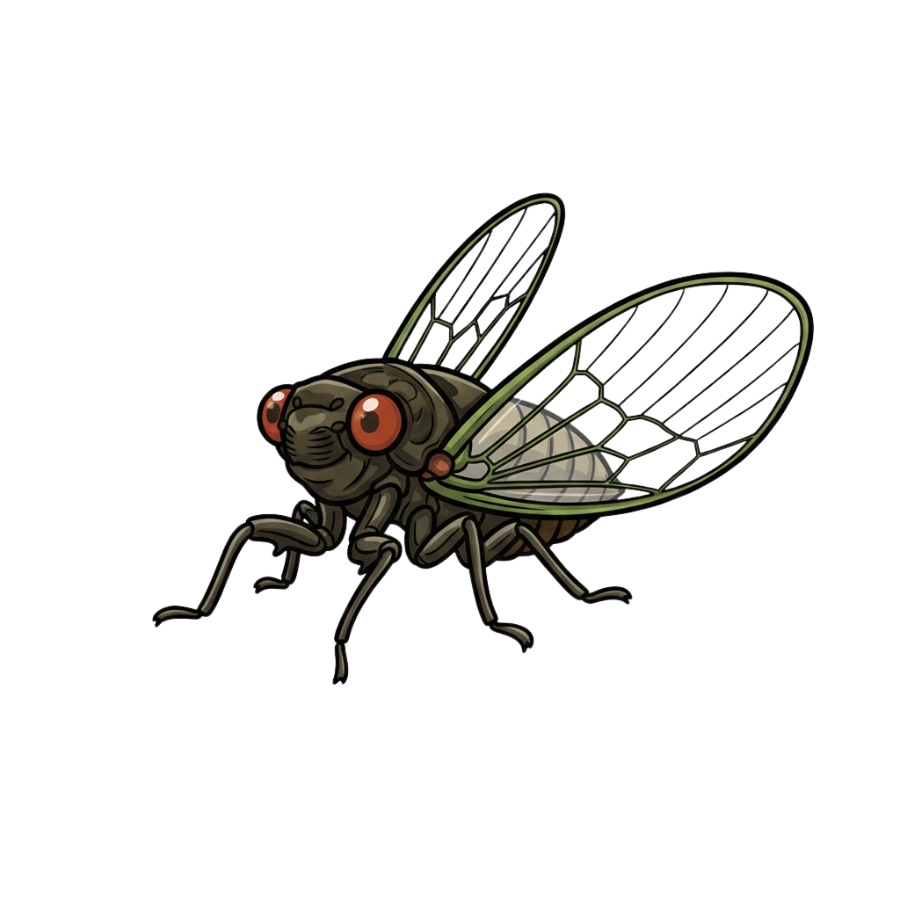
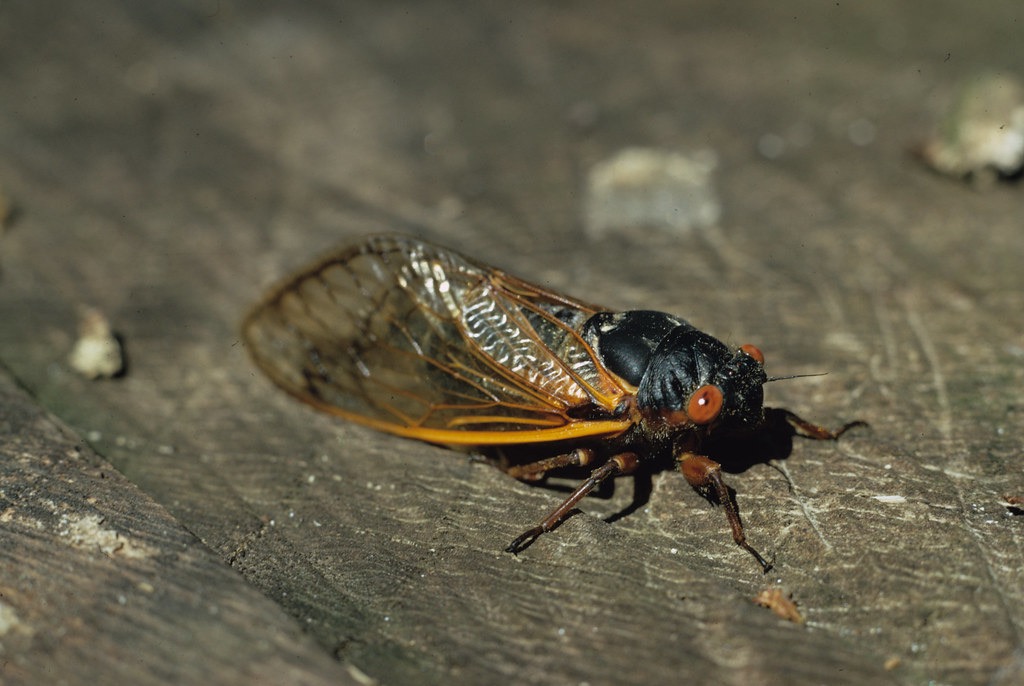
Cicadas are 'true bugs'—a special group of insects with straw-like mouthparts for drinking sap. Their ability to emerge in massive synchronized waves helps them survive. In the future, humans could learn from cicadas’ timing to design coordinated swarm technology.

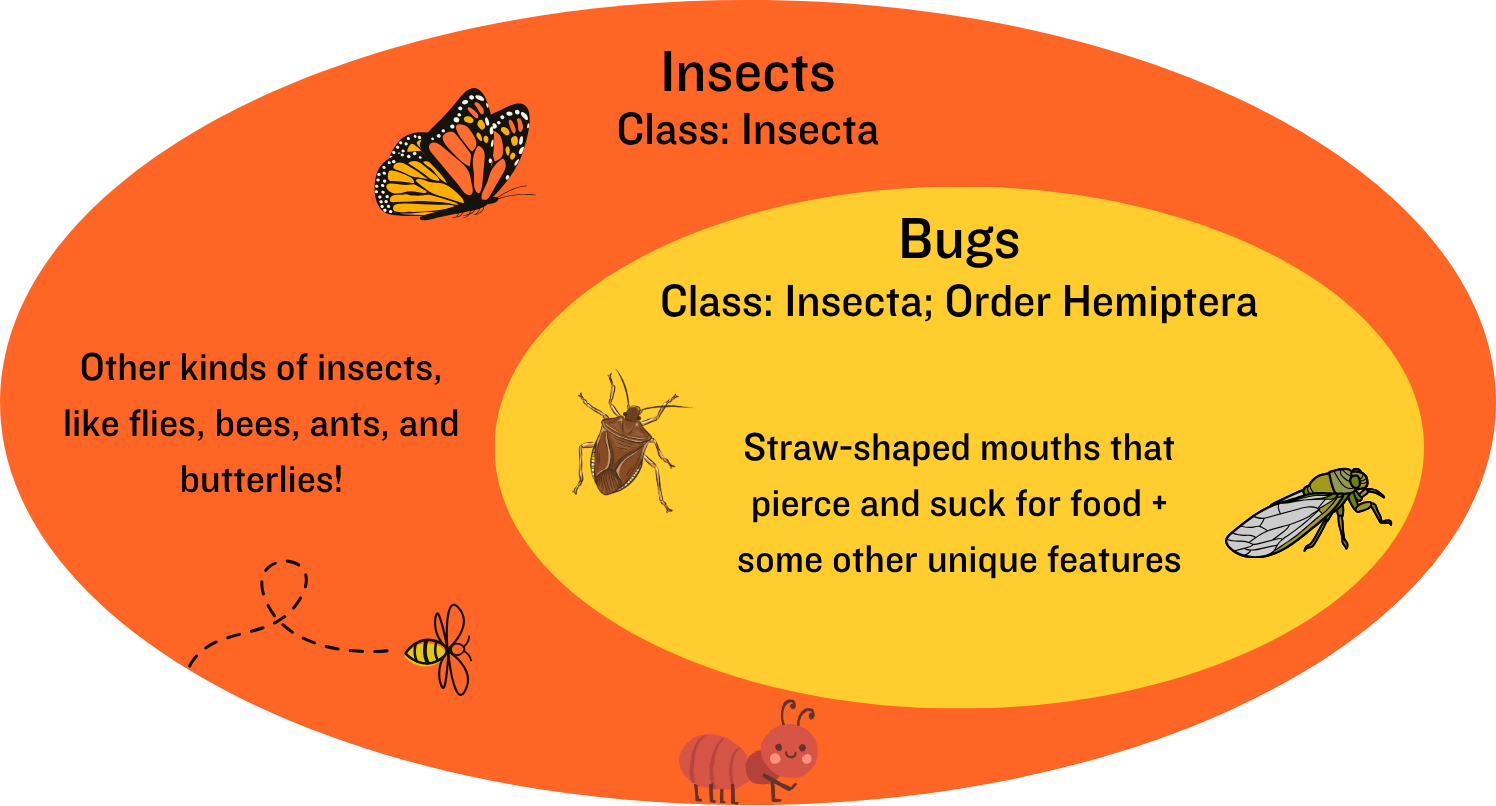
The difference lies mostly in their mouthparts. ‘True bugs’ have needle-like mouths for piercing and sucking, while most insects chew. Understanding those adaptations helps us imagine new tools or machines for precise work in tiny spaces.


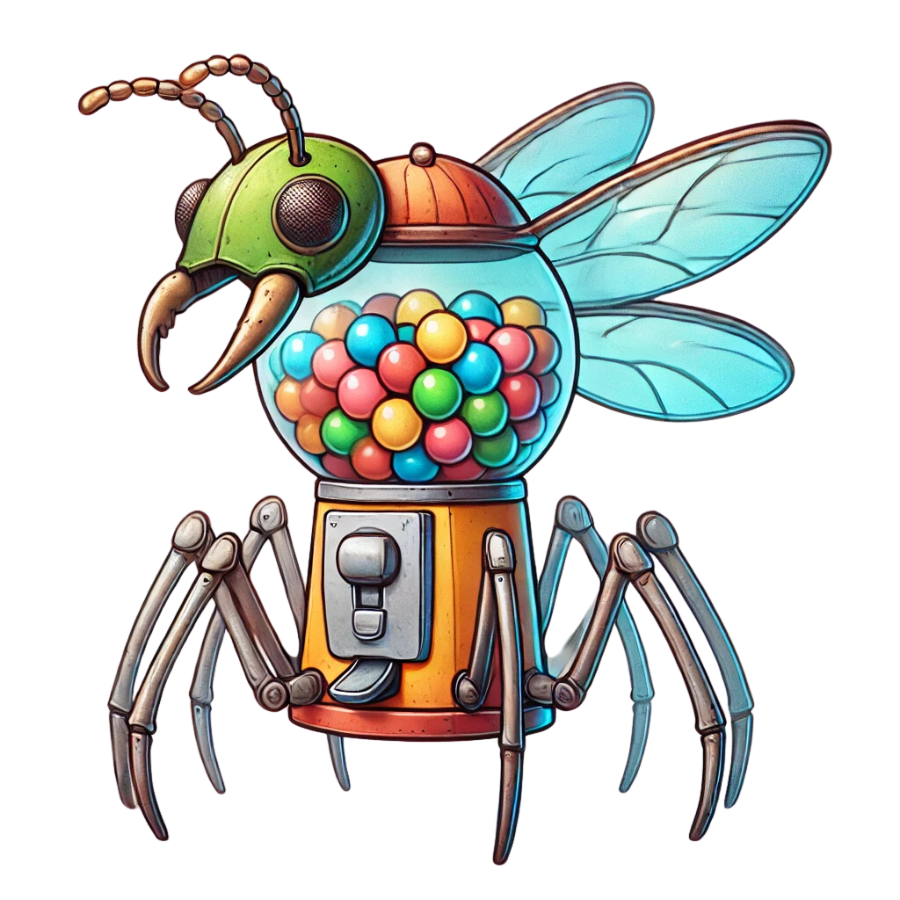
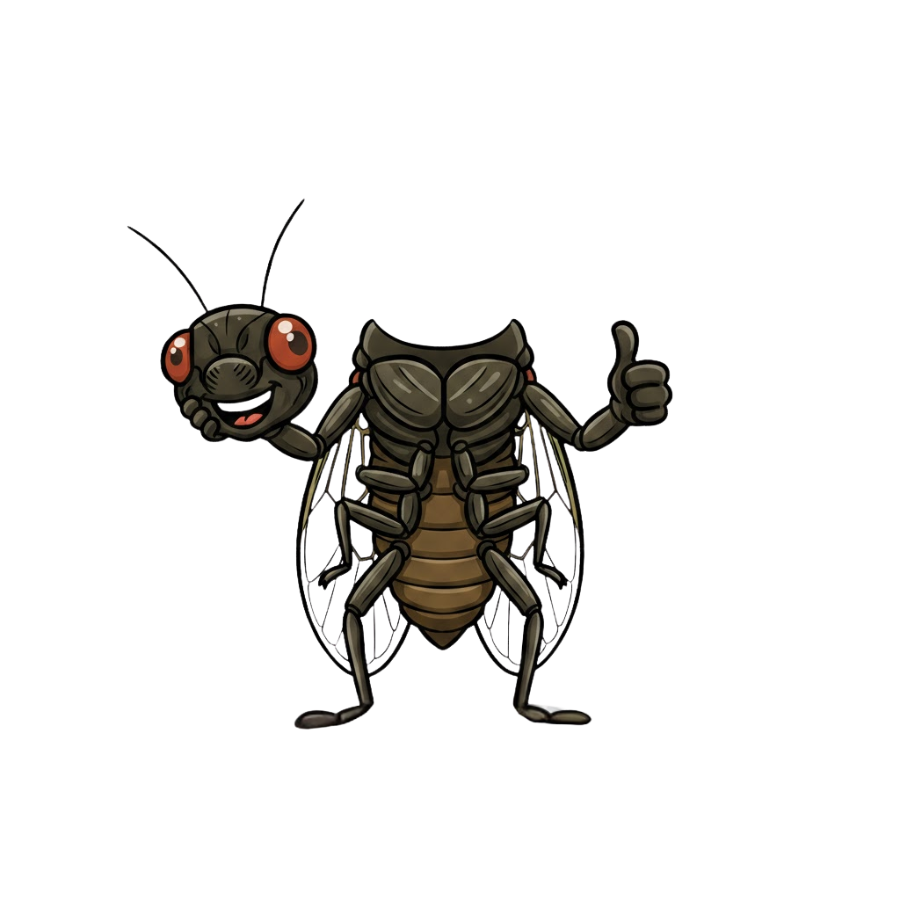
Insects have small ‘brains’ or ganglia in each body segment to help them react quickly. It’s like having mini control centers throughout their bodies. Future technologies might use similar distributed intelligence systems for agile robots or drones.
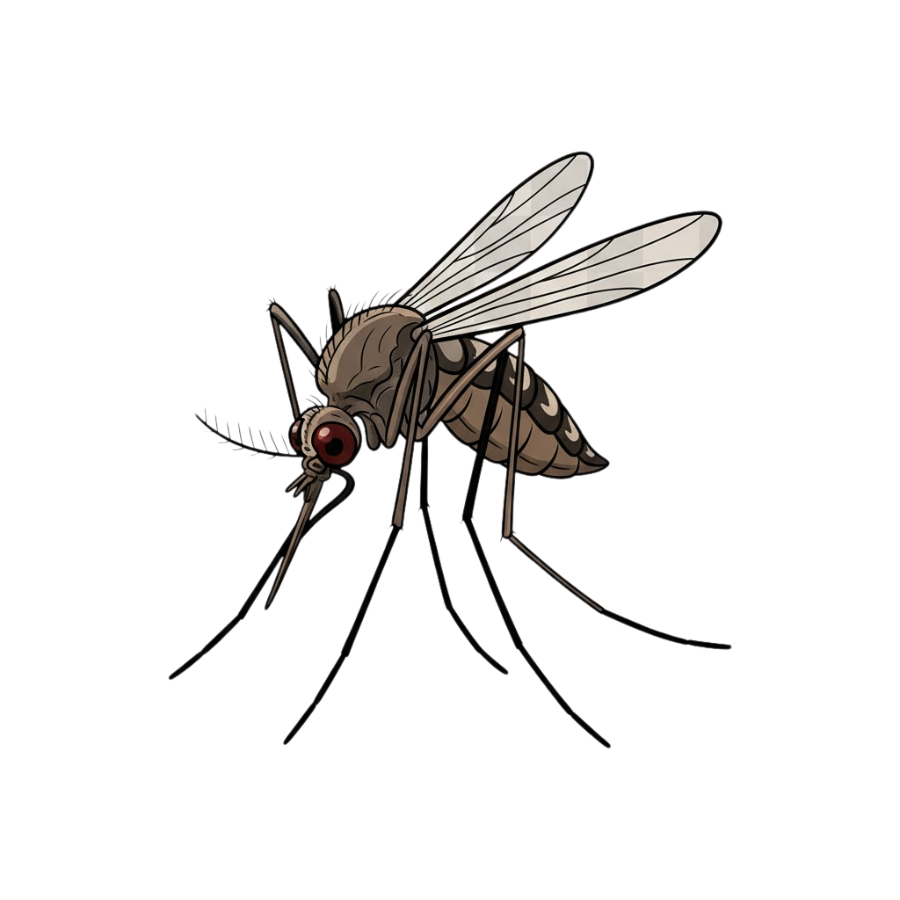
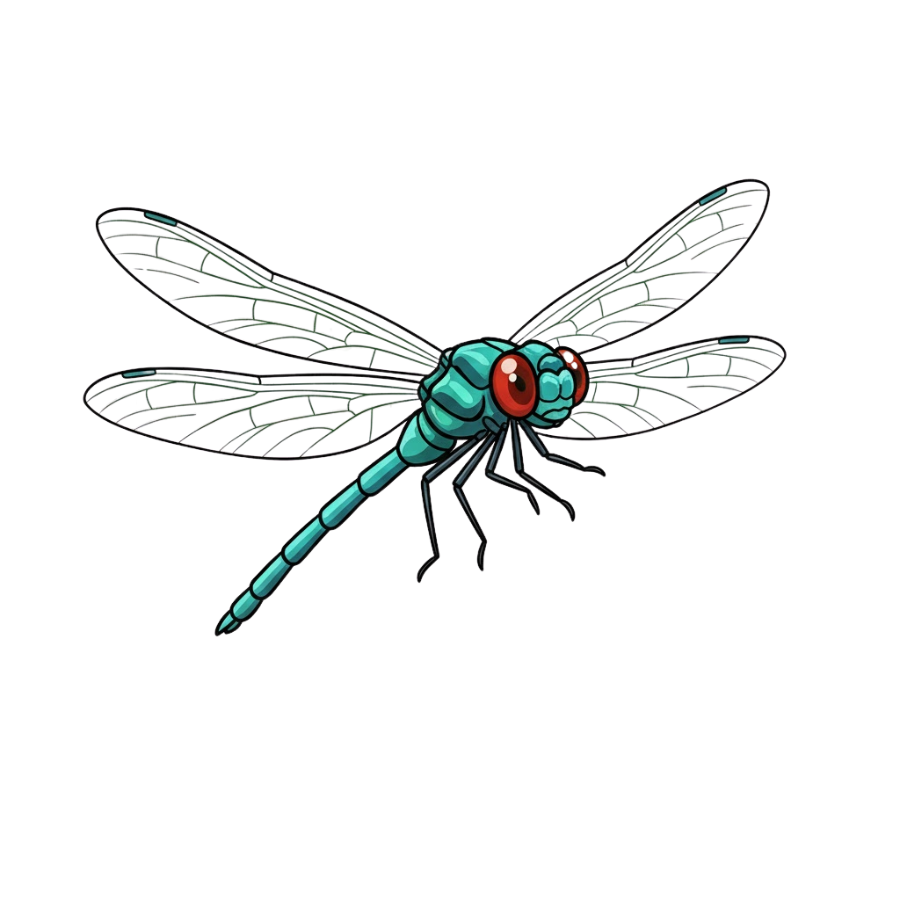

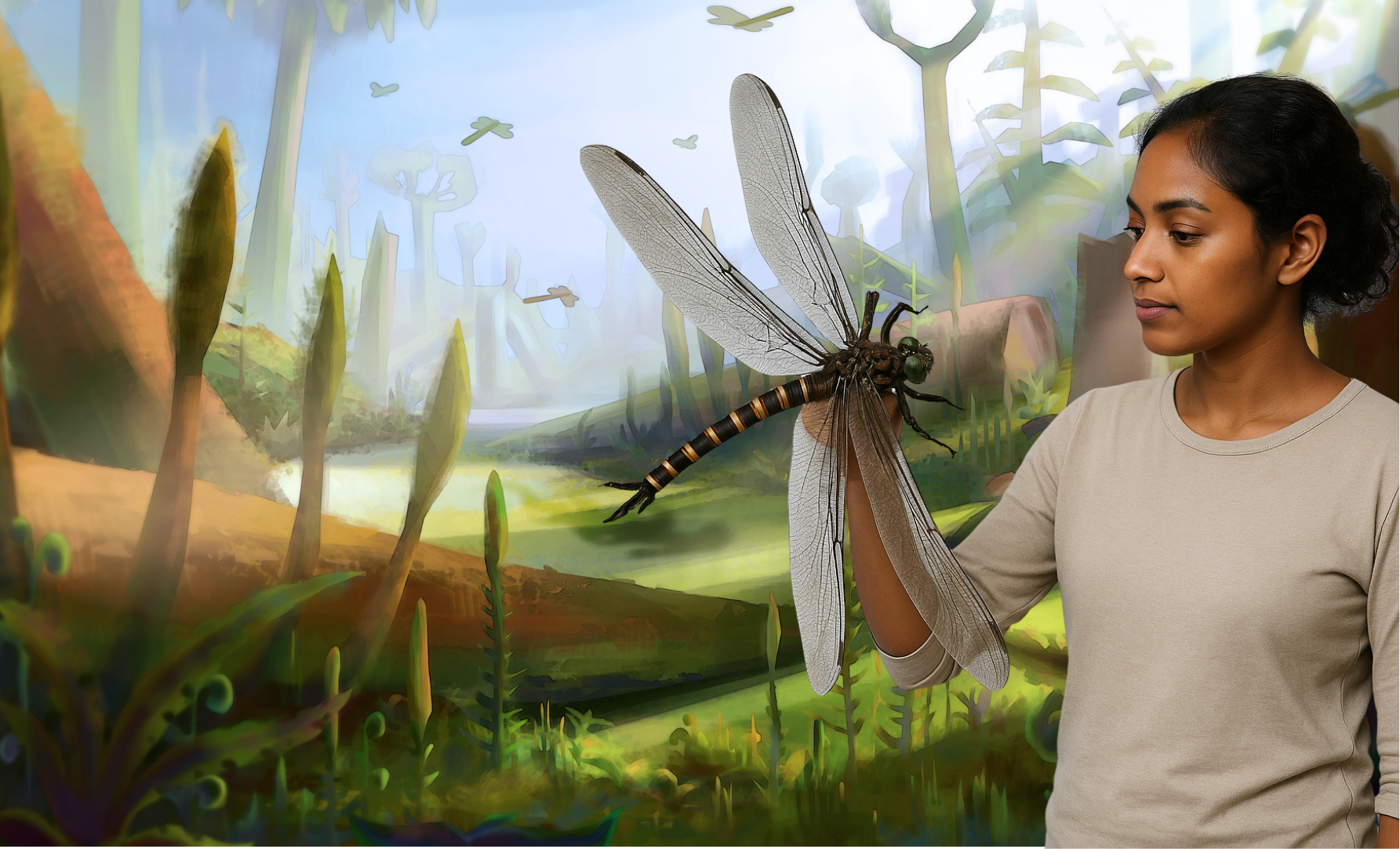
A prehistoric dragonfly relative called Meganeura had wings over two feet wide! These ancient giants lived in oxygen-rich environments where insects could grow huge. Imagining their scale helps us think about how ecosystems and evolution might shape creatures on other planets.

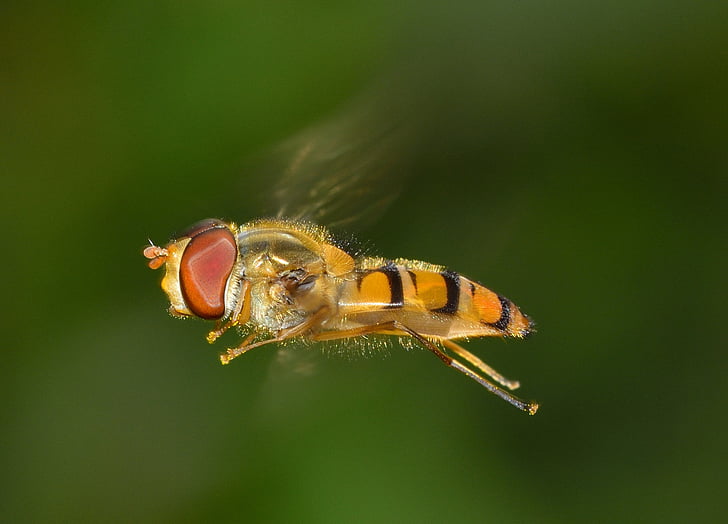
Insects were pioneers of flight, soaring long before birds or bats existed. Wings opened up new habitats and survival strategies. Their evolution shows how a single innovation—flight—can change the future of life on Earth and beyond.
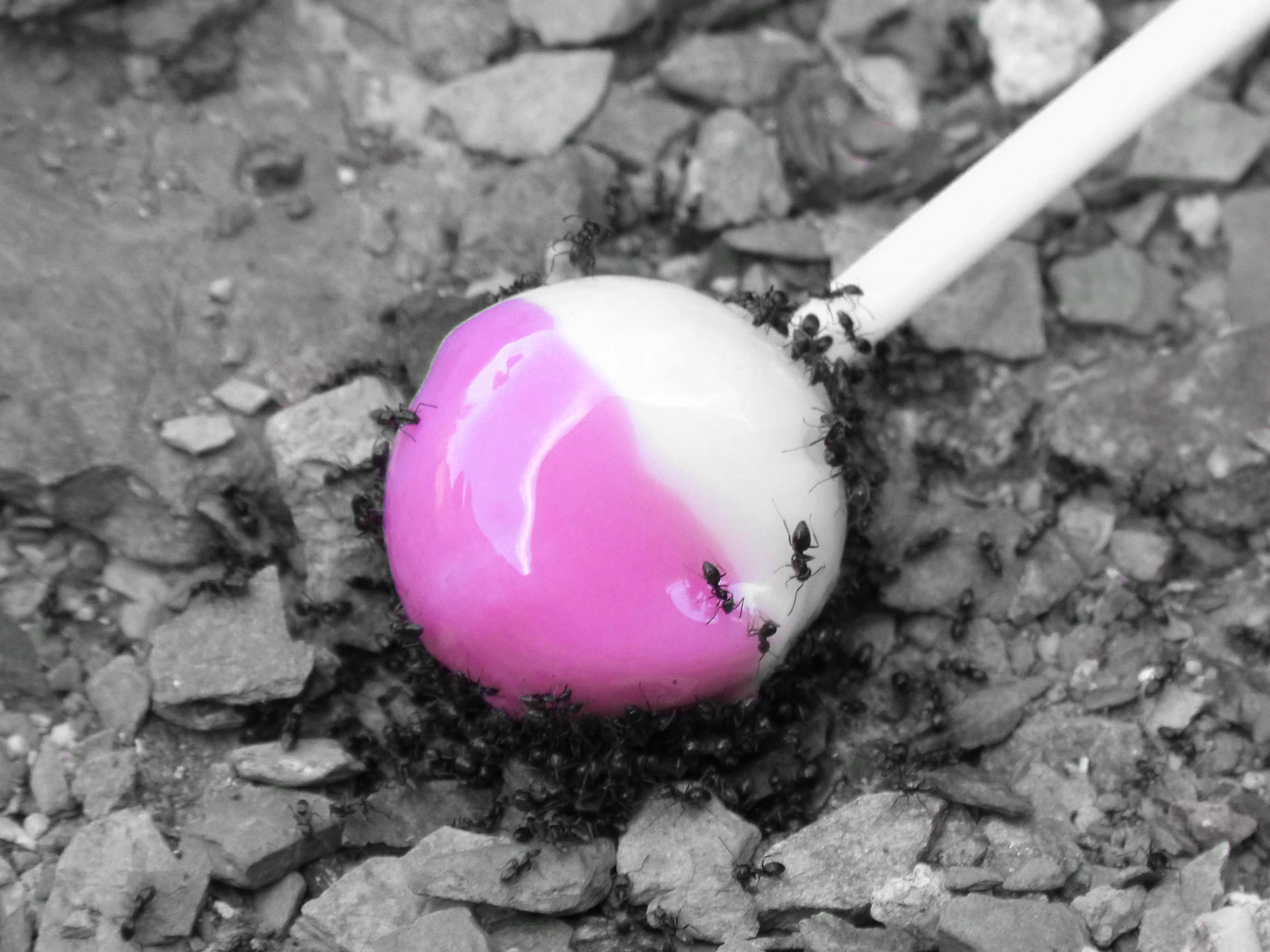
Some ants living in cities adjust their diets to match ours, eating more fats and sweets. This quick adaptation helps them thrive in urban ecosystems. It reminds us that even tiny species can teach us about flexibility and survival in changing environments.
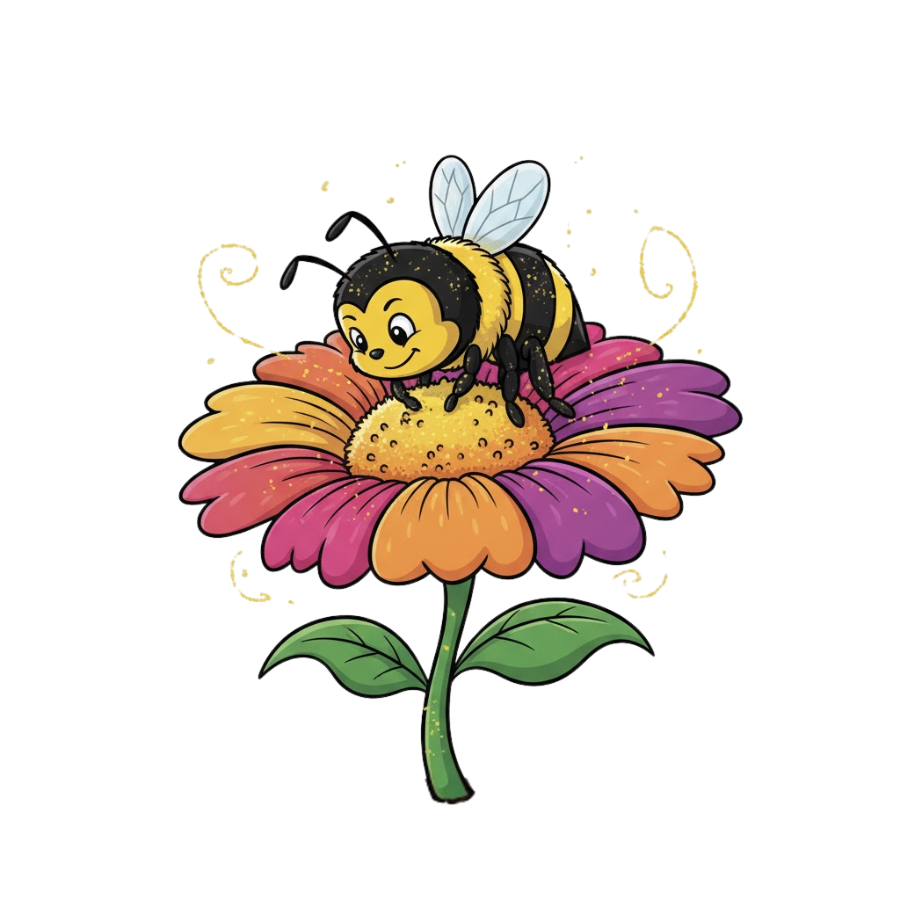
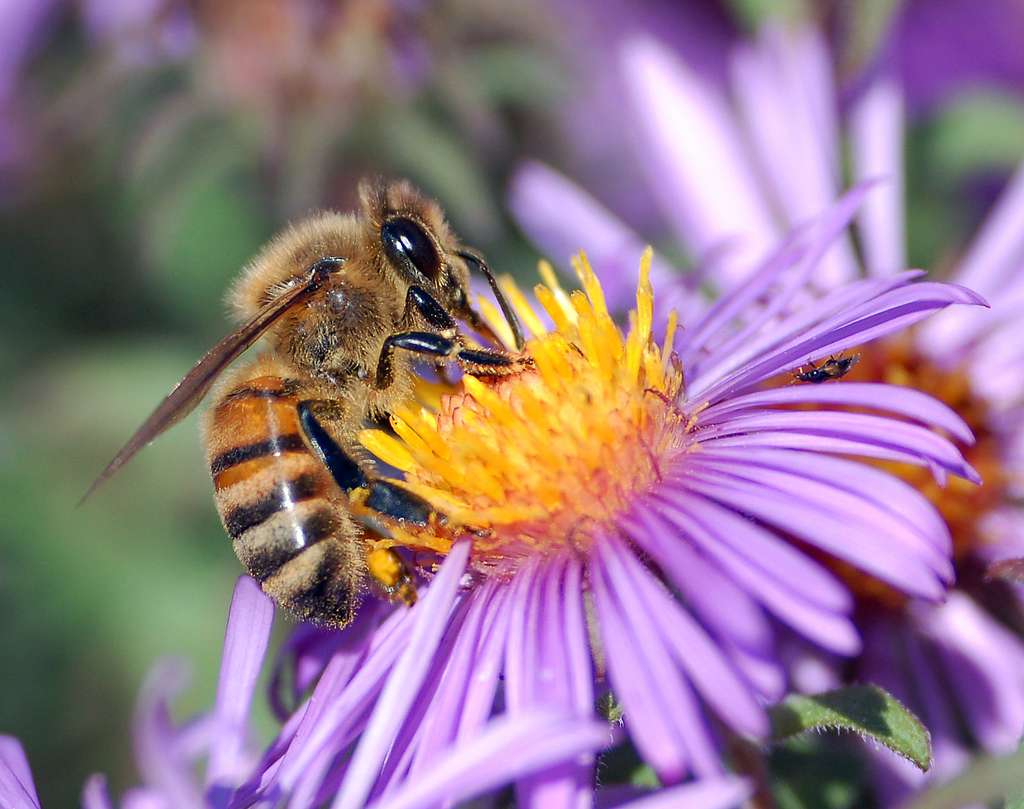
Pollinating insects like bees and butterflies keep our food systems alive. They move pollen between flowers so fruits, vegetables, and seeds can grow. Protecting pollinators ensures a healthier, more sustainable future for people and the planet.
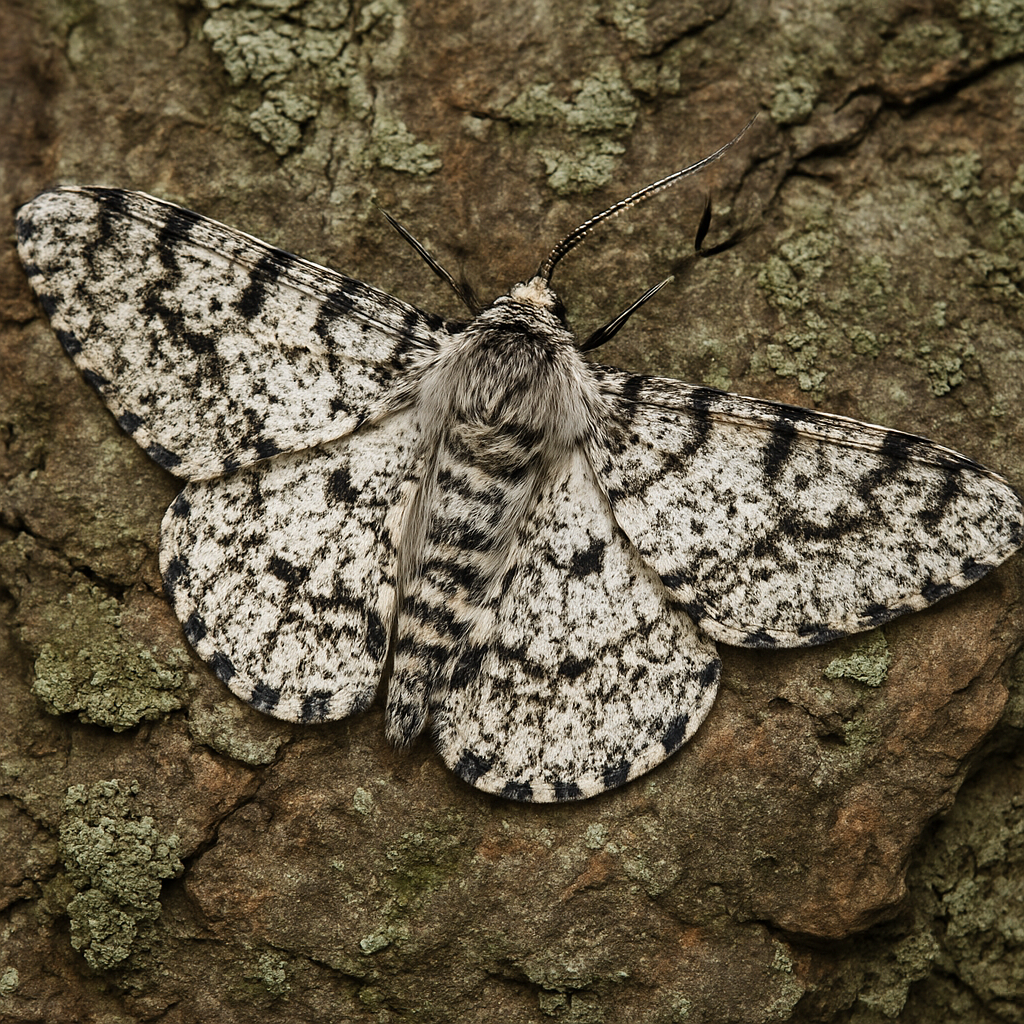
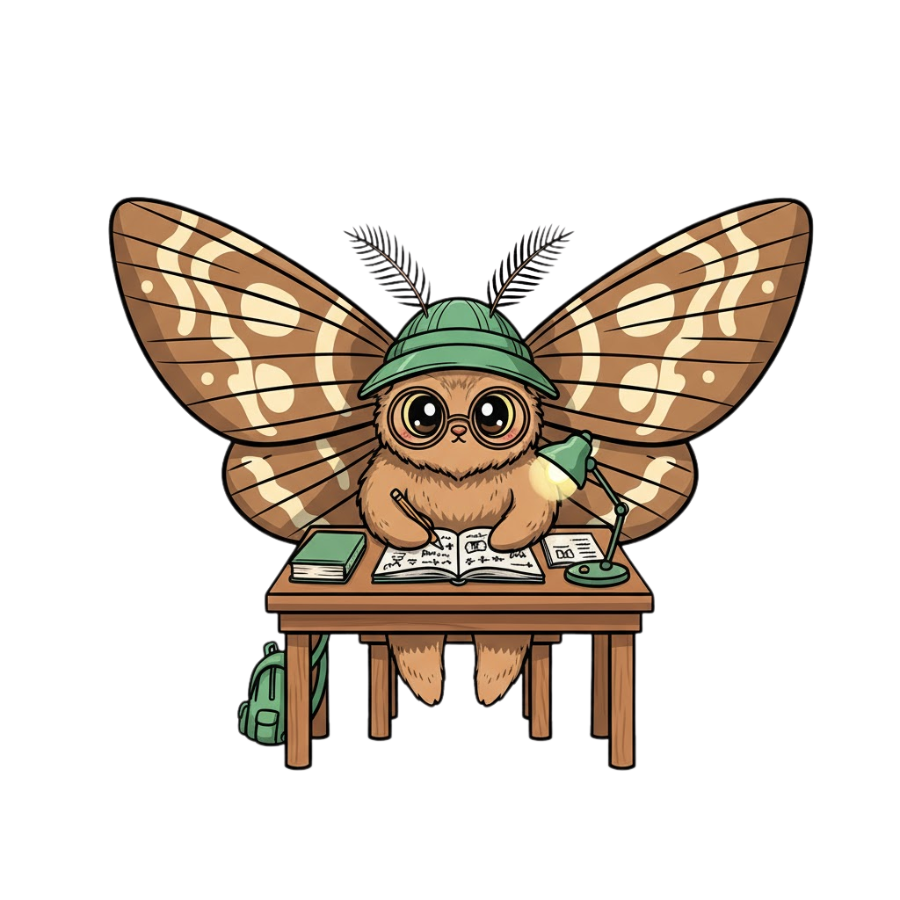
Some insects, like the peppered moth in England, are evolving quickly to survive in cities. During the Industrial Revolution, their wings darkened to blend in with soot-covered buildings—and now, as cities change again, so do the moths. This rapid adaptive evolution hints at how other insects might adapt in the future.
Create a model of a giant insect to be displayed in a science museum.
What will your insect look like?
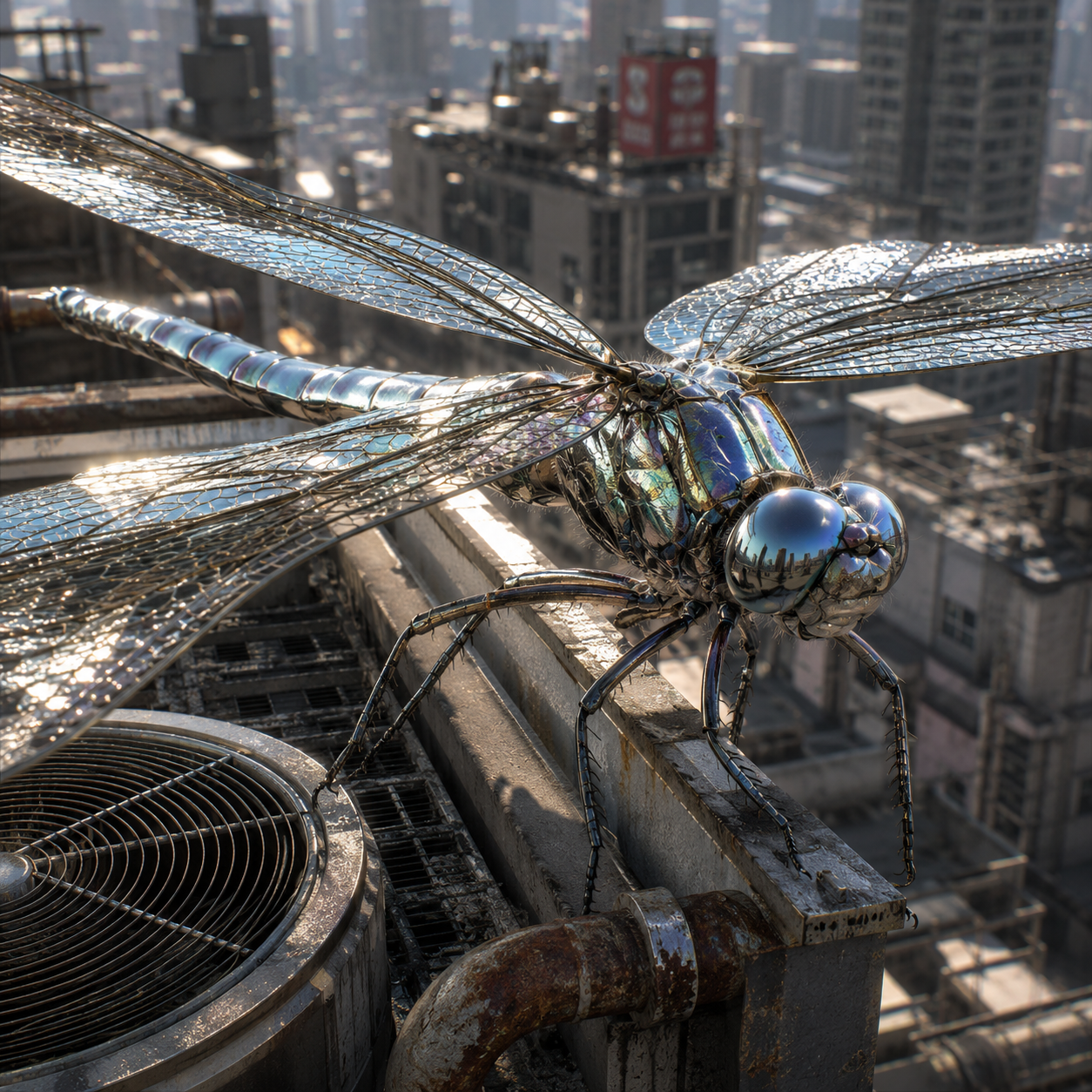
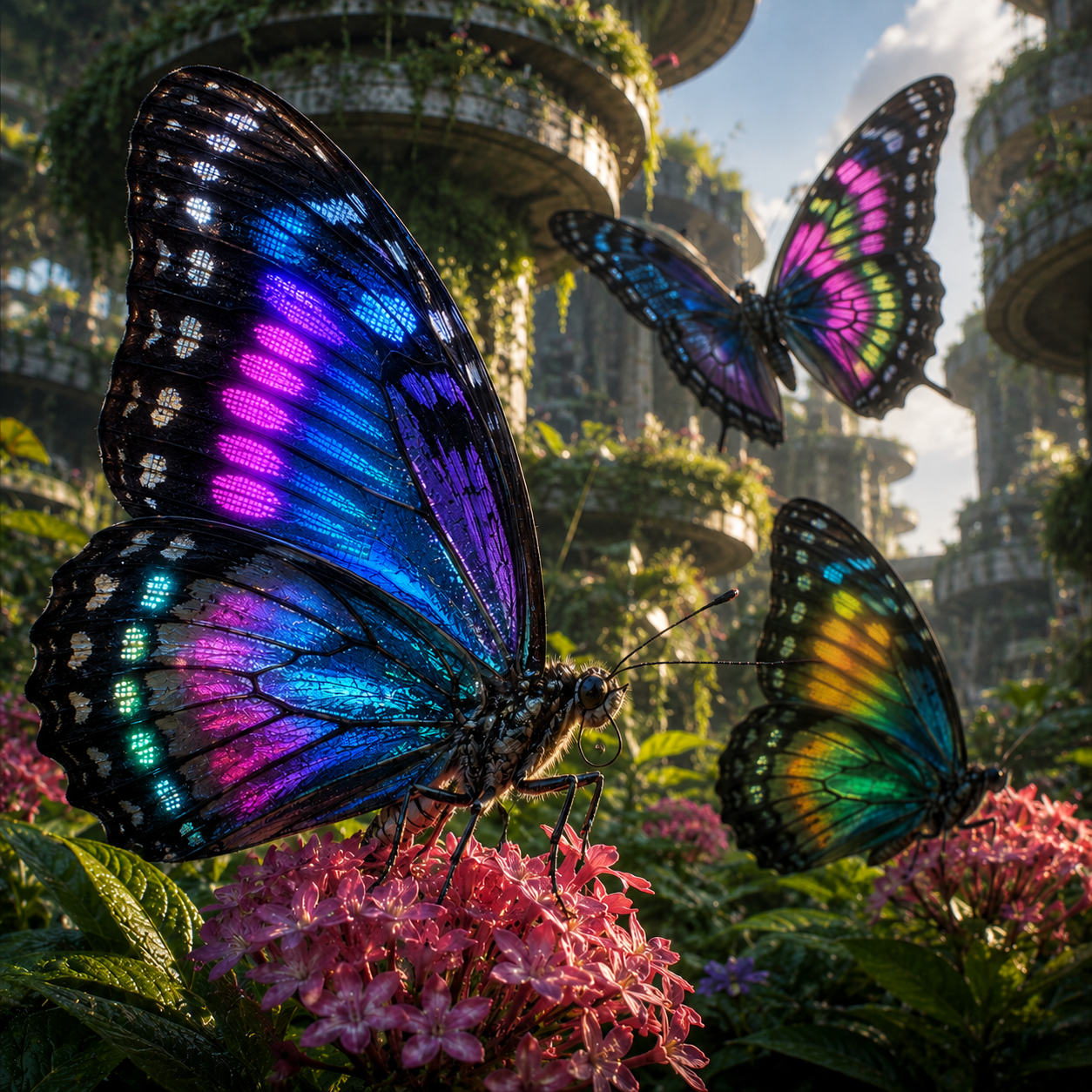
How will it survive?

Where will it live?


.png)
.png)
.png)