

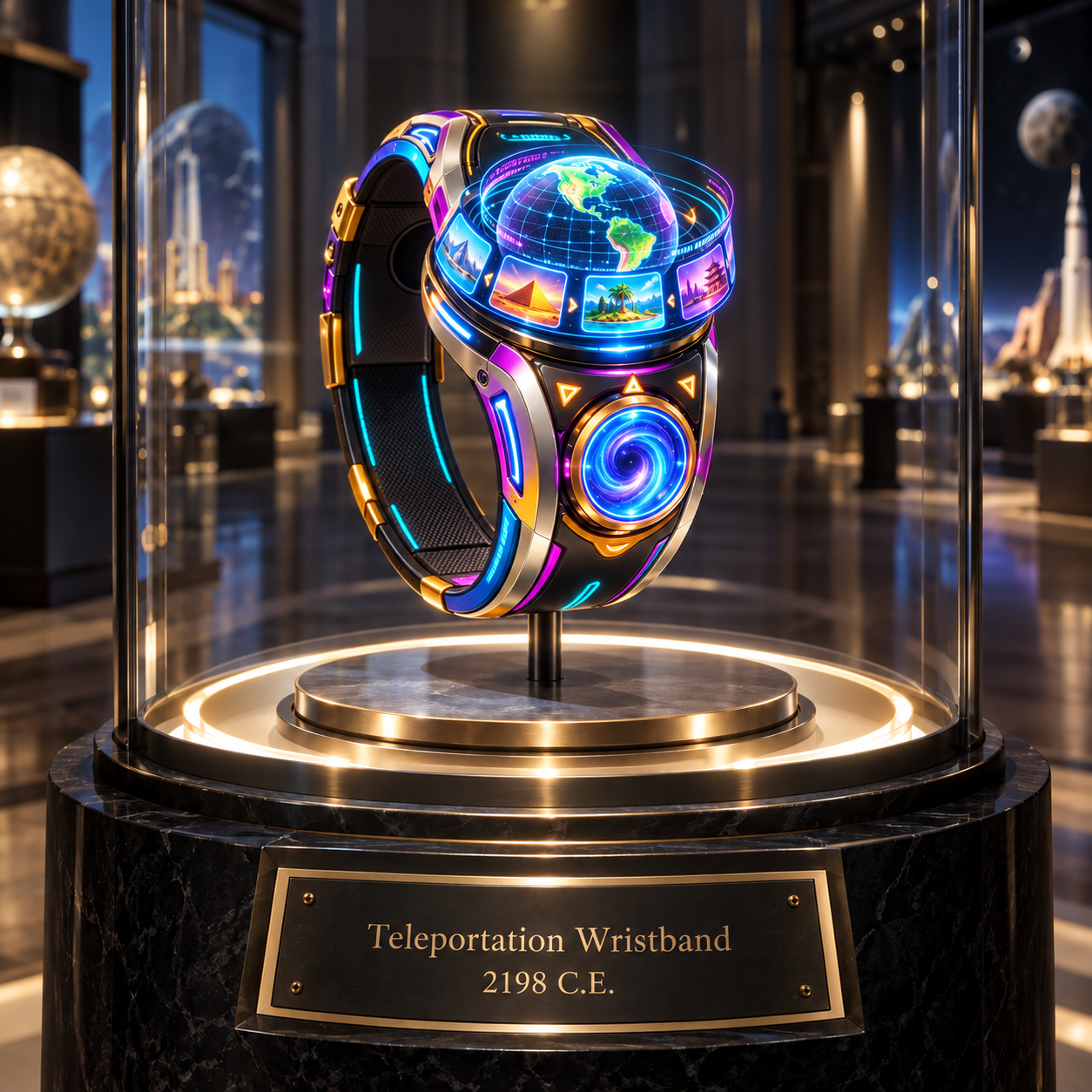
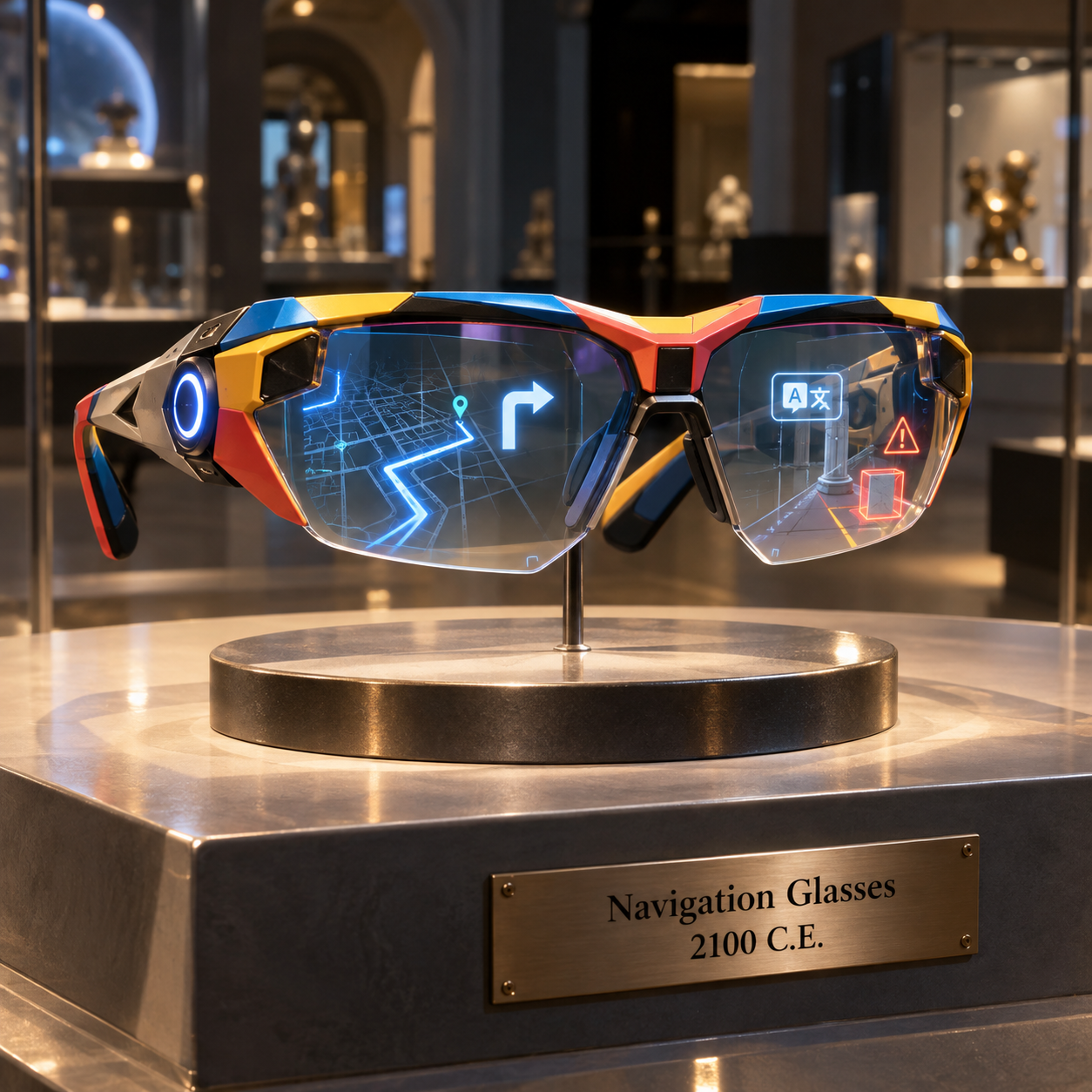
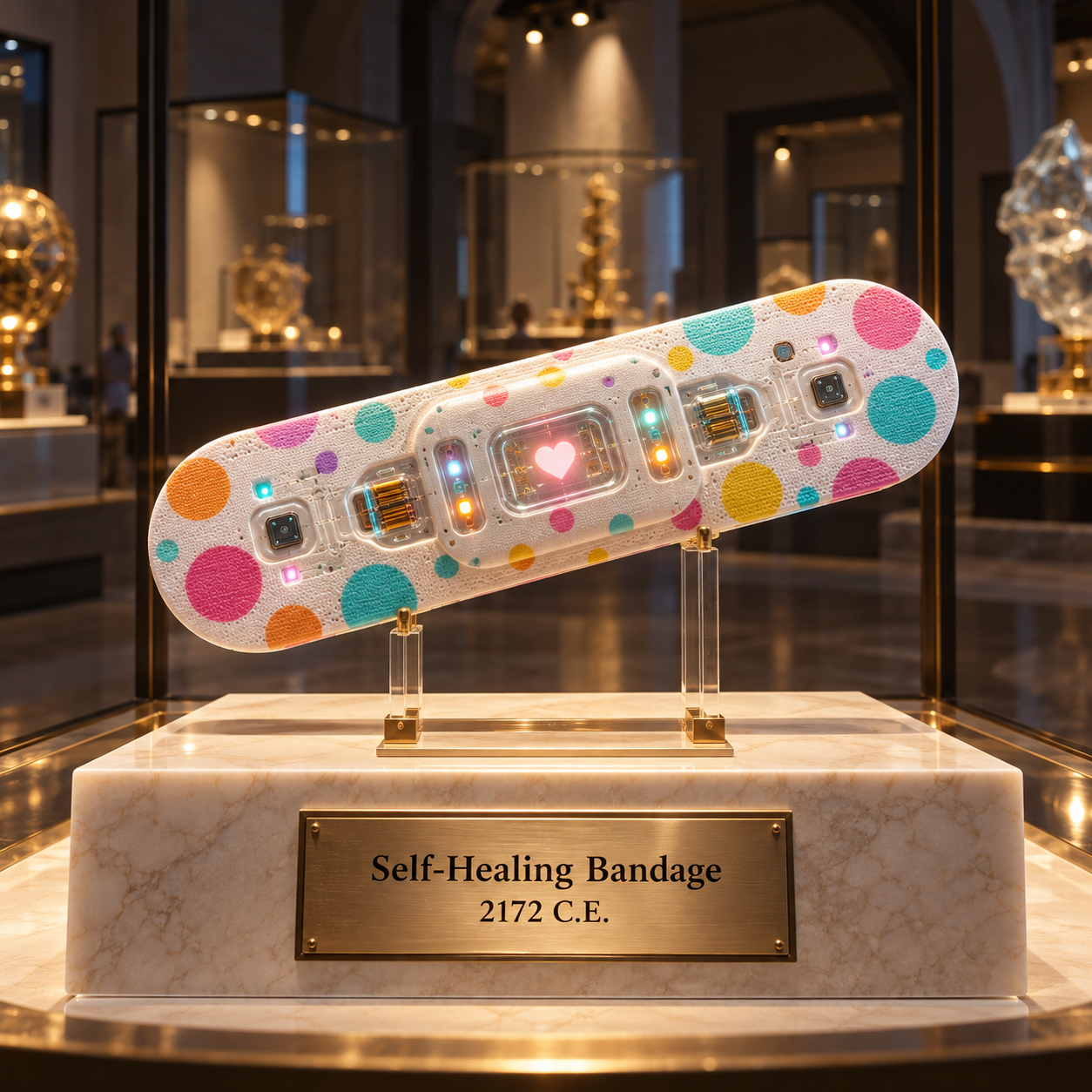
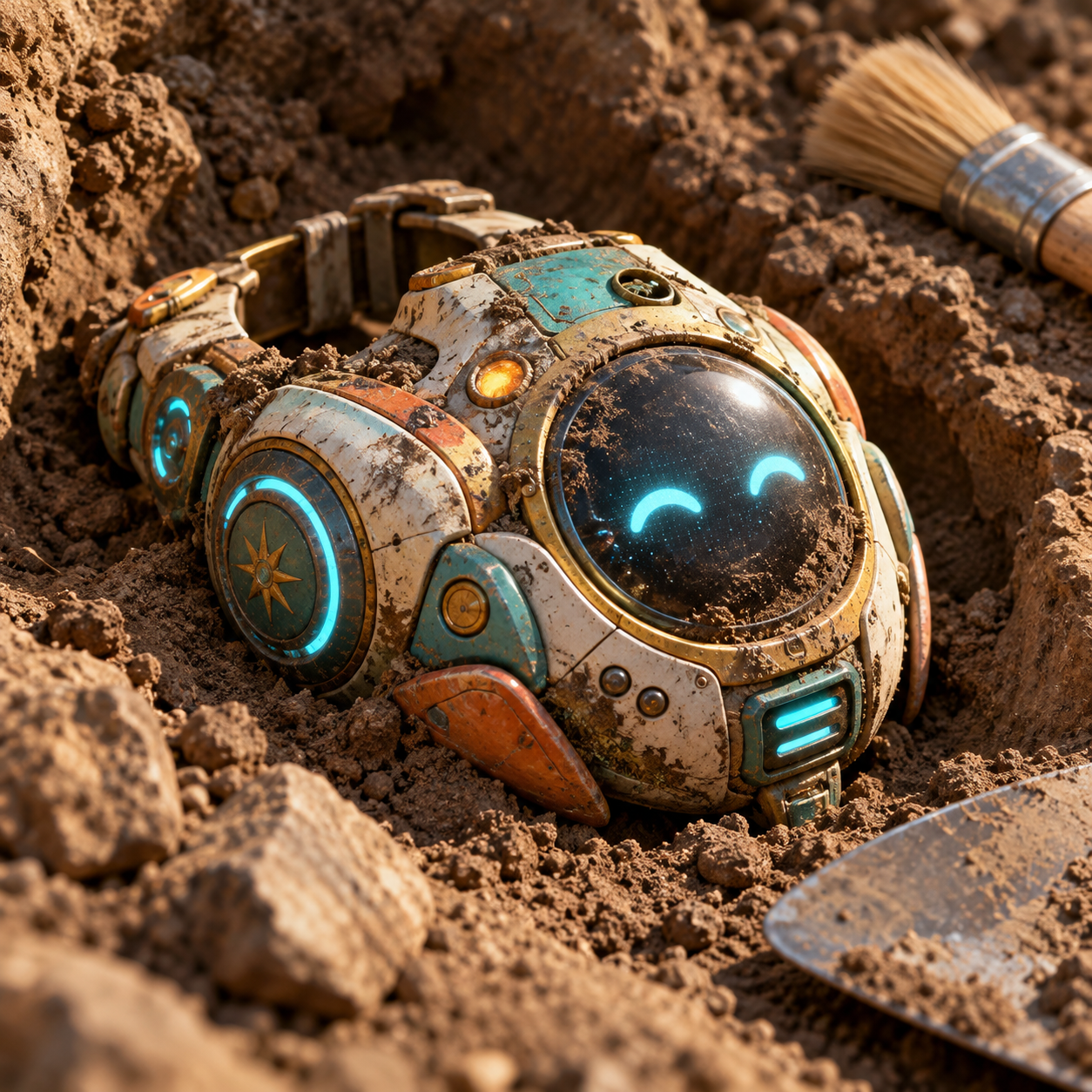
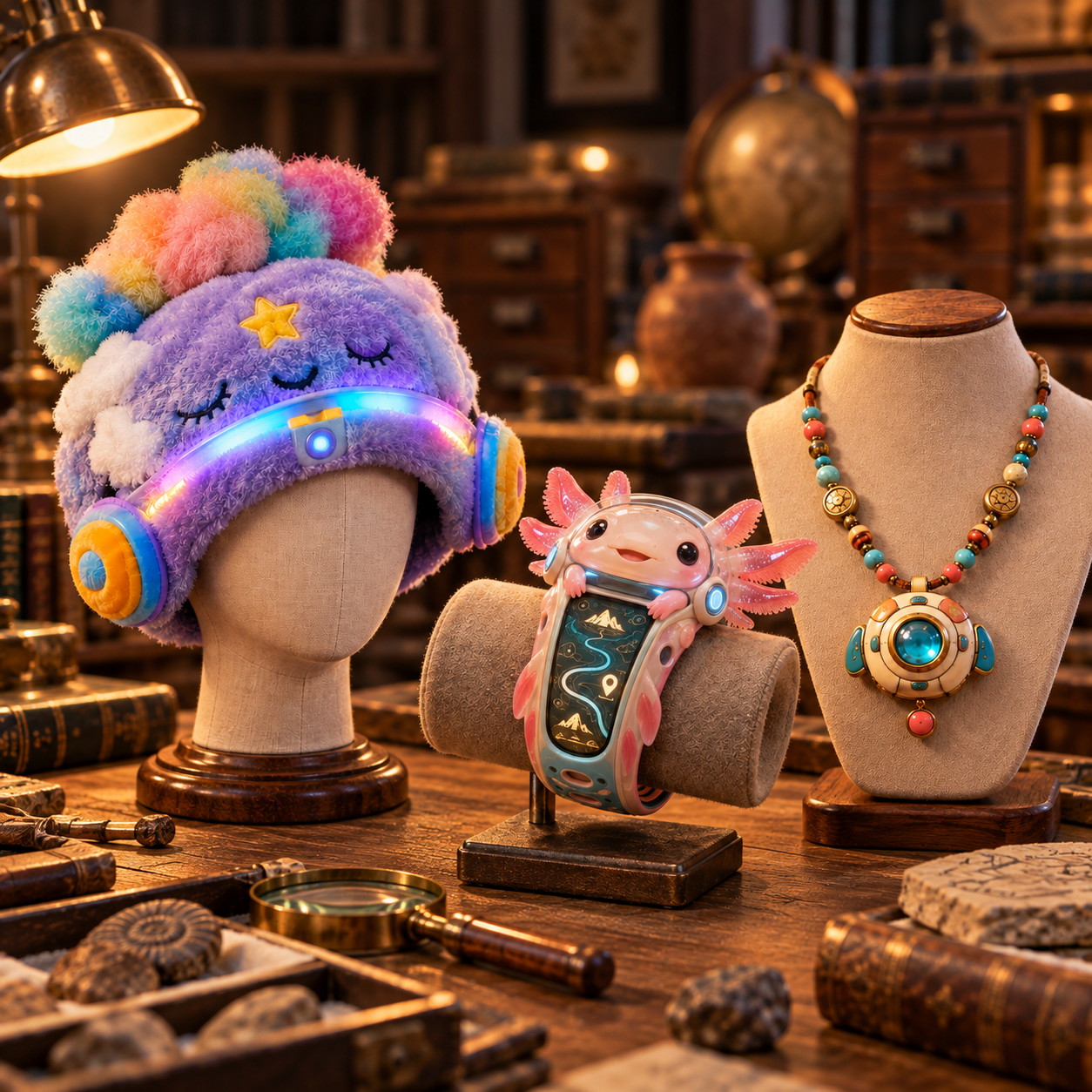
Imagine it’s the year 3050. You are an archaeologist who specializes in studying artifacts from the 2100s. On your latest dig, you uncover a collection of high-tech wearable gadgets.
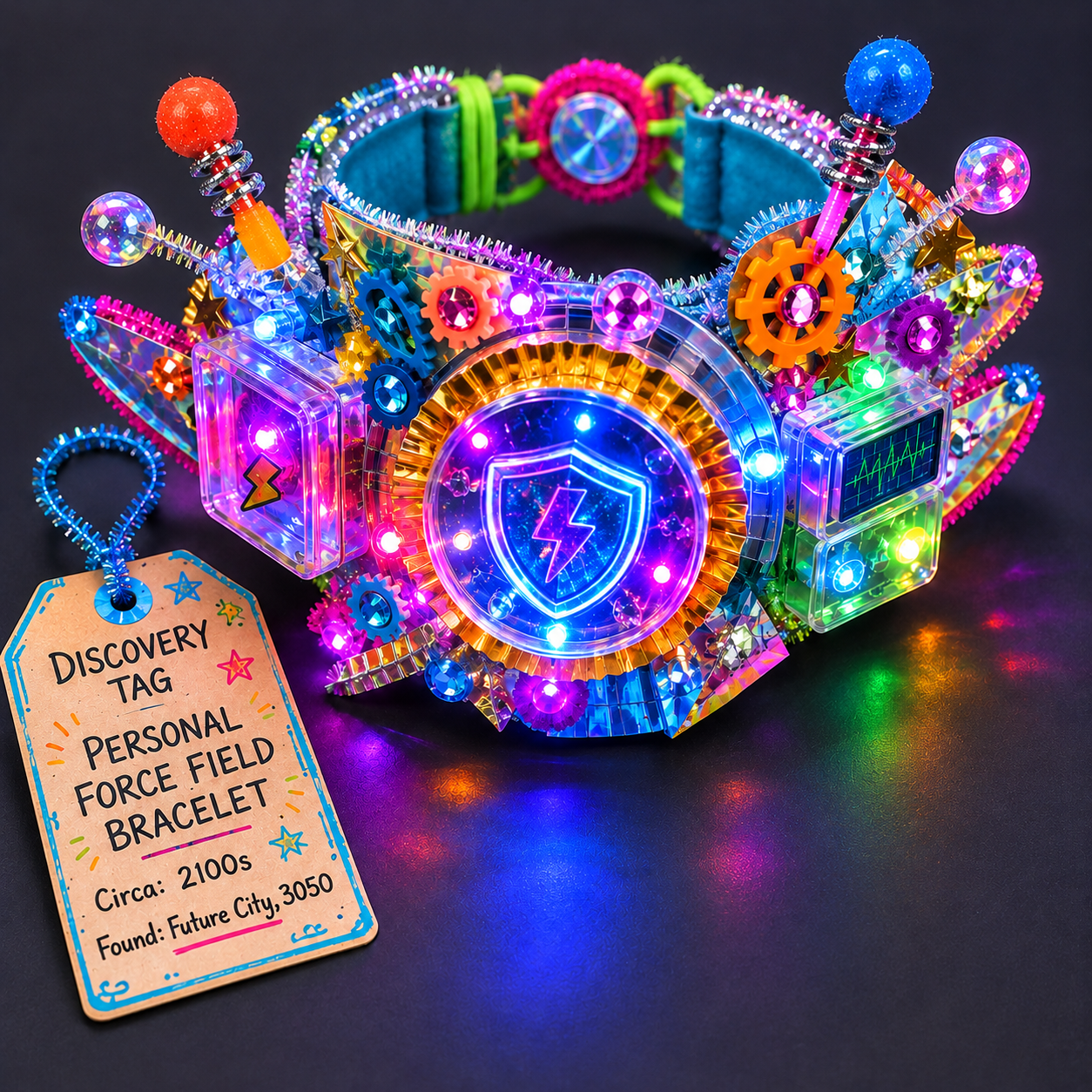
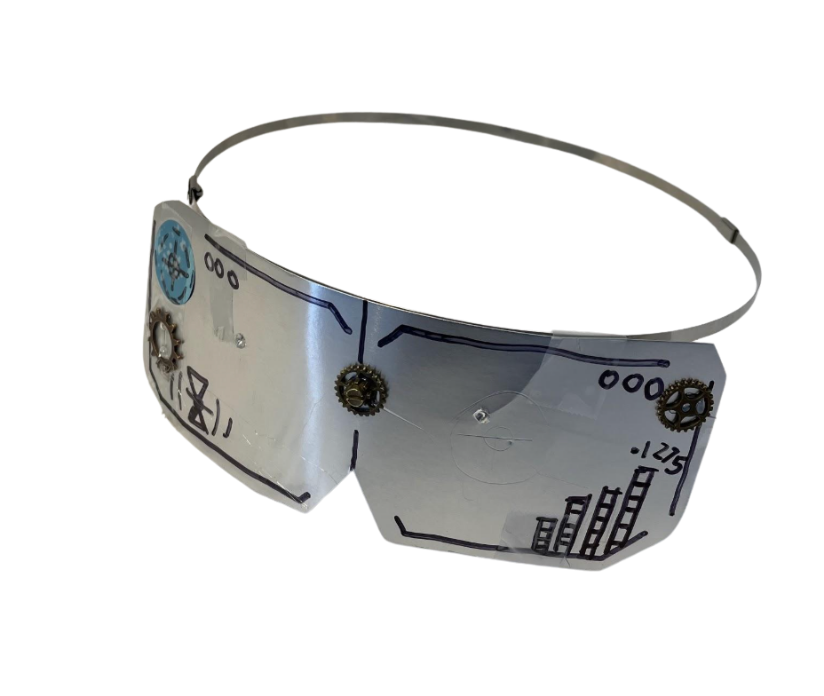
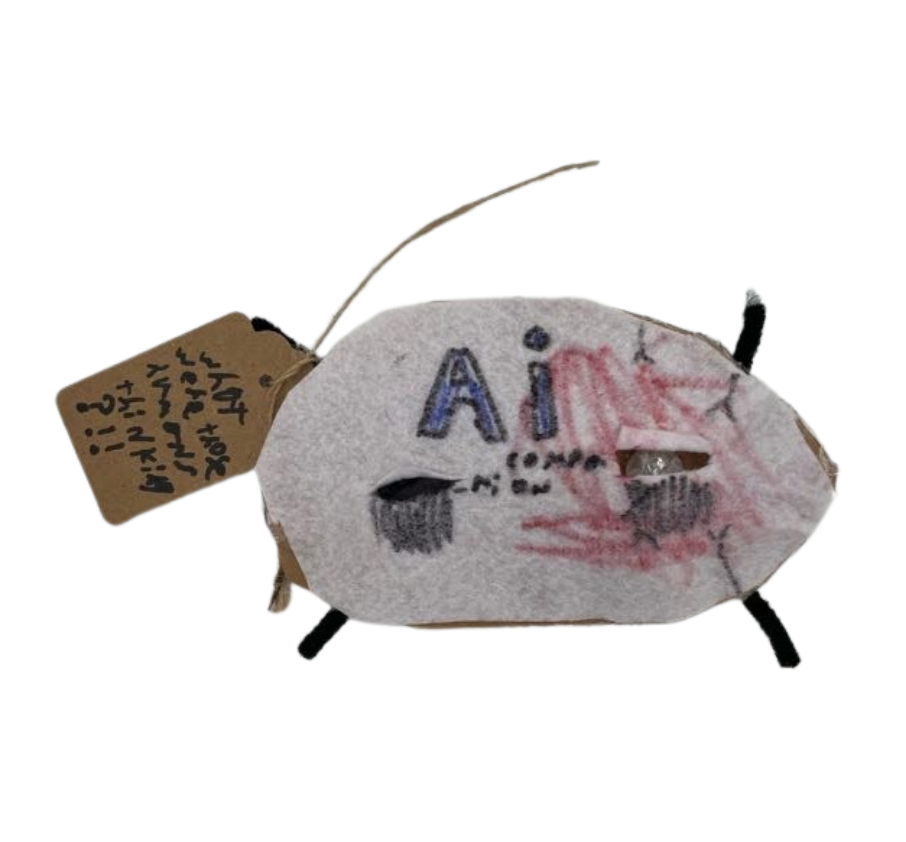
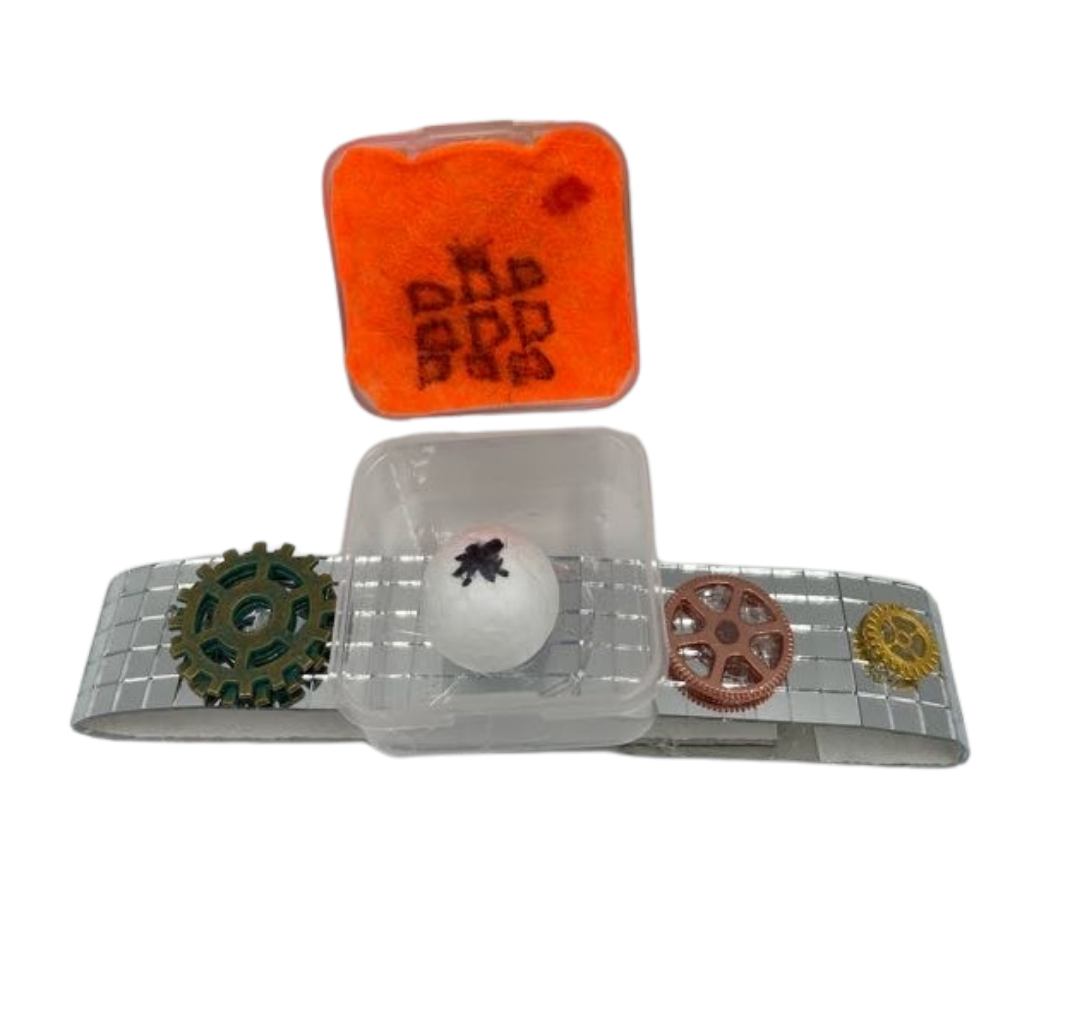
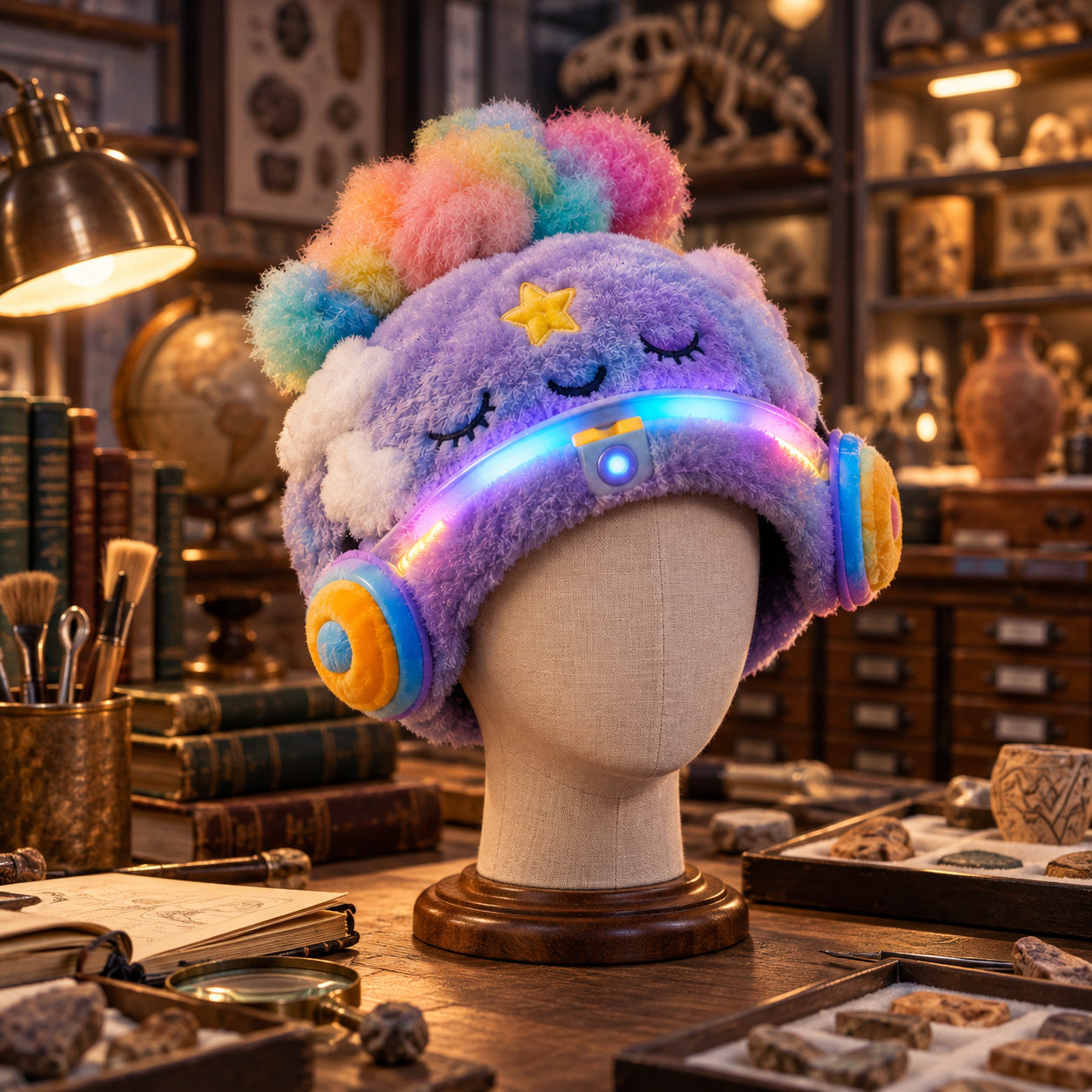
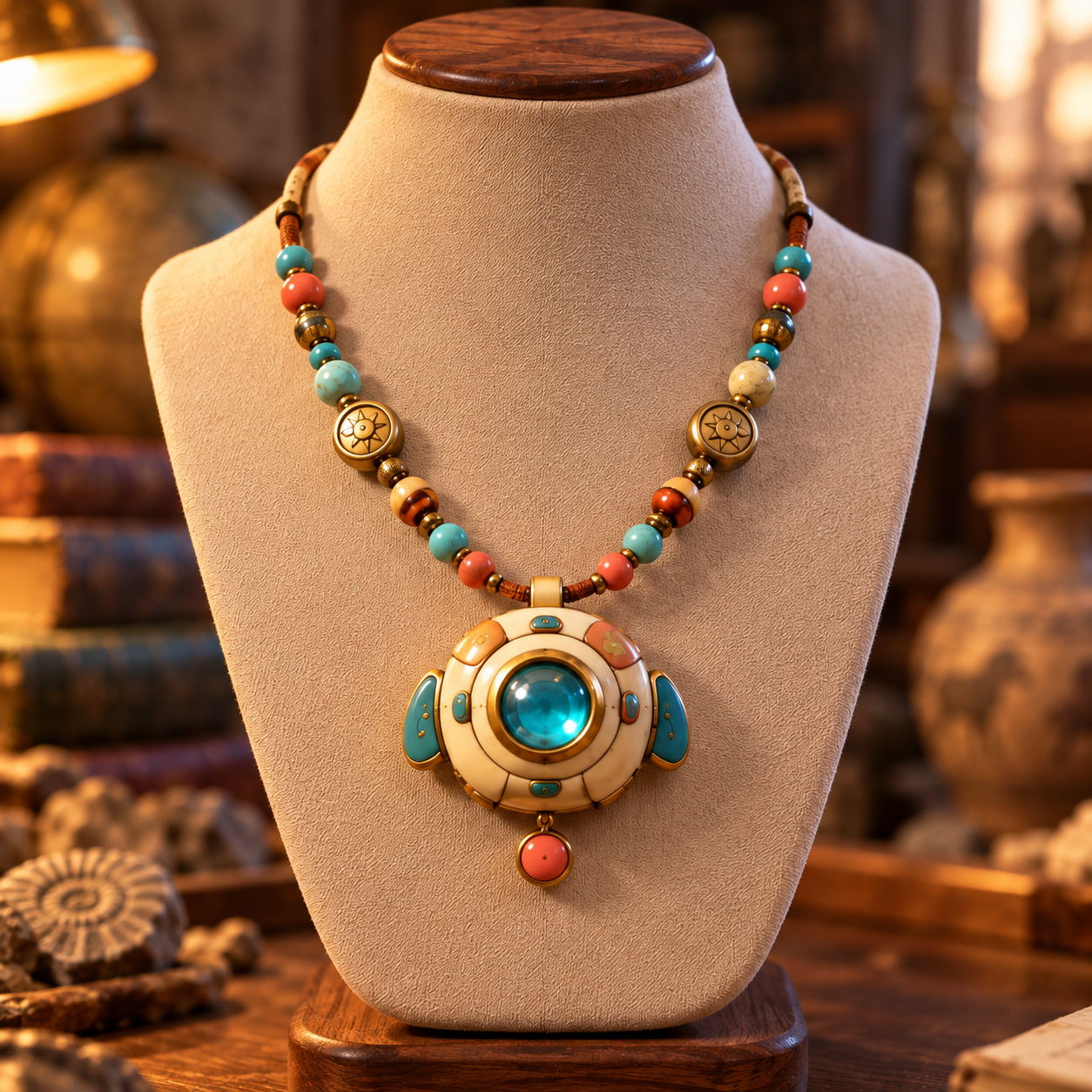
Your mission: Build a model of this gadget, highlighting its design and technology to understand how people from the 2100s used it in their daily lives.
What will your artifact of tomorrow look like?



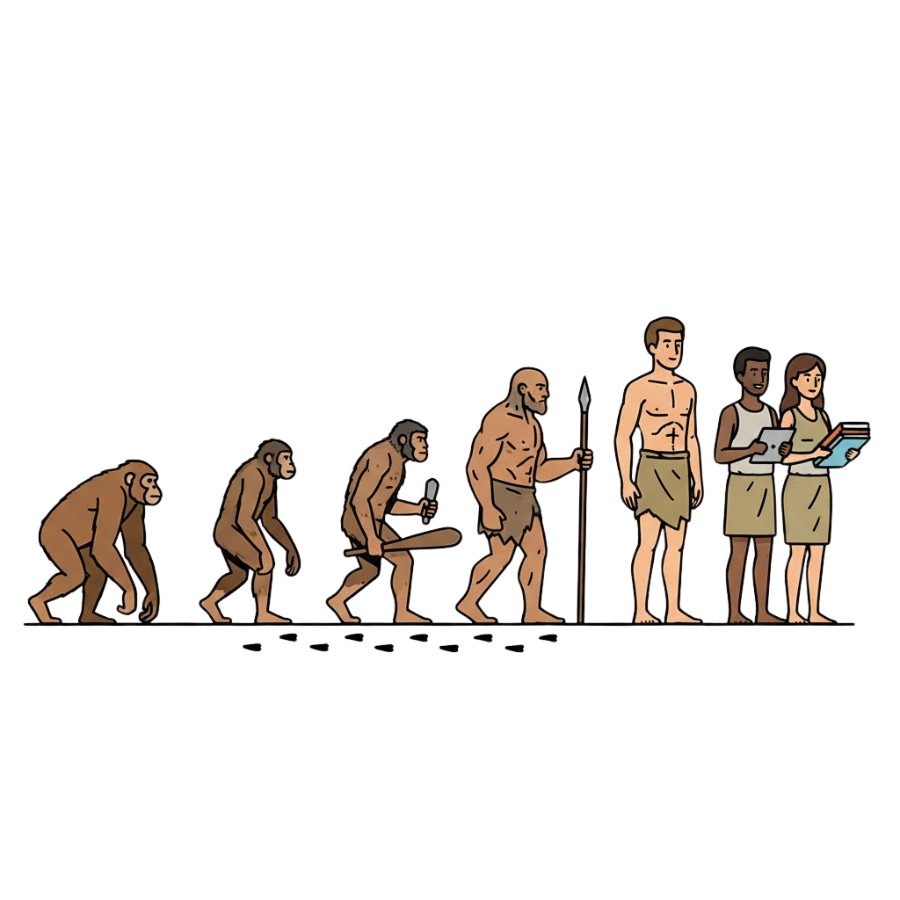

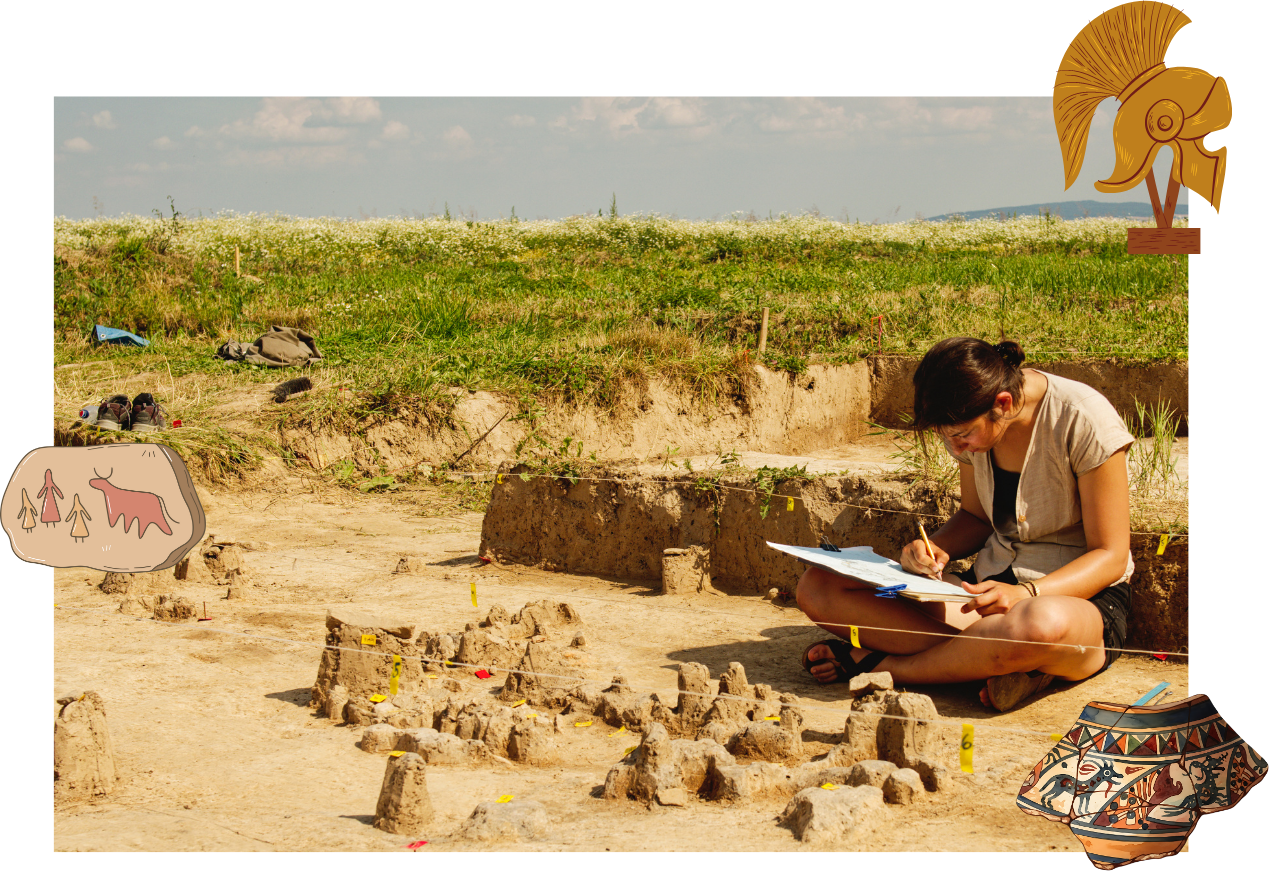
Archaeologists study human-made objects to learn how people lived, what they believed, and the technologies they used. These artifacts connect past choices to present and future ideas.
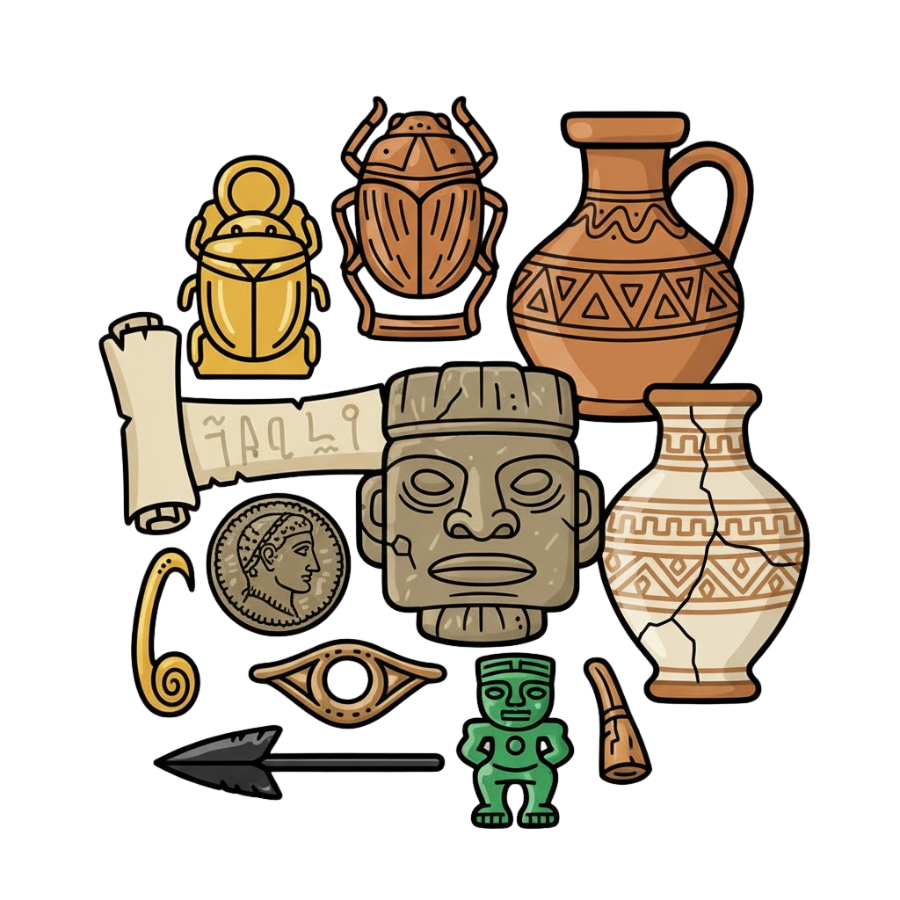
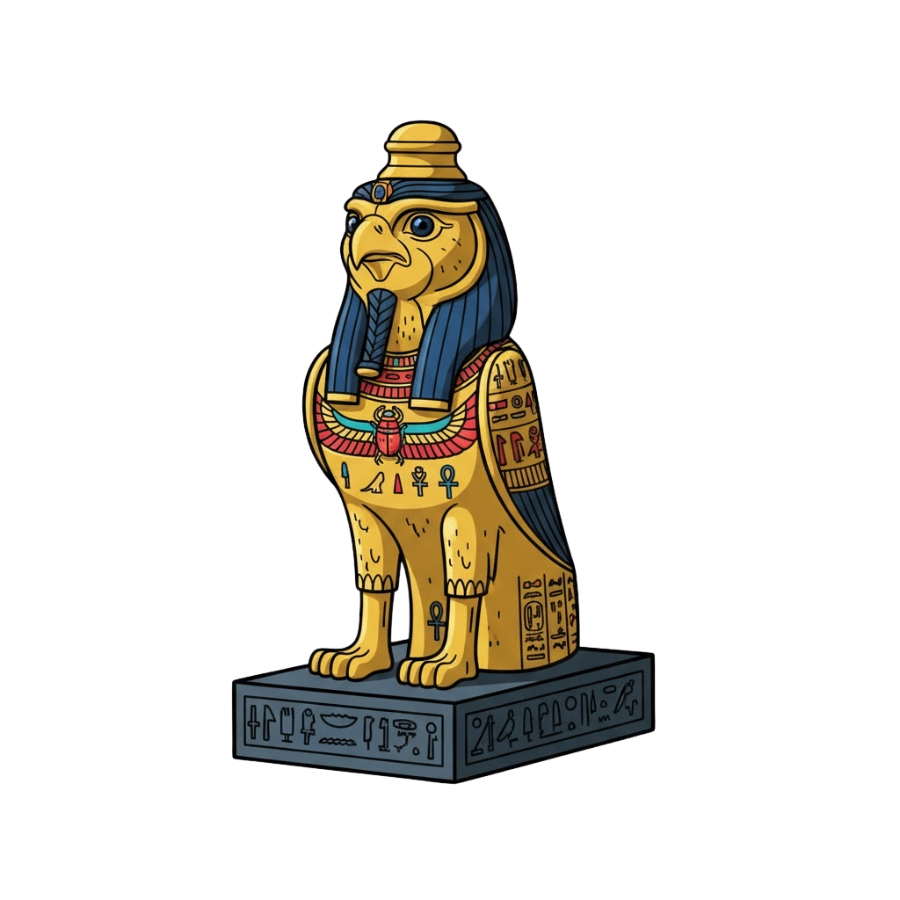

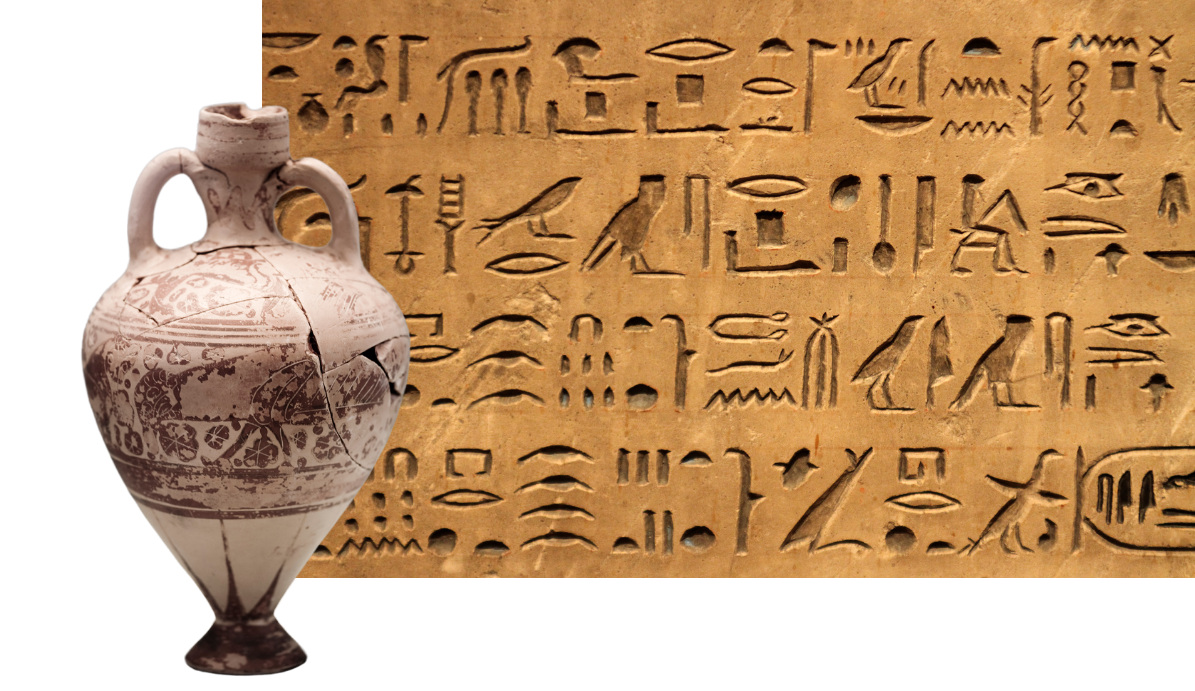
Artifacts reveal clues about daily life, problem‑solving, and materials. For example, an ancient piece of pottery could tell us what materials people used to make it and how they prepared food or carried water!
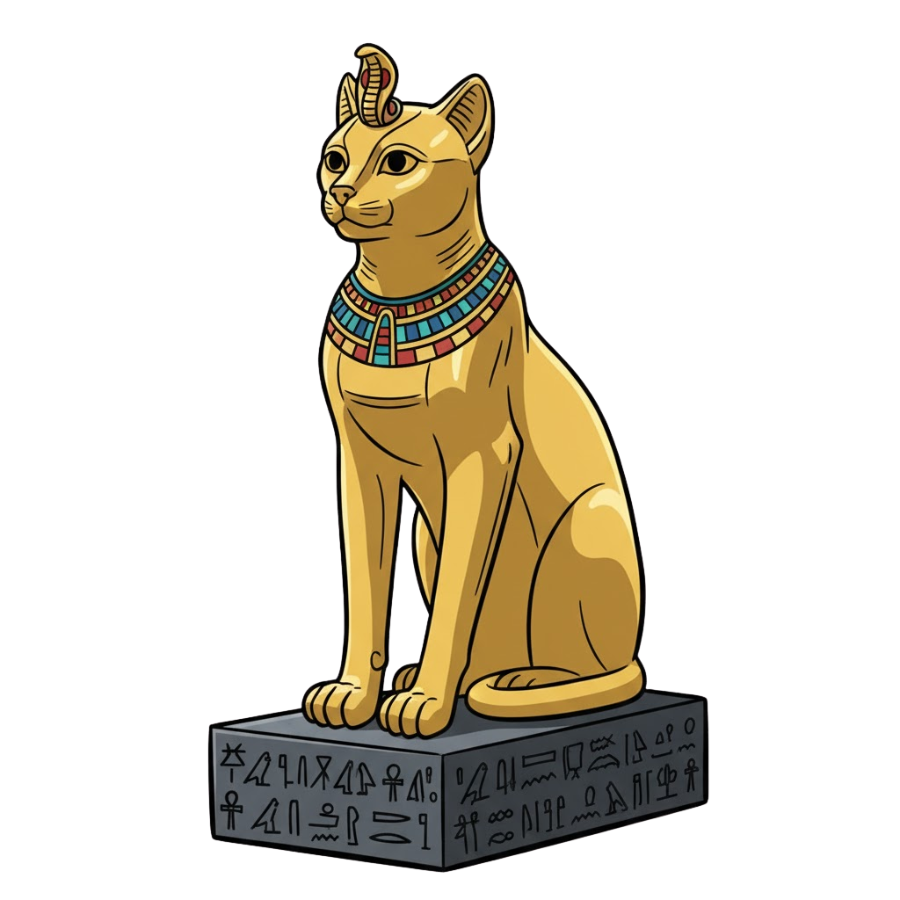
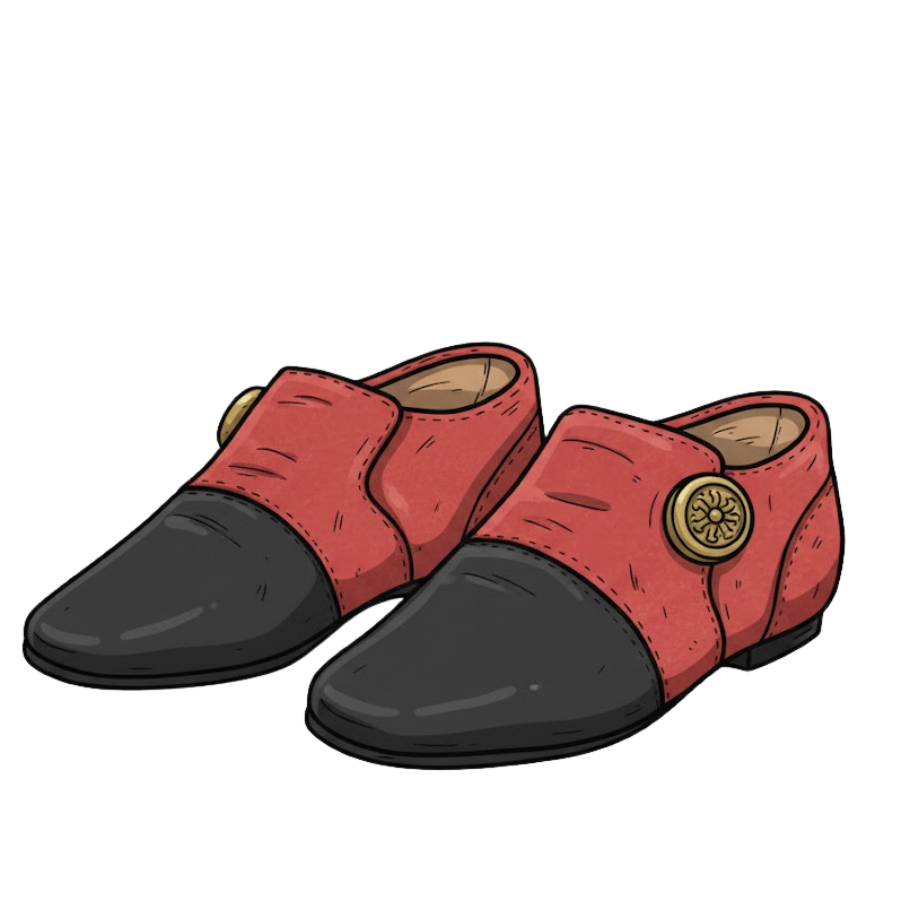

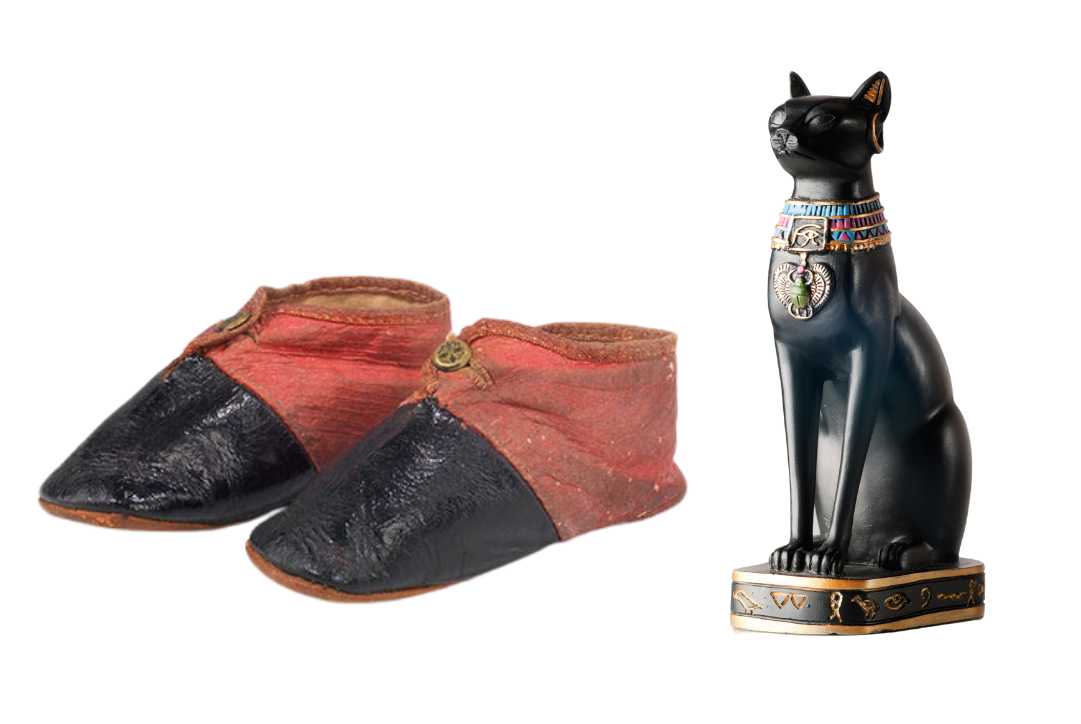
Both an ancient Egyptian cat statue and a pair of shoes from the 1800s are items made by people. So, even though they are very different, they are both artifacts! Excavated objects made up of natural remains, as opposed to objects of human workmanship, are considered ecofacts.

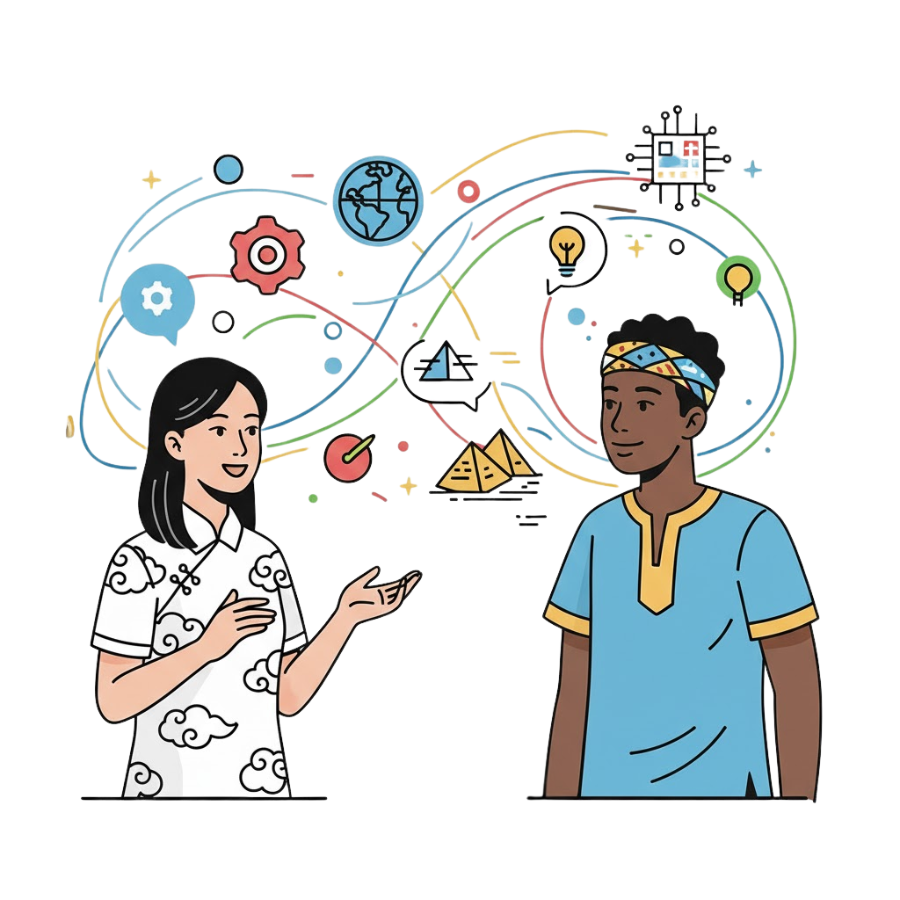
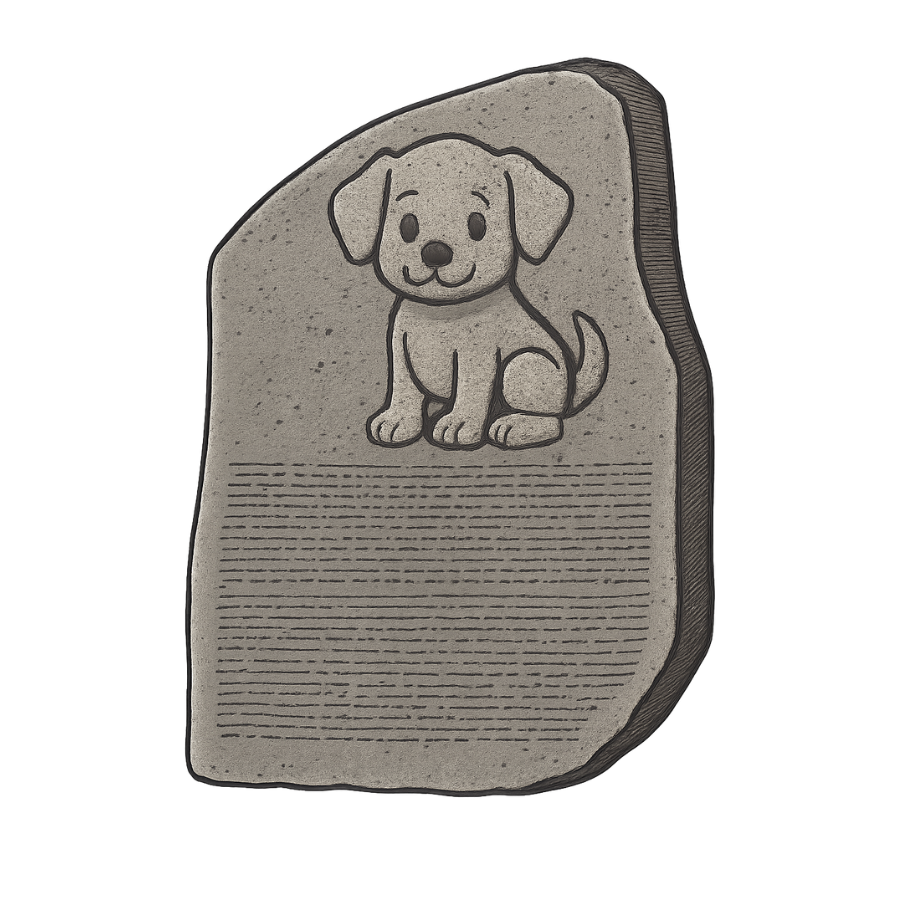

Multiple languages show a desire to communicate and preserve messages. That spirit of sharing helps us design inclusive tools and translations for the future.



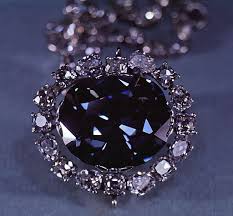
The Hope Diamond is a 45.52-carat blue diamond known for its stunning blue color caused by traces of boron and its alleged "curse" that supposedly brought misfortune to its owners. The Hope Diamond is currently at the Smithsonian Institution in Washington, D.C.
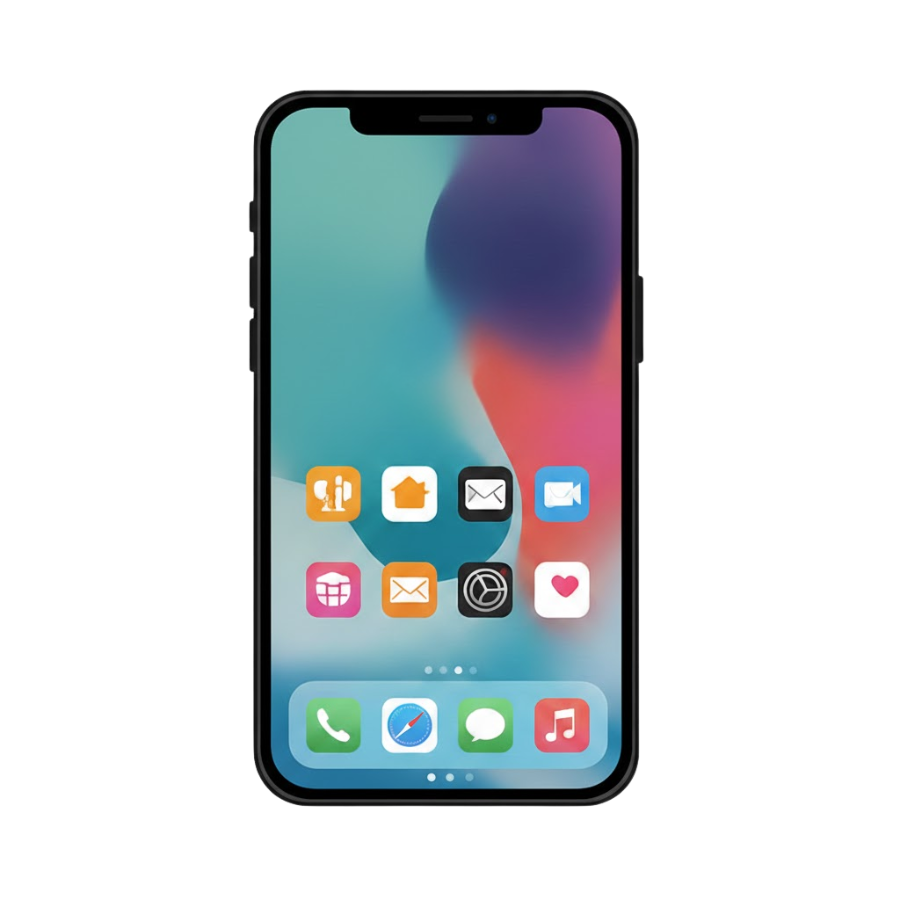
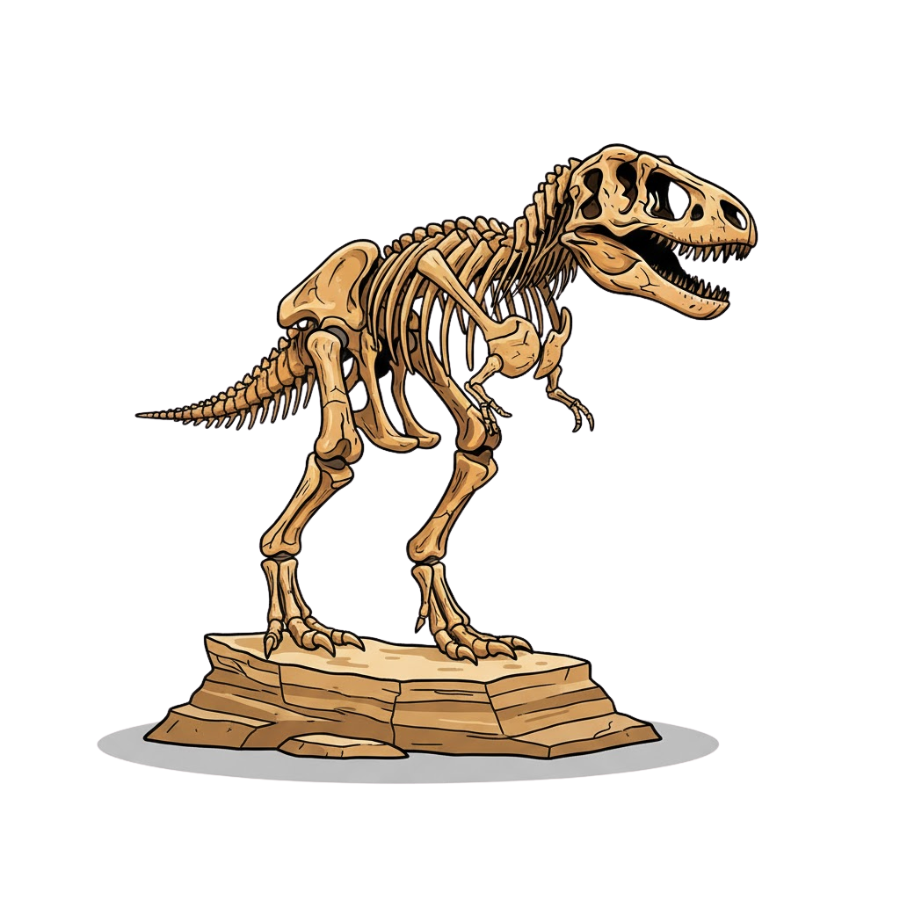

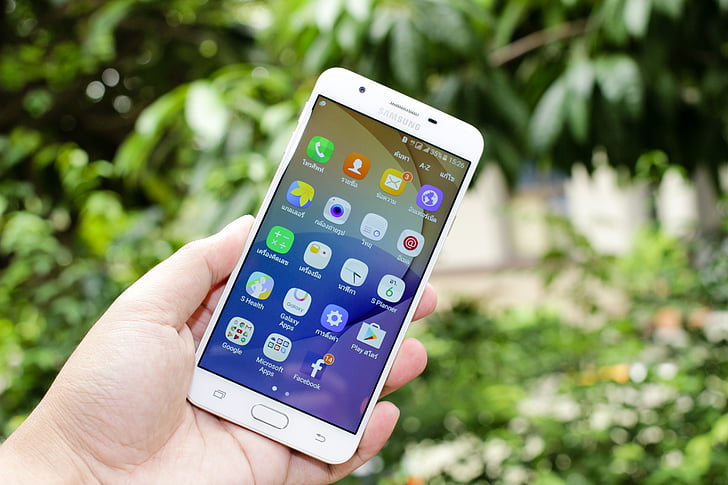
Phones record how we communicate, play, and learn. Studying their design and data could inspire future inventions that are more helpful, fair, and sustainable. An animal skeleton is another example of an ecofact!

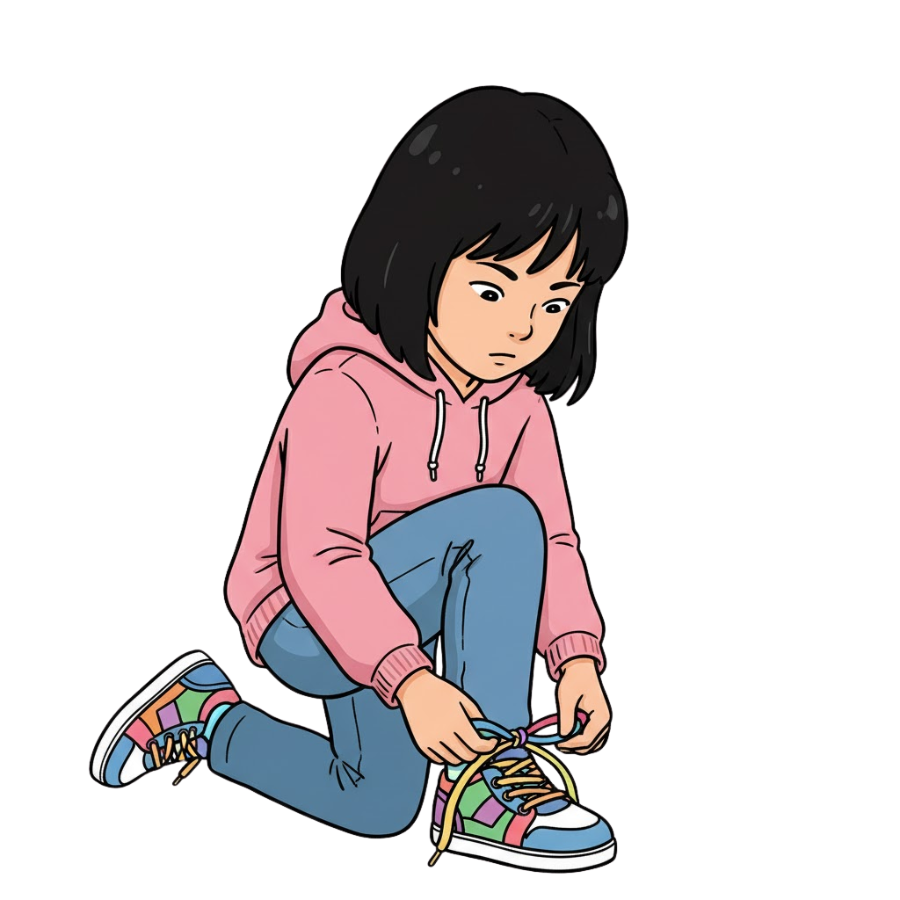

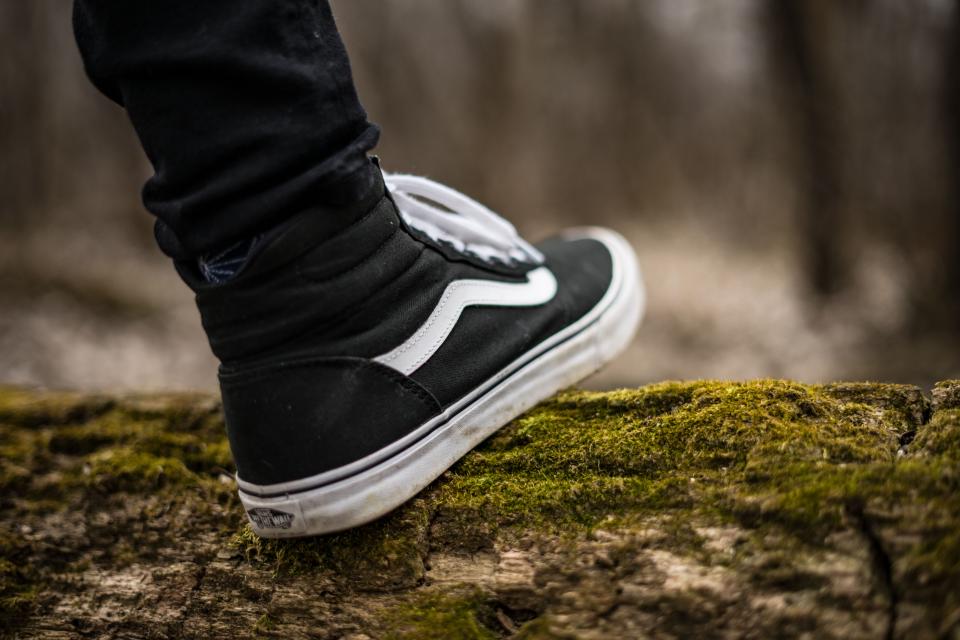
Sneakers combine material science and culture—from foams to fabrics to sports fashion. Learning from them can guide future designs that are comfy, durable, and sustainable.
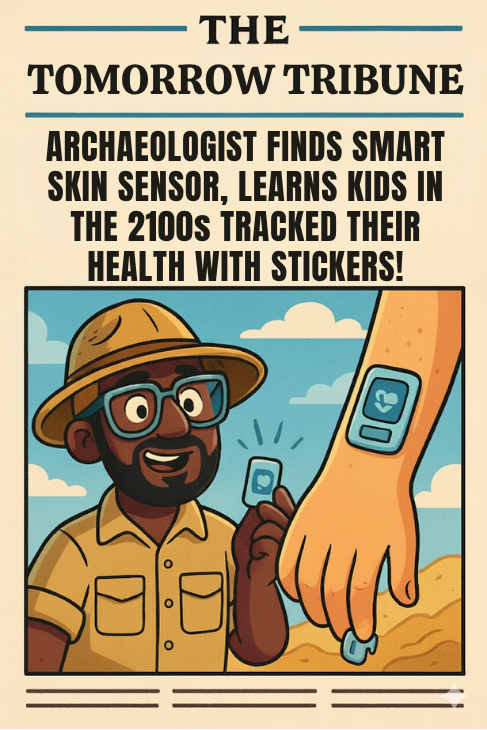
Scientists are developing smart skin sensors—ultra-thin patches that stick to your skin like a Band-Aid! Different designs can track clues about hydration, body temperature, stress, or sun exposure. Some even send information to your phone, helping you learn more about what is happening inside your body.
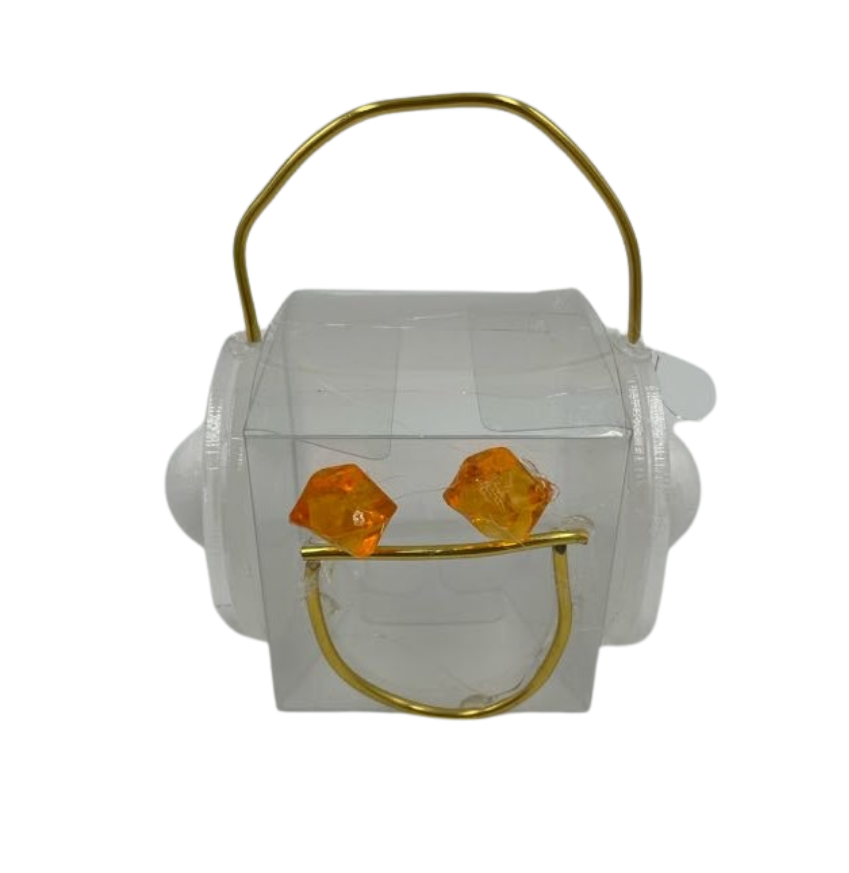
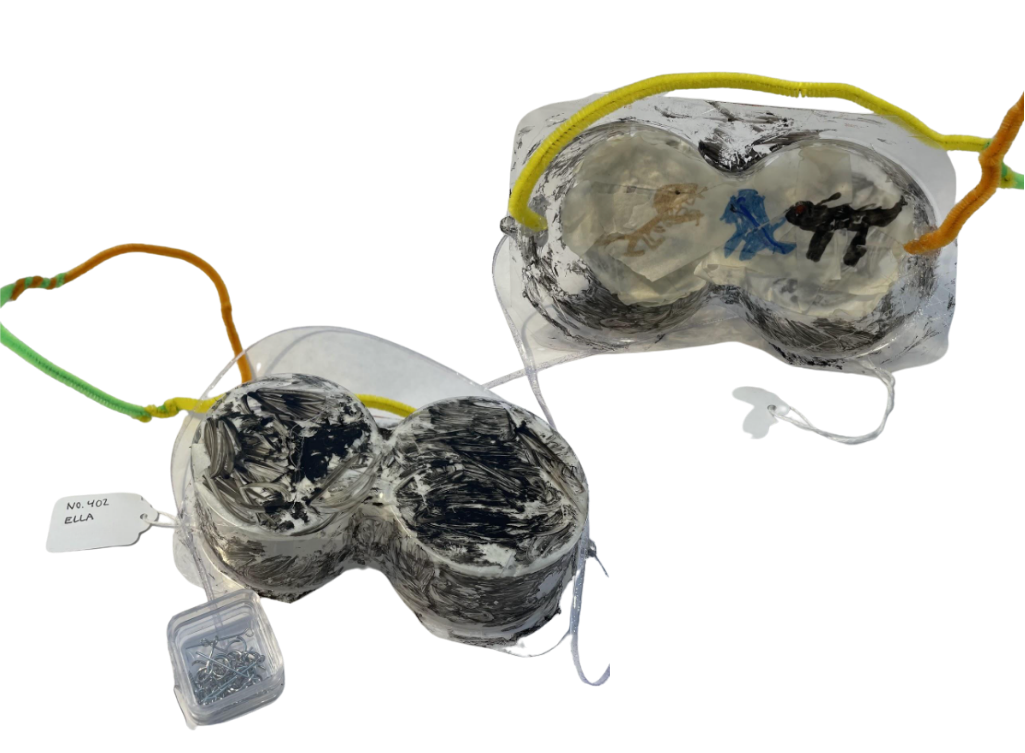
Build a model of a wearable gadget from the 2100s
How does it help people talk, share, or understand each other in new ways?
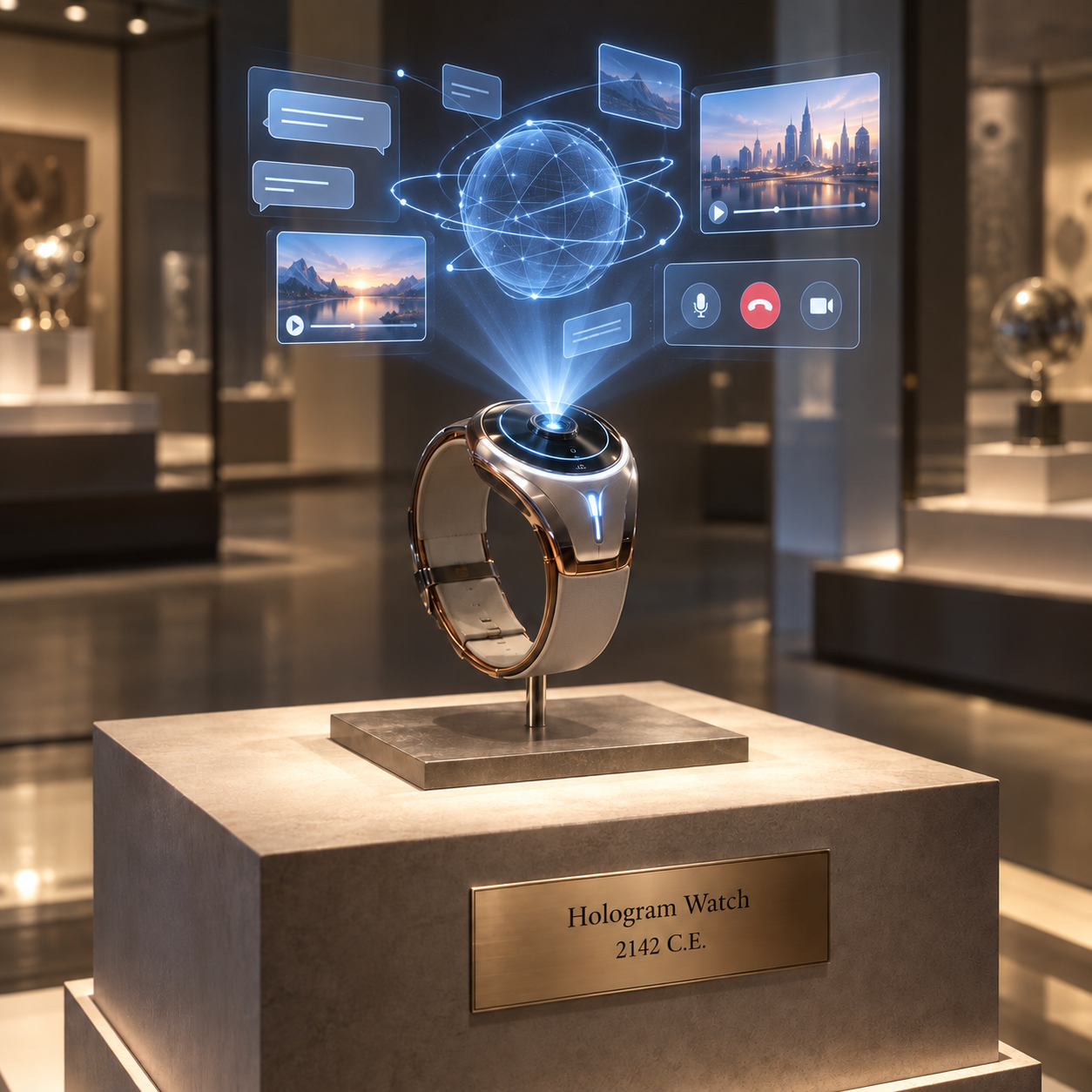
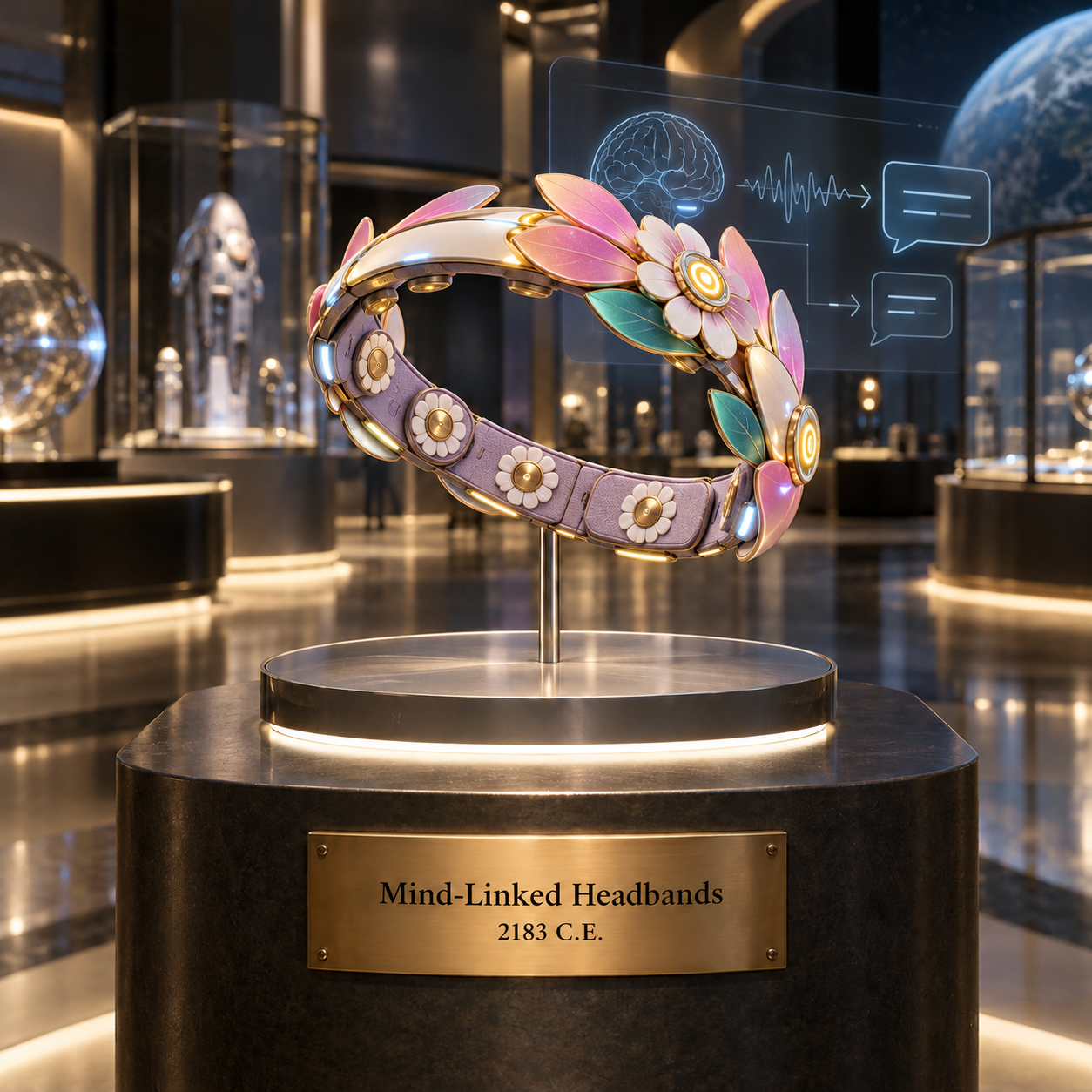
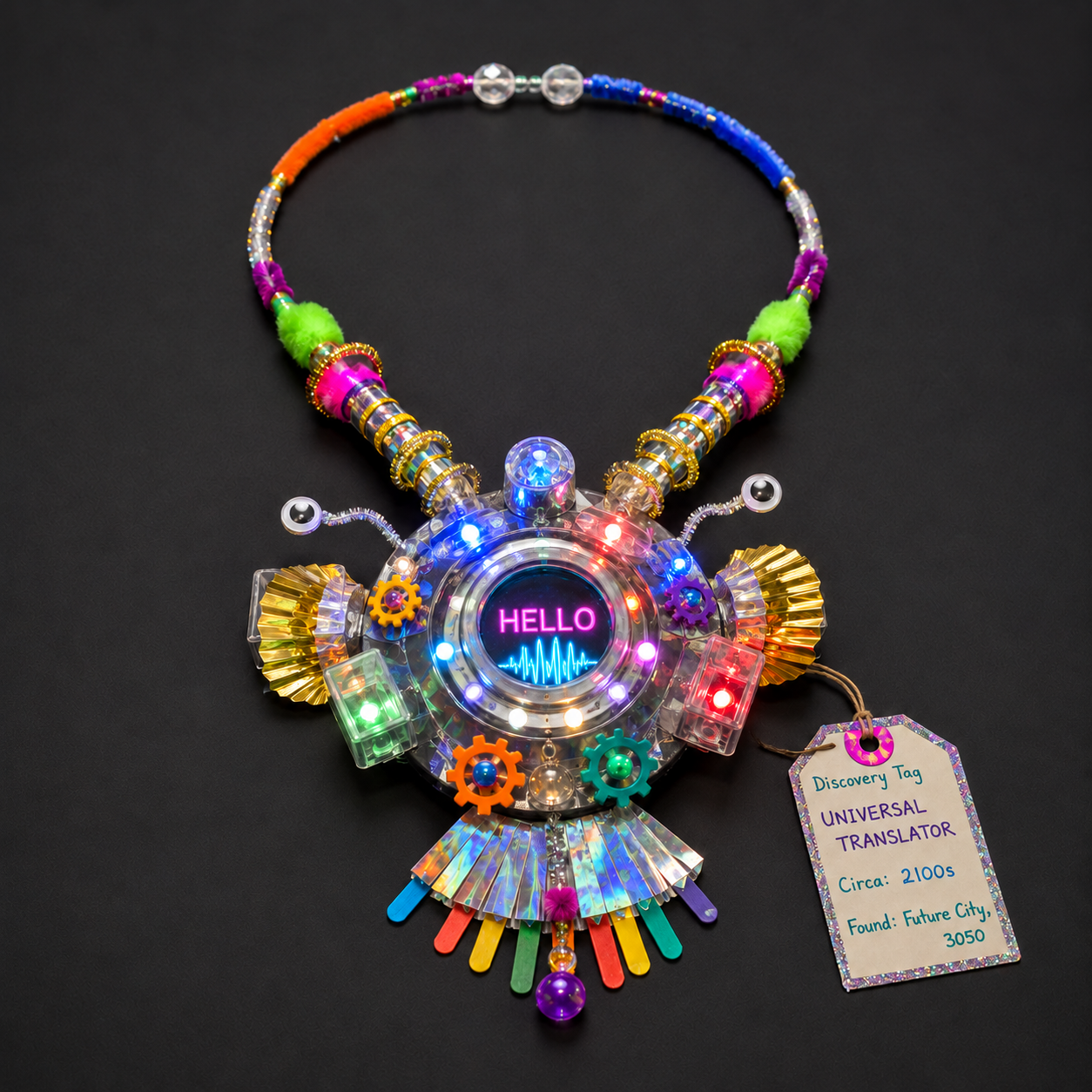
How does it help people move around the world?
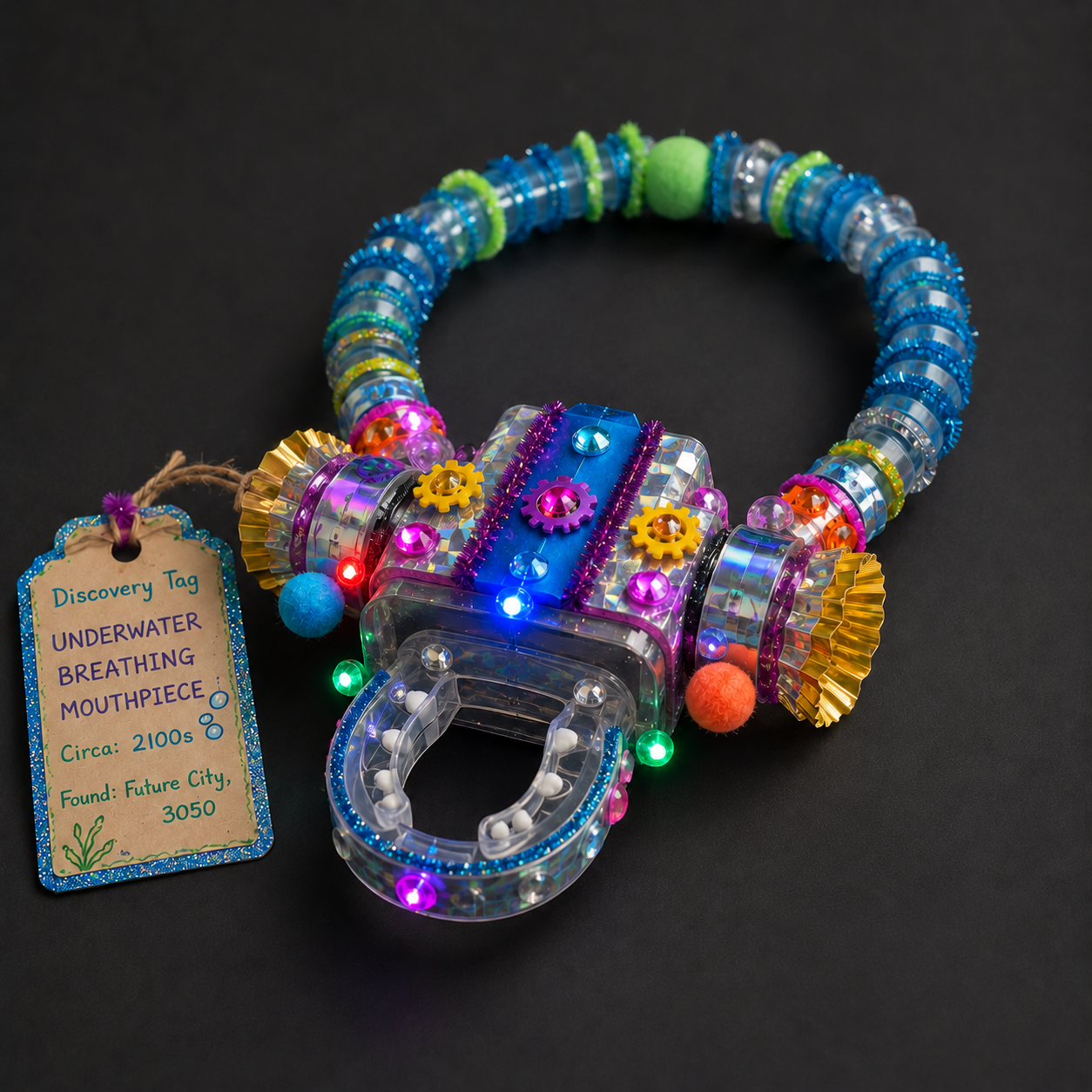
How does it help keep people safe, healthy, or feeling good?

.png)

.png)
.png)