
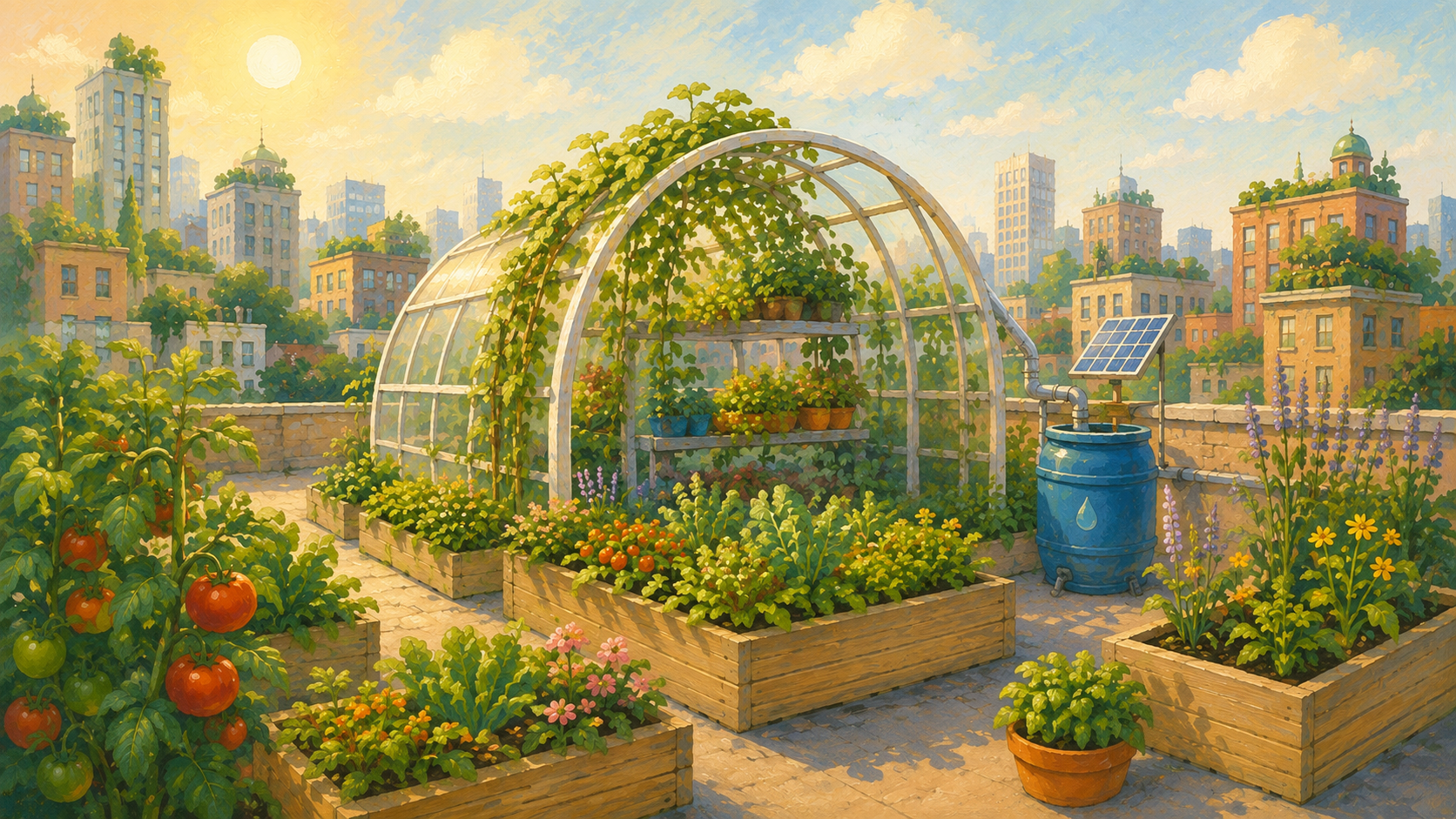
You’ve chosen to imagine growing fresh food high above a busy city. You might want to learn more about urban farming, which grows food in places where many people live. Just make sure the pigeons know this isn’t an all-you-can-eat salad bar!
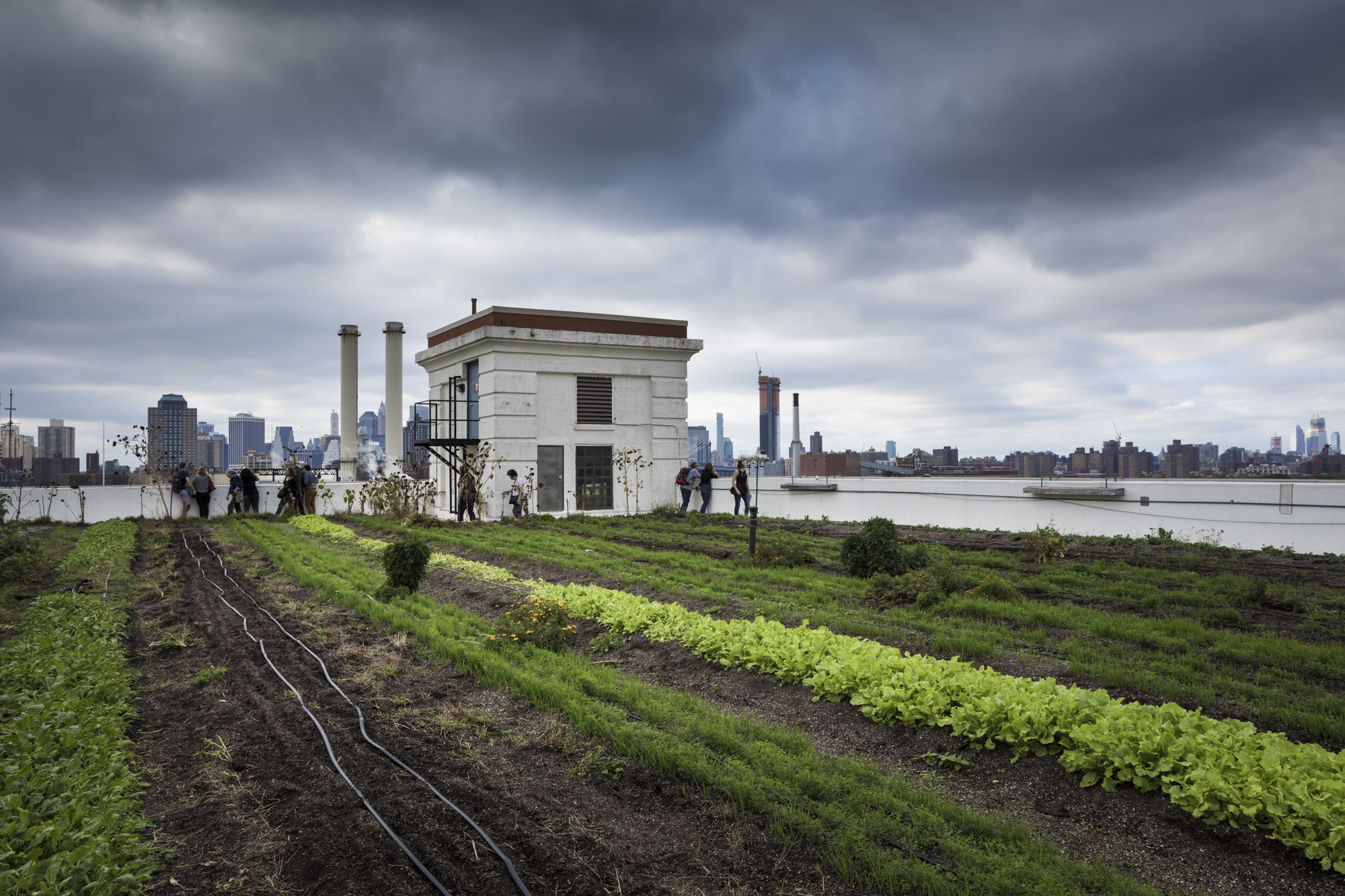
We’re learning more about urban farming, or growing food inside our cities. Rooftops and other underused spaces can sometimes become places for gardens, greenhouses, or hydroponic systems. These farms may put some fresh food closer to the people who eat it, although buildings must be able to support the added weight and manage water, wind, and safe access. Cities around the world already have working farms above their streets. Maybe future cities will have food growing from sidewalk to skyline. Just make sure the pigeons know this isn’t an all-you-can-eat salad bar!
What might change if lots of city buildings grew food on their roofs?
Build your own rooftop farm from a small cardboard box. Use paper, clay, bottle caps, or recycled materials to add growing beds, paths, water collectors, and anything else your farm needs. Imagine the box is the top of a tall building and decide how your plants will handle wind, rain, and hungry city birds.
With an adult, ask ChatGPT:
“Help me design a rooftop farm on top of a busy city building.”
Choose your favorite ideas from the answer, then draw or build your own version. Change anything you want—the future rooftop belongs to you.
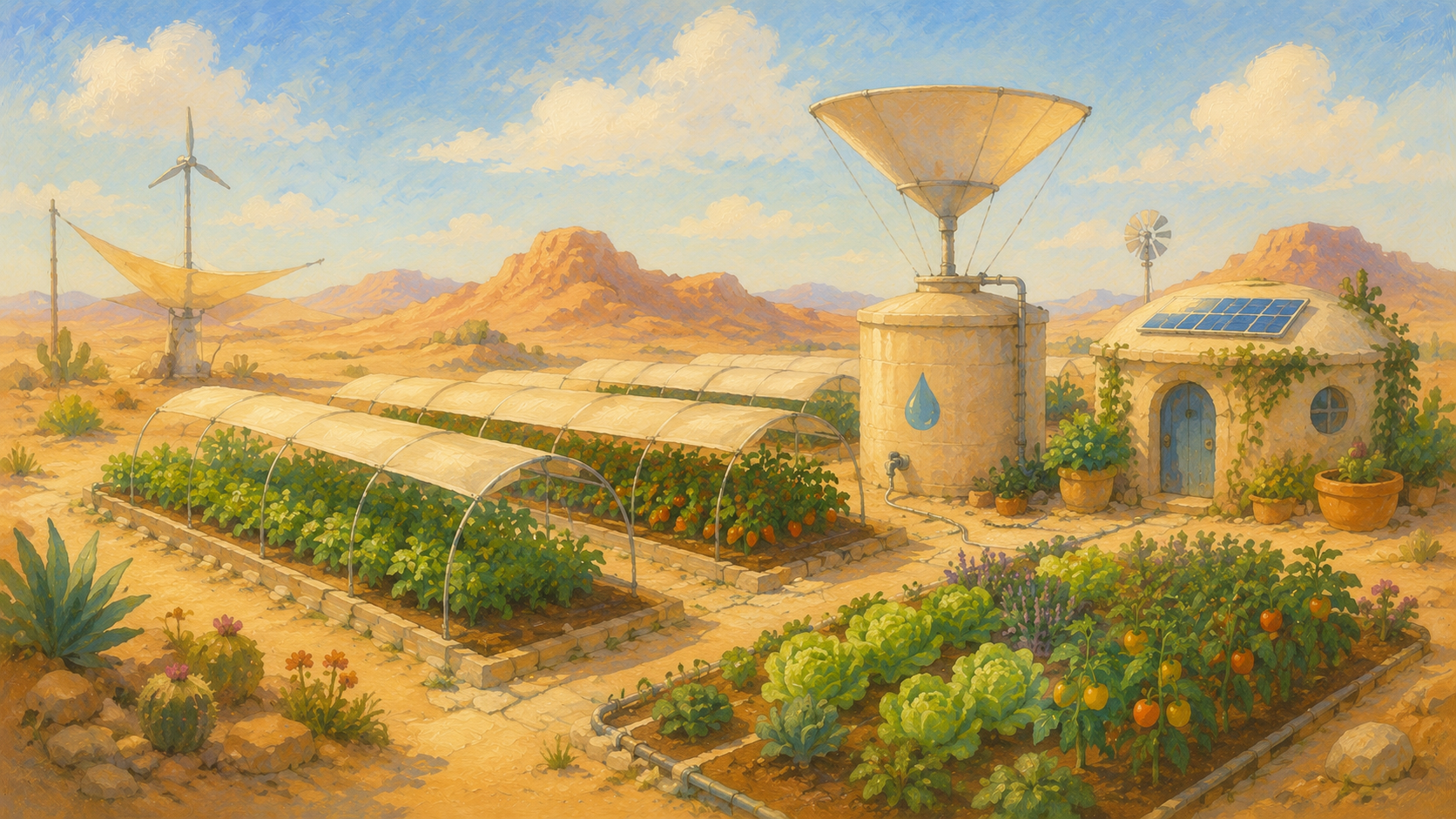
You’ve chosen to imagine growing food on a farm where rain hardly falls. You might want to learn more about dryland and desert farming, methods that conserve water, capture rainfall, or deliver water directly to plant roots. Every drop counts, so no giving the carrots their own swimming pool!
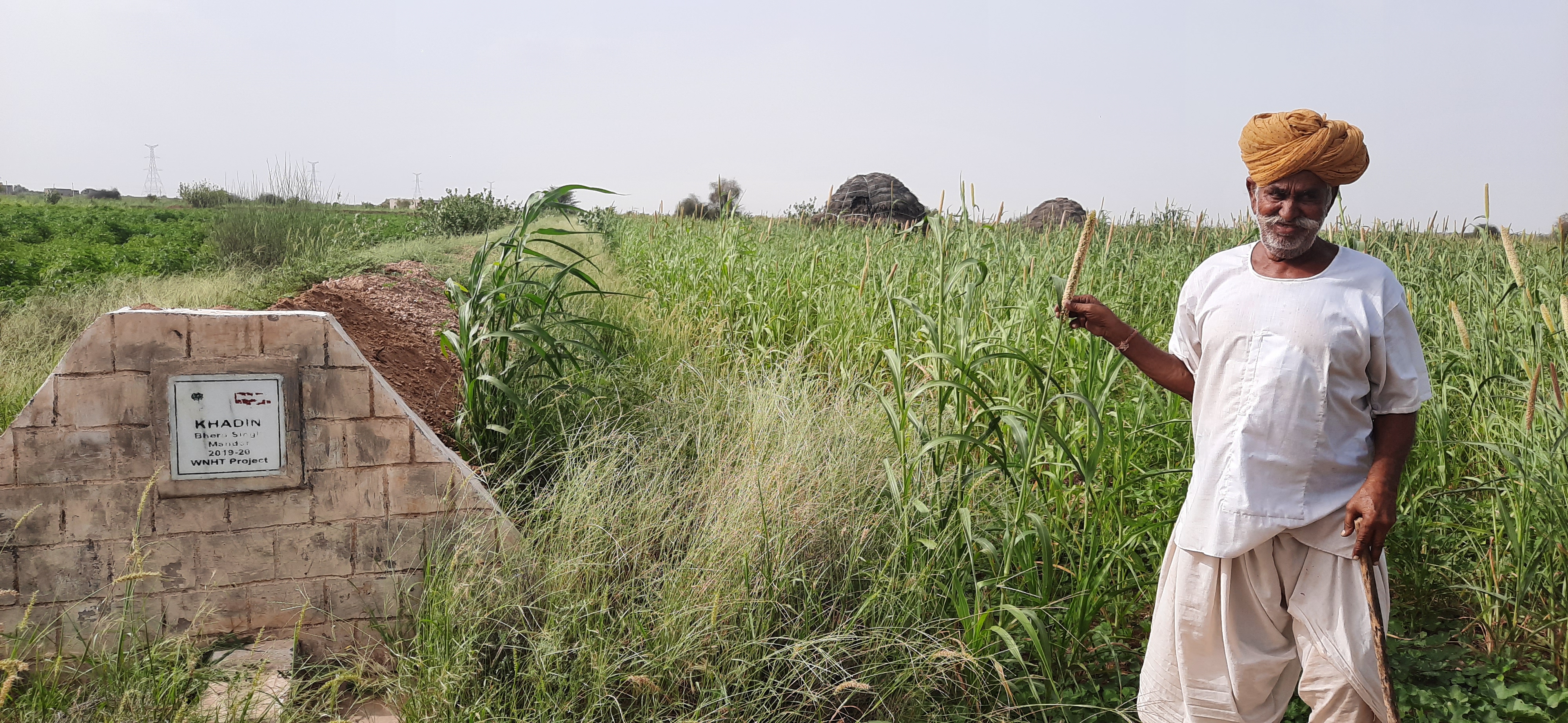
This scenario explores dryland and desert farming. Dryland farmers conserve rainfall in the soil, while other desert farms may collect runoff, reuse water, or choose plants that can handle drought well. These techniques can help produce food in difficult environments, but they do not create water, so farms must be careful with the water they use. Every drop counts, so no giving the carrots their own swimming pool!
When water is scarce, how should people decide how much goes to farms?
Create a tiny desert farm using a tray, cardboard, cups, paper, and recycled materials. Design ways to catch and guide pretend rain toward your crops. You might build little channels, pits, walls, shade covers, or invent a completely different solution. Test your design by pouring a small amount of water onto it and see where the water travels.
With an adult, ask ChatGPT:
“Imagine three different farms that could grow food in a very dry desert.”
Compare the three futures it gives you. Pick useful parts from each, remix them, and draw or build a fourth desert farm that is completely your own. Health & Well-Being


.png)
.png)