
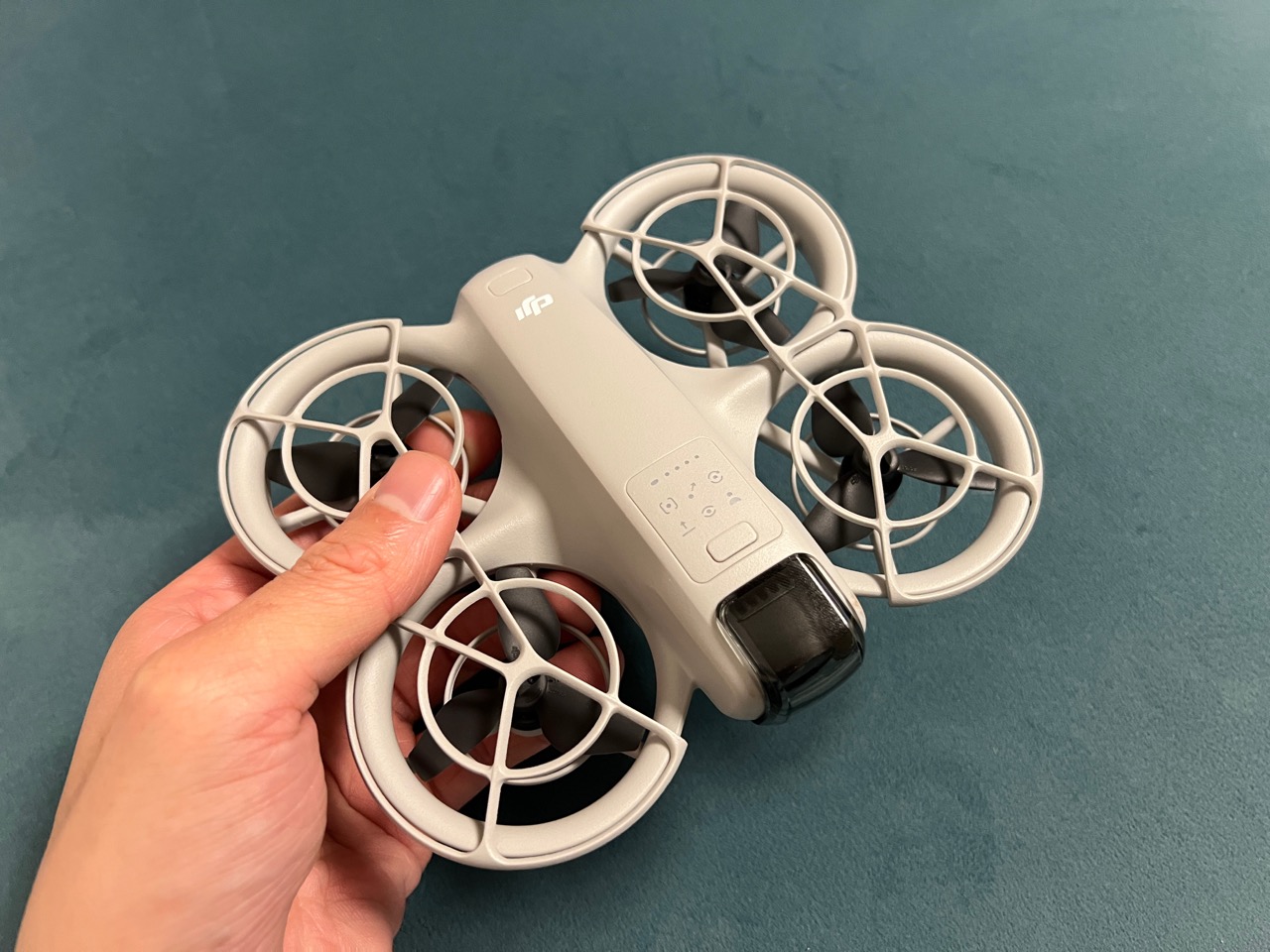
You’ve chosen to imagine a phone that unfolds into a tiny drone, flies up, and snaps your group selfie from above. You might want to learn more about micro drones, which are small flying robots that can carry cameras or sensors and help with jobs like search and rescue. Your drone can snap selfies—but no sneaky pictures of strangers!
This scenario explores micro drones, very small flying robots with cameras or sensors. Some can launch from a hand and follow people automatically, while others help rescuers look for people or carry emergency equipment. Engineers are also testing insect-sized robots for tight disaster spaces. Maybe a future phone drone could combine cameras, flight, and safety tools. But we would still need rules about privacy and safe flying. Your drone can snap selfies—but no sneaky pictures of strangers!
When should a flying camera need permission before taking someone’s picture?
Build your own non-flying selfie drone phone using cardboard, paper, straws, tape, and recycled materials. Start with a phone shape, then add folding drone arms, propeller guards, a camera, and your own safety features. Try folding everything back into the “phone,” then redesign any parts that do not fit.
With an adult, ask ChatGPT:
“Invent three safety features for a pocket-size selfie drone phone.”
Choose the ideas you like, change anything you do not, and draw your own version. Show how it transforms, takes pictures, and knows when not to use its camera.
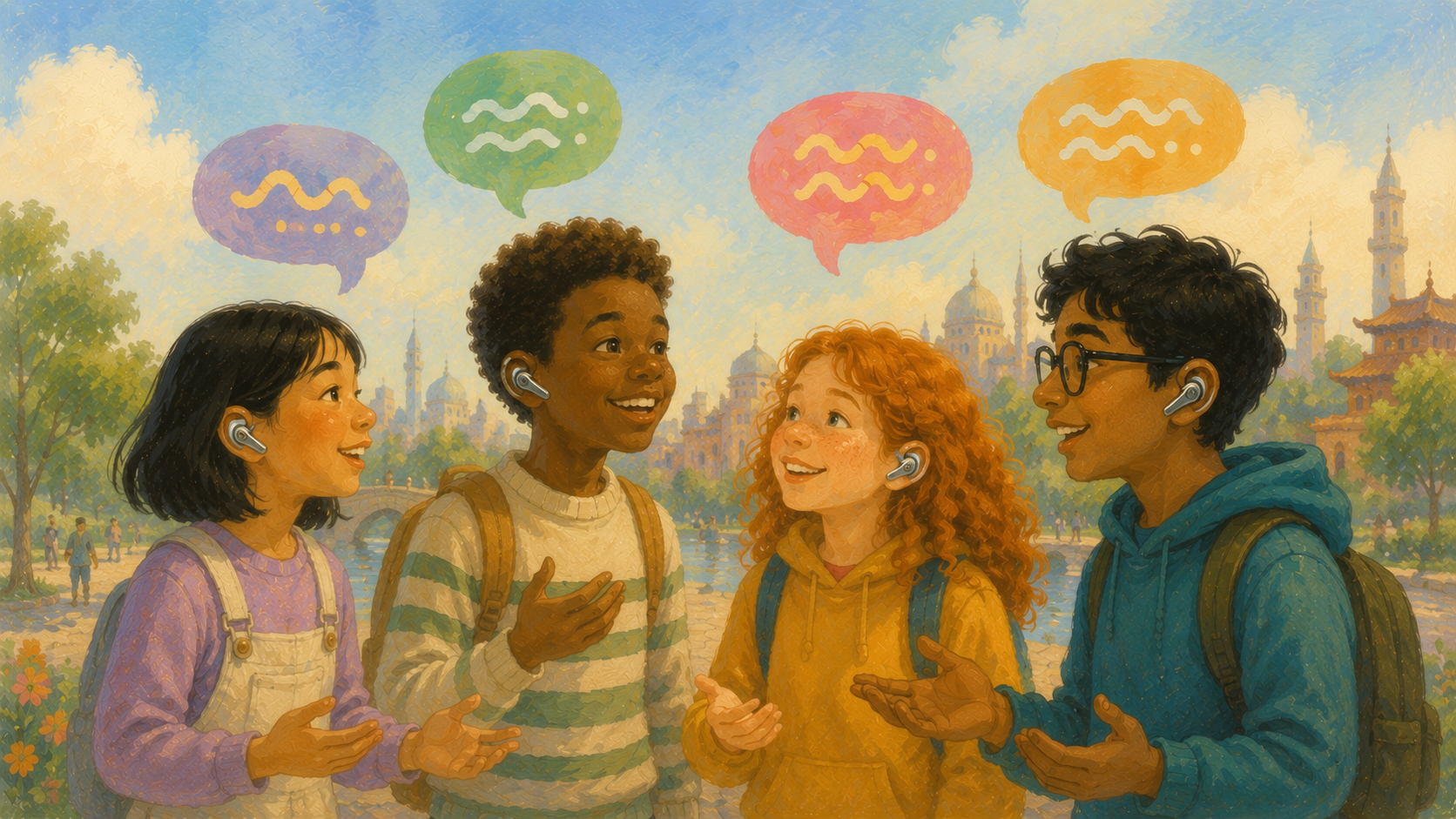
You’ve chosen to imagine earbuds that work like a real-life Babel fish, turning unfamiliar speech into words you understand. You might want to learn more about universal translation, the goal of helping people understand many languages quickly with technology. And don’t worry: the earbuds can’t understand the secret language you made up with your friend!
We’re exploring universal translation, the goal of helping us cross language barriers quickly. Today’s systems can listen to speech, turn it into text, and translate it; some headphones can even already play translated speech directly into our ears. But no tool understands every language, accent, joke, or meaning perfectly. For instance, UNESCO says thousands of languages still lack strong digital support. Future earbuds could help more people talk across language differences, while also helping us protect our conversations. And don’t worry: the earbuds can’t understand the secret language you made up with your friend!
How could translation earbuds help people feel included in a new place?
Design your own translation earbuds using cardboard, foil, string, clay, and other craft materials. Add controls for choosing languages, repeating a confusing sentence, protecting privacy, or asking someone to explain a joke. Act out a conversation with a friend and redesign your earbuds when you discover something they still need.
With an adult, ask ChatGPT:
“Invent three features for translation earbuds that help people understand words, jokes, and tone while protecting privacy.”
Choose your favorite ideas, change them, and draw your own earbuds. Then imagine two different places where your invention could help people connect.


.png)