Welcome to the community!
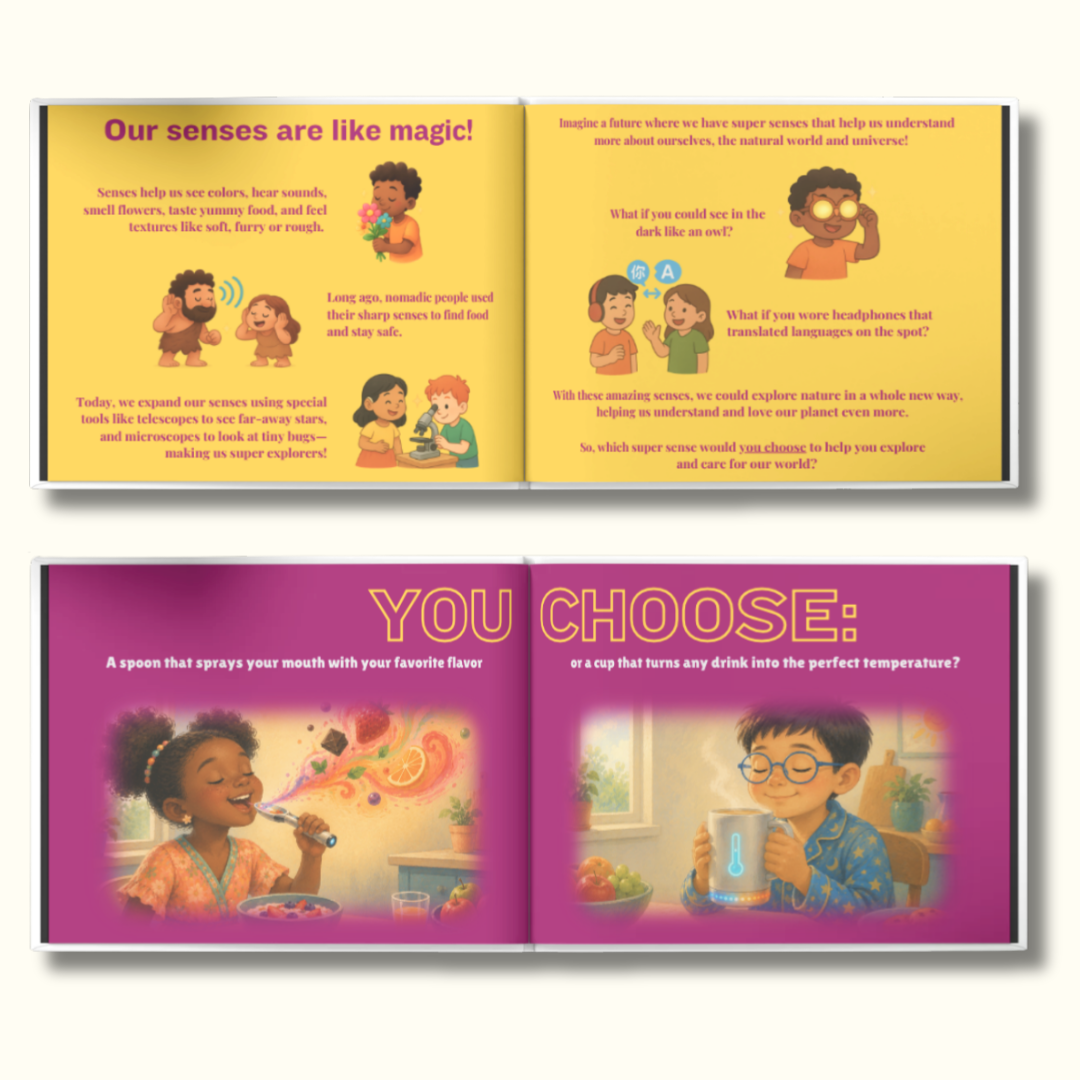
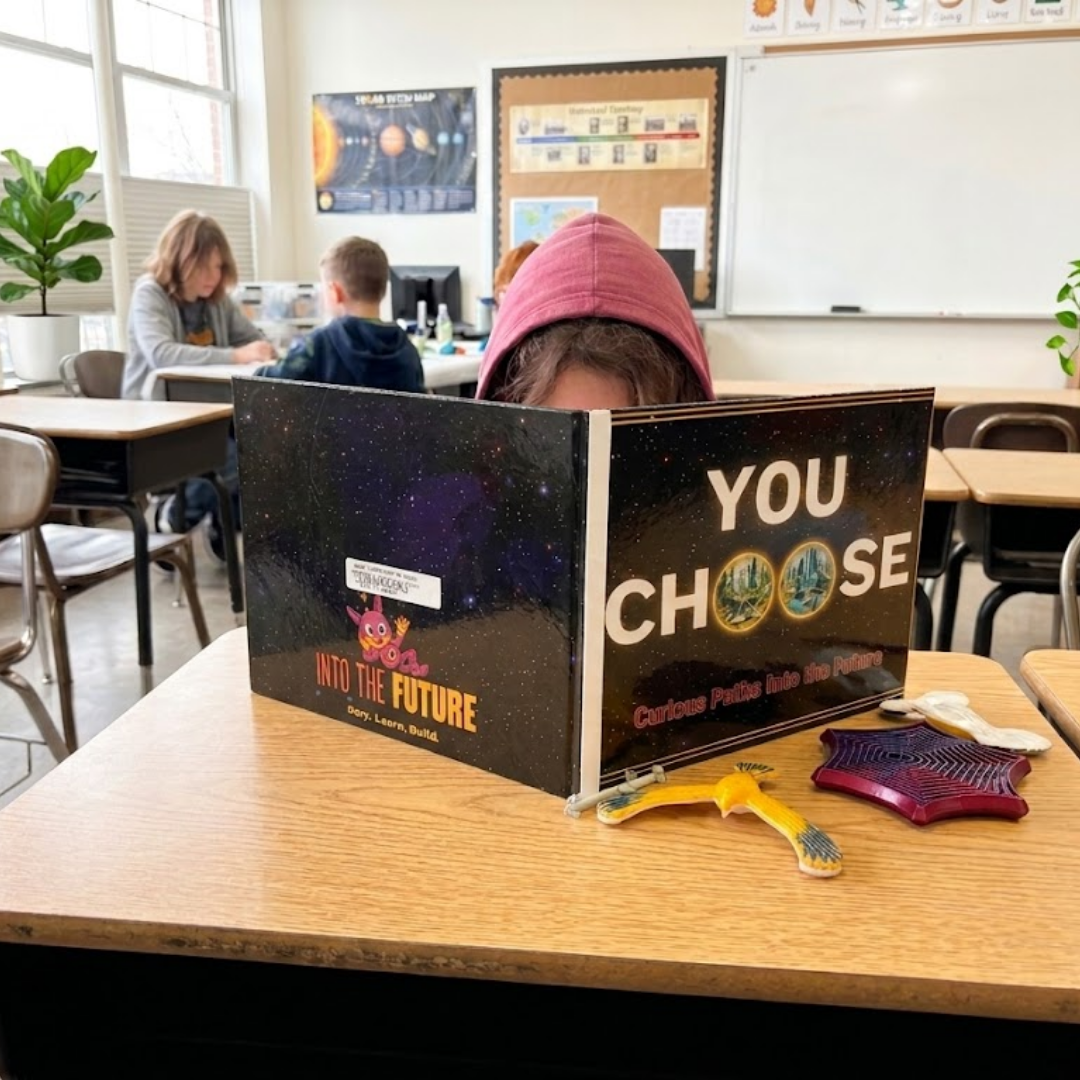
Using our signature Play-Learn-Build approach, FutureTime transforms learning into a joyful, hands-on adventure.
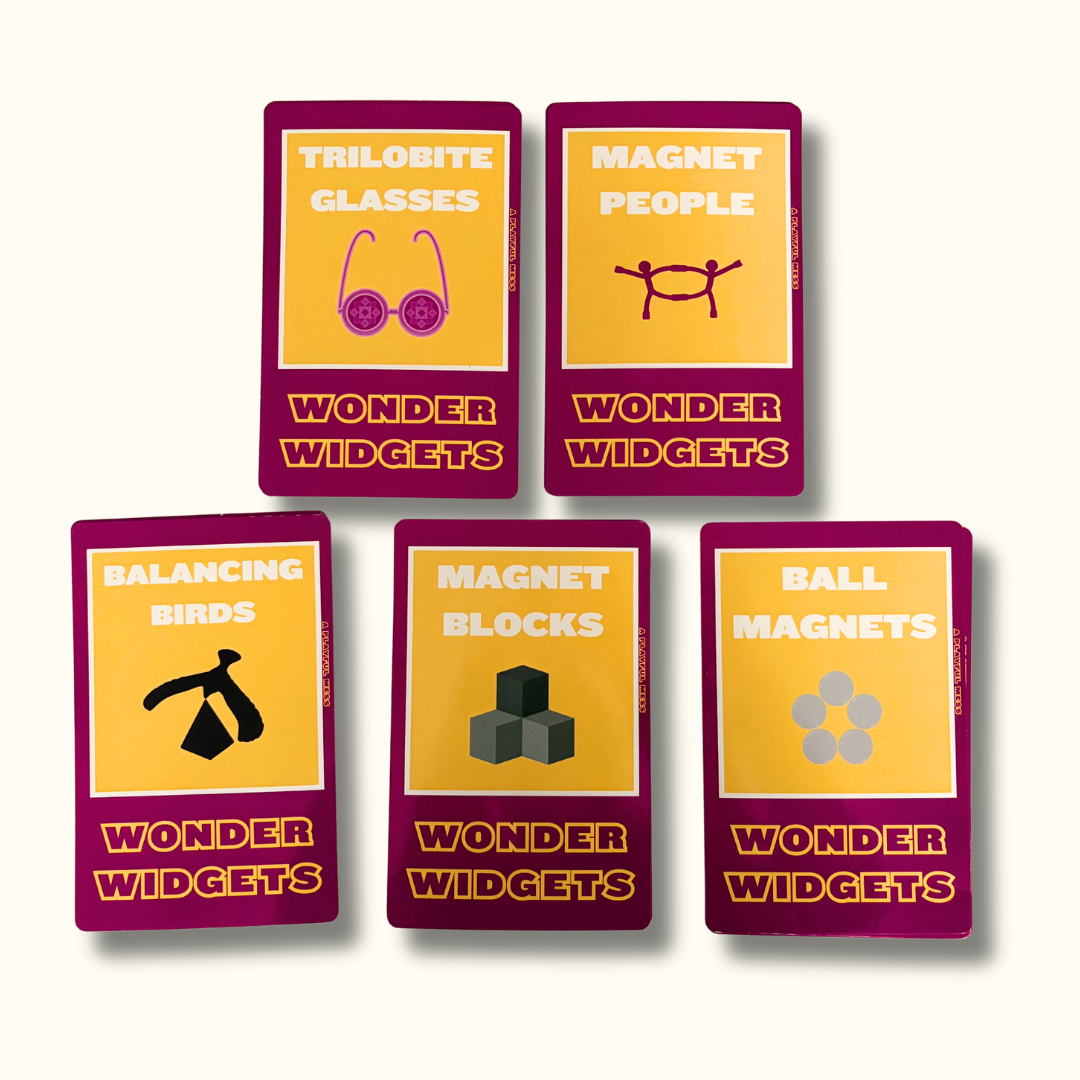
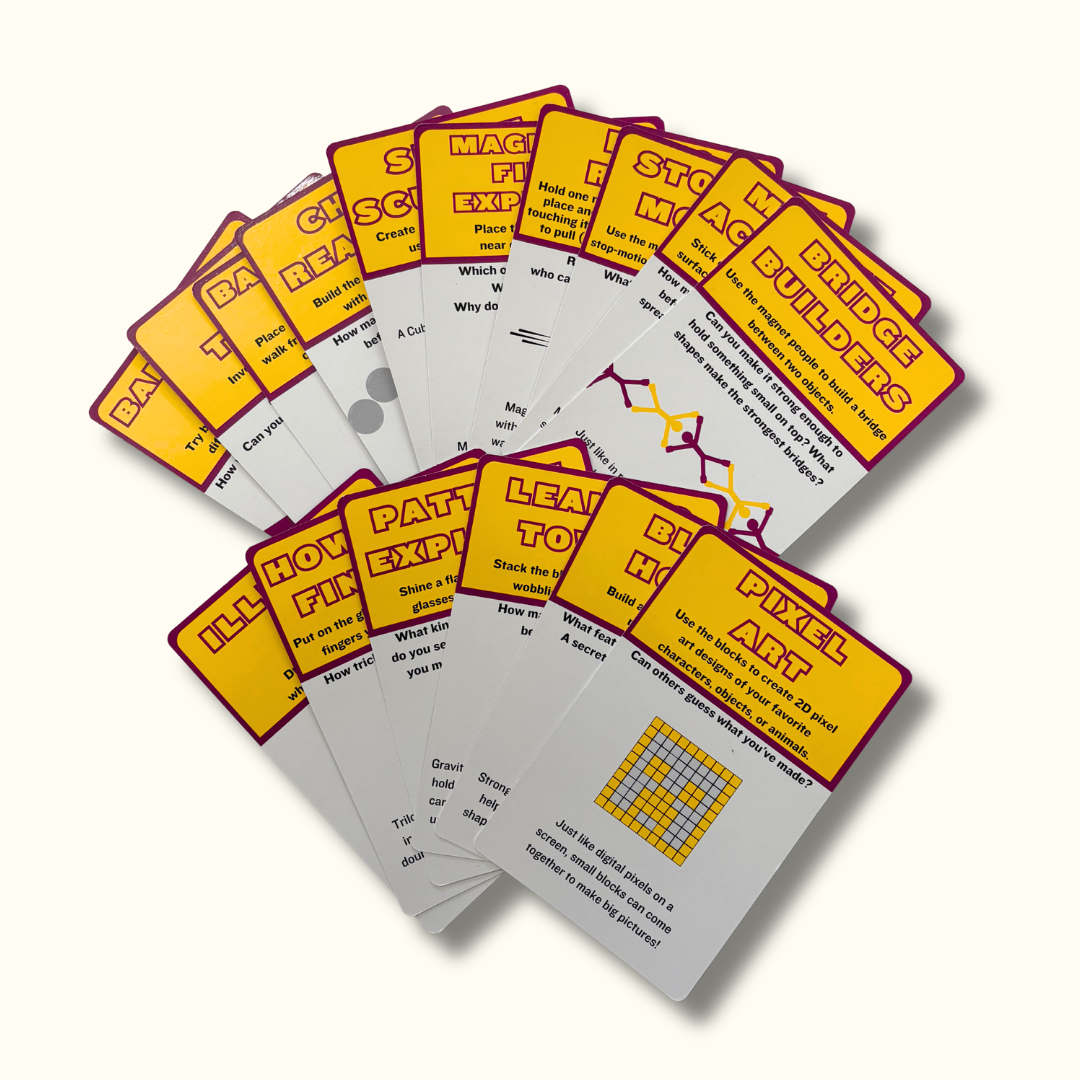
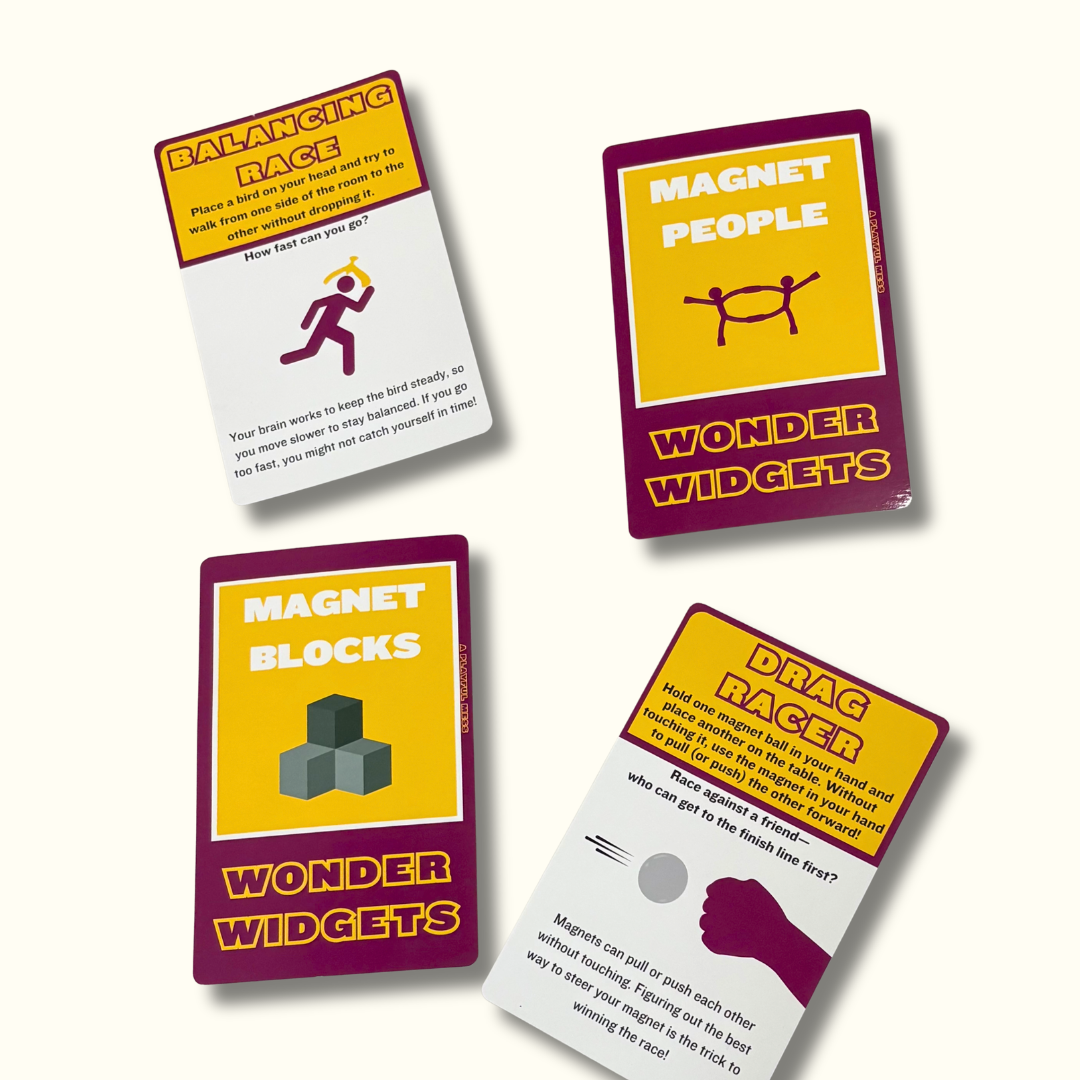
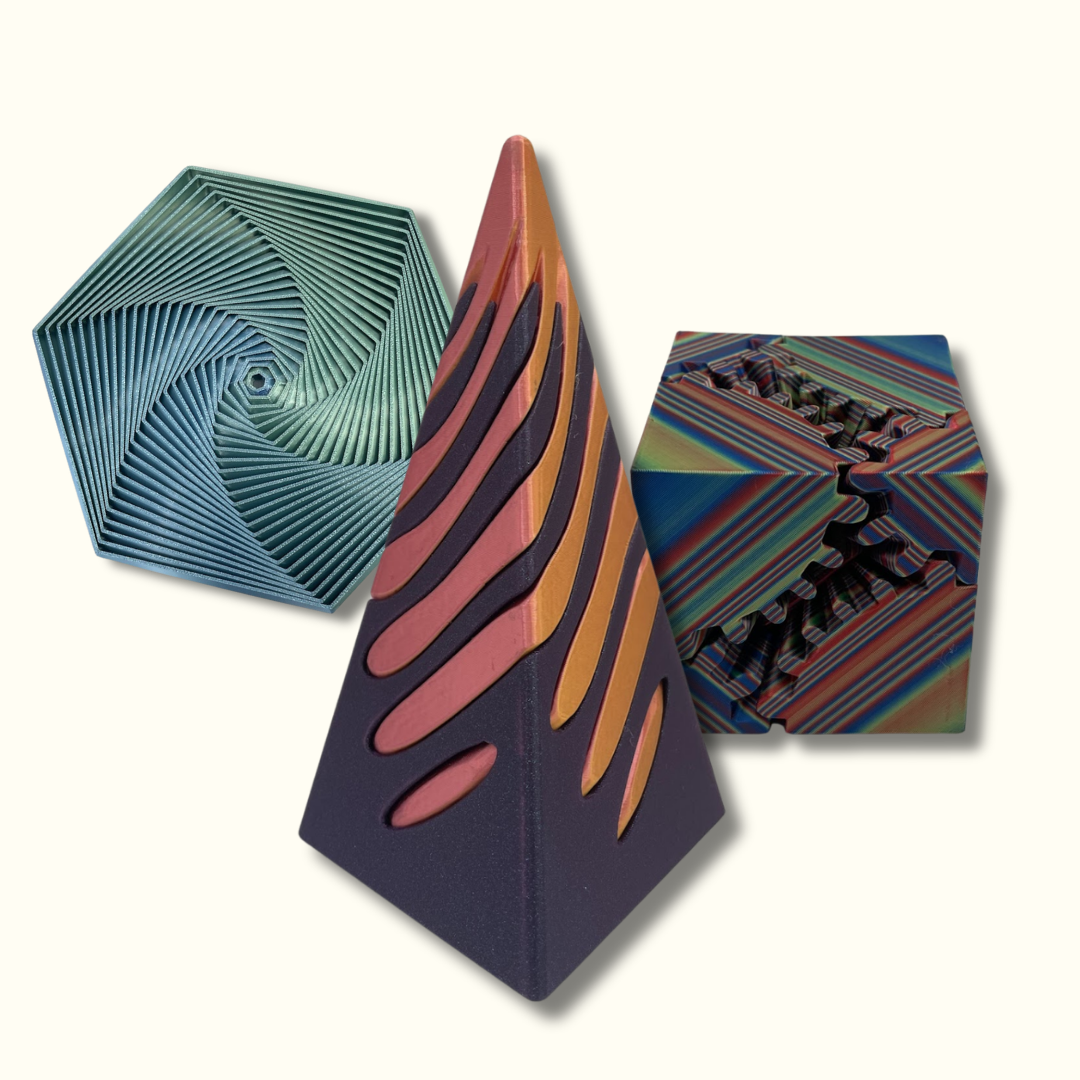
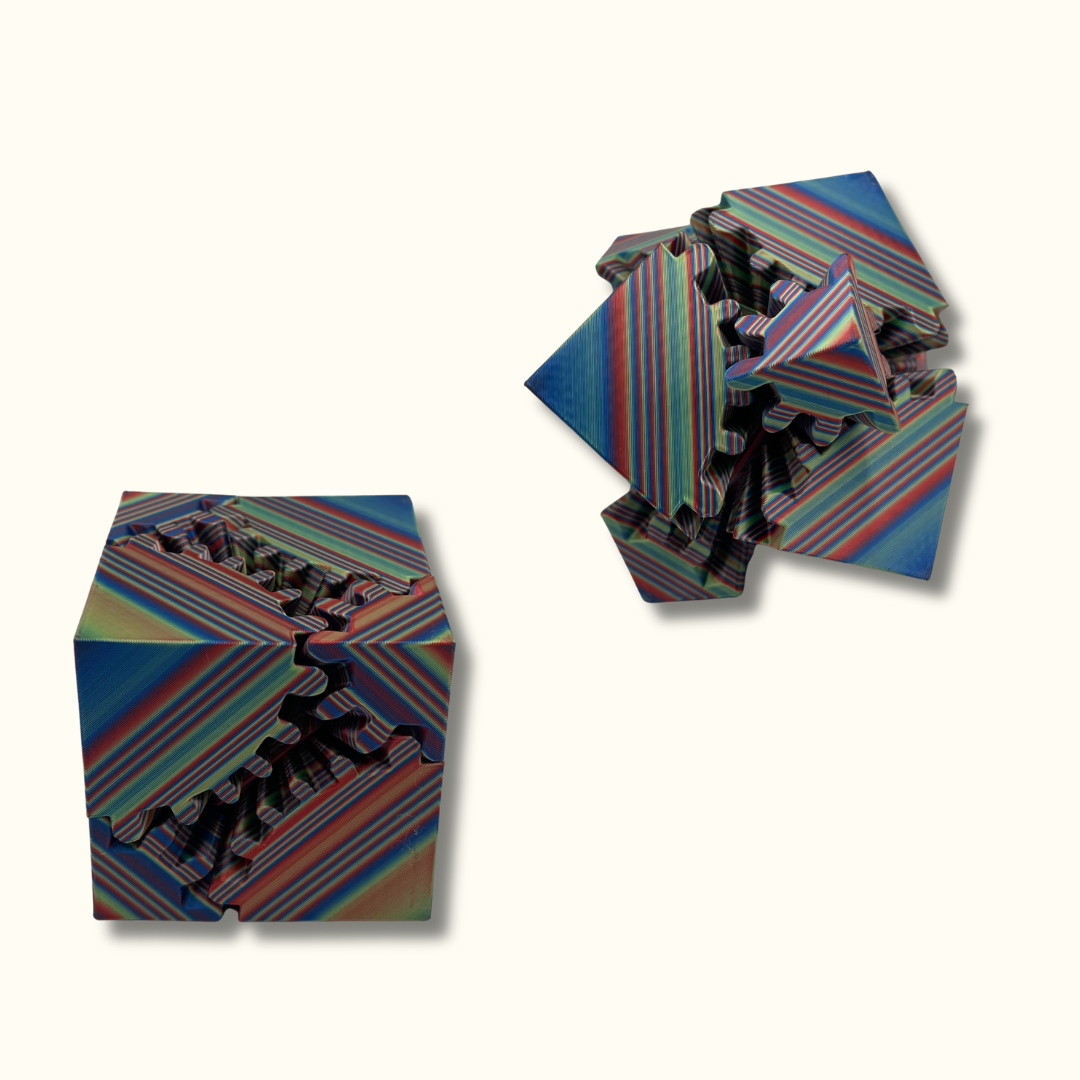
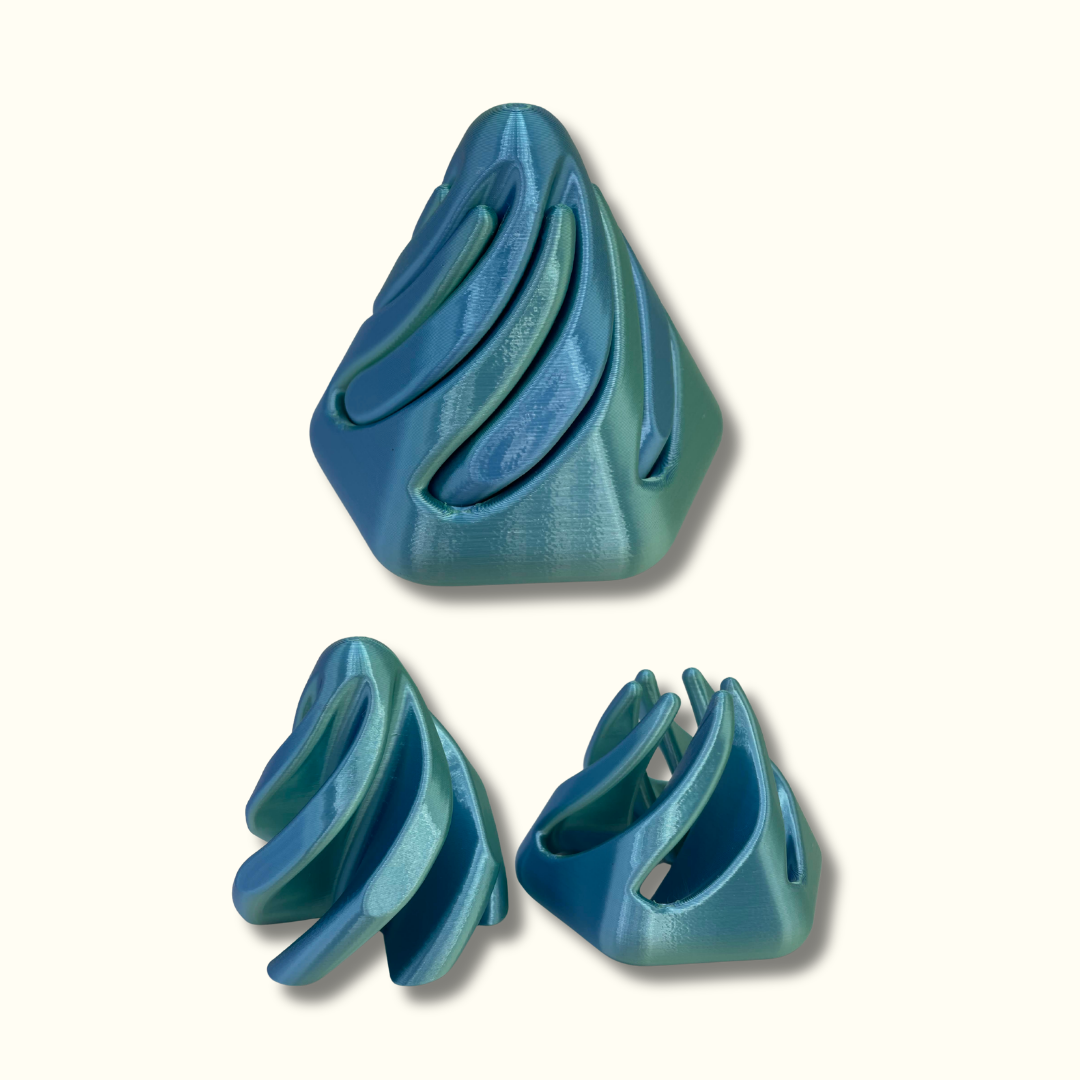
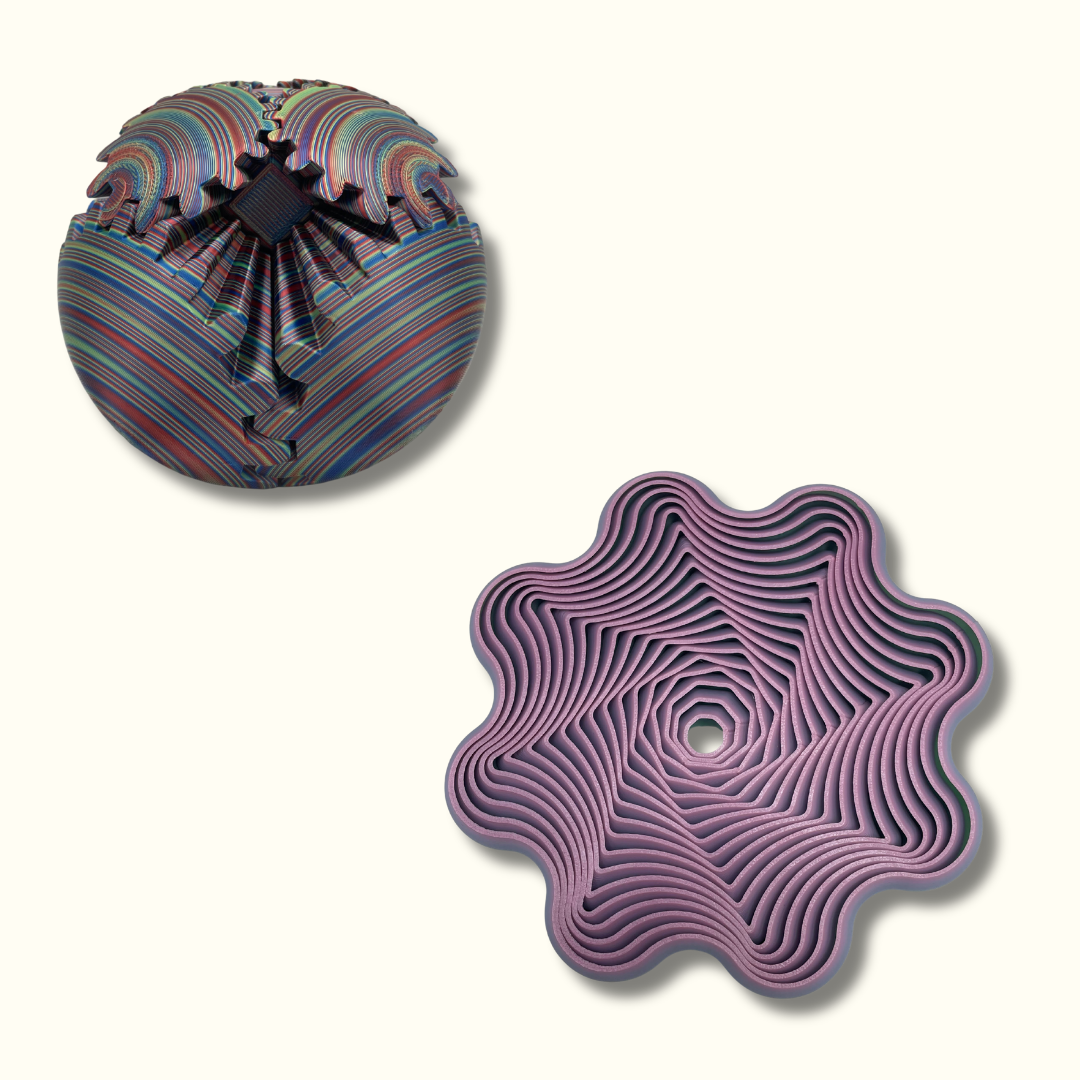
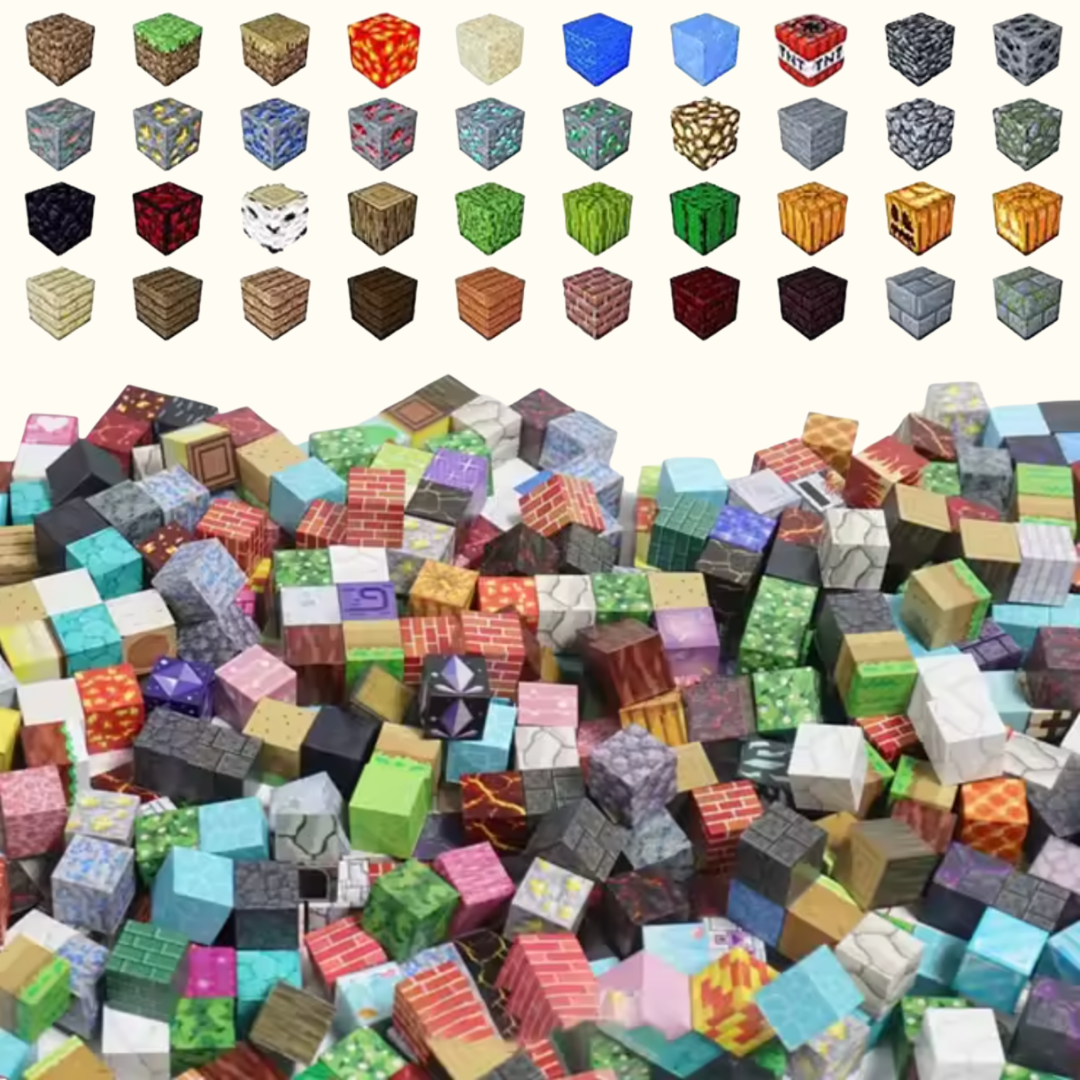
Each Wonder Widget Box comes with:
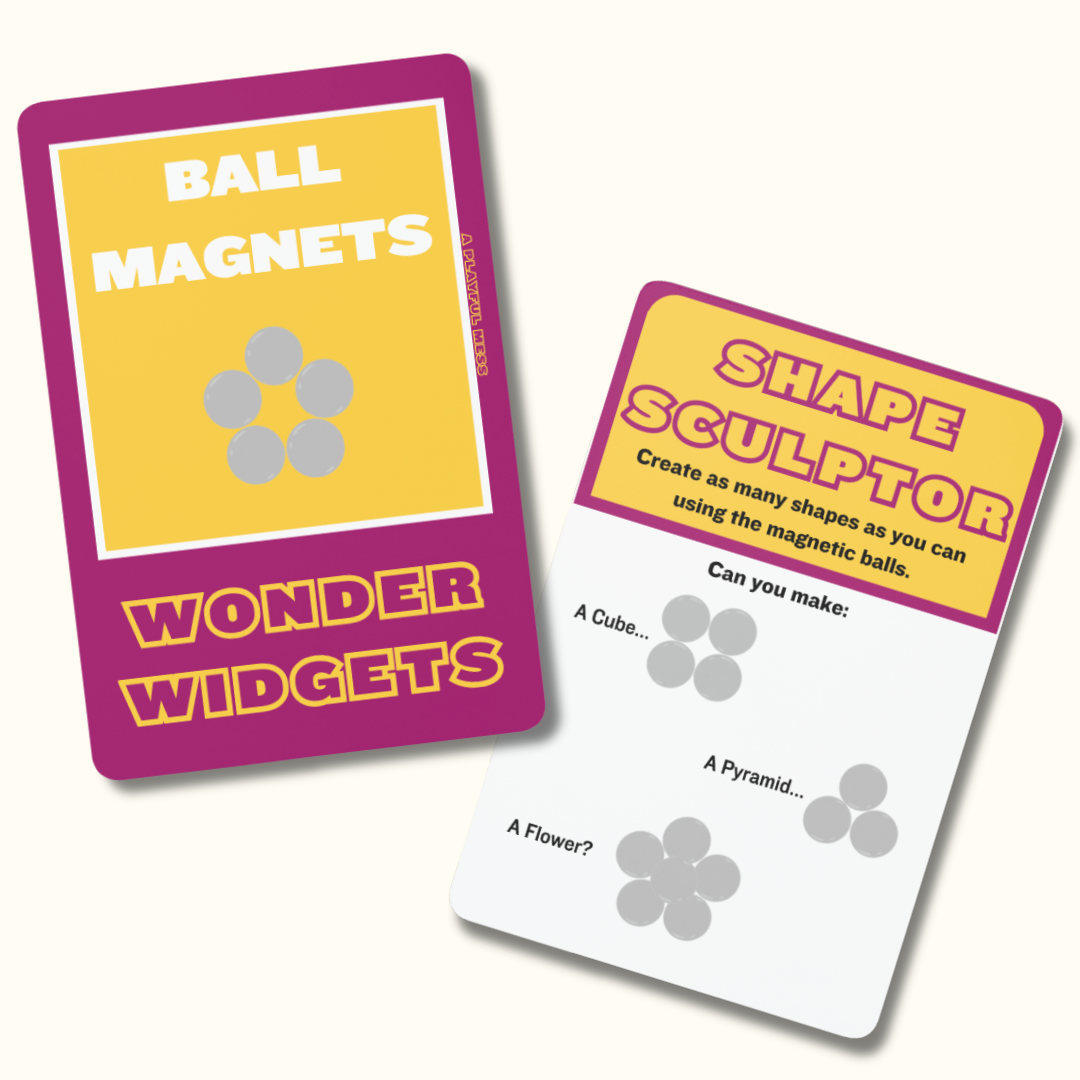
Check out the Wonder Widgets Catalog for more details on each object and how they can be used.
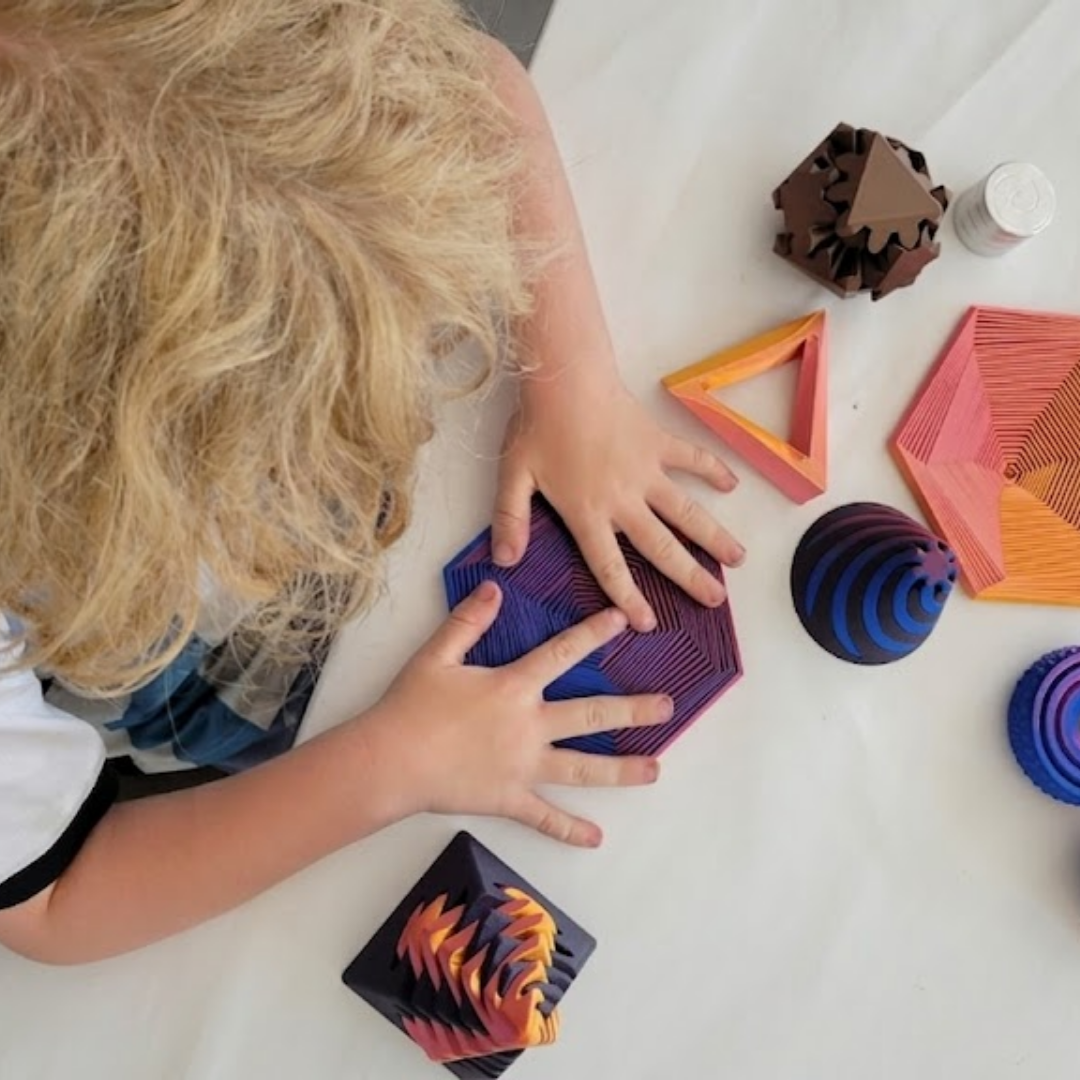
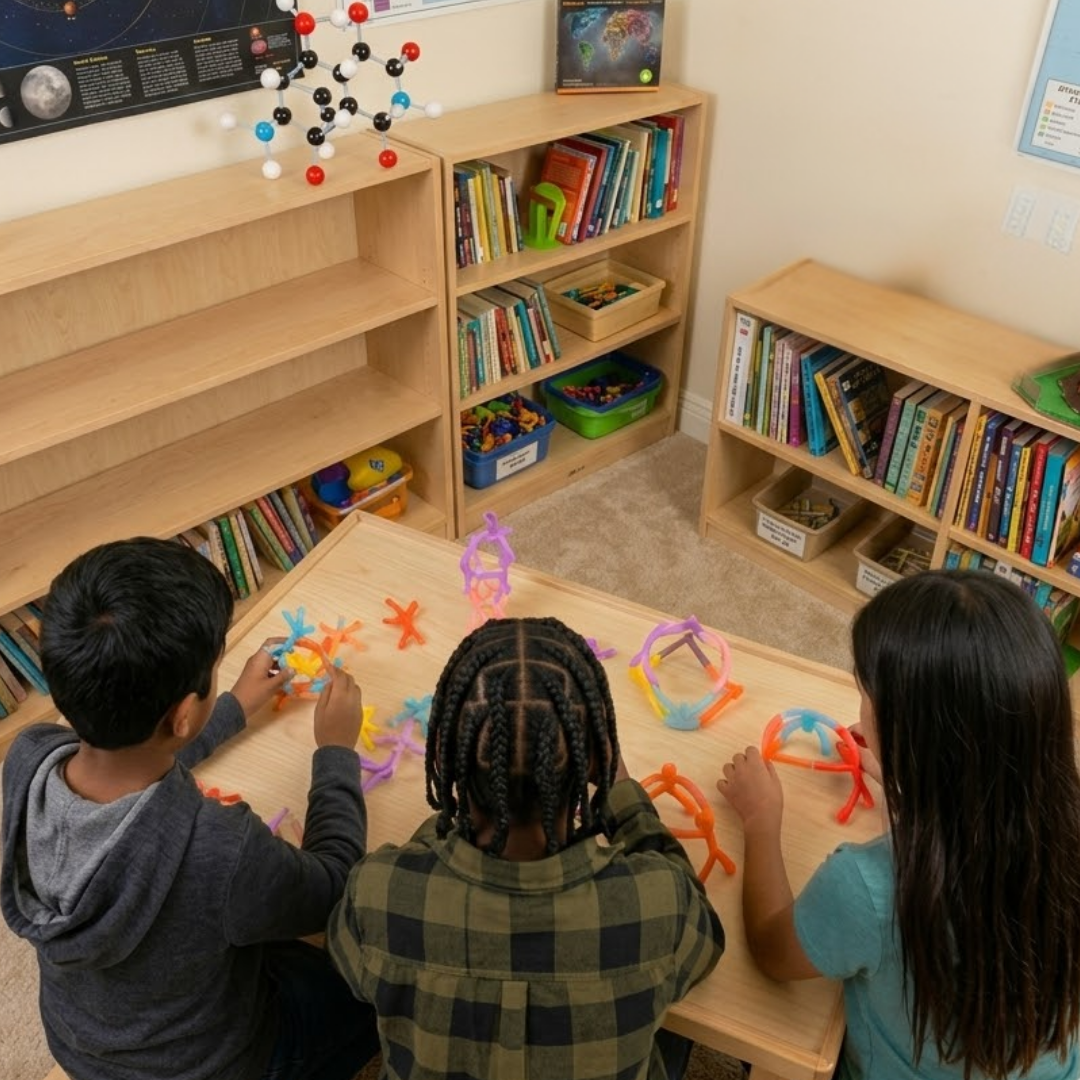
Wonder Widgets are designed to spark curiosity, creativity, and open-ended exploration. There is no single “right” way to use them.
That said, we recommend starting with 15–30 minutes of unstructured Play before a FutureTime lesson. This gives students space to explore materials, test ideas, and follow their curiosity in a low-pressure environment. It’s also a great way to reset energy and prepare for deeper thinking.
You can also use Wonder Widgets during transitions, brain breaks, or as part of Build activities.
We recommend 15–30 minutes, but Play is flexible and can fit into any part of your day:
Adjust based on your schedule and your students’ needs.
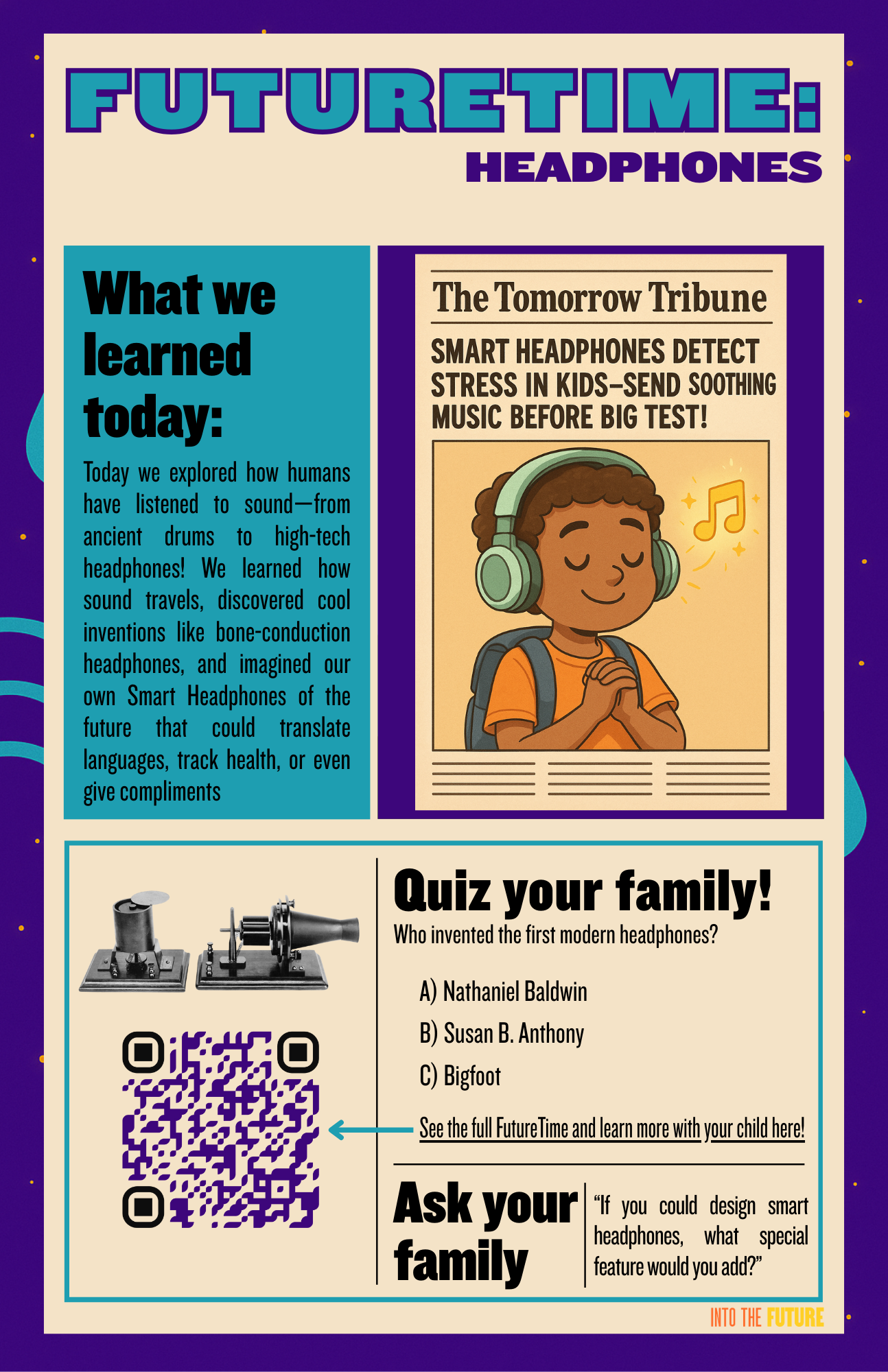
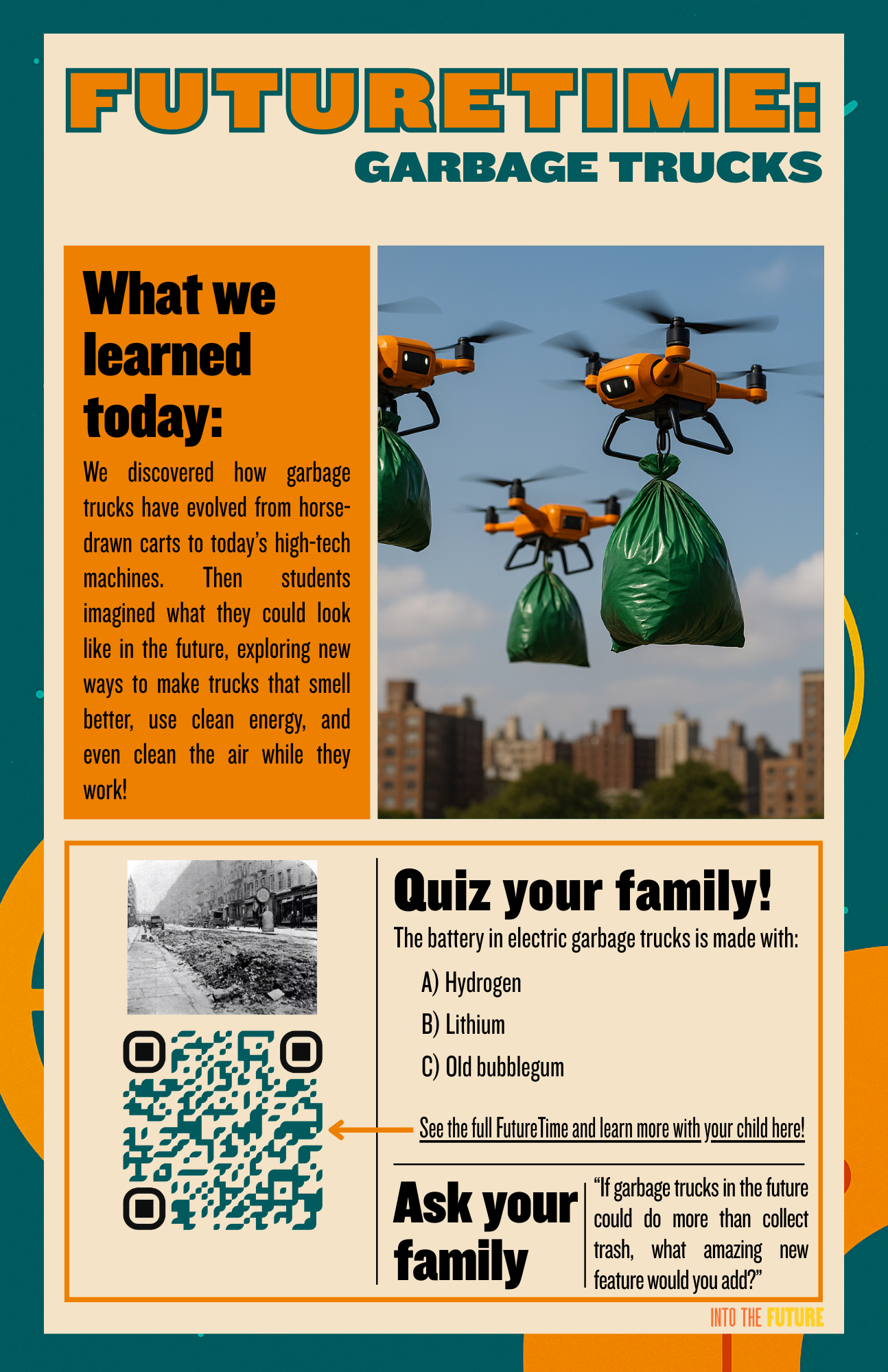
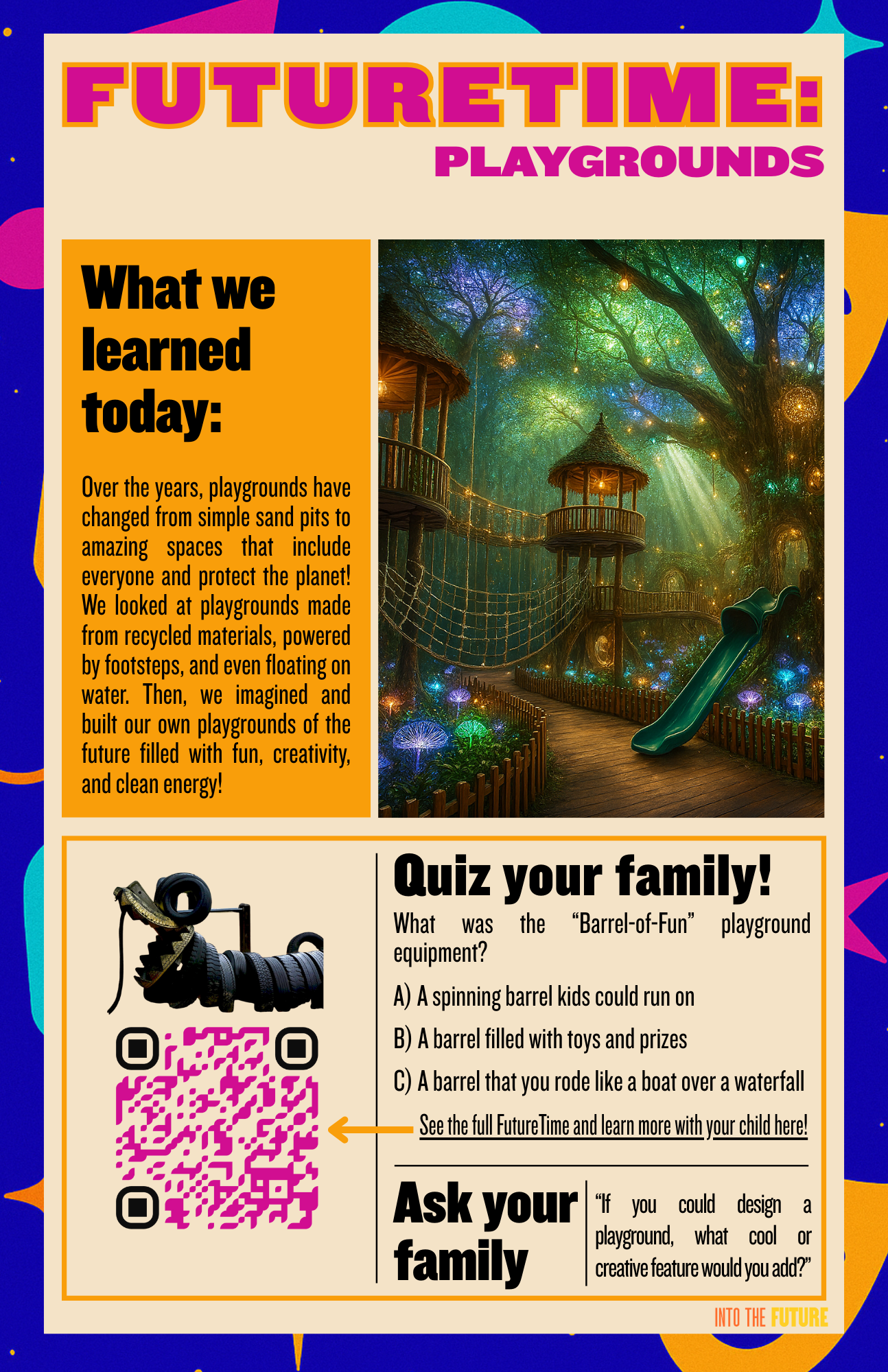
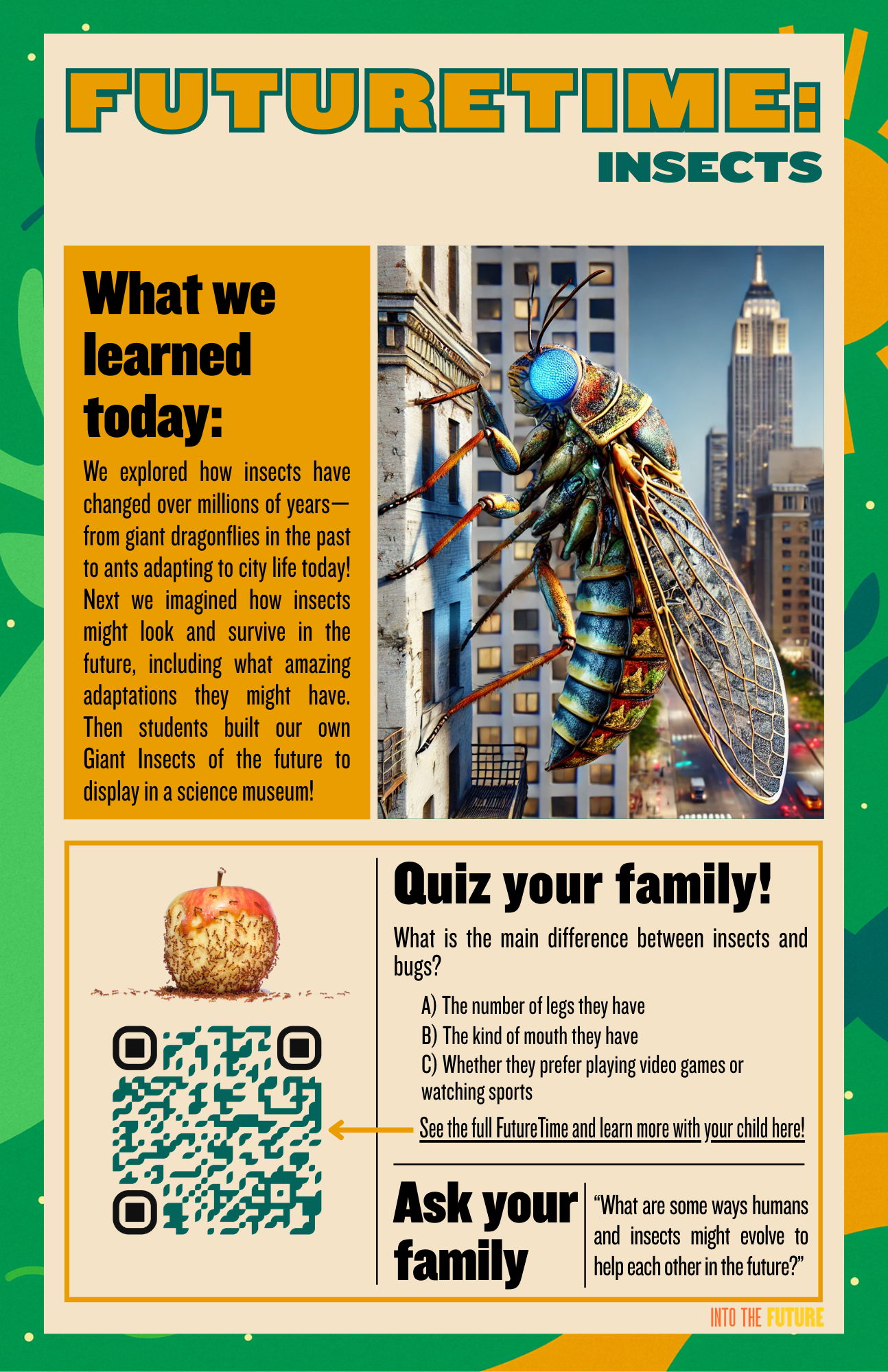
FutureTime is designed to spark discussion, imagination, and big thinking.
You can:
Each activity can be used as:
There is no single pathway—follow your students’ curiosity.
FutureTime lessons are built around questions and dialogue. As you guide students through the experience, pause often and invite them to share what they think. Encourage multiple perspectives, unexpected ideas, and creative reasoning.
There’s no single “correct” path. These lessons are about imagining possibilities and connecting ideas, so feel free to linger on whatever areas resonate with your class and make the presentation your own!
Most FutureTime lessons take about 15–30 minutes, depending on how much discussion you invite.
If your students are especially engaged, it’s great to linger. If you’re short on time, the lessons can also work as quick, high-impact activities.
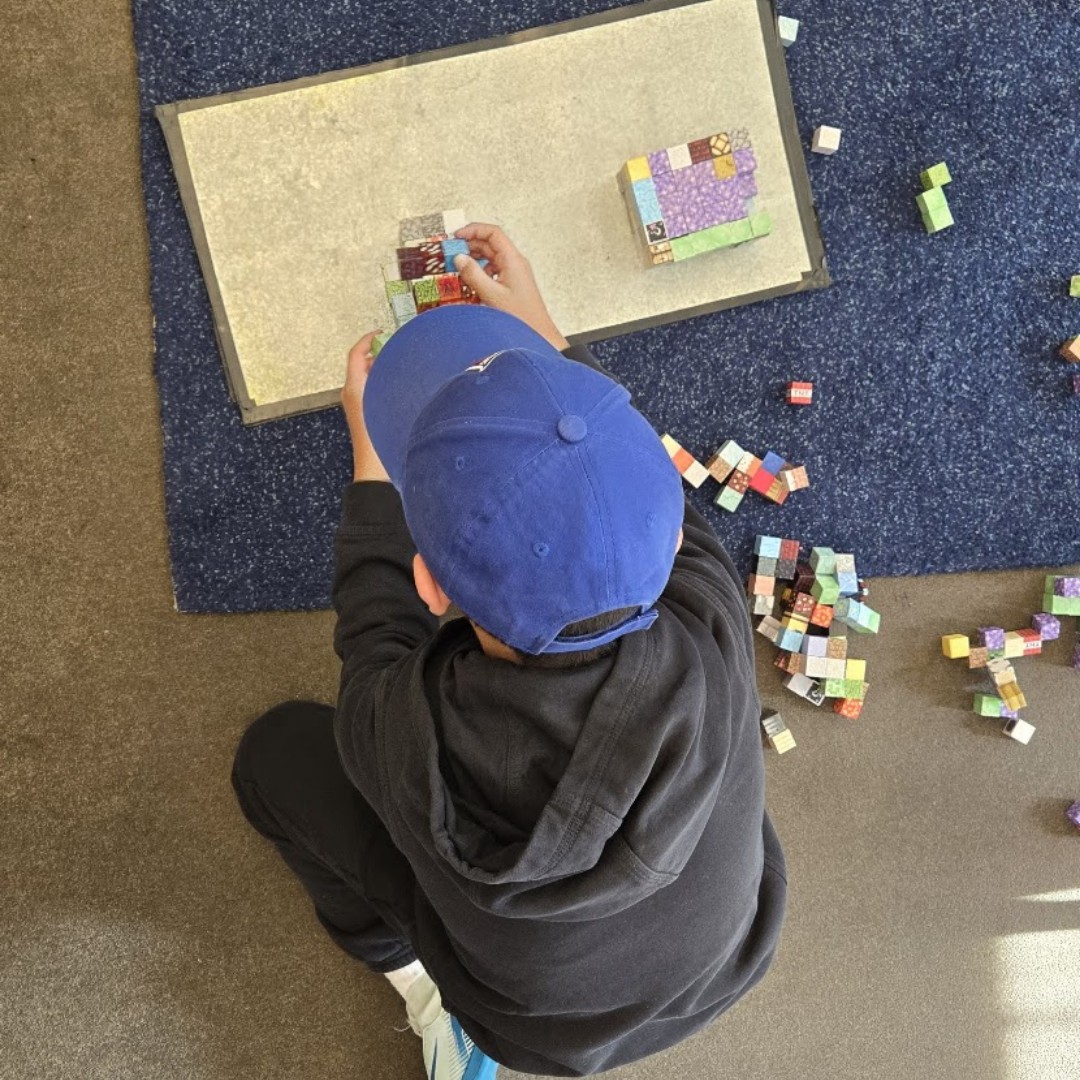
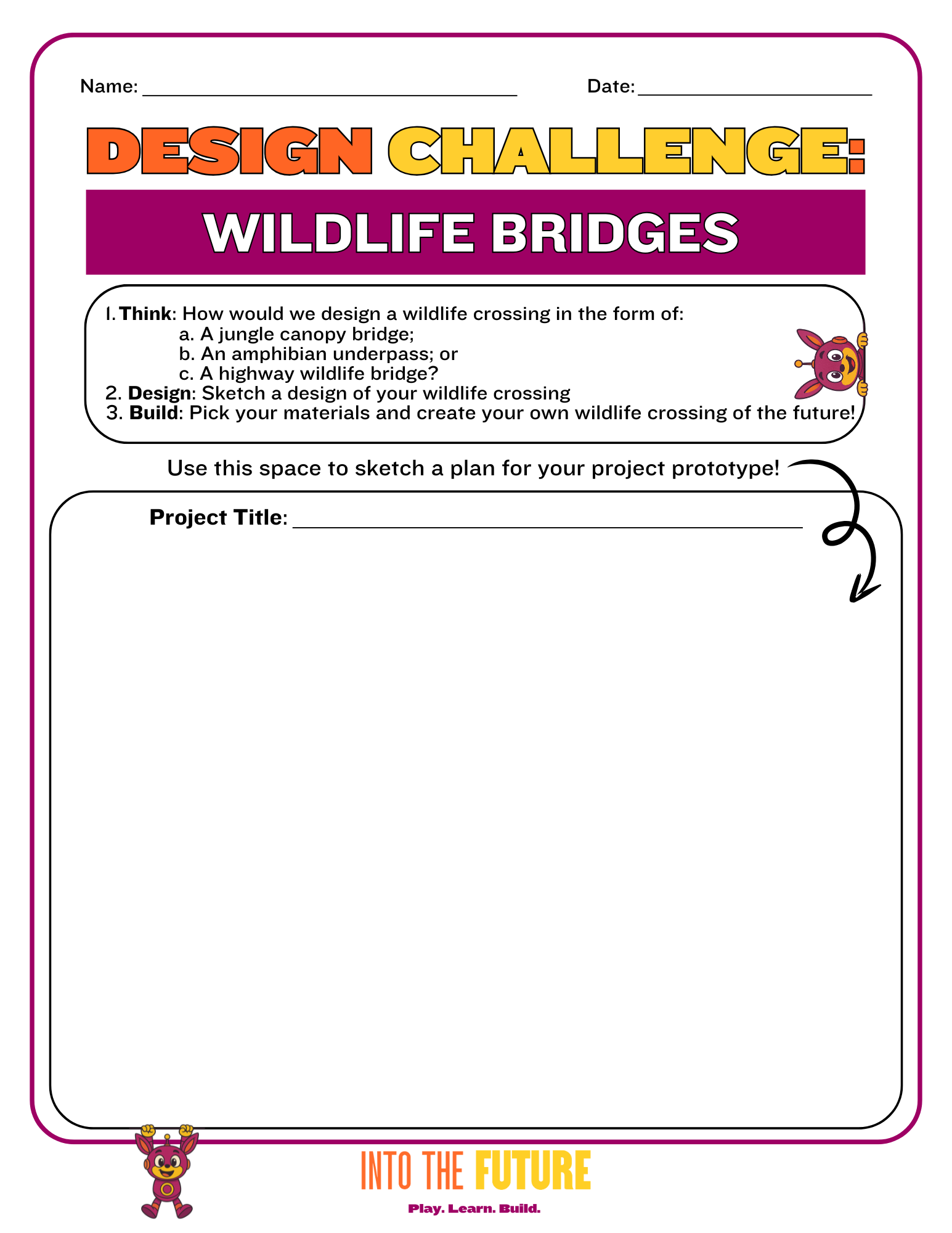
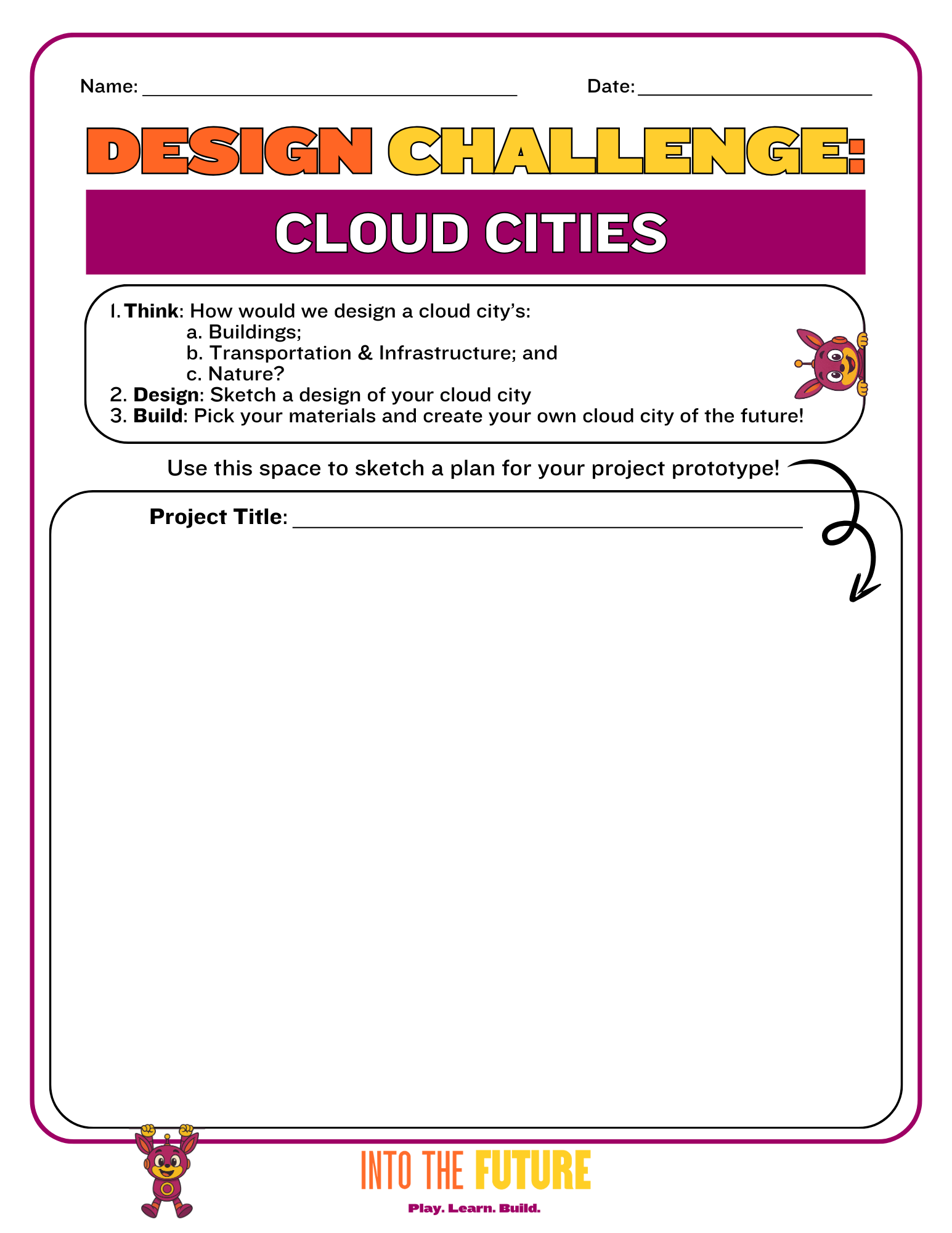
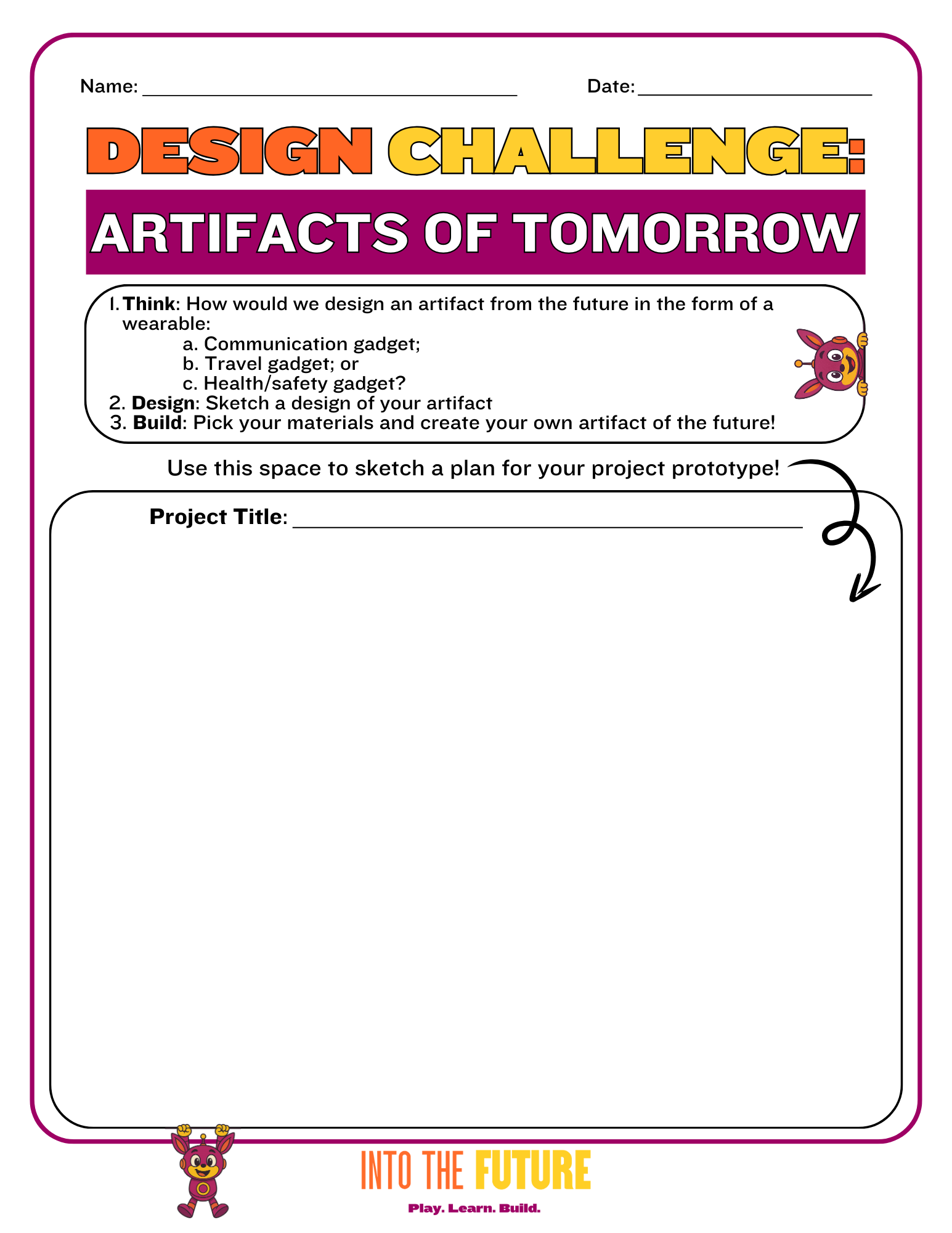
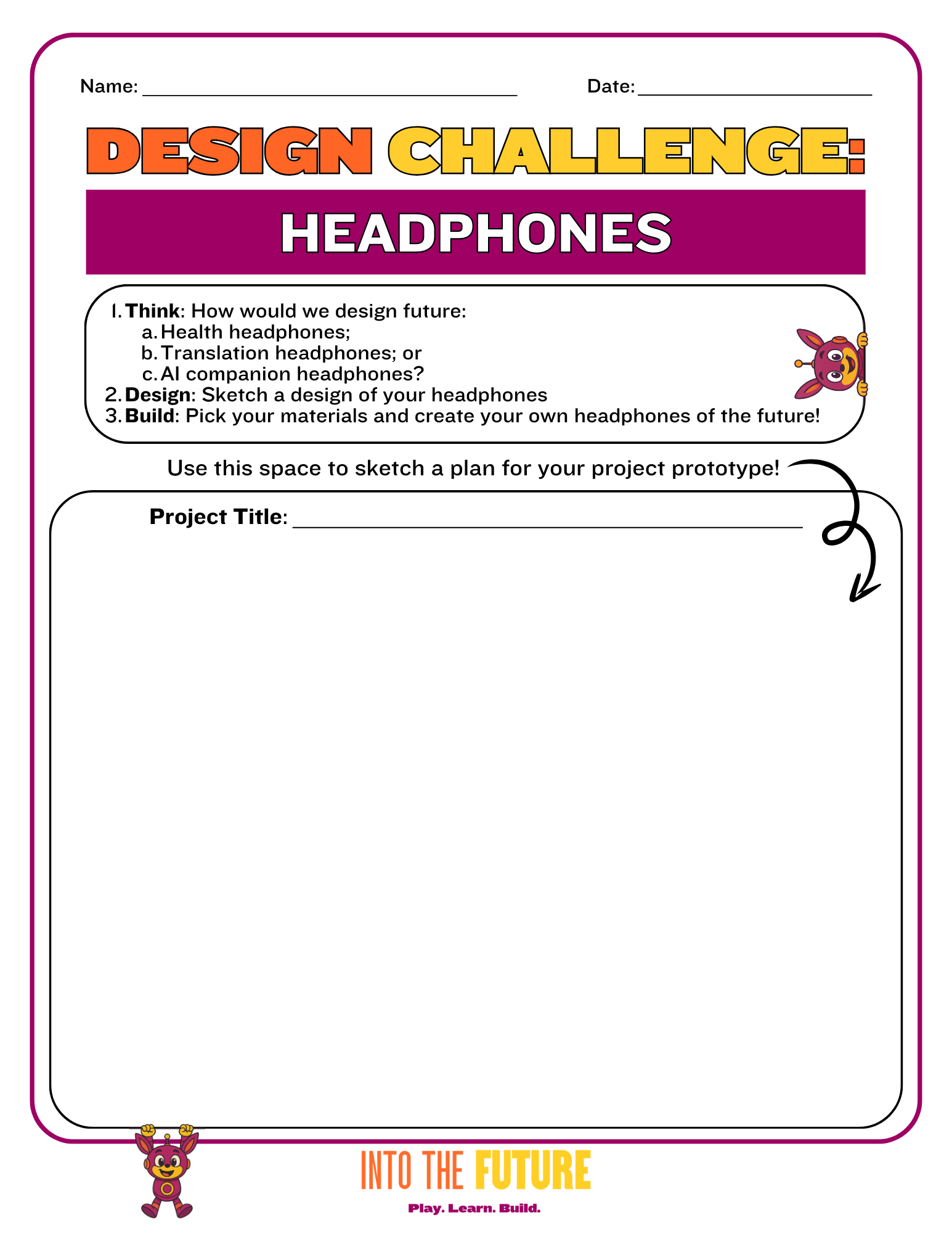
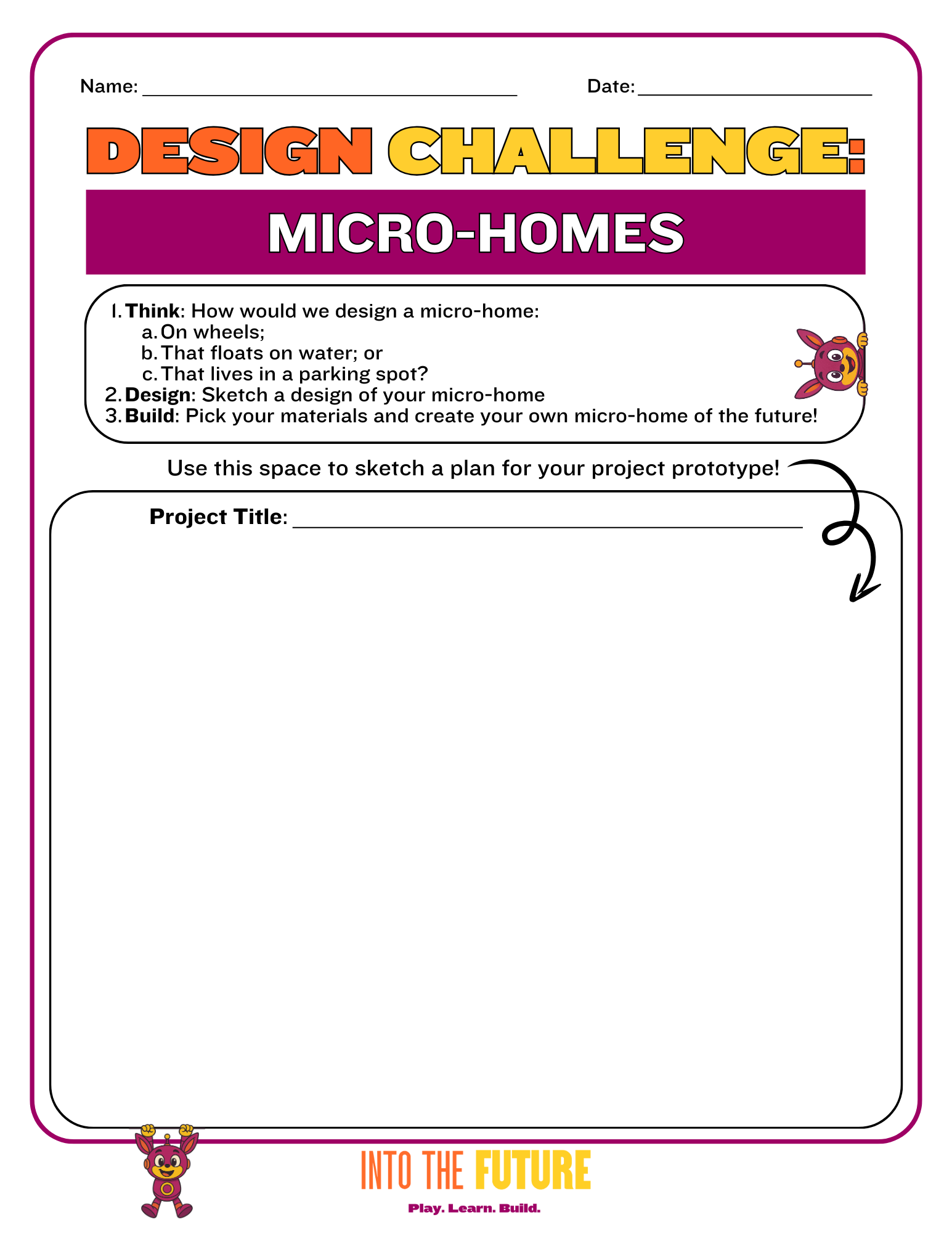
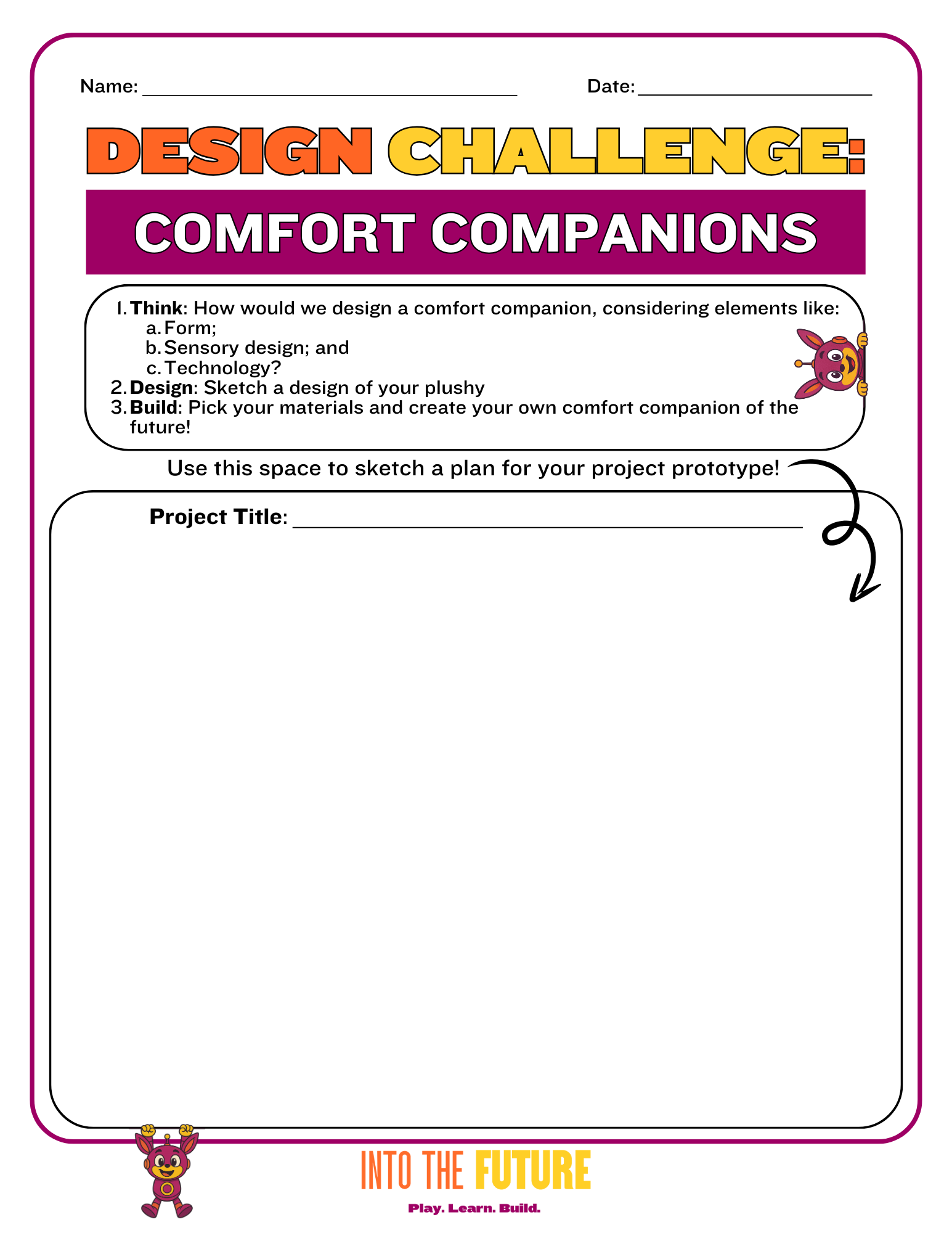
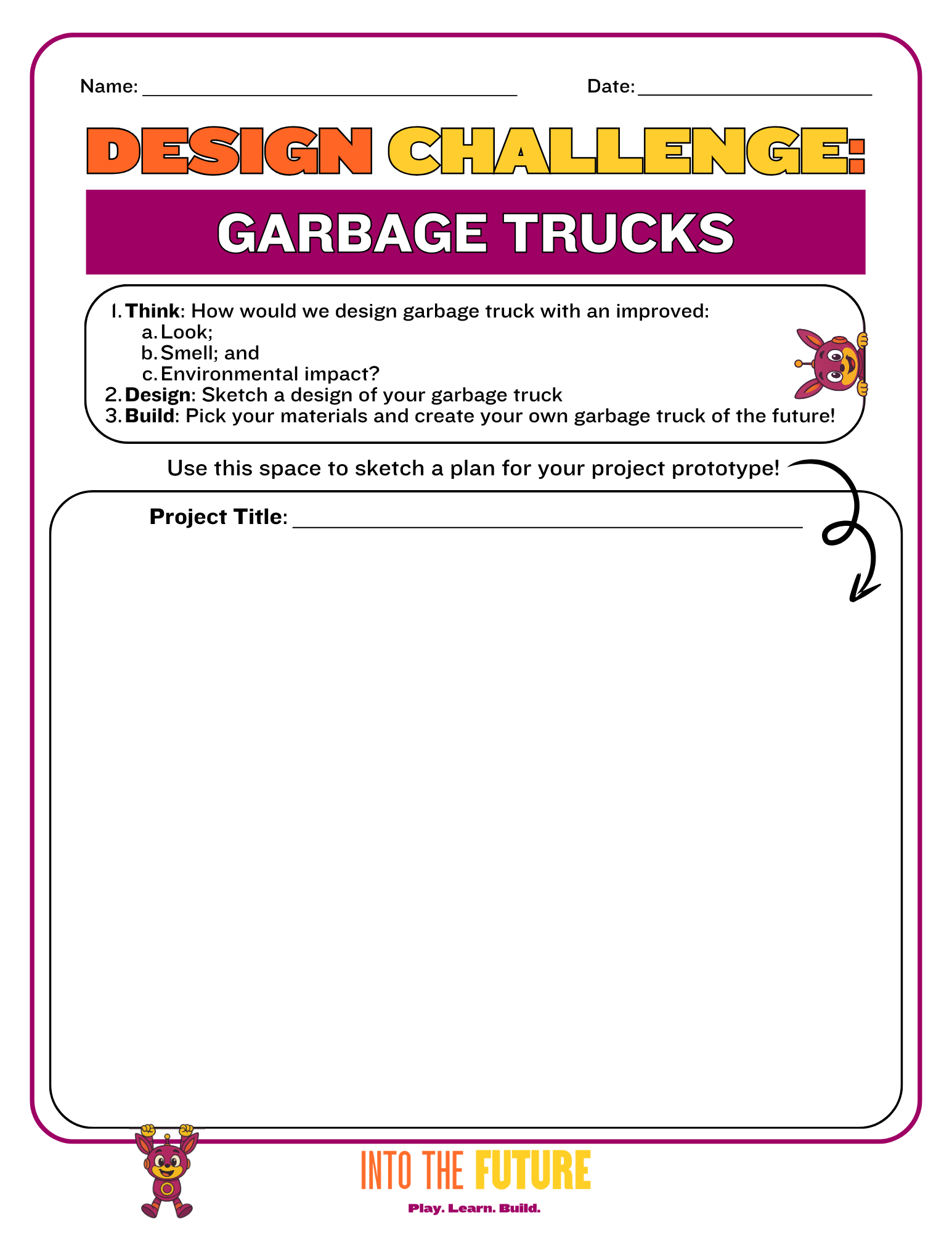
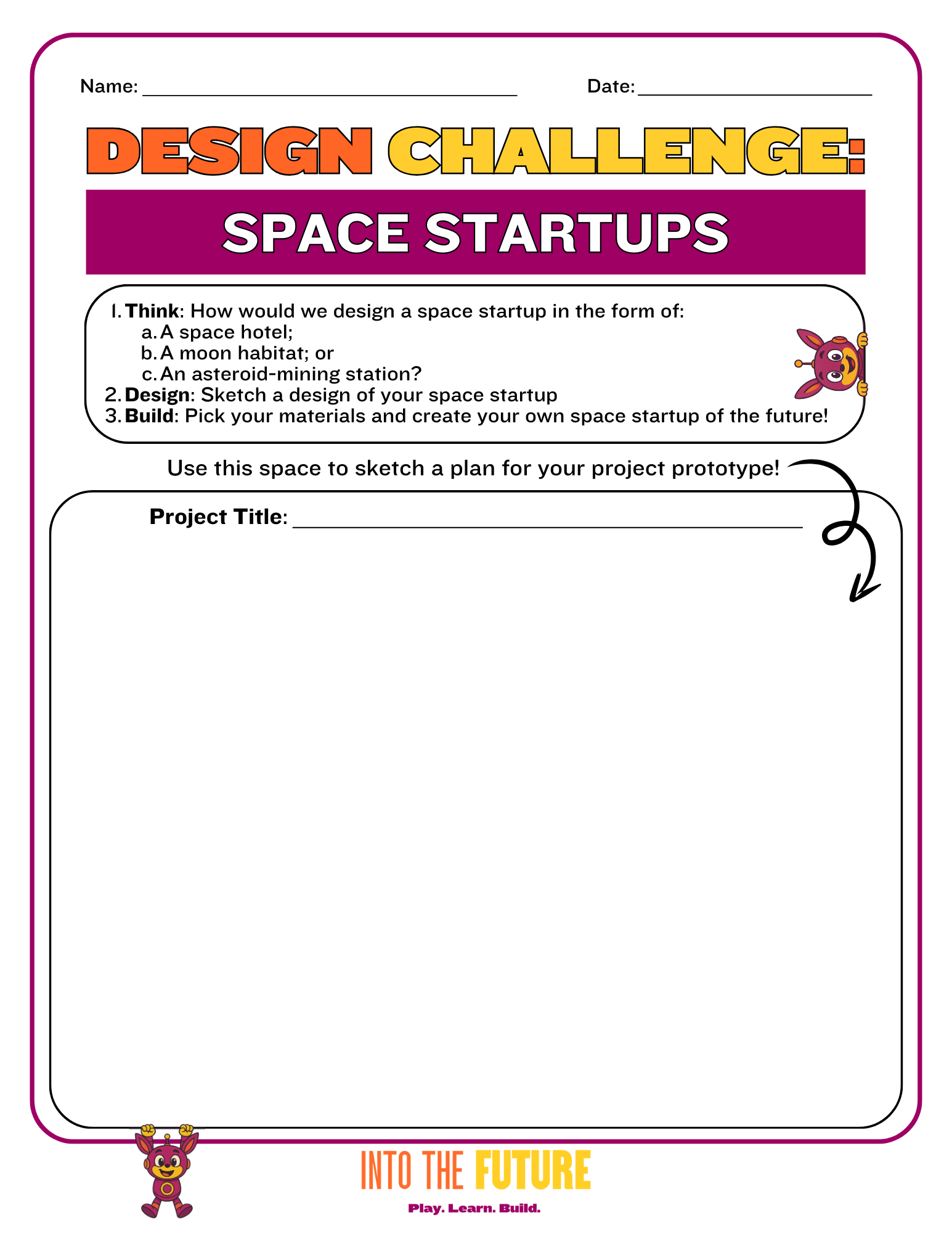
Think of your classroom as a mini design studio.
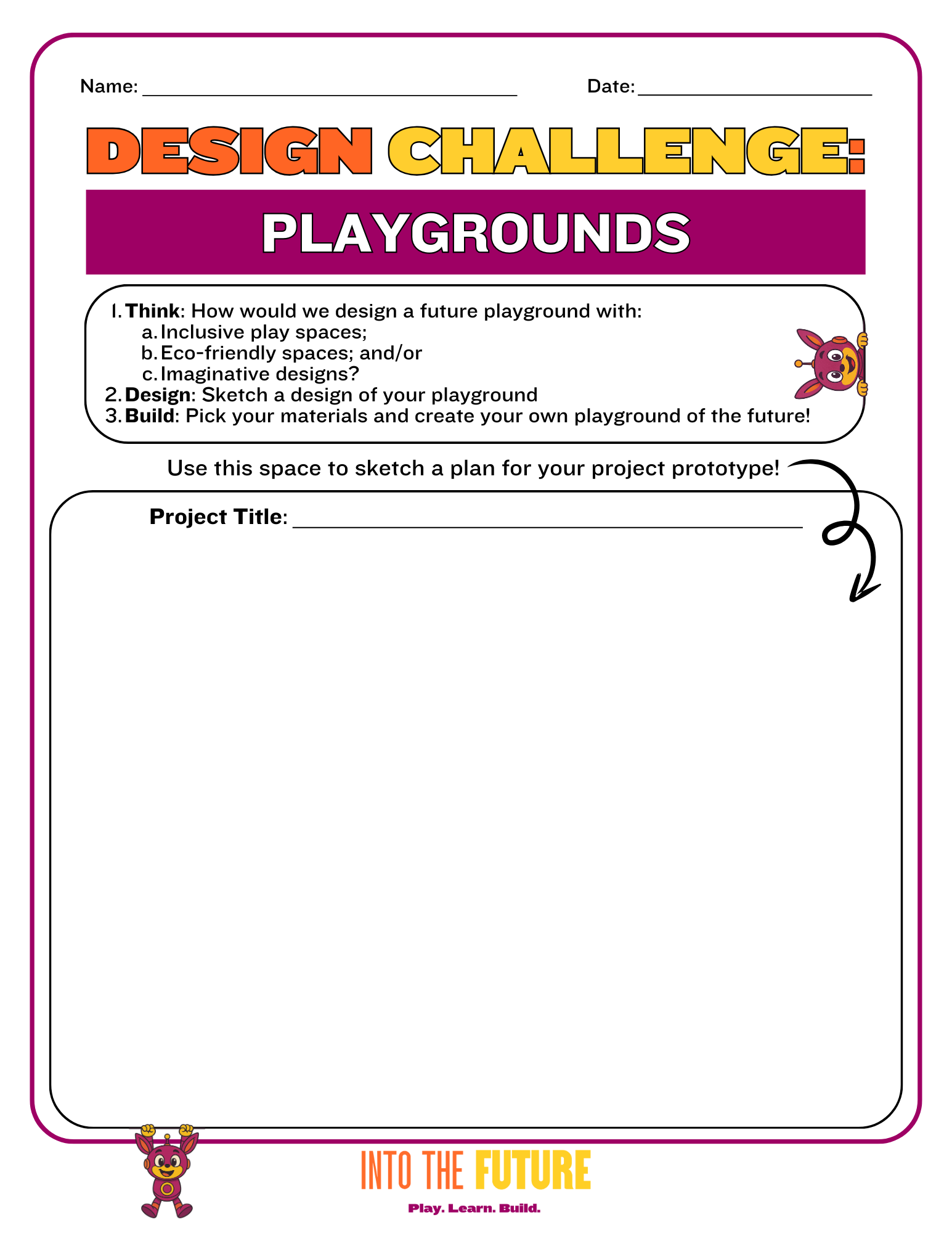
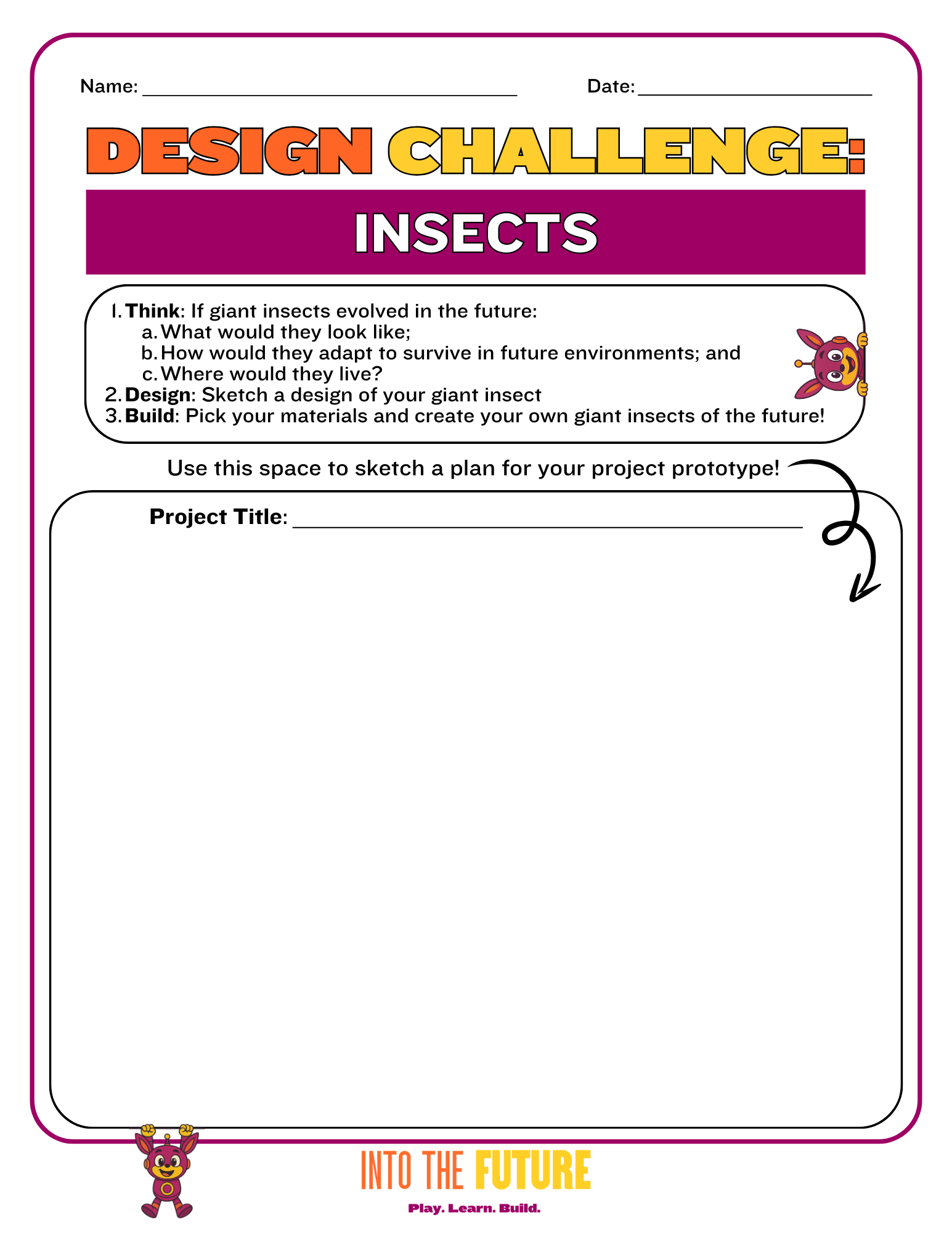
Set up a shared materials table with all containers easily accessible. Larger materials can be placed nearby. Students can gather what they need and bring it back to their workspace.
Place tools like glue guns, scissors, and markers at designated work stations to encourage movement and sharing.
A simple flow:
Encourage iteration; students don’t need to get it “right” the first time. Trying, adjusting, and reimagining is part of the process.
Build time typically takes:
We recommend planning for 45–60 minutes total.
Some students will finish quickly; others may want extended time—both are great.
Cleanup works best when it’s part of the routine.
Set aside 10–15 minutes and give students ownership. For example, assign each student or group a specific material to collect and return to its container.
Materials can be reused for future challenges or added to a general creative materials bin.
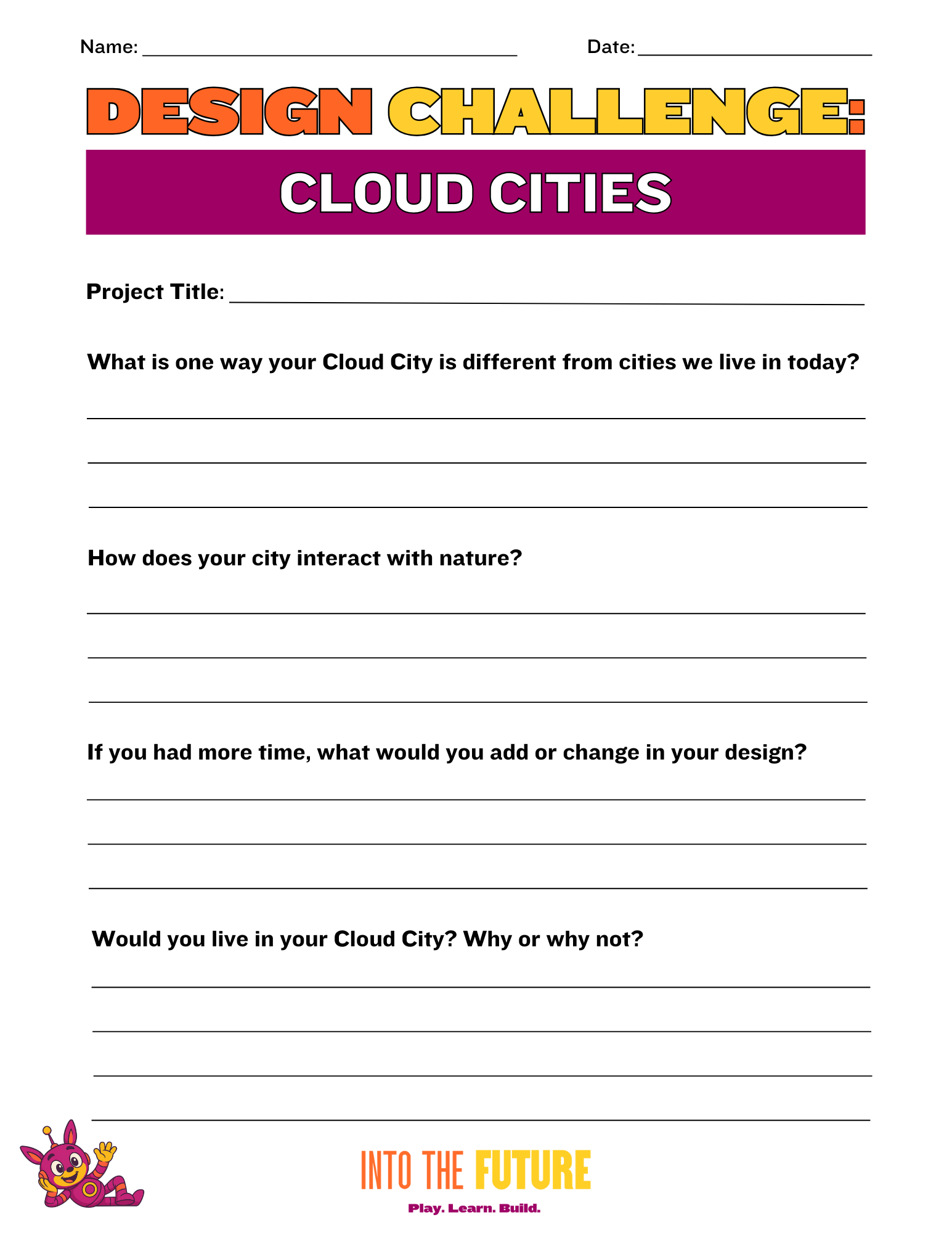
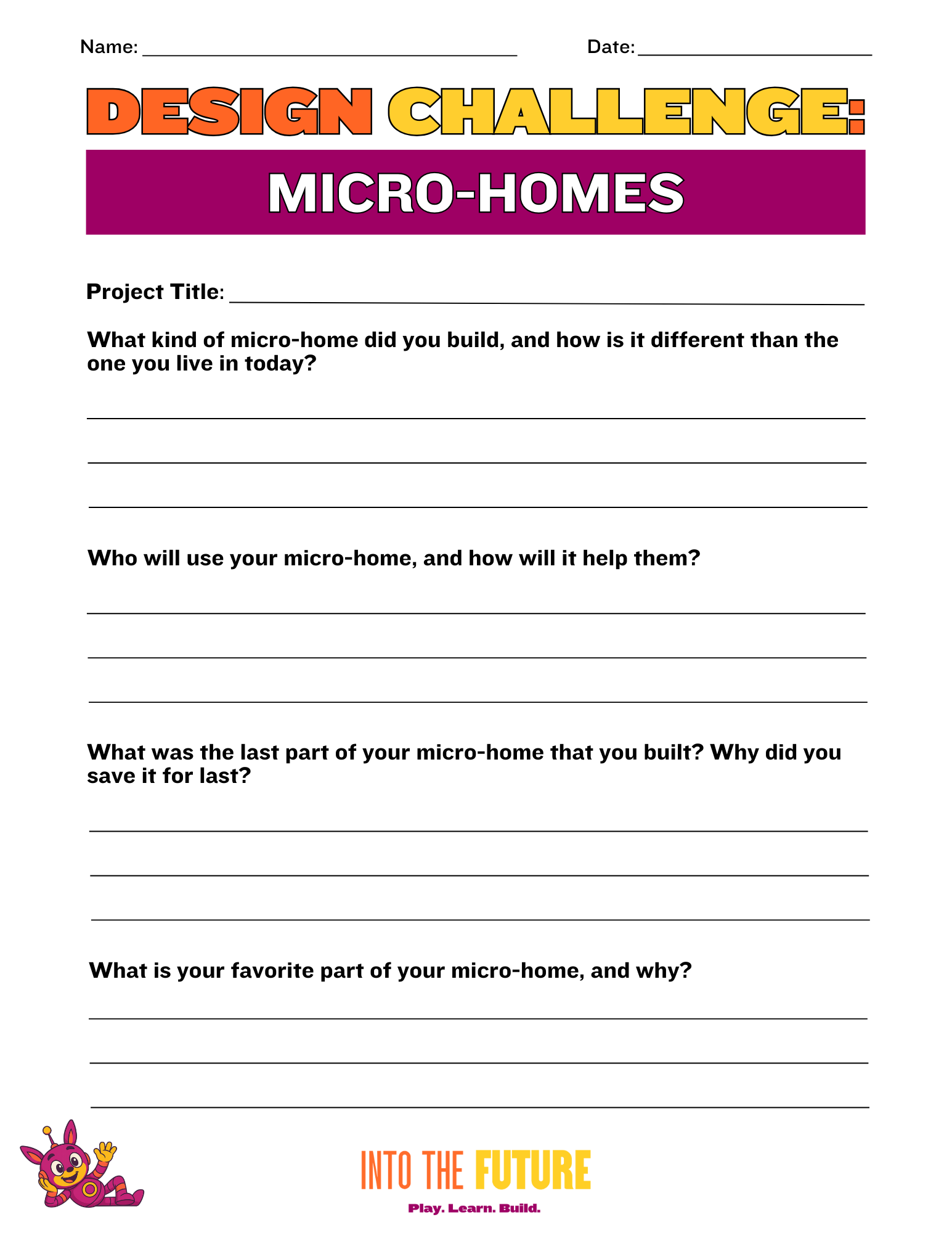
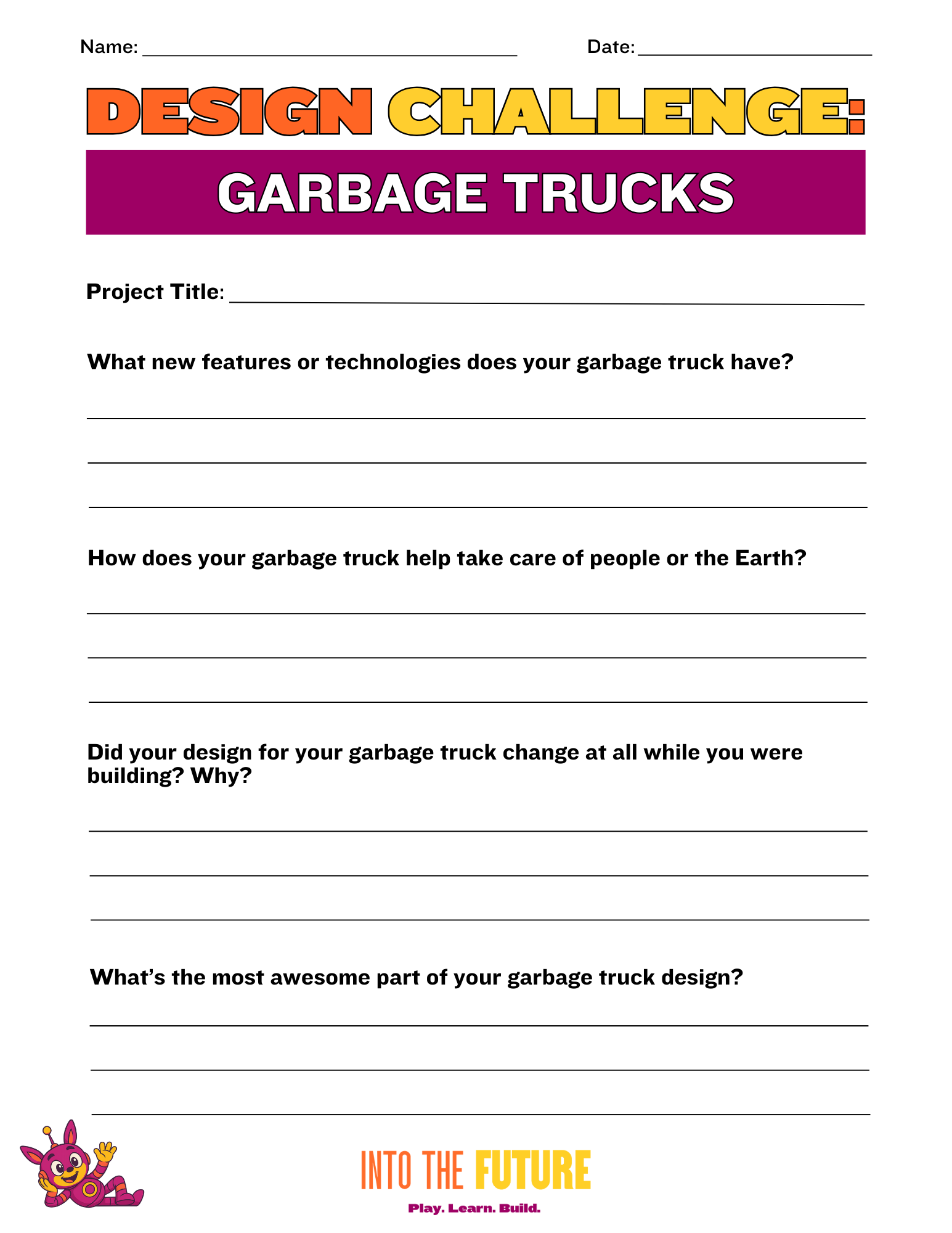
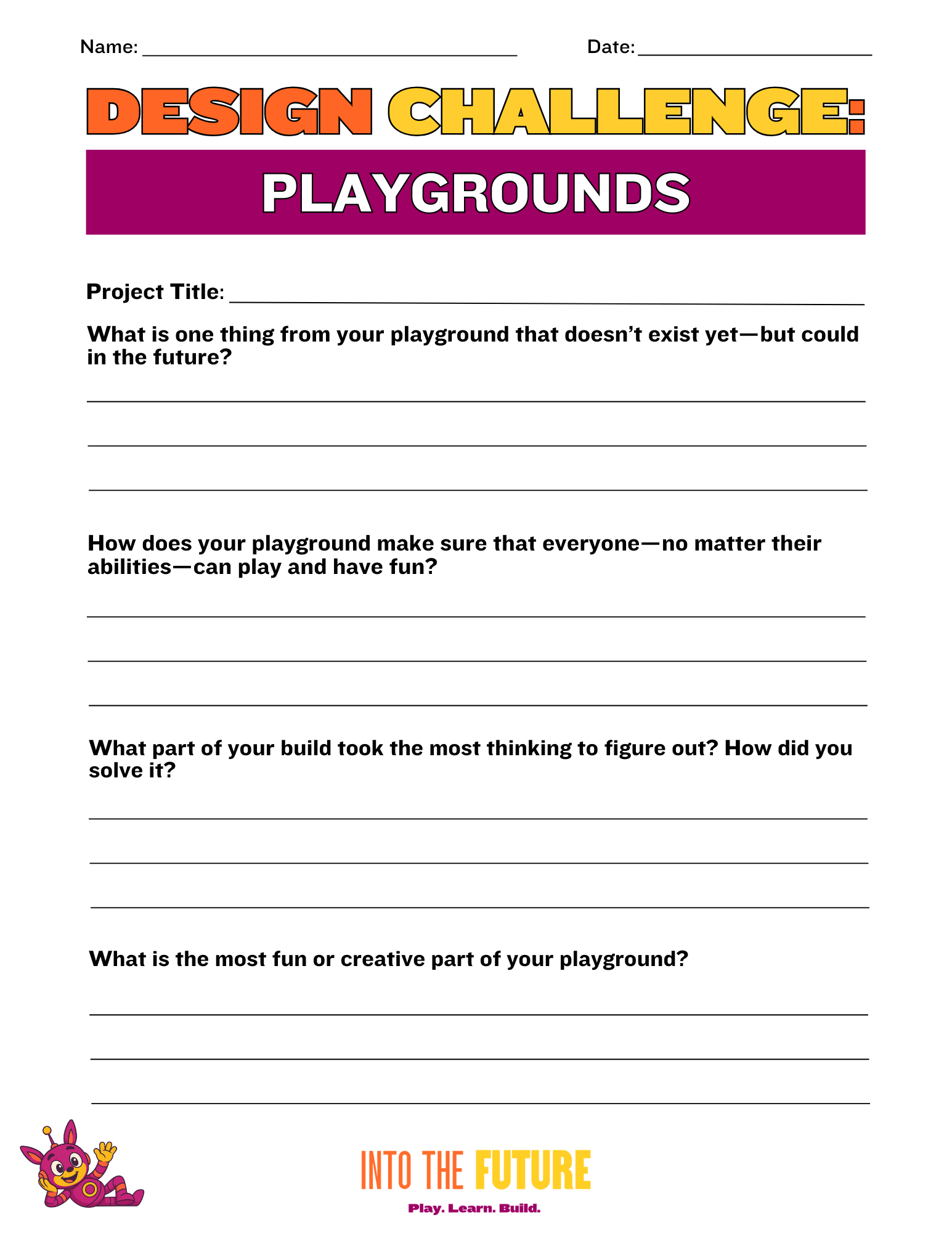
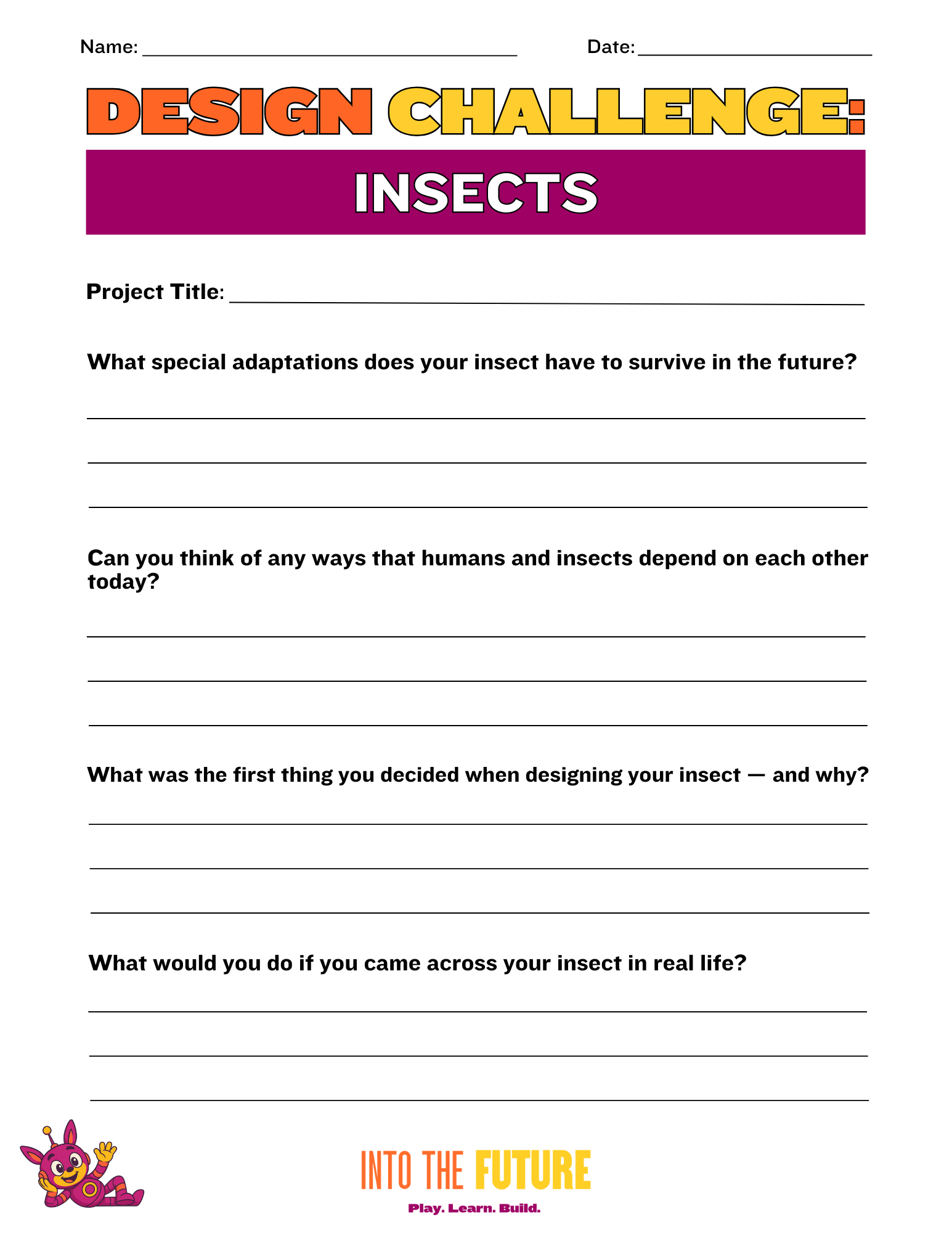
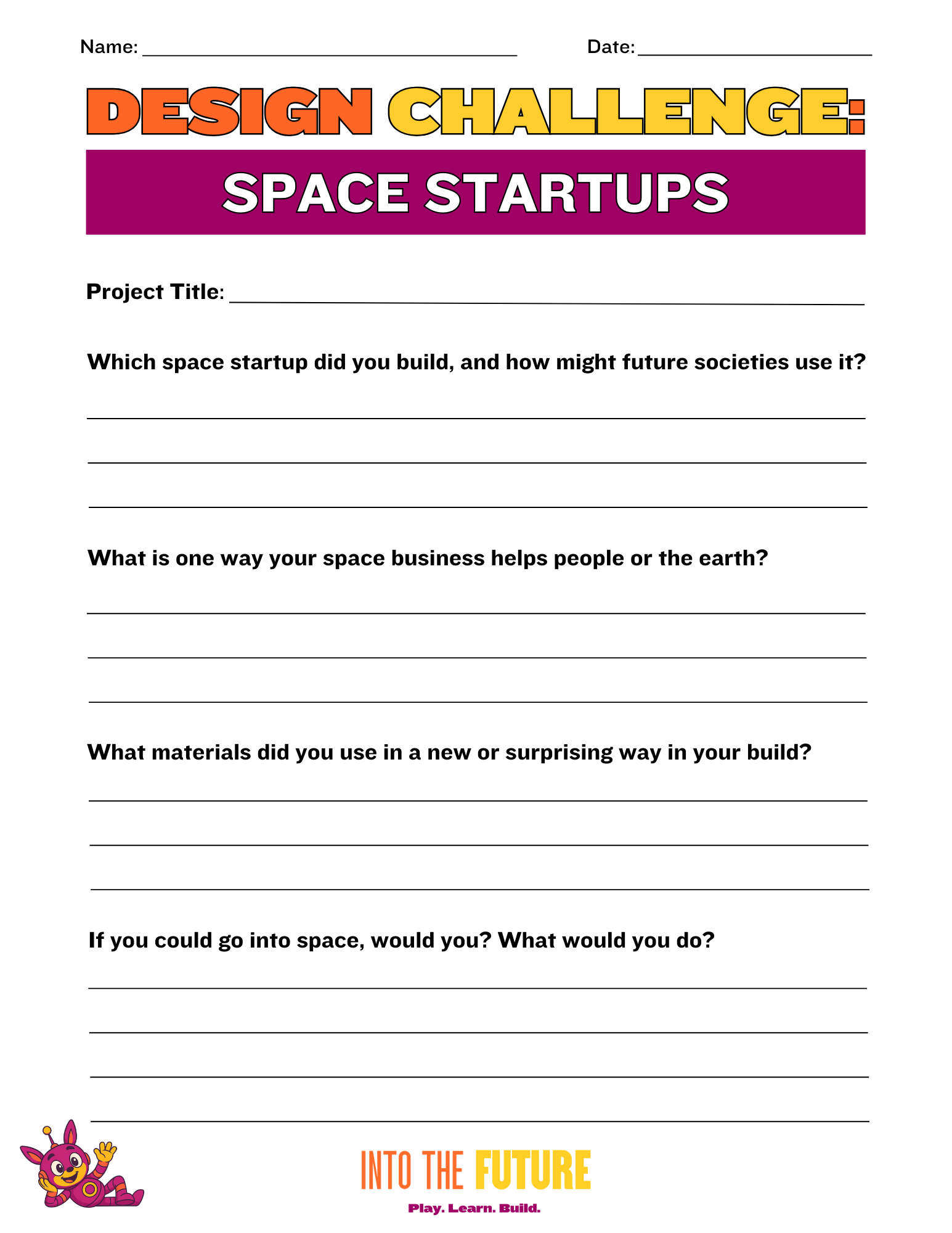
Reflection helps students connect their ideas to the bigger picture.
You can:
These moments help students see themselves not just as designers and builders, but as thinkers shaping possible futures!