FutureTime Catalog
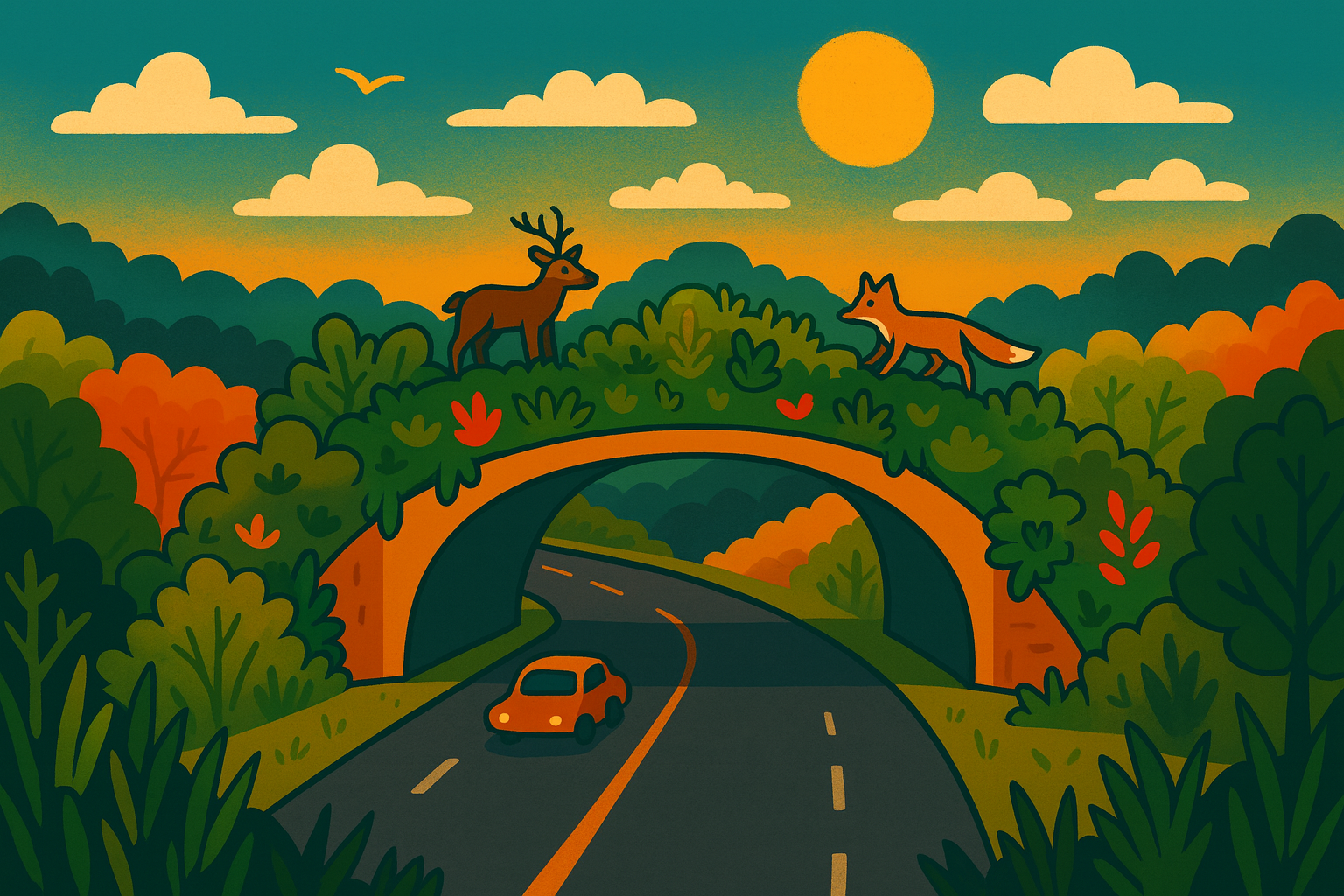
Wildlife Bridges
Design a future-ready wildlife bridge that helps animals travel safely across human-made obstacles.
Wildlife Bridges
Lesson Synopsis:
Students explore how animals have moved across landscapes in the past, how modern roads and cities create challenges, and how today’s wildlife crossings help protect migrating species. They examine early solutions like fish ladders and compare them to present-day bridges and tunnels used around the world. Finally, students imagine future wildlife crossings that blend ecological needs, emerging materials, and creative engineering.
Learning Objectives:
- Explain why animals migrate and identify obstacles created by human development.
- Compare past and present wildlife crossing solutions and their purposes.
- Analyze how different species require different types of crossings.
- Generate future-focused ideas for wildlife crossings using creative design thinking.
Build Challenge:
Students will design and build a model wildlife crossing that helps a chosen species safely travel across a busy human-made barrier.
Additional resources:
- Design Worksheet
- Sharing Worksheet
- Curated build materials
- Lesson flyers for students to take home and share with their families
- Builder certificates
- Starter tools (1 set per bundle)
- Wonder Widgets Box (1 per bundle)
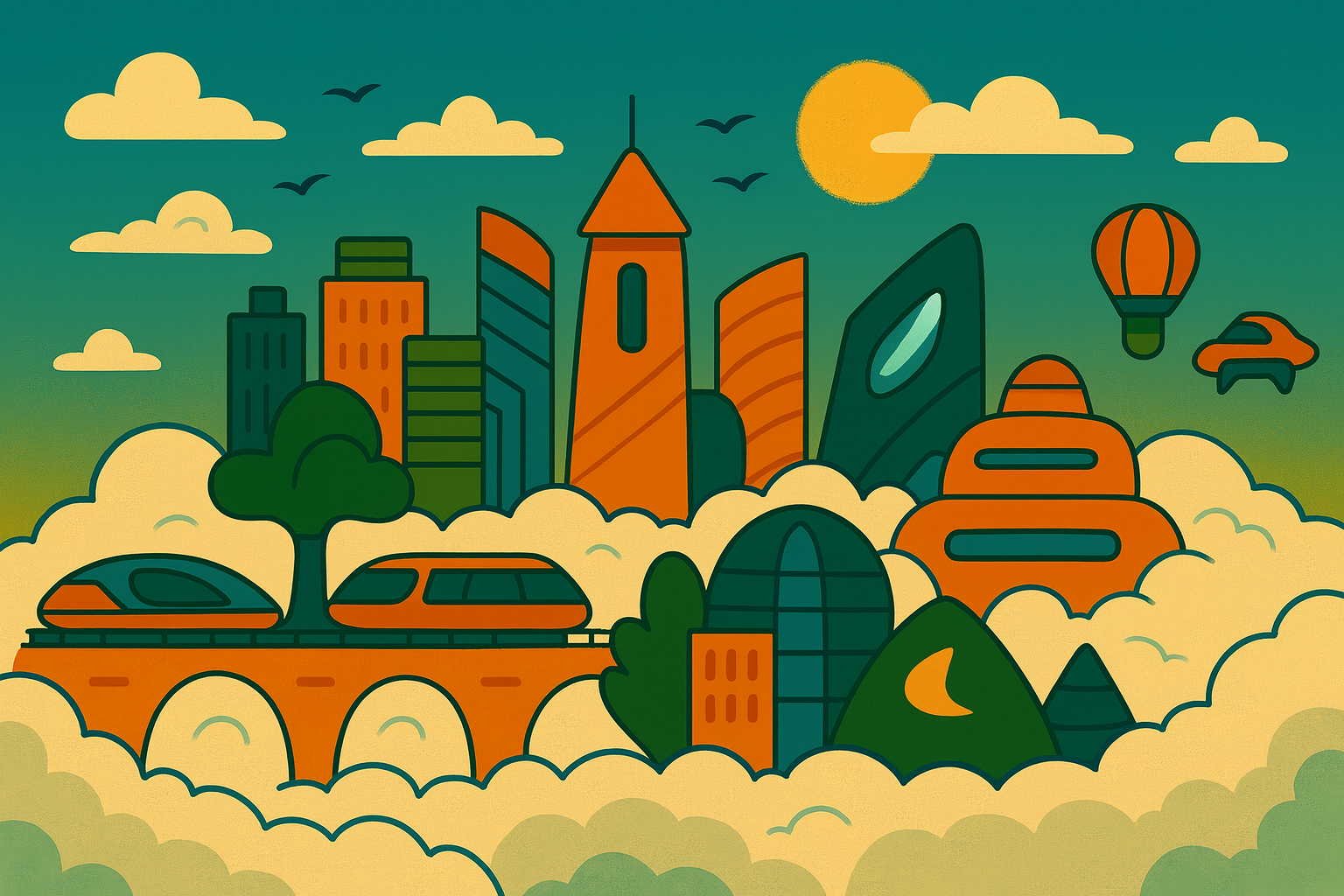
Cloud Cities
Students investigate how cities have changed over time and use that knowledge to imagine and build a cloud city of the future.
Cloud Cities
Lesson Synopsis:
Students explore how cities have evolved from ancient civic spaces and infrastructure to today’s innovative global examples. They examine how modern cities address housing, transportation, and nature. Finally, they imagine future possibilities by designing a city that floats above the clouds.
Learning Objectives:
- Identify key elements of cities across time, including civic spaces, transportation systems, housing, and natural features.
- Compare how different cities in the past and present have addressed community needs.
- Analyze potential challenges and opportunities of building cities in new environments, such as above the clouds.
- Apply creative problem-solving to design future-focused architectural solutions.
Build Challenge:
Students will design and build a model of their own cloud city, incorporating housing, transportation, and nature-based elements.
Additional resources:
- Design Worksheet
- Sharing Worksheet
- Curated build materials
- Lesson flyers for students to take home and share with their families
- Builder certificates
- Starter tools (1 set per bundle)
- Wonder Widgets Box (1 per bundle)
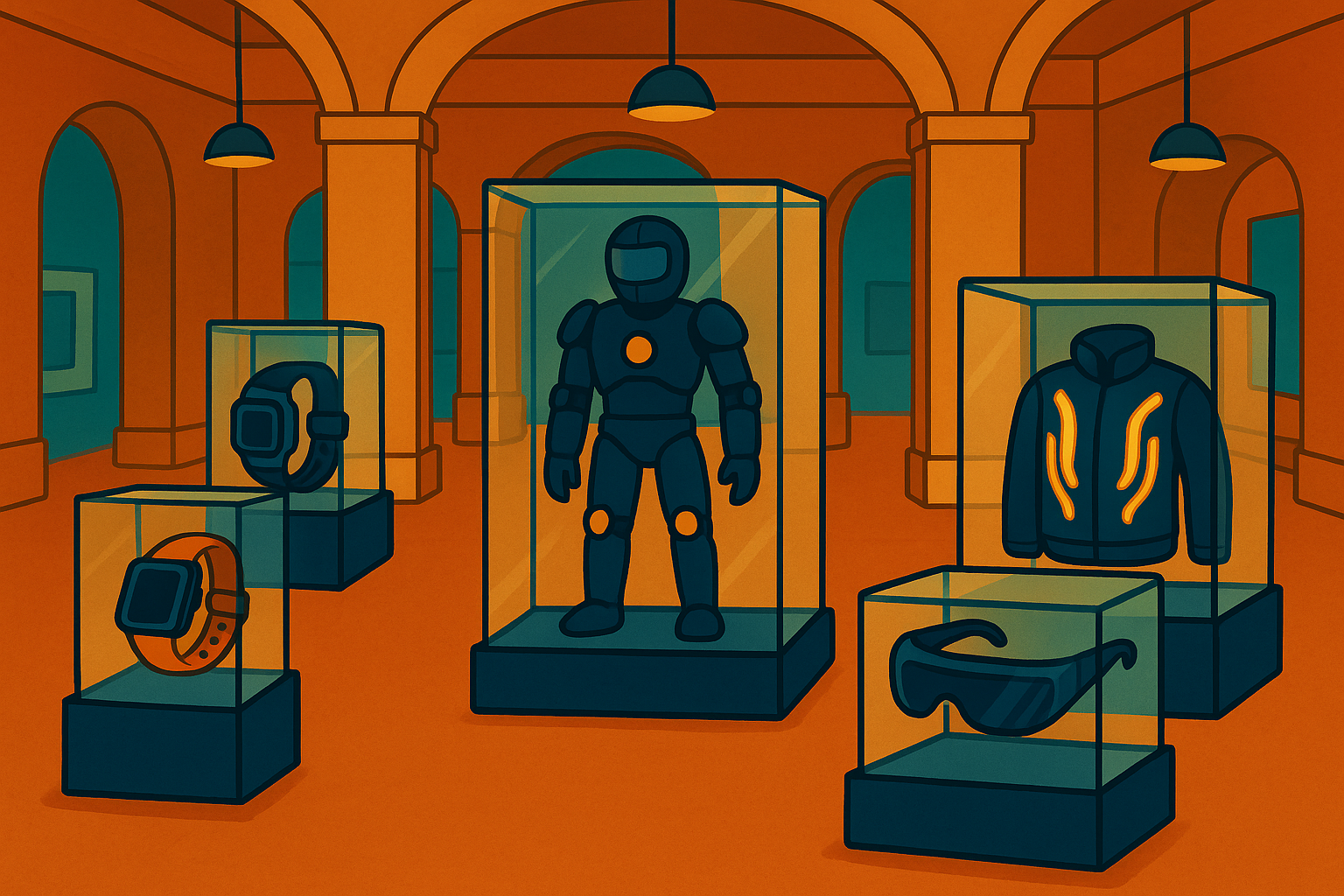
Artifacts of Tomorrow
Students explore how everyday objects tell stories across time and design a wearable artifact of tomorrow.
Artifacts of Tomorrow
Lesson Synopsis:
Students explore how artifacts from the past help us understand people and cultures, then consider which everyday objects from today might become future artifacts. They examine the relationship between technology, design, and storytelling across time. Finally, students imagine and prototype wearable gadgets that could be discovered by future archaeologists.
Learning Objectives:
- Identify and explain how artifacts provide information about past societies and technologies.
- Analyze the connections between material culture, innovation, and daily life.
- Envision future artifacts that reflect emerging technologies and human needs.
- Design and present a creative model of a wearable gadget as a “future artifact.”
Build Challenge:
Design and build a model of a futuristic wearable gadget that people in the year 3050 might one day uncover as an artifact of our time.
Additional resources:
- Design Worksheet
- Sharing Worksheet
- Curated build materials
- Lesson flyers for students to take home and share with their families
- Builder certificates
- Starter tools (1 set per bundle)
- Wonder Widgets Box (1 per bundle)
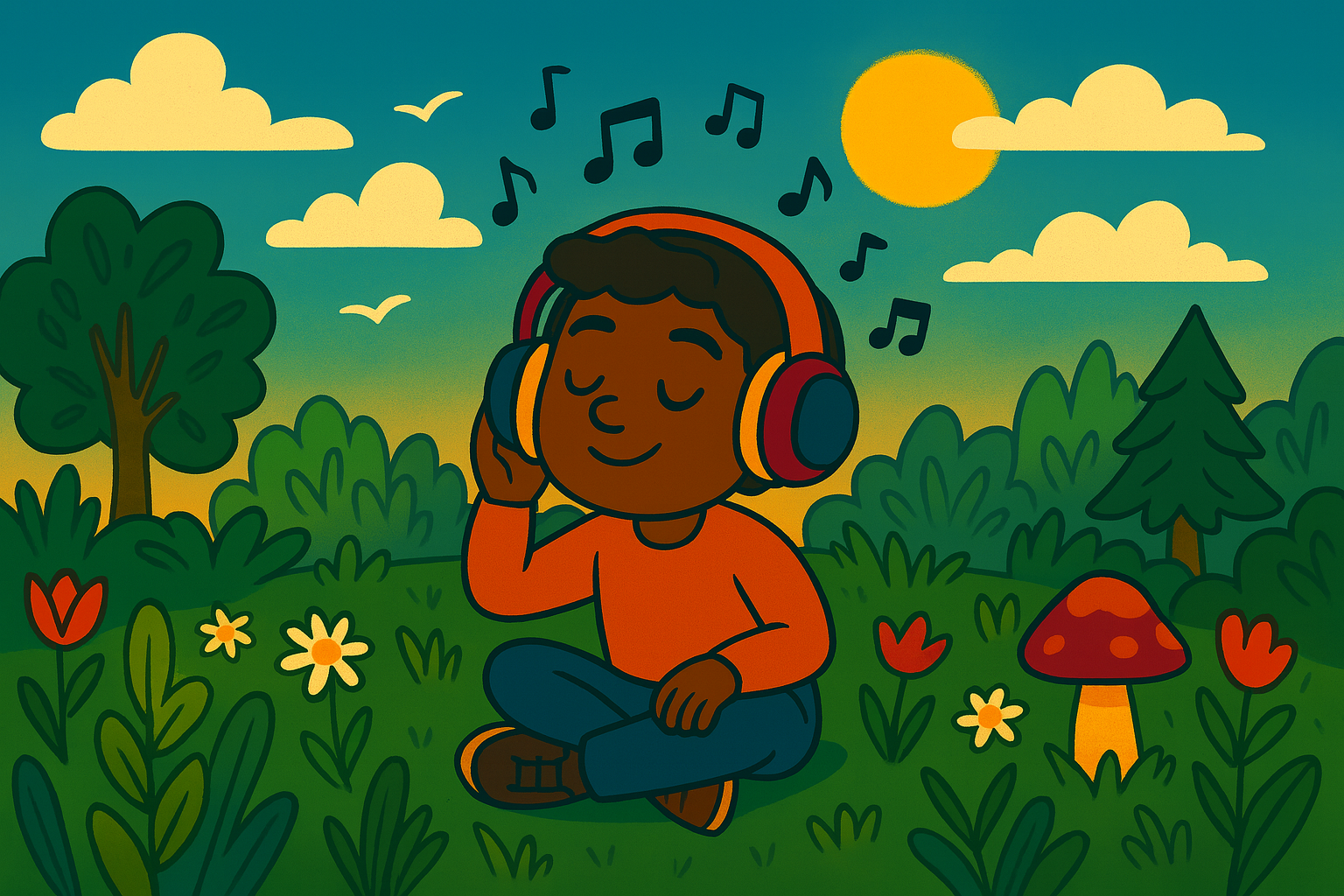
Headphones
Students explore the past, present, and future of sound to design their own smart headphones of tomorrow.
Headphones
Lesson Synopsis:
Students explore how humans have created tools to hear, share, and understand sound across time—from early instruments to modern headphones. They examine how today’s audio technologies expand our senses and support communication, safety, and well-being. Finally, they imagine future headphone innovations that could enhance health, connection, and everyday life.
Learning Objectives:
- Explain how sound works and how humans have used technology to sense and transmit sound across history.
- Identify key features of modern headphones and compare different sound technologies used today.
- Envision and describe possible future headphone innovations that address human needs or challenges.
- Design a concept for “Smart Headphones of Tomorrow” that includes at least one unique, future-focused feature.
Build Challenge:
Students will design and build a model of future smart headphones that includes at least one innovative feature to support health, communication, or everyday life.
Additional resources:
- Design Worksheet
- Sharing Worksheet
- Curated build materials
- Lesson flyers for students to take home and share with their families
- Builder certificates
- Starter tools (1 set per bundle)
- Wonder Widgets Box (1 per bundle)
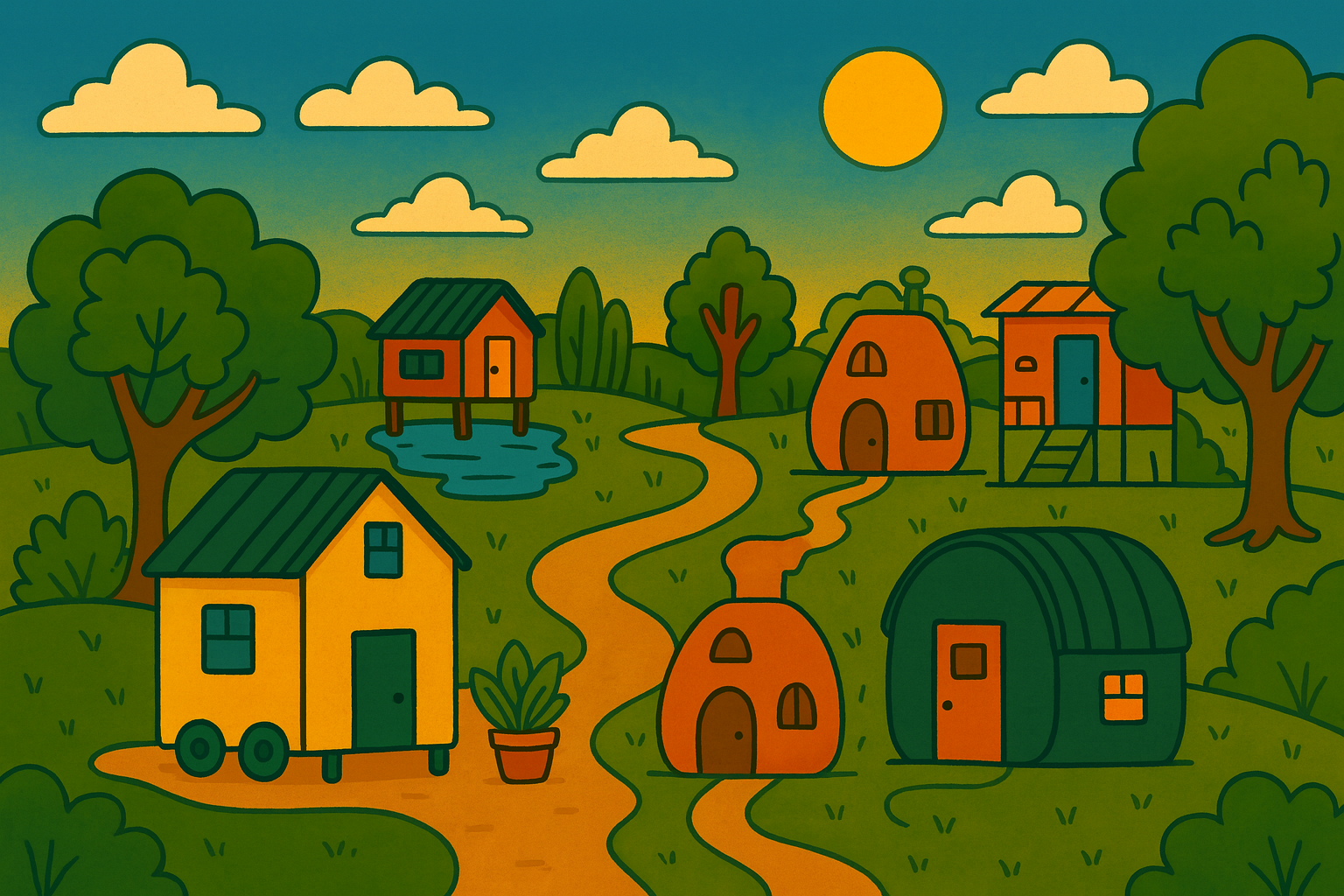
Micro-Homes
Students investigate past and present housing innovations to inspire the design of a future-ready micro-home that fits a crowded world.
Micro-Homes
Lesson Synopsis:
Students explore how people have solved housing challenges in the past, examine present-day innovations for limited space, and imagine future micro-home solutions that blend creativity and sustainability. The lesson moves from historical space-saving strategies to modern tiny homes and 3D-printed housing, preparing students to design their own future-ready micro-home.
Learning Objectives:
- Identify how communities across history adapted housing to limited space and environmental needs.
- Analyze current global housing solutions that address affordability, mobility, and land constraints.
- Describe emerging technologies—such as 3D printing—that could shape future micro-home design.
- Envision and plan a micro-home concept that responds to future population and space challenges.
Build Challenge:
Students will design and build a creative micro-home prototype that solves a future space or housing constraint.
Additional resources:
- Design Worksheet
- Sharing Worksheet
- Curated build materials
- Lesson flyers for students to take home and share with their families
- Builder certificates
- Starter tools (1 set per bundle)
- Wonder Widgets Box (1 per bundle)
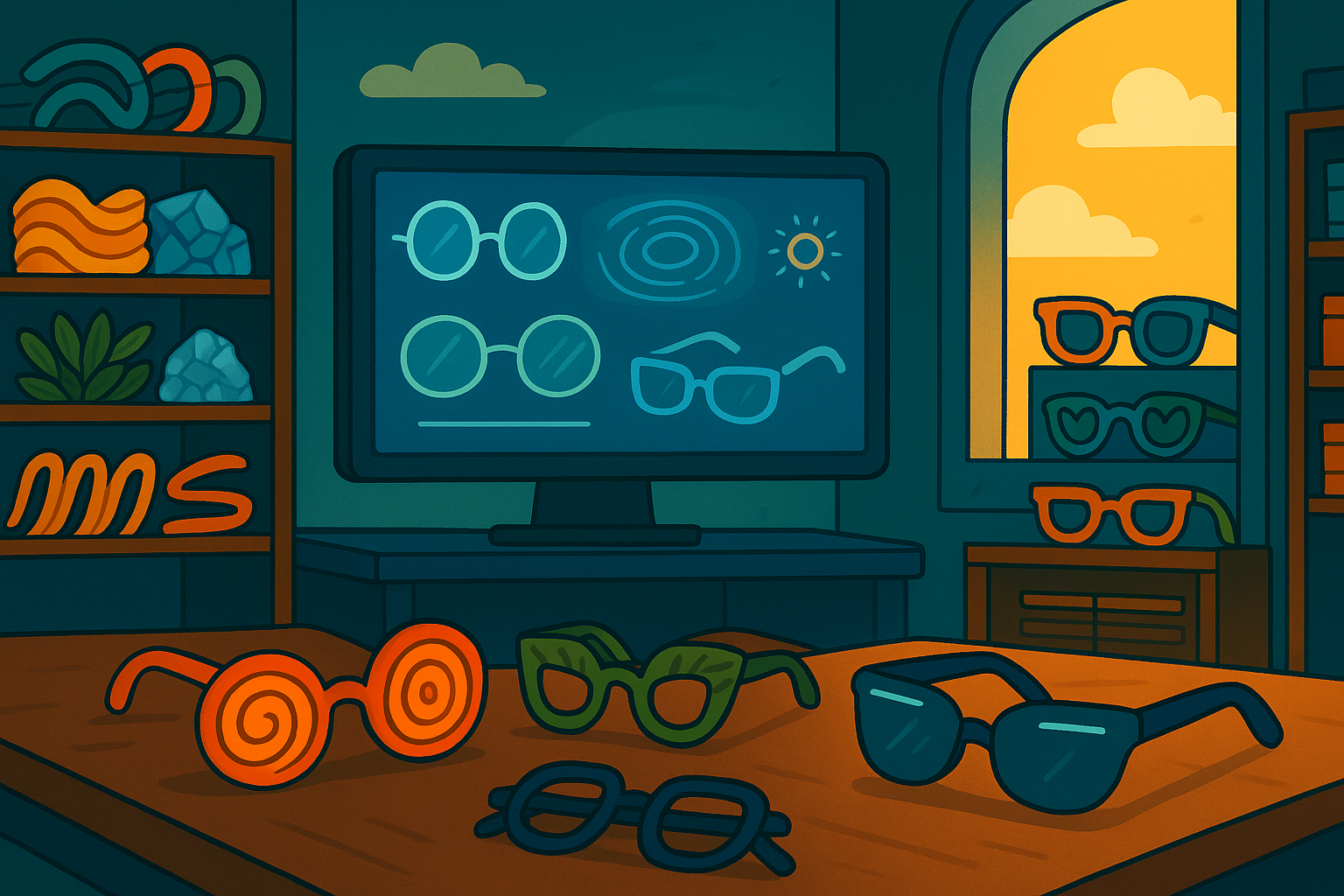
Glasses
Students examine how glasses have changed over time and design their own innovative pair of future-ready eyewear.
Glasses
Lesson Synopsis:
Students explore how glasses have evolved from early protective tools to modern technologies that support vision, safety, style, and digital interaction. They examine key innovations across time and consider how emerging ideas could shape the future of eyewear.
Learning Objectives:
- Identify historical, cultural, and functional reasons people have worn glasses.
- Explain how modern eyewear technologies address real-world needs.
- Analyze how future glasses might incorporate new materials, features, or forms of assistive technology.
- Apply design thinking to create an original model of futuristic glasses.
Build Challenge:
Students will design and build a model of futuristic glasses for the year 2053, selecting materials, design elements, and technological features that address a meaningful need or opportunity.
Additional resources:
- Design Worksheet
- Sharing Worksheet
- Curated build materials
- Lesson flyers for students to take home and share with their families
- Builder certificates
- Starter tools (1 set per bundle)
- Wonder Widgets Box (1 per bundle)
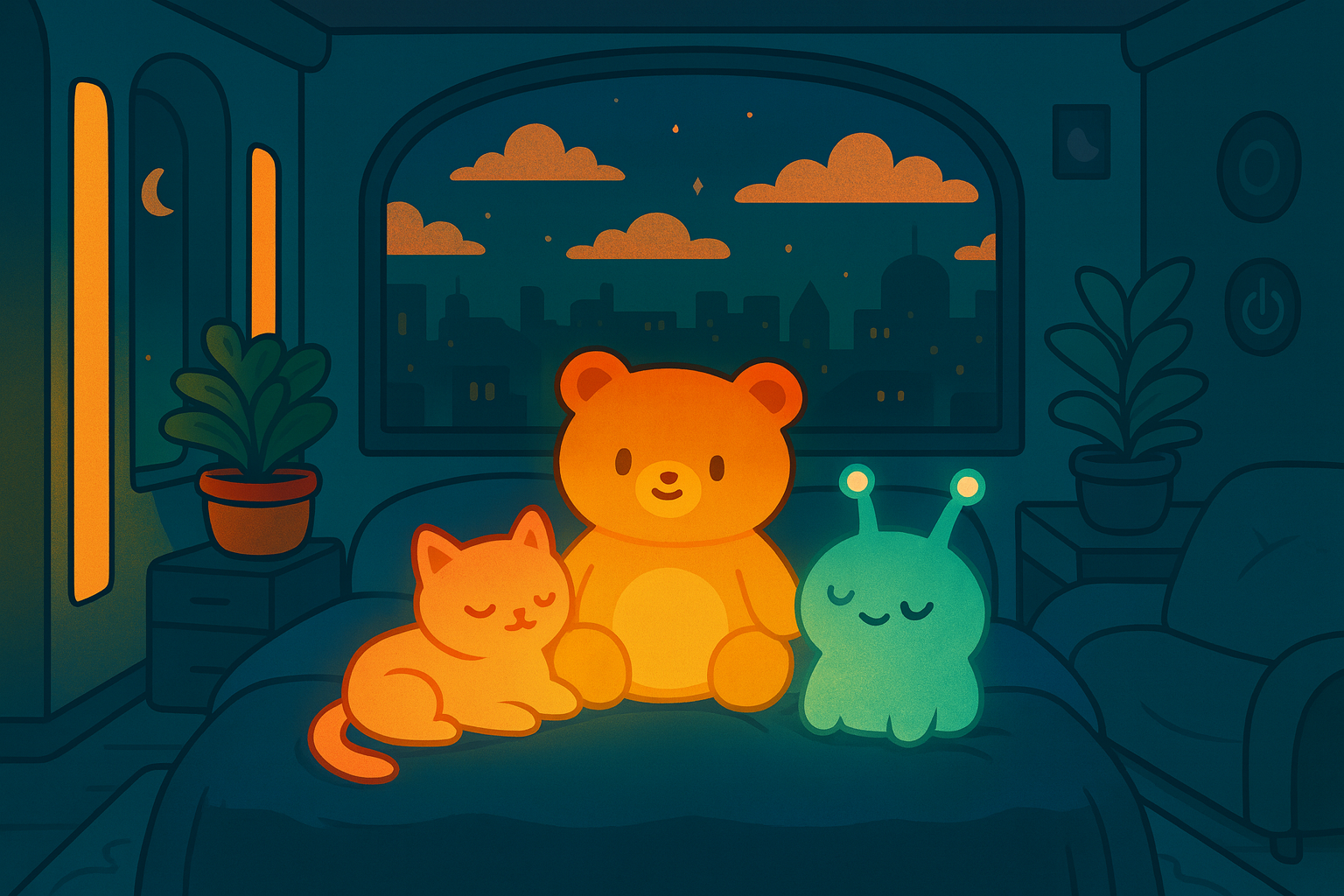
Comfort Companions
Students explore how humans find comfort across time, then design their own future-ready emotional-support companion.
Comfort Companions
Lesson Synopsis:
This lesson introduces students to how humans have understood and managed emotions across time—from early calming practices and historical comfort objects to today’s sensory tools and emotional-support technologies. Students explore current strategies for emotional self-regulation and consider emerging innovations like AI-enabled plush companions. Finally, they imagine future scenarios where smart comfort companions support emotional well-being in creative and adaptive ways.
Learning Objectives:
- Identify how emotions function in the body and recognize strategies for emotional self-regulation.
- Compare calming objects and practices from the past, present, and possible futures.
- Analyze how technology can support emotional regulation and well-being in kid-centered contexts.
- Design a future-focused comfort companion that integrates form, sensory features, and supportive technology.
Build Challenge:
Students will design and create a prototype of a futuristic comfort companion—selecting its form, sensory elements, and technological features—and explain how each design choice helps support emotional regulation in challenging environments.
Additional resources:
- Design Worksheet
- Sharing Worksheet
- Curated build materials
- Lesson flyers for students to take home and share with their families
- Builder certificates
- Starter tools (1 set per bundle)
- Wonder Widgets Box (1 per bundle)
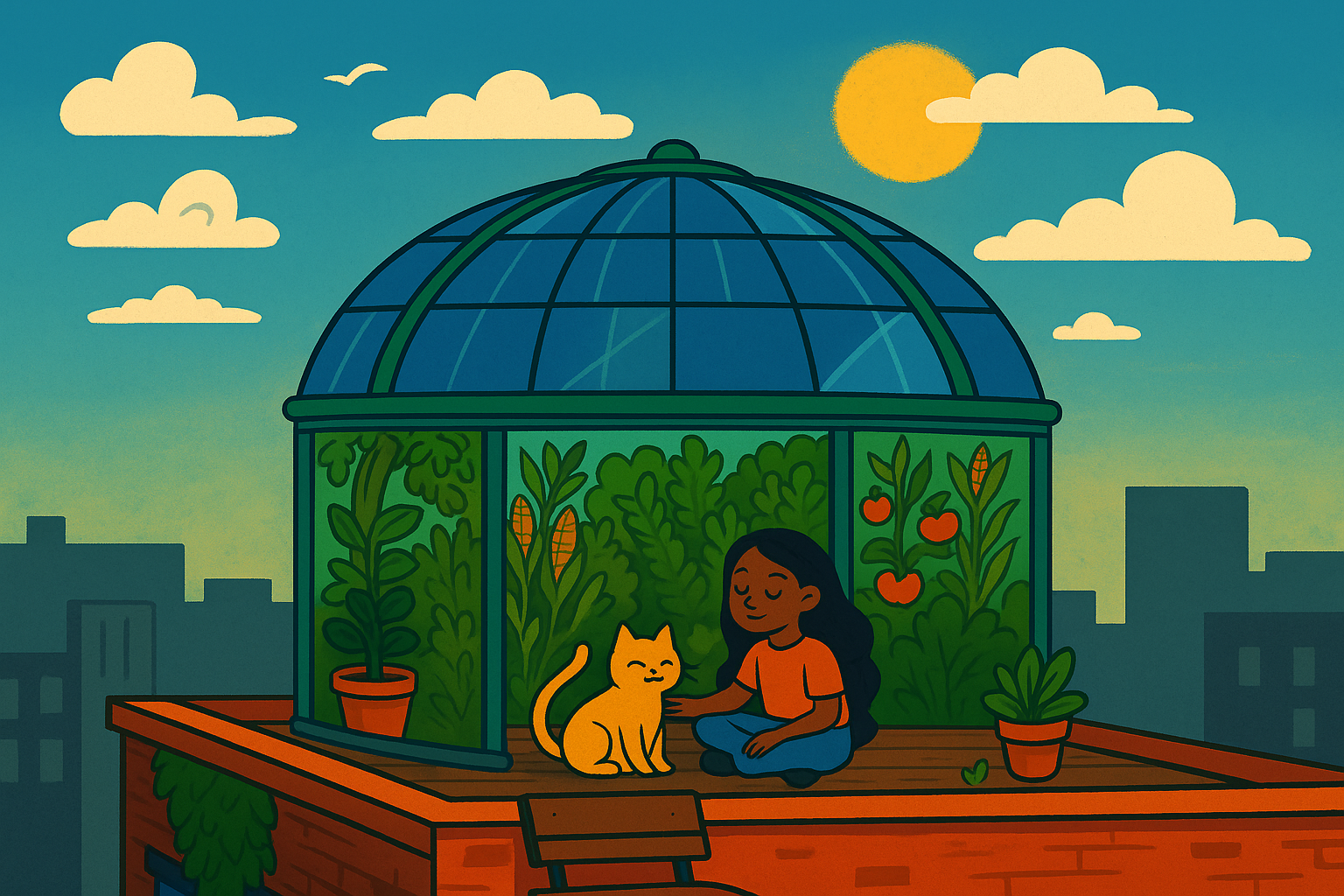
Rooftop Greenhouses
Imagine, explore, and design a rooftop greenhouse that helps future cities grow food and flourish.
Rooftop Greenhouses
Lesson Synopsis:
Students explore how greenhouses began on the ground in early civilizations, moved into widespread use across Europe, and eventually expanded into modern rooftop agriculture. They examine how urban spaces today use rooftop greenhouses to grow food sustainably. Finally, students imagine future rooftop systems that generate their own energy, support communities, and help cities thrive.
Learning Objectives:
- Analyze how greenhouse technology has evolved across different historical periods.
- Identify environmental and community benefits of rooftop greenhouses in modern cities.
- Evaluate challenges and opportunities for food production in urban environments.
- Design a future-focused rooftop greenhouse that supports both food growth and community well-being.
Build Challenge:
Students will design a model of a future rooftop greenhouse that grows food efficiently and supports a vibrant space for city residents.
Additional resources:
- Design Worksheet
- Sharing Worksheet
- Curated build materials
- Lesson flyers for students to take home and share with their families
- Builder certificates
- Starter tools (1 set per bundle)
- Wonder Widgets Box (1 per bundle)
Garbage Trucks
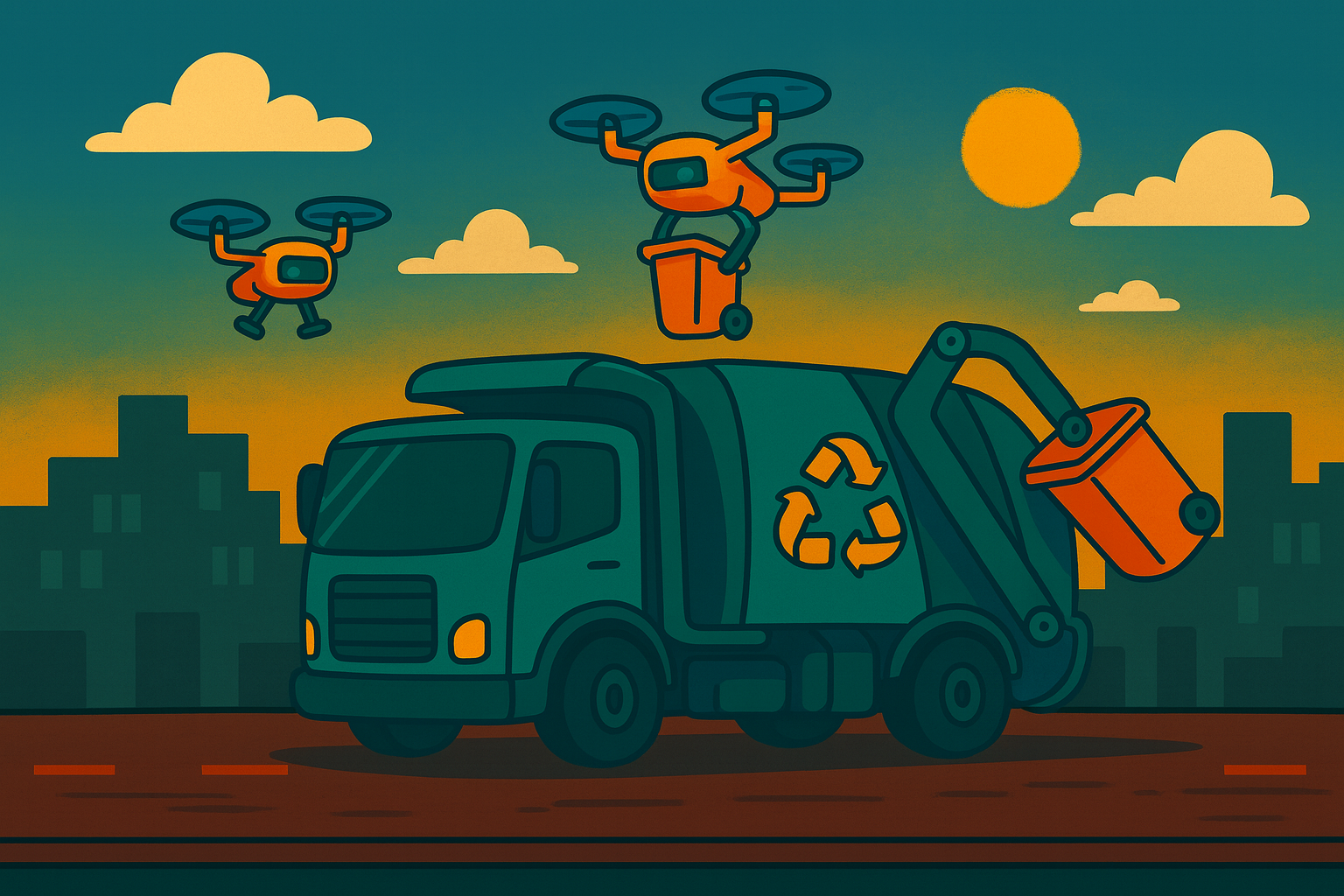
Explore how garbage trucks have evolved—and design a cleaner, smarter, and more joyful waste-collecting vehicle for the future.
Garbage Trucks
Lesson Synopsis:
Students explore how garbage trucks have evolved from simple waste-collection carts to today’s high-tech, energy-smart machines. They examine past, present, and emerging innovations—from hydraulic arms to electric engines and even air-cleaning filters—while considering how cities manage waste sustainably.
Learning Objectives:
- Understand the journey of waste and the role sanitation systems play in healthy communities.
- Compare how garbage collection has changed over time, identifying key technologies.
- Explore future-focused innovations that could make garbage trucks cleaner, quieter, and more community-friendly.
- Practice Futures Thinking by imagining multiple possible sanitation futures.
Build Challenge:
Students design and construct their own next-generation garbage truck model. Their build should improve environmental impact, reduce bad smells, and showcase a fun, community-inspiring design.
Additional resources:
- Design Worksheet
- Sharing Worksheet
- Curated build materials
- Lesson flyers for students to take home and share with their families
- Builder certificates
- Starter tools (1 set per bundle)
- Wonder Widgets Box (1 per bundle)
Playgrounds
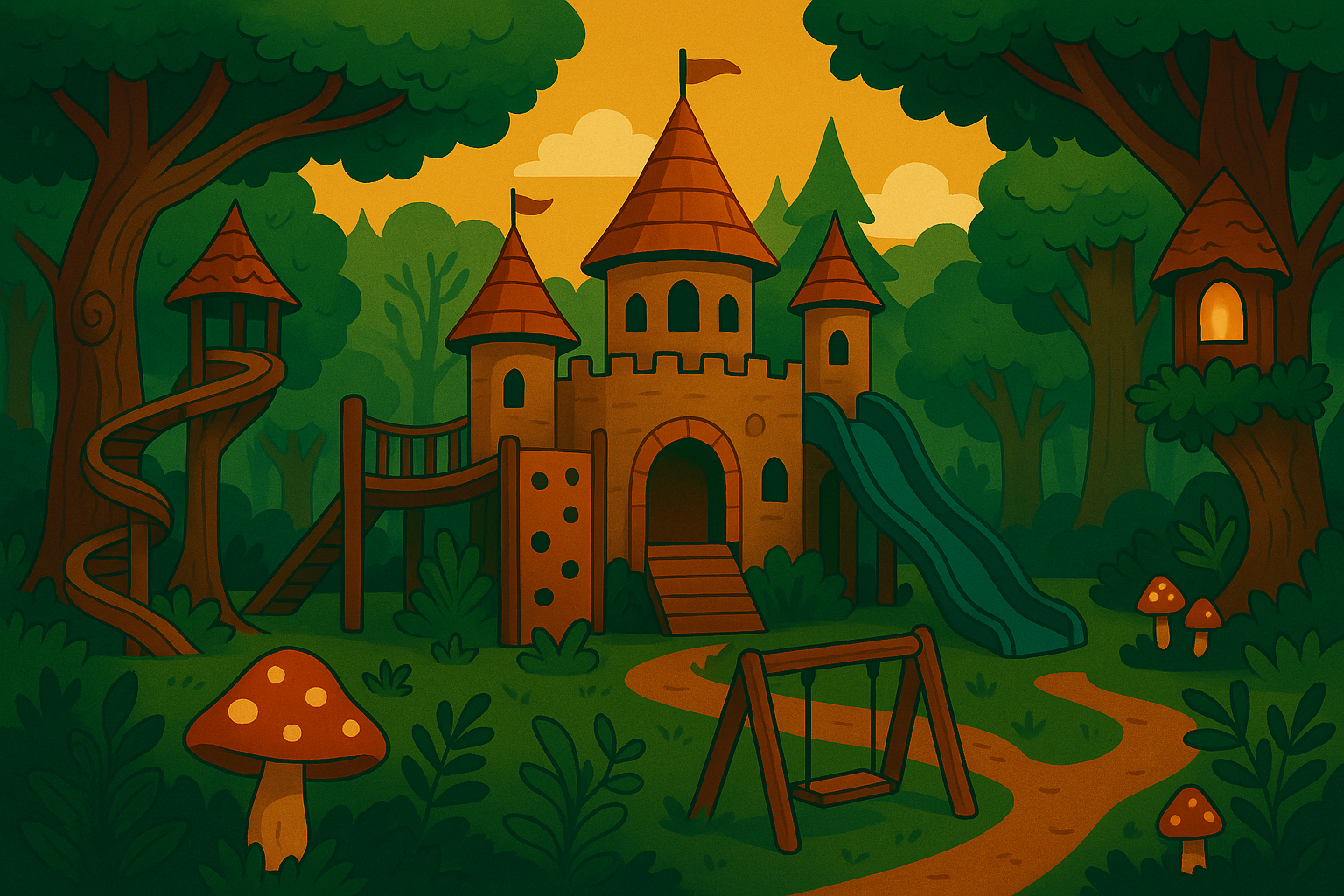
Students explore the evolution of play spaces and design a future-ready playground rooted in creativity, inclusion, and sustainability.
Playgrounds
Lesson Synopsis:
Students explore how playgrounds have evolved from early sand gardens and rotating equipment to today’s inclusive, sensory-friendly, and adventure-based play spaces. They examine how design choices reflect changing ideas about safety, creativity, and community. Finally, they imagine future playgrounds powered by renewable energy and shaped by the needs of diverse users.
Learning Objectives:
- Investigate how playground designs from the past met children’s needs and community goals.
- Analyze present-day playground features with attention to safety, inclusivity, and sustainability.
- Envision multiple future playground concepts that respond to people, environments, and emerging technologies.
- Prototype a creative playground feature that reflects future-focused design thinking.
Build Challenge:
Students will design and build a model of a future playground that is imaginative, inclusive, and environmentally responsive.
Additional resources:
- Design Worksheet
- Sharing Worksheet
- Curated build materials
- Lesson flyers for students to take home and share with their families
- Builder certificates
- Starter tools (1 set per bundle)
- Wonder Widgets Box (1 per bundle)
Insects
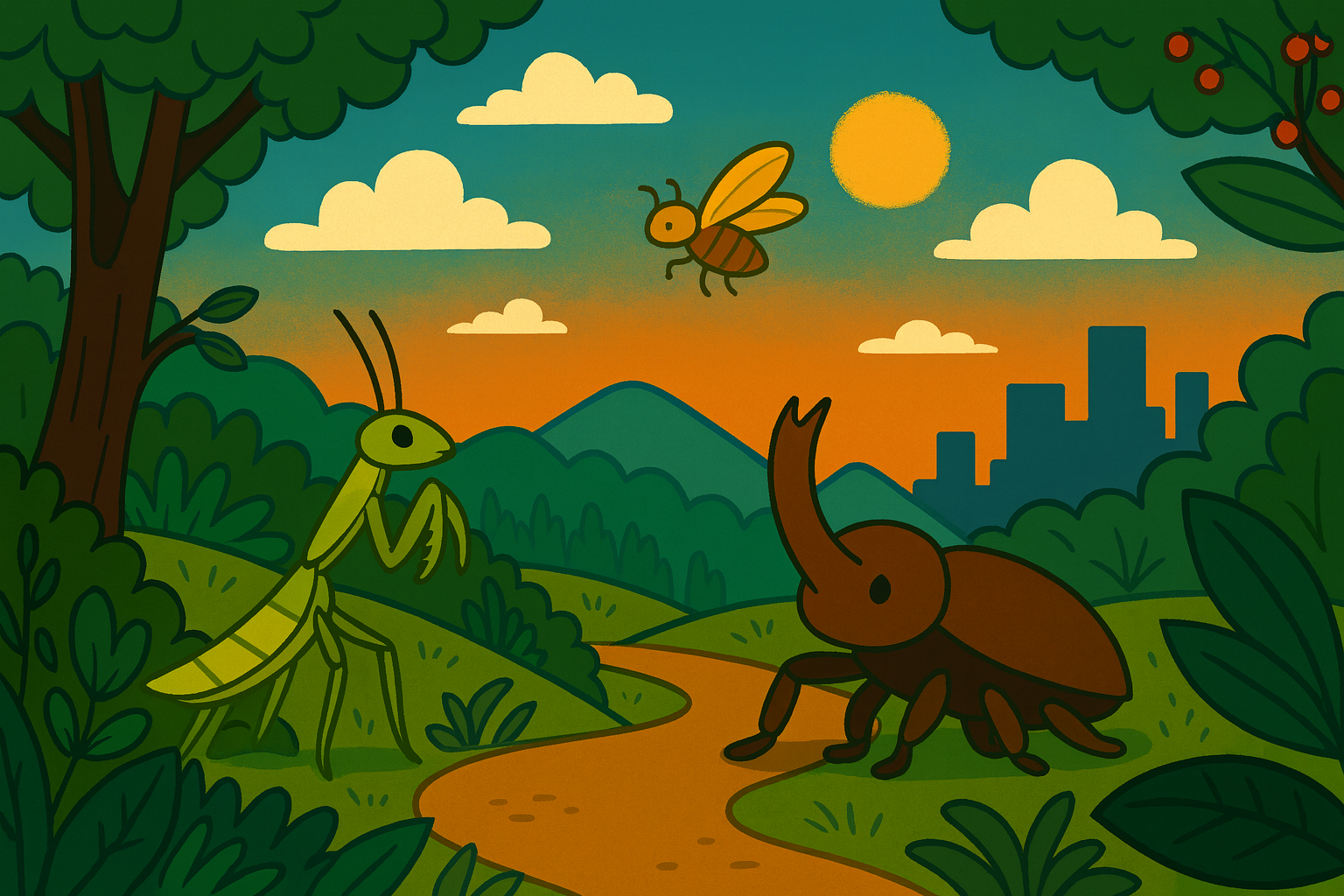
Explore how insects evolved across time and design a future-ready giant insect with imaginative new adaptations.
Insects
Lesson Synopsis:
Students explore how insects evolved from ancient giants to the diverse species we see today, examining key adaptations that shaped their survival. They investigate present-day insect behaviors and interactions within modern environments, including urban ecosystems. Finally, learners consider how insects might rapidly adapt in the future and use those insights to inform a creative design challenge.
Learning Objectives:
- Identify defining characteristics of insects and distinguish them from other arthropods.
- Explain how insects have adapted over time in response to environmental change.
- Analyze ways insects contribute to ecosystems and human systems in the present day.
- Apply knowledge of past and present insect adaptations to imagine possible future evolutionary traits.
Build Challenge:
Students will design and build a model of a future giant insect with adaptations suited to a changing environment.
Additional resources:
- Design Worksheet
- Sharing Worksheet
- Curated build materials
- Lesson flyers for students to take home and share with their families
- Builder certificates
- Starter tools (1 set per bundle)
- Wonder Widgets Box (1 per bundle)
Space Startups
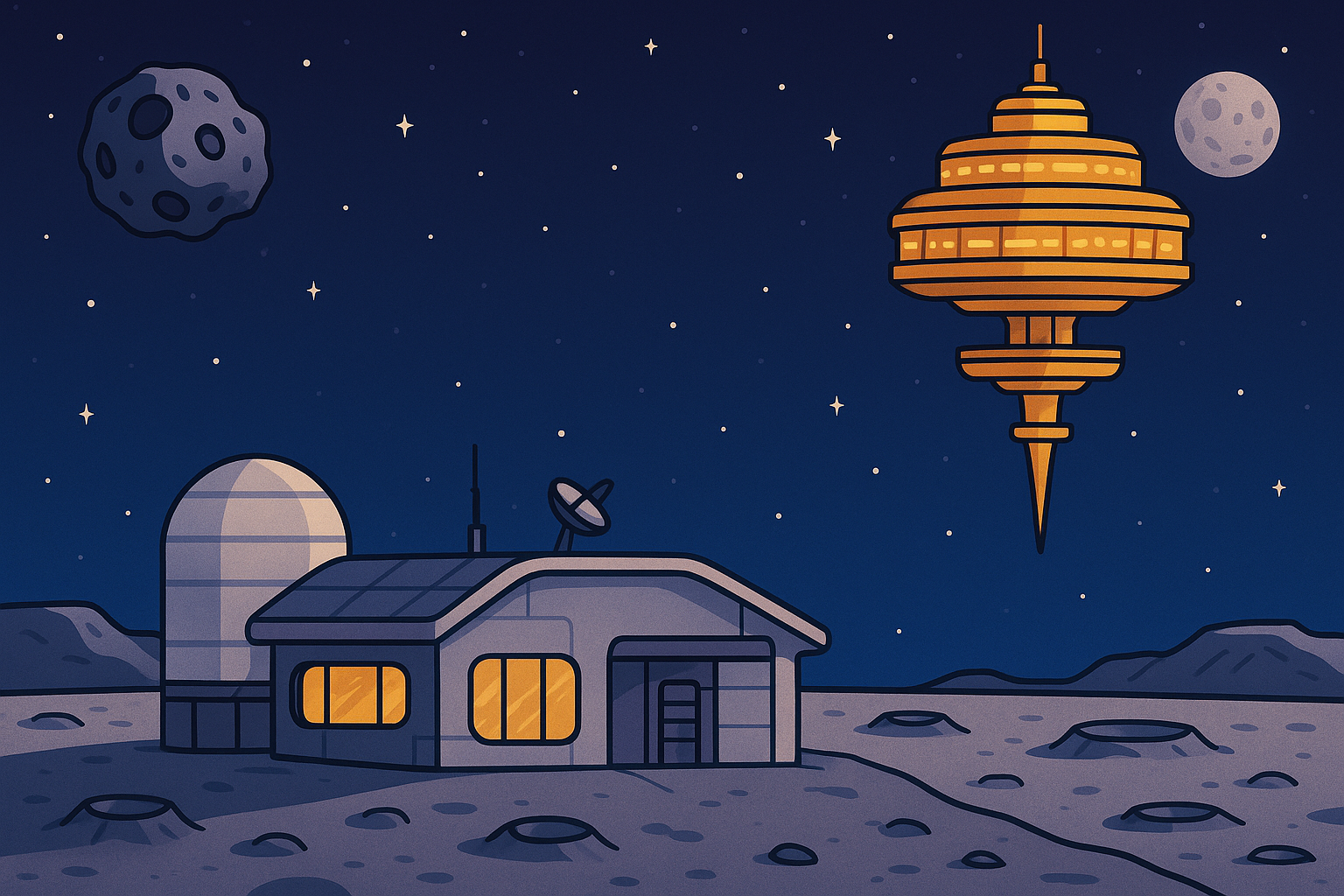
Students imagine the future of space entrepreneurship by designing a startup that could one day thrive beyond Earth.
Space Startups
Lesson Synopsis:
Students explore the evolution of space exploration from early missions to modern commercial ventures and future innovations. They examine how space travel has shifted from government-led projects to private entrepreneurship. The lesson concludes by imagining how future businesses might thrive in space—from Moon habitats to orbiting hotels and asteroid mining stations.
Learning Objectives:
- Identify key milestones in space exploration history and their impact on science and society.
- Explain how current companies and technologies are shaping the modern space industry.
- Analyze potential future opportunities and challenges for space-based businesses.
- Apply creative problem-solving to design an original concept for a future space company.
Build Challenge:
Students design and prototype a model for a space startup—such as a floating space hotel, a lunar habitat, or a robotic asteroid-mining station—that solves a real-world problem in an imaginative way.
Additional resources:
- Design Worksheet
- Sharing Worksheet
- Curated build materials
- Lesson flyers for students to take home and share with their families
- Builder certificates
- Starter tools (1 set per bundle)
- Wonder Widgets Box (1 per bundle)